








 Contact Platform Support
 Help Center
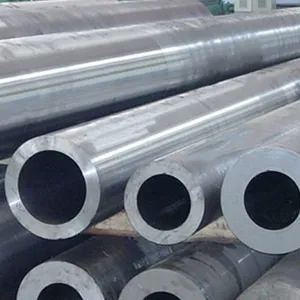
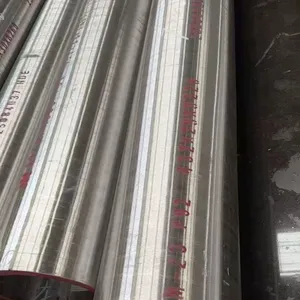
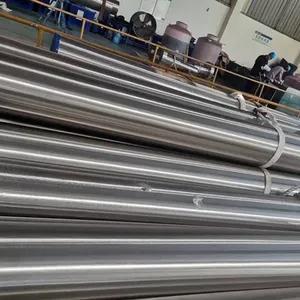
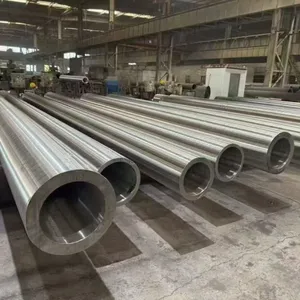
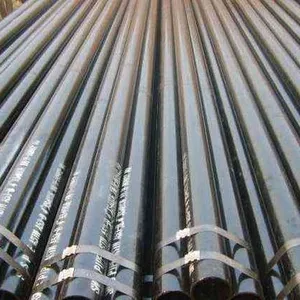
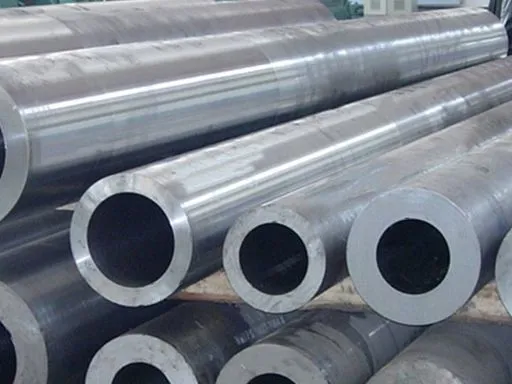
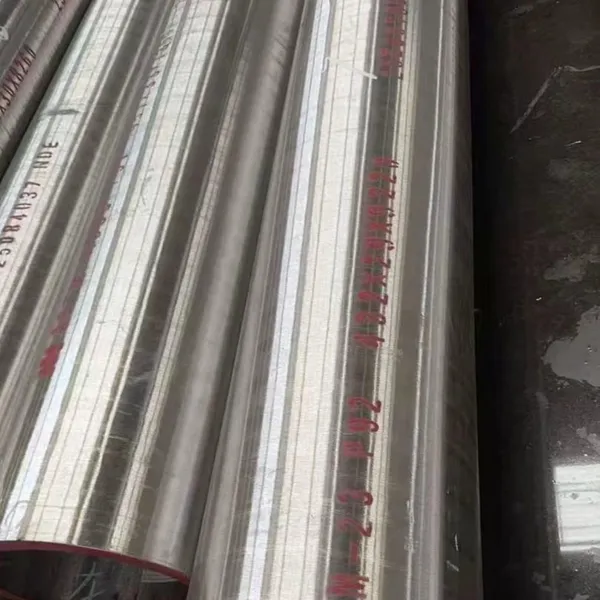
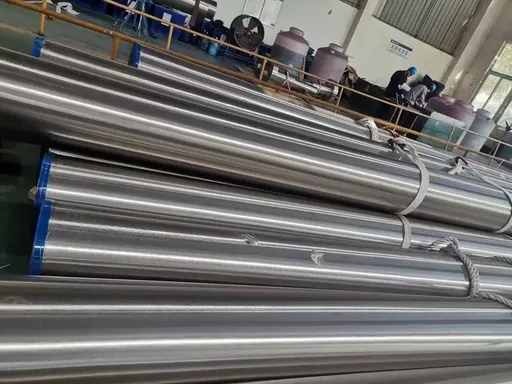
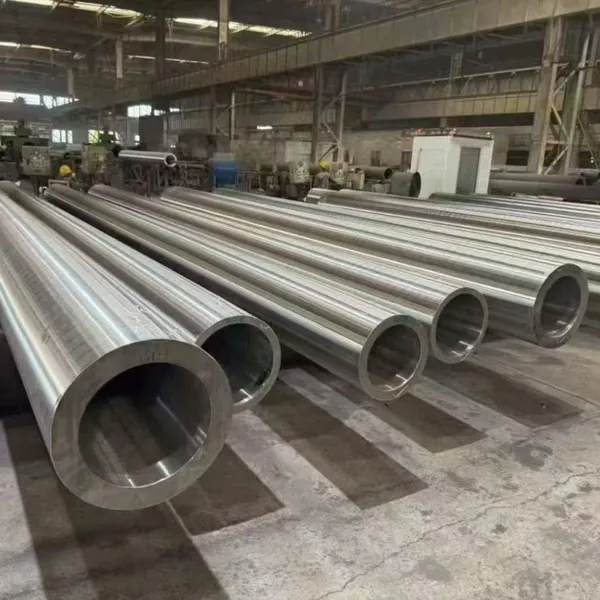
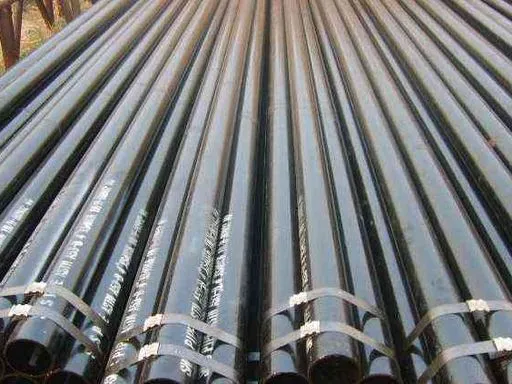
Steel Pipe & Tube & Alloy Steel Pipe,P11、P12、P22、P91、P92、T11、T12、T22、T91、30CrMo、35CrMo、42CrMo


Related Products
-
 Steel Pipe & Tube & OCTG Oil Country Tubular Goods,H40、J55、K55、M65、N80-1、N80Q、R95、L80-1、L80-9Cr、L80-13Cr、Gr.B、X42、X52、X60、X65、NegotiableMOQ: 5 Metric Tons
 -
Steel Pipe & Tube & High Pressure Boiler Tube,20G、20MnG、25MnG、15CrMoG、12Cr2MoG、12Cr1MoVG、10Cr9Mo1VNb(T91/P91)、12Cr9W2VNbB(T92/P92)NegotiableMOQ: 5 Metric Tons
-
Steel Pipe & Tube & Precision Steel Tube,GB/T3639、GB/T32957、EN10305NegotiableMOQ: 5 Metric Tons
-
Steel Pipe & Tube & Cast Steel Pipe,HT150、HT200、HT250、HT300、QT400-18、QT450-10、QT500-7、QT600-3、KTH350-10、KTZ450-06、KTZ650-02NegotiableMOQ: 5 Metric Tons
-
Steel Coil & Strip & Hot Rolled Steel Coil,Q235A/Q235B/Q235C/Q235D、Q390、Q420、Q460、Q550、Q690NegotiableMOQ: 5 Metric Tons
1. Product Definition & Core Overview
Alloy steel pipe is a high-end special steel pipe manufactured by adding chromium, molybdenum, vanadium, nickel, manganese and other alloying elements to high-quality carbon structural steel. The mainstream products are mainly seamless pipes, supplemented by a small number of precision welded alloy pipes. Modified by alloy elements, it overcomes the performance limitations of ordinary carbon steel pipes in high temperature resistance, high pressure resistance, low temperature resistance, corrosion resistance and structural strength. Featuring stable material performance, low high-temperature creep and high pressure safety factor, it is specially used for harsh working conditions in power plants, boilers, petrochemicals, chemical industry, nuclear power and high-end machinery, capable of long-term stable operation under extreme and complex industrial conditions.
The products are divided into three categories: low-alloy, medium-alloy and high-alloy steel pipes. The full series features zero leakage, deformation resistance and aging resistance, widely applied in core industrial pipeline systems under high-pressure, high-temperature, low-temperature and strong-corrosion conditions.
2. Executive Standards & Product Classification
2.1 Core Domestic & International Standards
Chinese National Standards
GB/T 8162: Seamless alloy steel pipes for structural purposes (for mechanical structures and equipment parts)
GB/T 8163: Seamless alloy steel pipes for fluid transportation (for general industrial fluid delivery)
GB 5310: Seamless alloy steel pipes for high-pressure boilers (core high-temperature and high-pressure pipelines for power stations)
GB 6479: High-pressure alloy steel pipes for chemical fertilizer equipment (for chemical strong corrosion and high-pressure working conditions)
GB 9948: Seamless alloy steel pipes for petroleum cracking (high-temperature pipelines for oil refining and cracking units)
GB/T 18984: Seamless steel pipes for low-temperature service (special for ultra-low temperature working conditions)
International Standards (ASTM / EN / JIS / DIN)
ASTM A335/A335M: High-temperature ferritic seamless alloy steel pipes (P11, P12, P22, P91, P92)
ASTM A213/A213M: Alloy tubes for boilers, superheaters and heat exchangers (T11, T12, T22, T91)
ASTM A519: Precision seamless alloy steel pipes for mechanical structures
EN 10216, DIN 17175, JIS G3458, STPA23/STPA24
2.2 Product Classification
Classification by Alloy Content
Low-Alloy Steel Pipe (Total Alloy Content <5%): mainstream and cost-effective, suitable for medium-high temperature and medium-high pressure conventional industrial conditions. Typical grades: 15CrMo, 12Cr1MoVG, 16MnDG
Medium-Alloy Steel Pipe (Total Alloy Content 5%~10%): excellent high-temperature resistance and creep resistance, applied in core high-temperature and high-pressure equipment of power stations and petrochemical industry. Typical grades: Cr5Mo, Cr9Mo
High-Alloy Steel Pipe (Total Alloy Content >10%): superior corrosion resistance and ultra-high temperature resistance, suitable for extreme working conditions of nuclear power, fine chemical industry and supercritical units. Typical grades: P92 and high-alloy stainless steel series
Classification by Production Process
Hot-rolled seamless alloy pipe: mainly large-diameter and thick-walled type with strong pressure resistance, specially used for industrial main pipelines
Cold-rolled / Cold-drawn precision alloy pipe: small-diameter, thin-walled and high-precision type, applicable for instruments, hydraulic systems and precision equipment
Welded alloy pipe: medium and large-diameter thin-walled pipe, suitable for low-pressure and normal-temperature fluid transportation
Classification by Working Condition
High-pressure boiler pipe, petroleum cracking pipe, chemical fertilizer high-pressure pipe, low-temperature heat-resistant pipe, mechanical structural pipe, fluid transportation pipe
3. Main Steel Grades & Applicable Working Conditions
All steel grades are processed via quenching, normalizing and tempering heat treatment to ensure stable performance, no residual stress and full compliance with special equipment acceptance standards.
12Cr1MoVG: dedicated for power station core equipment, applicable for high-temperature and high-pressure superheaters, reheaters and main steam pipelines; maximum working temperature ≤580℃ with outstanding high-temperature creep resistance, serving as the standard alloy pipe for thermal power plants
15CrMo: general-purpose high-temperature alloy pipe, widely used in medium and high-pressure boilers, heat exchangers and petrochemical high-temperature pipelines; maximum working temperature ≤550℃ with excellent weldability
Cr5Mo / Cr9Mo: special cracking pipe for oil refineries, featuring sulfide corrosion resistance and high-temperature resistance, suitable for crude oil heating and catalytic cracking high-temperature working conditions
P91/T91, P92/T92: dedicated for supercritical and ultra-supercritical power generation units, with superior high-temperature resistance, high-pressure resistance and fatigue resistance, applied in core pipelines of high-end thermal power and nuclear power projects
16MnDG: professional low-temperature alloy pipe, resistant to ultra-low temperature down to -45℃ without cold brittleness, suitable for liquid nitrogen, low-temperature gas and cold chain industrial pipelines
30CrMo, 35CrMo, 42CrMo: high-strength structural alloy pipes, used for hydraulic cylinders, mechanical transmission shafts, engineering load-bearing structures and high-end equipment accessories
4. Core Mechanical & Process Parameters
4.1 Conventional Mechanical Properties (National Standard Qualified Values)
Yield Strength: ≥245~830MPa (increases with different steel grades)
Tensile Strength: ≥410~1080MPa
Elongation after Fracture: ≥18%, excellent toughness and anti-fracture performance
Uniform hardness, supporting bending, cutting, welding, threading and precision finishing
High-temperature stability: no softening, deformation or pressure failure under temperature above 500℃
4.2 Hydrostatic Test Standard
100% piece-by-piece hydrostatic testing is implemented for all finished pipes with no leakage or bulging. Conventional pipes maintain pressure at 6.0~10MPa, while high-pressure boiler pipes maintain 15~25MPa for more than 30 seconds without abnormal conditions.
4.3 Non-Destructive Testing (NDT)
Ultrasonic testing, eddy current testing and magnetic particle testing are available to completely detect internal defects such as cracks, delaminations, pores and slag inclusions. 100% qualification rate meets special equipment sampling inspection standards.
5. Specification Range
5.1 Dimension Range
Outer Diameter: 6mm~630mm (full-spec customization available for all calibers)
Wall Thickness: 1.5mm~80mm (covering thin-wall precision pipes, standard pipes and thickened high-pressure pipes)
Standard Length: 6 meters per piece; customized lengths of 3m, 9m, 12m and arbitrary multiple lengths are available, supporting precision cutting and chamfering
5.2 Appearance Quality
Straight pipe body without bending deformation; smooth internal and external walls free of cracks, scars, folds and rust; flat pipe ends without burrs and uniform wall thickness. Dimensional tolerance is strictly controlled within ±0.05mm in accordance with national standards.
6. Production Process Flow
Alloy billet re-inspection → heating & piercing → hot rolling / cold drawing forming → sizing & straightening → heat treatment (normalizing / tempering / quenching and tempering) → pickling & passivation → non-destructive testing → hydrostatic pressure test → precise dimensional inspection → pipe end grinding & chamfering → marking, protection, bundling & warehousing
Precision heat treatment is adopted throughout the process to eliminate internal stress, avoid deformation and cracking risks during long-term service, and ensure long-term operational stability.
7. Core Product Advantages (vs Ordinary Carbon Steel Pipes)
Excellent High-Temperature & High-Pressure Resistance: capable of long-term operation under 450℃~600℃ high temperature and high pressure without creep or deformation, solving the problems of softening and pipe bursting of ordinary carbon steel pipes under extreme high-temperature and high-risk working conditions of power stations and boilers.
Low-Temperature Brittleness Resistance: professional low-temperature alloy grades resist ultra-low temperature down to -45℃ without cold cracking, suitable for cold and high-altitude areas and deep-cooling industrial medium transportation.
Superior Corrosion & Aging Resistance: chromium and molybdenum elements form a dense protective film, resisting acid, alkali, sulfide and oil-gas corrosion. Its service life is 3~8 times that of ordinary carbon steel pipes, greatly reducing equipment maintenance frequency.
Stable & Safe Material Performance: uniform metallographic structure and zero residual stress deliver excellent pressure resistance, fatigue resistance and impact resistance, eliminating pipeline bursting and leakage risks and complying with special equipment safety standards.
Strong Processing Adaptability: supports arbitrary cutting, welding, bending and precision finishing, compatible with flange, welding, grooved and threaded connection methods for convenient construction.
Low Full-Life Cycle Cost: despite higher initial procurement cost, it features ultra-long service life and zero frequent maintenance, achieving lower comprehensive cost for industrial projects.
8. Main Application Fields
Thermal Power Industry: high-pressure boilers, superheaters, reheaters, main steam pipelines and heating pipe networks of thermal power plants
Petrochemical Industry: oil refining cracking units, hydrogenation units, high-temperature heating furnaces, high-pressure oil and gas transmission pipelines, chemical corrosive medium pipelines
Chemical Fertilizer Industry: high-pressure pipelines for synthetic ammonia and urea equipment, specially used for acid-base and high-pressure working conditions
Low-Temperature Industry: coal chemical industry, cold chain, liquid nitrogen and low-temperature gas transmission pipelines
Mechanical Manufacturing: high-end hydraulic cylinders, mechanical transmission shafts, engineering load-bearing structures and precision instrument pipelines
New Energy & Nuclear Power: nuclear power auxiliary pipelines, photovoltaic thermal systems and high-end pipelines for supercritical units
Industrial Equipment Matching: supporting pipes for heat exchangers, condensers, high-pressure vessels and boiler equipment
9. Installation & Operation Specifications
Special alloy welding rods or wires shall be adopted for alloy pipe welding. Pre-heating before welding and thermal insulation tempering after welding are required to avoid welding cracks and ensure consistent performance between welds and pipe body.
For high-temperature pipelines, expansion joints and fixed supports shall be installed in accordance with specifications to reserve thermal expansion margin and prevent pipeline cracking caused by high-temperature deformation.
Anti-corrosion coating or lining is recommended for corrosive working conditions to extend service life. Severe impact and rapid temperature difference shock are prohibited for low-temperature pipelines.
Overall hydrostatic test and air tightness test must be completed and qualified before pipeline commissioning.

Send Inquiry to This Supplier



You May Also Like
-
Steel Coil & Strip & Cold Rolled Steel Coil,GB/T 13237、GB/T 5213、JIS G3131、EN 10130NegotiableMOQ: 5 Metric Tons
-
Steel Coil & Strip & Prepainted Steel Coil,S220GD+Z、S250GD+Z、S320GD+Z、S350GD+Z、S420GD+Z、DX51D+AZ、S350GD+AZ、DX51D+ZM、S350GD+ZMNegotiableMOQ: 5 Metric Tons
-
Steel Sheet & Plate & Pressure Vessel Steel Plate,16Mo3、13CrMo4-5、10CrMo9-10、SA387 Gr11 Cl2、SA387 Gr22 Cl2(2.25Cr-1Mo)NegotiableMOQ: 5 Metric Tons
-
Steel Sheet & Plate & Checkered Plate,2.5、3.0、3.5、4.0、4.5、5.0、6.0、7.0、8.0、10、12、14、16mmNegotiableMOQ: 5 Metric Tons
-
Steel Sheet & Plate & Shipbuilding Steel Plate,AH32、DH32、EH32、FH32、AH36、DH36、EH36、FH36、AH40、DH40、EH40、FH40NegotiableMOQ: 5 Metric Tons
-
Steel Sheet & Plate & Boiler Steel Plate,P265GH、P355NH、16Mo3、13CrMo4-5、10CrMo9-10NegotiableMOQ: 5 Metric Tons
-
Steel Sheet & Plate & Steel Sheet Pile,S275GP、S355GP、S390GP、S430GPNegotiableMOQ: 5 Metric Tons
-
Steel Rebar & Deformed Steel Bar / Rebar,HRBF400、HRBF400E、HRBF500、HRBF500ENegotiableMOQ: 5 Metric Tons
-
Steel Wire & Galvanized Steel Wire,Q195、Q235、60、65、70、72A、40Cr、30CrMnSiNegotiableMOQ: 5 Metric Tons
-
Flat Steel & Steel Flat Bar,10#、20#、35#、45#、40Cr、42CrMo、20CrMnTiNegotiableMOQ: 5 Metric Tons


