








 Contact Platform Support
 Help Center
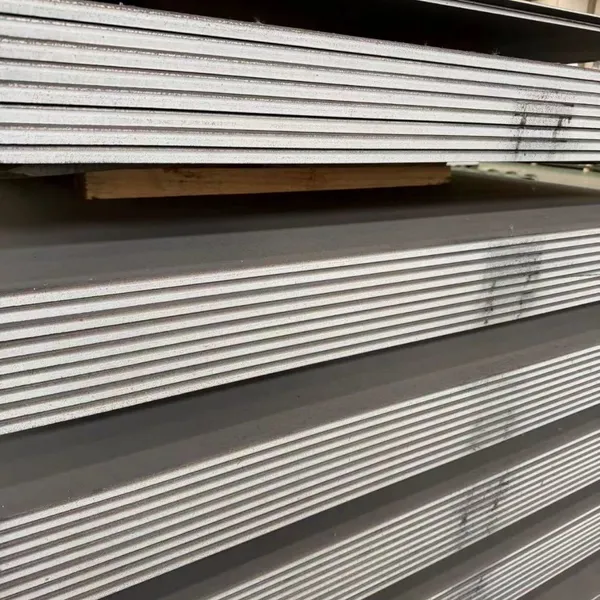
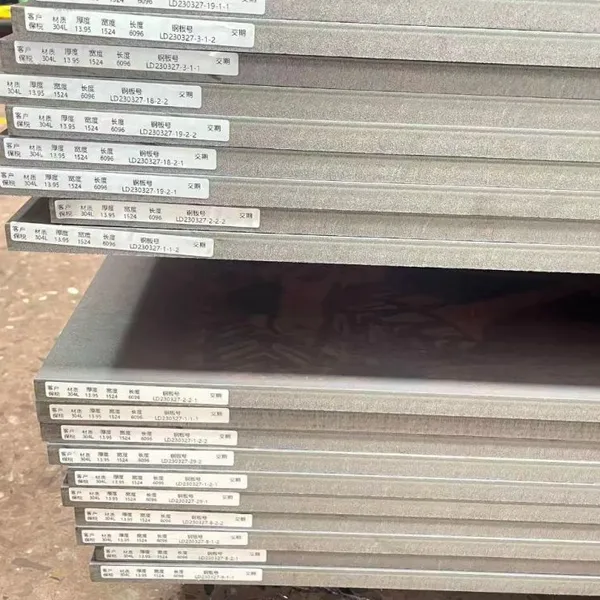
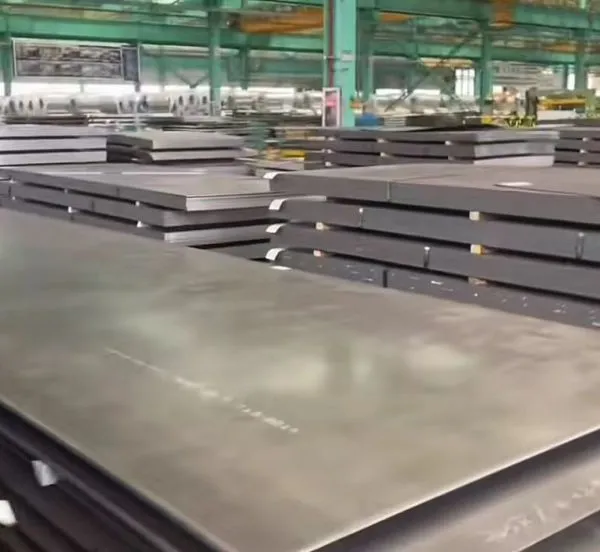
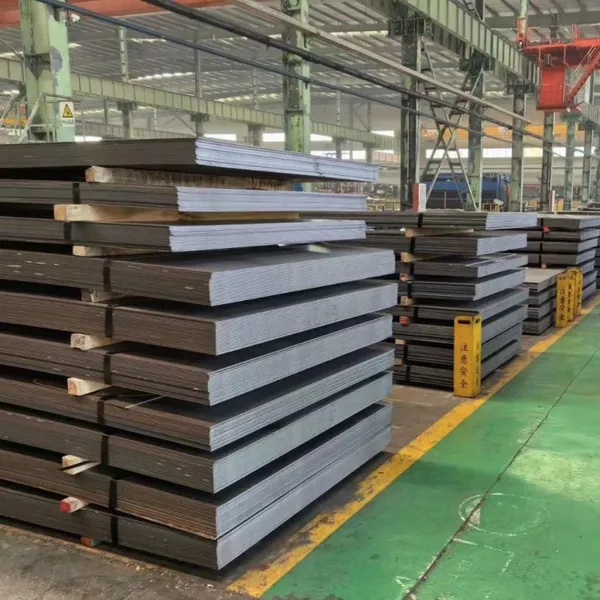
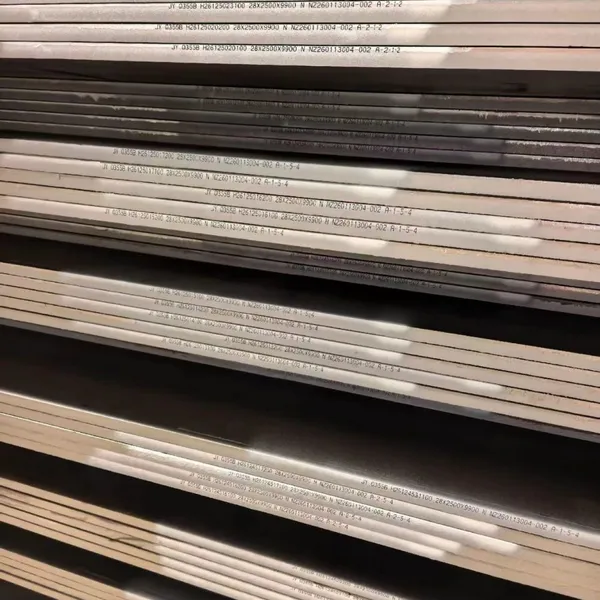
Steel Sheet & Plate & Pressure Vessel Steel Plate,16Mo3、13CrMo4-5、10CrMo9-10、SA387 Gr11 Cl2、SA387 Gr22 Cl2(2.25Cr-1Mo)




Related Products
-
 Steel Sheet & Plate & Checkered Plate,2.5、3.0、3.5、4.0、4.5、5.0、6.0、7.0、8.0、10、12、14、16mmNegotiableMOQ: 5 Metric Tons
 -
Steel Sheet & Plate & Shipbuilding Steel Plate,AH32、DH32、EH32、FH32、AH36、DH36、EH36、FH36、AH40、DH40、EH40、FH40NegotiableMOQ: 5 Metric Tons
-
Steel Sheet & Plate & Boiler Steel Plate,P265GH、P355NH、16Mo3、13CrMo4-5、10CrMo9-10NegotiableMOQ: 5 Metric Tons
-
Steel Sheet & Plate & Steel Sheet Pile,S275GP、S355GP、S390GP、S430GPNegotiableMOQ: 5 Metric Tons
-
Steel Rebar & Deformed Steel Bar / Rebar,HRBF400、HRBF400E、HRBF500、HRBF500ENegotiableMOQ: 5 Metric Tons
1. Product Definition & Core Overview
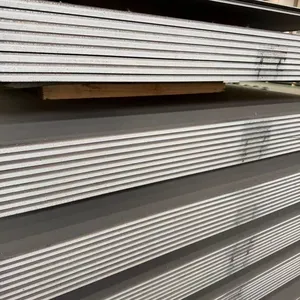
Pressure vessel steel plate is a special hot-rolled steel plate exclusively used for manufacturing pressure-bearing special equipment such as boilers, storage tanks, reaction kettles, heat exchangers and gas cylinders. Compared with ordinary structural steel plates, it features strictly controlled harmful impurities (carbon, sulfur and phosphorus), refined grain structure, stable tensile & impact toughness at room / low / high temperature, excellent lamellar tear resistance and superior weldability.
Capable of long-term safe operation under high pressure, extreme temperature and corrosive medium conditions, it serves as the core base material for pressure equipment in chemical, power, energy and pharmaceutical industries. The product series covers normal & medium-temperature grades, low-temperature grades, high-temperature heat-resistant alloy grades and hydrogen corrosion resistant grades. All products undergo mandatory impact test and 100% ultrasonic inspection, fully complying with special equipment safety supervision regulations.
2. Executive Standards
2.1 Chinese National Standards
GB/T 713-2023 Steel plates for boilers and pressure vessels (main general standard)
GB/T 3531 Low-temperature pressure vessel steel plates
GB/T 19189 Quenched & tempered high-strength steel plates for pressure vessels
GB/T 709 Dimensions, shape, mass and tolerances of hot-rolled steel plates
GB/T 2970 Ultrasonic testing for heavy steel plates
2.2 International Export Standards
ASME SA516 / SA516M Carbon manganese steel plates for moderate and low-temperature pressure vessels (Gr60 / Gr65 / Gr70)
ASME SA537 / SA537M Quenched & tempered high-strength pressure vessel plates (CL1 / CL2)
EN 10028 European pressure equipment steel plates (P265GH, P355GH, 13CrMo44)
JIS G3115 Japanese pressure vessel steel plates (SPV235, SPV355)
3. Product Classification & Main Grades
3.1 Classification by Service Temperature
(1) Normal & Medium-Temperature Carbon Steel Plates (-20℃~475℃)
Q245R: Basic carbon pressure vessel plate with yield strength ≥245MPa, suitable for atmospheric & medium-low pressure storage tanks and heat exchangers.
Q345R: Most popular general grade with balanced strength and toughness, widely used for boiler drums, conventional reaction kettles and oil & gas storage tanks.
Q370R: High-strength carbon-manganese grade with higher pressure bearing capacity, applied for large-scale high-pressure storage tanks and industrial pressure vessels.
(2) Low-Temperature Pressure Vessel Plates (-40℃~-70℃ Cryogenic Service)
16MnDR: For -40℃ low-temperature storage tanks, liquid ammonia and CO₂ storage equipment.
09MnNiDR: Ultra-low temperature grade for -70℃ working conditions, ideal for LNG, liquid nitrogen and cryogenic chemical pressure vessels.
(3) High-Temperature Heat-Resistant Alloy Plates (Above 500℃)
15CrMoR, 14Cr1MoR: Cr-Mo heat-resistant steel for petroleum refining hydrogenation units and high-temperature reactors.
12Cr2Mo1R, 13CrMo44: High chromium-molybdenum grades for power station high-temperature drums and petrochemical high-pressure cracking equipment.
(4) Special Anti-Corrosion Vessel Plates
Q345R(HIC): Hydrogen-induced cracking resistant grade for H₂S-containing oil & gas and hydrogen service equipment.
07MnCrMoVR: Quenched & tempered high-strength anti-crack steel for large spherical tanks and high-pressure gas storage vessels.
3.2 Classification by Delivery Heat Treatment
TMCP Thermo-Mechanical Controlled Rolling: Standard for medium & thin plates with cost-effective performance.
Normalized: Grain refinement and improved low-temperature toughness, standard delivery for low-temperature vessel plates.
Normalized + Tempered: Eliminates rolling residual stress and stabilizes high-temperature performance for thick-wall alloy plates.
Quenched + Tempered (Q&T): Ultra-high strength for heavy-duty high-pressure spherical tanks and critical pressure equipment.
4. Specification Range
Thickness: 6mm~120mm (thin plate: 6–14mm; medium plate: 14–50mm; heavy plate: 50–120mm)
Width: 1500mm, 1800mm, 2000mm, 2200mm, 2500mm (custom wide width available)
Length: 6000mm / 8000mm / 10000mm / 12000mm; custom fixed cutting & bevel processing supported
Tolerance: GB/T 709 Class B standard tolerance; Class C high-precision tolerance optional
Density: 7.85g/cm³ (theoretical weight delivery)
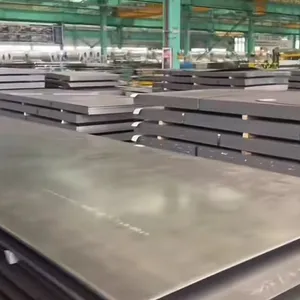
Surface Quality: Flat and smooth surface without warpage, cracks, scars, folds or delaminations; no edge lamination; polished defects meet minimum thickness tolerance requirements.
5. Mechanical Properties & Factory Inspection Standards
5.1 Typical Mechanical Performance
Grade |
Yield Strength (MPa) |
Tensile Strength (MPa) |
Elongation (%) |
Impact Temp. |
KV2 Impact Energy (J) |
|---|---|---|---|---|---|
Q245R |
≥245 |
400–520 |
≥25 |
20℃ |
≥31 |
Q345R |
≥345 |
510–650 |
≥21 |
0℃ |
≥34 |
16MnDR |
≥315 |
490–630 |
≥21 |
-40℃ |
≥34 |
15CrMoR |
≥295 |
440–640 |
≥22 |
20℃ |
≥31 |
5.2 Mandatory Full Inspection Items
Tensile test, room/low temperature V-notch impact test, 180° cold bending test
100% full-plate ultrasonic testing (UT), Grade Ⅰ / Ⅱ / Ⅲ inspection optional to eliminate internal lamination, slag inclusion and cracks
Spectral chemical analysis with strictly controlled low impurities: S ≤0.015%, P ≤0.025%
Full dimensional inspection of thickness, width, length and flatness
Additional HIC hydrogen-induced cracking test for hydrogen service plates
6. Production Process Flow
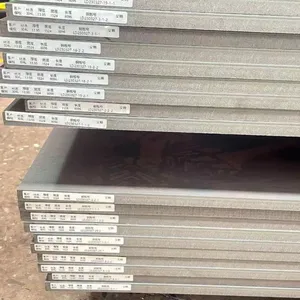
Refined molten steel (vacuum degassing & impurity reduction) → Continuous casting slab → Uniform heating in walking-beam furnace → High-pressure water descaling → Precision controlled rolling (roughing + finishing) → Laminar flow cooling → Leveling & straightening → Heat treatment (normalizing / tempering / quenching & tempering) → Shot blasting surface cleaning → Steel marking (grade, heat number, standard, UT grade) → Ultrasonic non-destructive testing → Physical & chemical performance sampling → Fixed-length cutting & beveling → Anti-rust coating & packaging & warehousing
Vacuum refining minimizes harmful impurities, and precise controlled rolling & heat treatment stabilize metallographic structure, ensuring excellent low-temperature toughness and welding safety.
7. Core Product Advantages
Strict Impurity Control & Reliable ToughnessMuch lower sulfur and phosphorus content than ordinary structural plates, avoiding brittle fracture at low temperature and eliminating burst risks for pressure-bearing equipment.
Full Temperature Range AdaptabilityComplete product series covering -70℃ ultra-low temperature to over 500℃ high-temperature working conditions.
Lamellar Tear Resistance & Certified UT QualityDense internal structure with 100% ultrasonic inspection, no delamination during rolling and welding forming.
Superior WeldabilityLow carbon equivalent prevents cold cracking during hot & cold welding, greatly reducing welding repair rate of pressure vessels.
Special Equipment Compliance & Full TraceabilityUnique heat batch number for each plate with complete certification documents, supporting special equipment inspection, third-party acceptance and export customs clearance.
Customized Anti-Corrosion GradesHIC resistant plates for H₂S and hydrogen environments, and high-strength quenched & tempered grades for spherical tanks available for extreme working conditions.
8. Main Application Fields
Petrochemical Industry: Crude oil storage tanks, LPG spherical tanks, hydrogenation reactors, heat exchangers, desulfurization and sulfur-containing oil & gas pressure vessels.
Power & Boiler Industry: Power station boiler drums, waste heat boiler cylinders, high & low-pressure heat exchangers, thermal header pressure shells.
Low-Temperature Energy Industry: LNG storage tanks, liquid nitrogen / liquid ammonia cryogenic tanks, coal chemical low-temperature reaction equipment.
Pharmaceutical & Light Industry: Stainless steel composite base plates, sterile reaction tanks, food fermentation vessels, steam disinfection equipment.
Energy Storage & Transportation: Urban gas spherical tanks, large atmospheric oil tanks, vehicle gas cylinders, hydrogen station storage equipment.
Nuclear & New Energy Equipment: Nuclear power auxiliary heat exchange equipment, solar thermal high-temperature storage vessels, energy storage high-pressure tanks.
9. Processing, Welding & Operation Specifications
Low-temperature and Cr-Mo alloy vessel plates must adopt matched special welding consumables with strict pre-heating and post-weld stress relief tempering to prevent low-temperature cracking.
Avoid sharp indenter during plate rolling and bending to prevent stress concentration from surface indentation.
HIC-resistant plates must be used for hydrogen and H₂S corrosive environments; ordinary Q345R cannot be substituted.
Heavy-wall pressure vessel plates must be accompanied by official UT reports for equipment supervision and inspection verification.
Long-term high-temperature Cr-Mo vessels require regular wall thickness and metallographic inspection to avoid high-temperature creep failure.
Finished equipment hydrostatic test shall be conducted at 1.25 times design pressure with stable pressure, no leakage and no plastic deformation before commissioning.

Send Inquiry to This Supplier



You May Also Like
-
Steel Wire & Galvanized Steel Wire,Q195、Q235、60、65、70、72A、40Cr、30CrMnSiNegotiableMOQ: 5 Metric Tons
-
Flat Steel & Steel Flat Bar,10#、20#、35#、45#、40Cr、42CrMo、20CrMnTiNegotiableMOQ: 5 Metric Tons
-
Steel Angle & Angle Bar,Q235B、A36、SS400、S235JR、45#、40Cr、65MnNegotiableMOQ: 5 Metric Tons
-
H Section Steel & H Beam,Q235A、Q235B、Q235C、Q235D、Q355B/C/D/E、Q390、Q420、Q460、Q235NH、Q355NH、Q345GNHNegotiableMOQ: 5 Metric Tons
-
Steel Pipe & Tube & ERW Galvanized Pipe,Q195、Q215B、Q235A、Q235B、Q275B、SPHC、Q355B、Q355C、27SiMnNegotiableMOQ: 5 Metric Tons
-
Steel Pipe & Tube & Alloy Seamless Steel Pipe,15CrMo、12Cr1MoVG、12Cr2Mo1、1Cr5Mo、27SiMn、Q355B、16Mn、X52、X60、X65NegotiableMOQ: 5 Metric Tons
-
Steel Pipe & Tube & OCTG Oil Pipe,Gr.B、X42、X52、J55、N80、L80、P110、X42/X52/X60/X70/X80NegotiableMOQ: 5 Metric Tons
-
Steel Pipe & Tube & High Pressure Boiler Tube,20G、20MnG、25MnG、15CrMoG、12Cr1MoVG、12Cr2Mo1G、1Cr5Mo、16MnDG、09MnNiDGNegotiableMOQ: 5 Metric Tons
-
Steel Pipe & Tube & Precision Steel Tube,16Mn、20Cr、40Cr、27SiMn、10#、20#、35#/45#NegotiableMOQ: 5 Metric Tons
-
Steel Pipe & Tube & Cast Steel Pipe,HT200、HT250、ZG40Cr、ZG35SiMn、ZG42CrMo、ZG15Cr1Mo1V、ZG1Cr5Mo、ZG1Cr9MoNegotiableMOQ: 5 Metric Tons


