








 Contact Platform Support
 Help Center
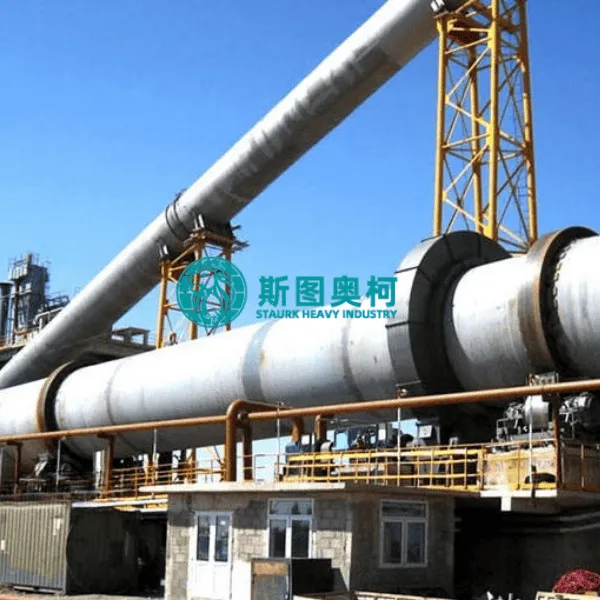
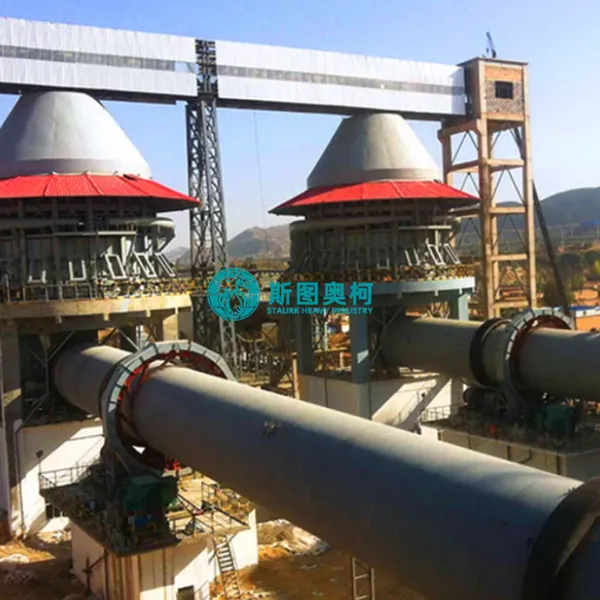
Rotary Kiln for Biomass Carbonization 200 Tpd



Related Products
rotary kiln for biomass carbonization 200 tpd
1. Introduction
The 200 TPD (Tons Per Day) Rotary Kiln for Biomass Carbonization is an advanced thermal processing system designed for the continuous, large-scale pyrolysis (oxygen-free or oxygen-deficient heating) of various biomass materials. Eligible feedstocks include wood chips, sawdust, bamboo, coconut shells, straw, rice husks, and palm kernels.
With a robust 200 TPD capacity, this kiln serves as a cornerstone for modern bioenergy and waste-to-value initiatives. It thermochemically upgrades loose, low-density biomass into high-purity biochar, charcoal briquette precursors, or soil amendments. This process immobilizes carbon for centuries, supporting global carbon sequestration and circular agriculture goals.
2. Working Principle
Biomass carbonization in a rotary kiln relies on high-temperature dry distillation (slow pyrolysis) in a strictly sealed, low-oxygen environment. The system operates through the following steps:
Feeding and Pre-drying: The shredded or sized biomass (ideally with a moisture content under 15-20%) is continuously transferred from a storage hopper into the higher end (kiln tail) via a sealed screw conveyor or bucket elevator. As the inclined drum turns slowly, internal flights lift and cascade the material through the initial zone to drive off unbound moisture.
Pyrolysis and Carbonization: Moving deeper into the high-temperature zone (), the thermal decomposition intensifies. Deprived of oxygen, the cellulose, hemicellulose, and lignin do not burn. Instead, they fracture chemically, expelling volatile gases (syngas) and leaving behind a solid, fixed-carbon structure known as biochar.
Syngas Recirculation: The heavily concentrated combustible gases (containing methane, hydrogen, and carbon monoxide) are drawn out through a dedicated manifold. After passing through cyclonic tar separators and condenser systems, this clean "syngas" is routed back to the kiln's external combustion chamber to sustain the process heat.
Airtight Cooling and Discharge: The glowing biochar drops from the kiln head into an airtight, water-jacketed screw cooler or rotary cooler. It is quickly cooled to below out of contact with the atmosphere to prevent spontaneous combustion before being transferred to storage silos.
3. Advantages
Product & Processing Flexibility
High Fixed-Carbon & Premium Quality: The continuous turning of the drum ensures excellent agitation and uniform heat distribution across the entire bed of material. This yields highly uniform biochar with high fixed-carbon content, large specific surface area, and exceptional caloric value.
Superb Feedstock Adaptability: Unlike vertical retort systems, the rotating kiln easily accommodates varied and irregularly shaped biomass materials (from fine rice husks to coarse wood chips) without bridging, clogging, or requiring ultra-strict sorting.
Thermal Efficiency & Eco-Friendliness
Self-Sustaining "Zero-Fuel" Operation: Biomass produces an abundance of high-energy syngas during carbonization. Once the system reaches its operating temperature, the recycled syngas can fully power the kiln burners. This eliminates the need for external fuels (natural gas/diesel) during steady production and minimizes operational expenses.
Negative Carbon Footprint: The process locks atmospheric carbon into a stable solid form that will not readily decompose, providing industries with verified carbon credits while operating with minimal emissions via integrated baghouse filters and scrubbers.
Engineering & Operation
Optimized Commercial Capacity: A 200 TPD system provides an ideal economy of scale for regional agricultural hubs, large forestry sawmills, or municipal green-waste processing plants, maximizing daily logistics and output.
Hermetic Scaling Performance: The system utilizes dual-contact mechanical graphite seals or spring-loaded metallic faces to maintain a strict vacuum/positive pressure balance. This stops oxygen infiltration, which would otherwise reduce biochar yields by causing internal combustion.
Smart Automation: Monitored via a centralized PLC/DCS terminal, operators can dynamically adjust rotation speeds (RPM), feed rates, and multi-zone internal thermocouple arrays to respond seamlessly to variations in biomass moisture or species composition.

Send Inquiry to This Supplier



You May Also Like
-
 High Efficiency Kaolin Rotary DryerNegotiableMOQ: 1 Set
 -
20TPH Kaolin Dryer PlantNegotiableMOQ: 1 Set
-
China Kaolin Dryer SupplieNegotiableMOQ: 1 Set
-
Rotary Kiln for Carbon Material Processing 300 TpdUS$ 2000MOQ: 1 Set
-
Biomass Rotary Dryer ManufacturerNegotiableMOQ: 1 Set
-
Wood Chip Dryer Machine SupplierNegotiableMOQ: 1 Set
-
Rotary Kiln for Carbon Black Production 100 TpdUS$ 2000MOQ: 1 Set
-
Rotary Kiln for Energy Material Processing 200 TpdUS$ 2000MOQ: 1 Combo
-
Rotary Kiln for Industrial Byproduct Treatment 300 TpdUS$ 2000MOQ: 1 Set
-
Rotary Kiln for Gold Ore Roasting 100 TPDNegotiableMOQ: 1 Set


