








 Contact Platform Support
 Help Center
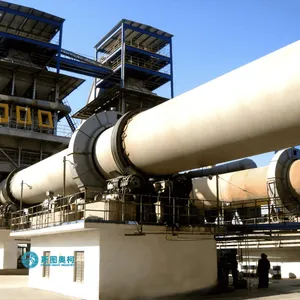
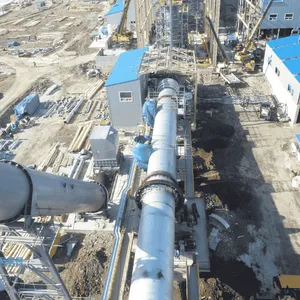
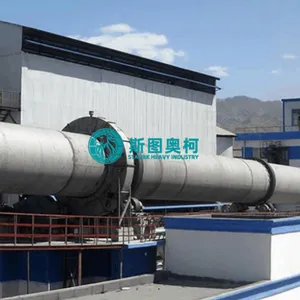
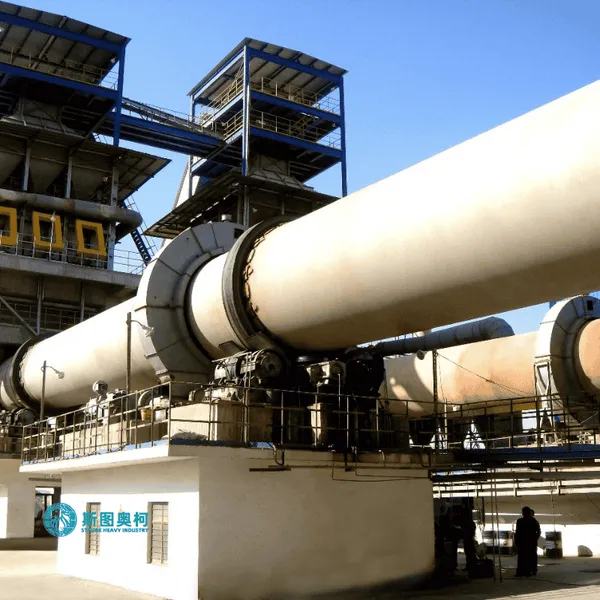
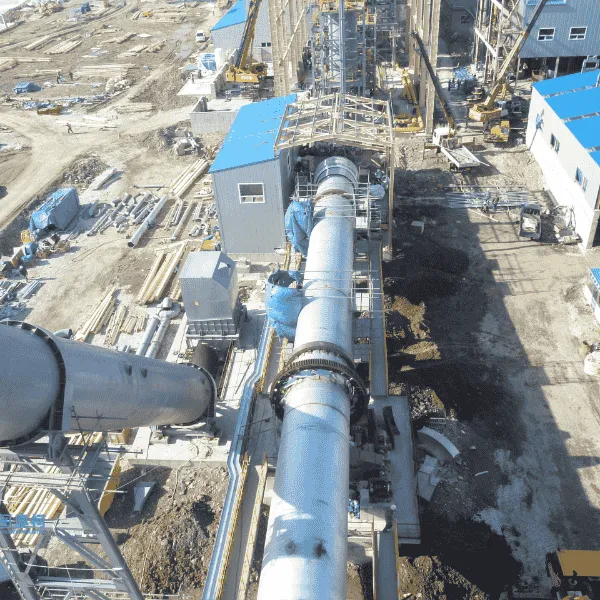
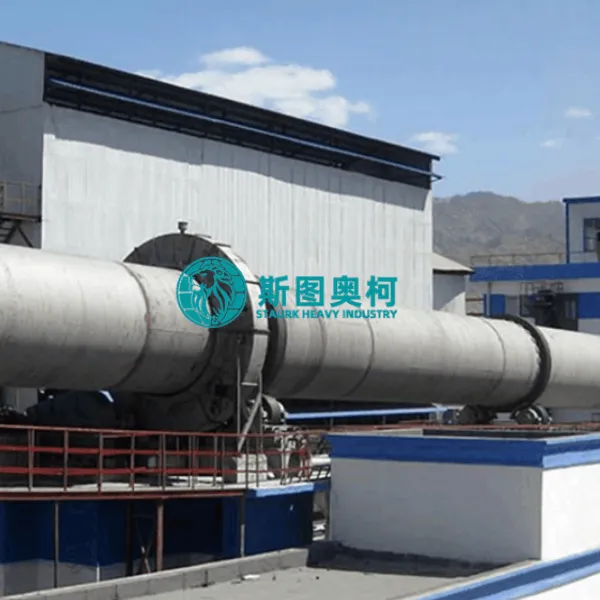
Rotary Kiln for Energy Material Processing 200 Tpd



Related Products
-
 Rotary Kiln for Industrial Byproduct Treatment 300 TpdUS$ 2000MOQ: 1 Set
 -
Rotary Kiln for Gold Ore Roasting 100 TPDNegotiableMOQ: 1 Set
-
Rotary Kiln for Bentonite Activation 200 TpdNegotiableMOQ: 1 Set
-
Rotary Kiln for Gypsum Calcination 300 TpdNegotiableMOQ: 1 Set
-
Rotary Kiln for Waste Disposal System 500 TpdUS$ 2000MOQ: 1 Set
rotary kiln for energy material processing 200 tpd
1. Introduction
The 200 TPD (Tons Per Day) Rotary Kiln for Energy Material Processing is a highly advanced, precision-engineered thermal reactor designed for the continuous processing of materials critical to the modern green energy and energy storage sectors. It represents a vital technological link in the production of lithium-ion battery precursors (such as cathode active materials or synthetic graphite anodes), advanced catalysts, hydrogen storage substrates, and specialized biomass-to-energy carriers.
With a daily output capacity of 200 tons, this rotary kiln operates at the intersection of material science and chemical engineering. It provides the ultra-precise temperature control, specialized internal atmospheres, and continuous material agitation required to synthesize materials with high energy density, optimal crystalline structures, and high chemical purity.
2. Working Principle
The processing of advanced energy materials in a rotary kiln relies on highly precise, multi-stage thermodynamic and chemical transformations (such as calcination, phase transition, or reduction). The process operates continuously as follows:
Precision Feeding and Atmosphere Purging: The raw mineral precursors or synthetic chemical compounds are metered into the elevated kiln tail. Because many energy materials are highly sensitive to oxidation or contamination, the kiln is thoroughly purged with inert gases (such as nitrogen or argon) or reducing gases (such as hydrogen) before and during operation.
Multi-Zone Controlled Heating: As the slightly inclined kiln cylinder rotates slowly, the material cascades forward through independent, strictly regulated heating zones ( depending on the material). Unlike traditional kilns, energy material processing often utilizes indirectly heated rotary kilns (where the heat source is outside the kiln shell) to prevent combustion gases from contaminating the ultra-pure material.
Chemical Phase Transformation: Within the high-temperature zone, the material undergoes solid-state chemical reactions, crystal lattice reorganization, or devolatilization. The precise retention time ensures that the crystal structures develop perfectly, optimizing the material's future electrical or thermal performance.
Inert Cooling and Controlled Discharge: The processed energy material is discharged continuously into a sealed, water-cooled rotary or screw cooler. It must be cooled down under a protective atmosphere to preserve its active surface properties and prevent ambient moisture or oxygen from re-oxidizing the hot product.
3. Advantages
Technical & Material Performance
Ultra-Precise Temperature and Atmosphere Control: The kiln features multi-point thermocouple arrays and advanced gas-delivery manifolds. This allows operators to maintain a tight temperature profile and a customized atmosphere, ensuring that the processed materials achieve the exact chemical phase and mineral purity required for high-tech energy applications.
Uniform Microstructure Development: The continuous turning and lifting of the material bed inside the rotating drum prevents localized hot spots. This guarantees that every particle receives identical thermal treatment, resulting in highly uniform grain sizes and exceptional product consistency.
Economic & Production Scale
Optimized 200 TPD Capacity for Scaling Up: A 200 TPD capacity strikes an ideal balance between flexibility and industrial economy of scale. It is highly sought after by battery material gigafactories and advanced chemical plants transitioning from pilot lines to high-volume commercial production.
High Operational Efficiency: Continuous operation drastically reduces energy consumption per ton compared to traditional batch furnaces, significantly lowering the carbon footprint of the energy materials being manufactured.
Mechanical Integrity & Cleanliness
Zero-Contamination Design: The internal liner or kiln shell can be fabricated from high-grade specialty alloys, quartz, or high-purity ceramic composites to eliminate any trace metal contamination, which is critical for battery-grade specifications.
Advanced Vacuum/Atmosphere Seals: The kiln incorporates state-of-the-art double-face mechanical graphite seals or pressurized gas-barrier seals. This ensures an airtight system, protecting the internal atmosphere from ambient air leakage and containing any volatile reaction gases for safe treatment.

Send Inquiry to This Supplier



You May Also Like
-
Rotary Kiln for Alumina Calcination 500 TpdUS$ 2000MOQ: 1 Set
-
Rotary Kiln for Low Emission Calcination 500 TpdUS$ 2000 - 80000MOQ: 1 Set
-
Rotary Kiln for Energy Efficient Process 800 TpdUS$ 2000 - 80000MOQ: 1 Set
-
Rotary Kiln for Titanium Dioxide Processing 300 TpdUS$ 2000MOQ: 1 Set
-
Rotary Kiln for Smart Control System 400 TpdUS$ 2000 - 80000MOQ: 1 Set
-
Rotary Kiln for Advanced Thermal Process 500 TpdUS$ 2000 - 80000MOQ: 1 Set
-
Rotary Kiln Turnkey Plant 500 TpdUS$ 2000 - 80000MOQ: 1 Set
-
Rotary Kiln for Phosphate Rock Calcination 500 TpdNegotiableMOQ: 1 Set
-
Rotary Kiln EPC Project 1000 TpdUS$ 2000 - 80000MOQ: 1 Set
-
Rotary Kiln for Fluorite Ore Processing 200 TpdUS$ 2000MOQ: 1 Set


