








 Contact Platform Support
 Help Center
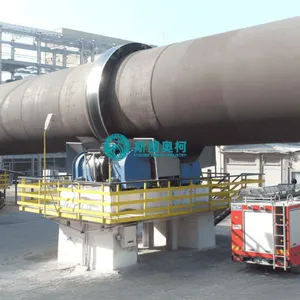
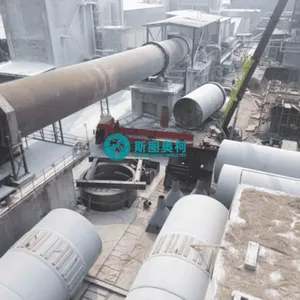
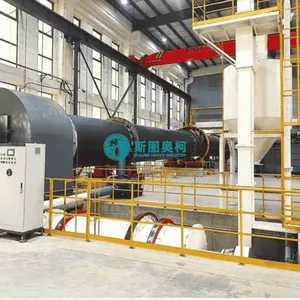
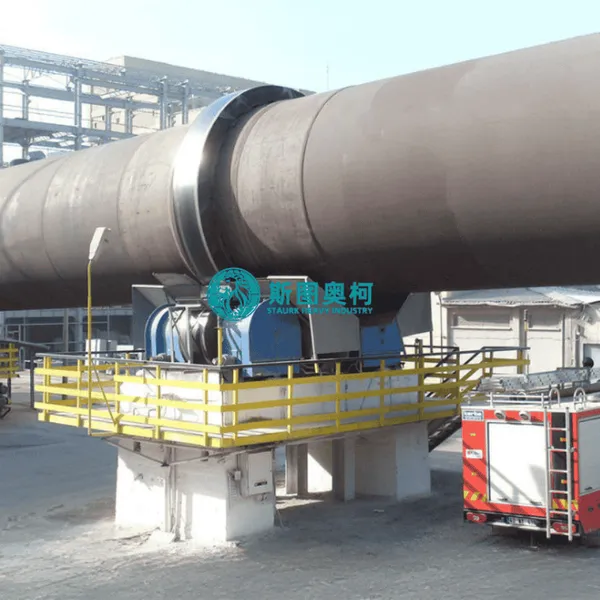
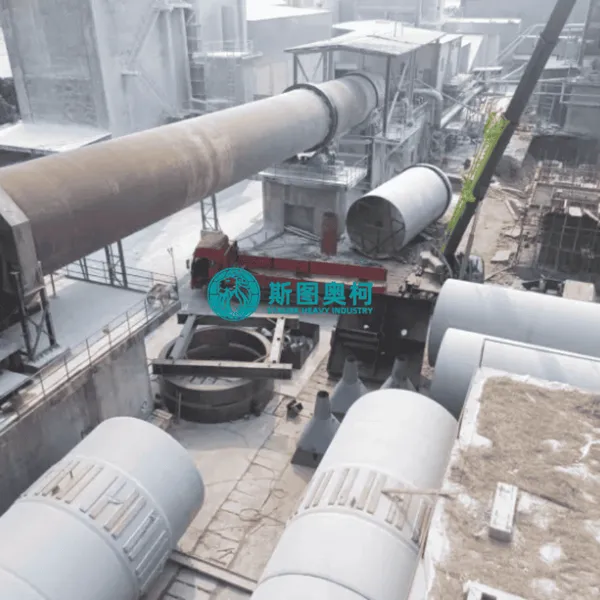
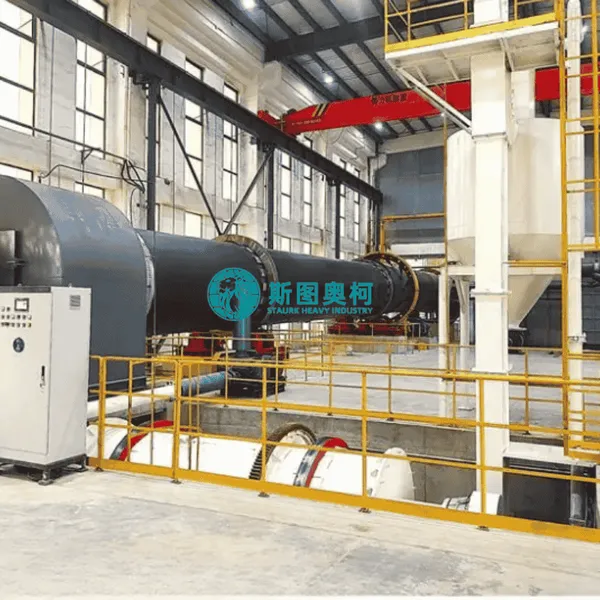
Rotary Kiln for Industrial Byproduct Treatment 300 Tpd



Related Products
-
 Rotary Kiln for Gold Ore Roasting 100 TPDNegotiableMOQ: 1 Set
 -
Rotary Kiln for Bentonite Activation 200 TpdNegotiableMOQ: 1 Set
-
Rotary Kiln for Gypsum Calcination 300 TpdNegotiableMOQ: 1 Set
-
Rotary Kiln for Waste Disposal System 500 TpdUS$ 2000MOQ: 1 Set
-
Rotary Kiln for Alumina Calcination 500 TpdUS$ 2000MOQ: 1 Set
rotary kiln for industrial byproduct treatment 300 tpd
1. Introduction
The 300 TPD (Tons Per Day) Rotary Kiln for Industrial Byproduct Treatment is a heavy-duty thermal processing system engineered for the large-scale reduction, recycling, or decontamination of industrial waste byproducts. Common feedstocks include chemical sludges, hazardous solid wastes, metallurgical dusts/slags, paper mill lime mud, and synthetic gypsum (like phosphogypsum or FGD gypsum).
With a robust processing capacity of 300 tons per day, this rotary kiln serves as a cornerstone for industrial eco-parks and circular economy initiatives. By subjecting these low-value or hazardous byproducts to precise high-temperature processing, the system destroys organic pollutants, immobilizes heavy metals, or alters chemical compositions—effectively transforming industrial liability into reusable, value-added raw materials for the construction, chemical, and agricultural sectors.
2. Working Principle
The treatment of industrial byproducts in a rotary kiln is a continuous pyro-processing procedure. It relies on a counter-current heat exchange design where the material bed moves in the opposite direction of the high-temperature flue gas:
Pre-treatment and Feeding: Raw industrial byproducts (which may be fed as dry solids, filter cakes, or conditioned sludges) are continuously introduced via specialized sealing feeders at the kiln tail (the elevated end of the slightly inclined, rotating steel drum).
Drying and Evaporation : Many industrial byproducts carry high initial moisture. As the material cascades forward through the initial zone of the rotating kiln, it undergoes intense thermal drying, removing unbound and bound moisture.
Thermal Decomposition and Calcination: Moving down into the hot reaction zone (heated by a multi-fuel burner at the kiln head), the material reaches its target process temperature. Depending on the byproduct, this stage drives off volatile organic compounds (VOCs), triggers chemical decomposition (such as desulfurization or decarbonization), or alters the crystal phases of minerals.
Cooling and Secure Discharge: The fully processed material discharges continuously from the kiln head into a rotary or grate cooler, where it is cooled down quickly to safe handling temperatures while recovering heat to preheat the kiln’s secondary combustion air.
3. Advantages
Superior Material Adaptability: Industrial byproducts are notoriously variable in moisture, particle size, and chemical consistency. The dynamic tumbling action of the rotary kiln handles heterogeneous feedstocks—from thick, sticky sludges to fine powders—without the risk of mechanical blinding or clogging.
Complete and Uniform Conversion: The continuous rotating motion ensures the material bed is completely agitated and uniformly heated. This guarantees complete decomposition of hazardous compounds and high-purity phase conversions across the entire batch.
Highly Economical 300 TPD Output: This capacity scale is ideal for centralized industrial treatment centers or mid-to-large-scale manufacturing plants, delivering excellent economies of scale and short return-on-investment (ROI) cycles.
Energy Recovery and Low Operating Costs: If the treated byproducts contain combustible elements (organic matter or carbon fractions), this internal fuel source burns off inside the kiln, drastically reducing external fuel requirements. Furthermore, high-temperature exhaust gases can be directed to a waste-heat recovery boiler to generate plant steam or electricity.
Strict Emissions Compliance: The kiln system is integrated with advanced multi-stage air pollution control devices—including secondary combustion chambers (thermal oxidizers), quench towers, baghouse fabric filters, and wet/dry scrubbers—ensuring complete neutralization of acid gases, dioxins, and particulate matter to meet stringent environmental standards.
Robust Mechanical Design: Built with high-purity, erosion-resistant refractory brick linings and a heavy-duty alloy steel shell, the kiln is engineered to withstand aggressive chemical corrosion (from sulfur, halogens, or alkalies present in waste byproducts) and high thermal stress, ensuring long continuous campaign lifetimes.

Send Inquiry to This Supplier



You May Also Like
-
Rotary Kiln for Low Emission Calcination 500 TpdUS$ 2000 - 80000MOQ: 1 Set
-
Rotary Kiln for Energy Efficient Process 800 TpdUS$ 2000 - 80000MOQ: 1 Set
-
Rotary Kiln for Titanium Dioxide Processing 300 TpdUS$ 2000MOQ: 1 Set
-
Rotary Kiln for Smart Control System 400 TpdUS$ 2000 - 80000MOQ: 1 Set
-
Rotary Kiln for Advanced Thermal Process 500 TpdUS$ 2000 - 80000MOQ: 1 Set
-
Rotary Kiln Turnkey Plant 500 TpdUS$ 2000 - 80000MOQ: 1 Set
-
Rotary Kiln for Phosphate Rock Calcination 500 TpdNegotiableMOQ: 1 Set
-
Rotary Kiln EPC Project 1000 TpdUS$ 2000 - 80000MOQ: 1 Set
-
Rotary Kiln for Fluorite Ore Processing 200 TpdUS$ 2000MOQ: 1 Set
-
Rotary Kiln Complete Production Line 800 TpdUS$ 2000 - 80000MOQ: 1 Set


