








 Contact Platform Support
 Help Center
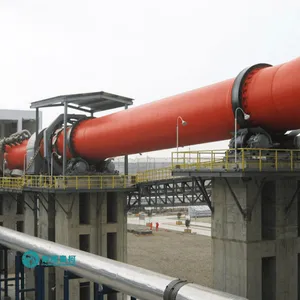
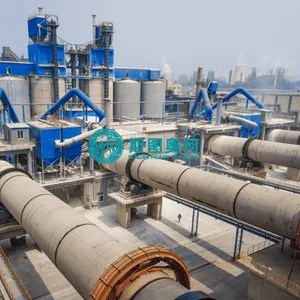
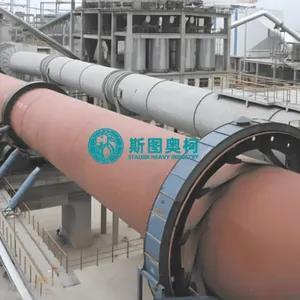
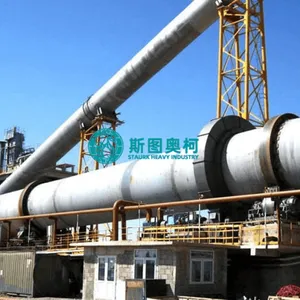
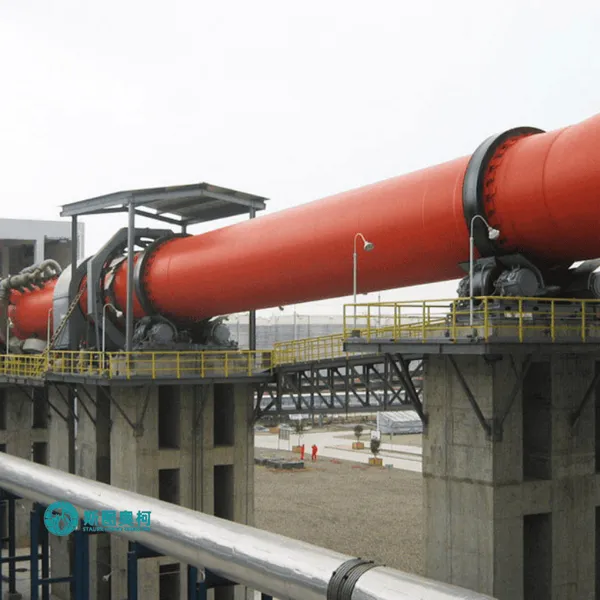
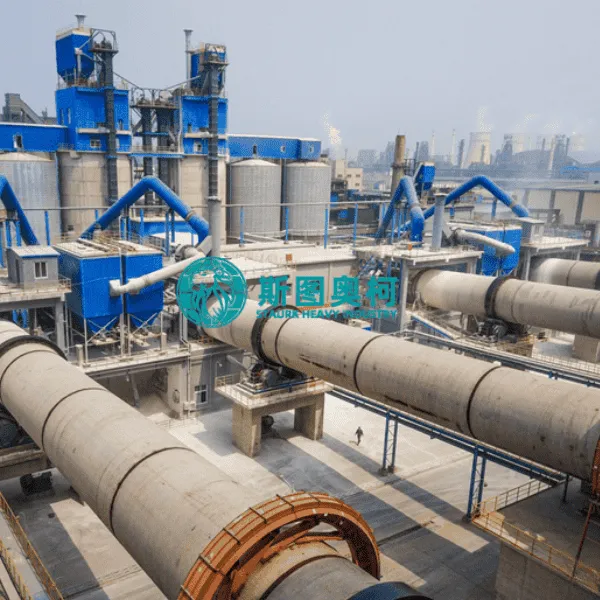
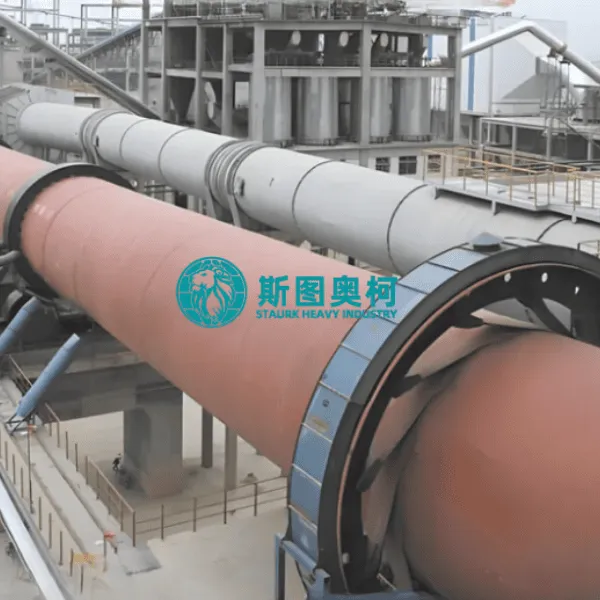
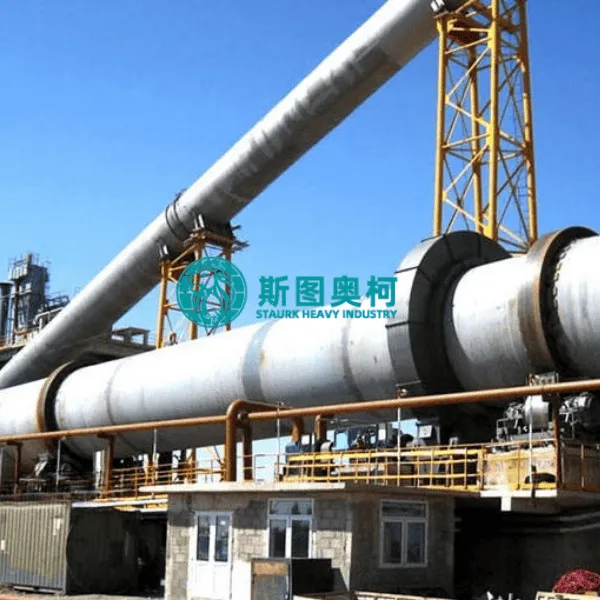
Rotary Kiln for Carbon Black Production 100 Tpd



Related Products
-
 Rotary Kiln for Energy Material Processing 200 TpdUS$ 2000MOQ: 1 Combo
 -
Rotary Kiln for Industrial Byproduct Treatment 300 TpdUS$ 2000MOQ: 1 Set
-
Rotary Kiln for Gold Ore Roasting 100 TPDNegotiableMOQ: 1 Set
-
Rotary Kiln for Bentonite Activation 200 TpdNegotiableMOQ: 1 Set
-
Rotary Kiln for Gypsum Calcination 300 TpdNegotiableMOQ: 1 Set
rotary kiln for carbon black production 100 tpd
1. Introduction
The 100 TPD (Tons Per Day) Rotary Kiln for Carbon Black Production is a specialized thermal processing reactor designed for the industrial-scale synthesis or recovery of carbon black. It functions predominantly in the field of hydrocarbon thermal cracking, oil feedstock processing, and increasingly in environmental circular economies—such as the pyrolysis of end-of-life tires to produce high-value recovered Carbon Black (rCB).
With a target capacity of 100 tons of raw processing material per day, this rotary kiln is engineered to maintain high-temperature stability, a strict oxygen-free (or heavily substoichiometric) atmosphere, and precise residence time control. This ensures that hydrocarbons are completely cracked down into elemental carbon aggregates, serving the global tire, rubber modification, plastics, and ink manufacturing industries.
2. Working Principle
The production or recovery of carbon black inside a rotary kiln is based on high-temperature pyrolysis (thermal cracking without oxygen interaction). The process operates continuously through the following stages:
Material Feeding and Deoxygenation: The raw feed stock (liquid hydrocarbon oils injected via atomized nozzles, or solid shredded rubber/waste polymer matrixes) is continuously introduced through a tightly sealed, nitrogen-purged feeding mechanism at the kiln tail. Removing ambient oxygen is critical to prevent the carbon from combusting into.
Thermal Pyrolysis and Vaporization: As the slightly inclined kiln cylinder rotates slowly, the material rolls forward through steadily increasing temperatures . For solid feeds (like tires), the rubber hydrocarbons vaporize completely into highly energetic synthesis gas (oil vapor and non-condensable gas), leaving behind solid raw carbon aggregates mixed with inorganic steel/ash.
Gas-Solid Phase Separation and Purification: The generated pyrolysis gases are drawn off rapidly to prevent secondary soot reactions. The solid carbon stream proceeds through the kiln and undergoes a high-temperature structural refinement zone to eliminate lingering tar compounds, optimizing the surface area of the primary carbon particles.
Cooling and Post-Processing: The crude carbon black is discharged from the kiln head through an airtight discharge valve into a cooling conveyor. Once cooled under an inert atmosphere to prevent oxidation, it undergoes magnetic separation (to remove wire fragments if recycling tires), fine milling, and pelletization to reach the final product specification.
3. Advantages
Uniform Structure and Particle Consistency: The continuous tumbling action of the rotary kiln prevents material stagnation or localized cold spots. This guarantees that the thermal cracking or surface activation happens uniformly, resulting in carbon black with a consistent DBPA (dibutyl phthalate absorption) structure and specific surface area.
High Feedstock Flexibility: Unlike vertical batch reactors, the rotary kiln can seamlessly process heterogeneous feedstocks—ranging from thick liquid oils to messy, irregularly sized solid tire shreds—without risk of mechanical jamming or uneven heating.
Highly Profitable 100 TPD Capacity: A 100 TPD output scale represents an optimized economic footprint for modern recovered carbon black (rCB) plants and regional waste-recycling hubs, maximizing asset utilization while minimizing logistical overheads.
Energy Self-Sufficiency via Syngas Recycling: Hydrocarbon cracking releases massive amounts of high-calorific tail gases. Modern systems recover this gas stream, clean it through condensed oil separators, and feed it directly into the kiln's combustion jacket or primary burners. This creates a self-sustaining loop that drastically lowers external energy costs during steady production.
Advanced Hermetic Sealing Technology: To protect the carbon black yield from oxidizing and to ensure safe plant operations, the kiln features multi-layered mechanical graphite face seals or spring-loaded metallic seals, maintaining a reliable internal oxygen-free barrier.
Environmentally Green Loop: The closed-loop design captures all volatile organic compounds (VOCs). When integrated with secondary incinerators, waste-heat boilers, and baghouse fabric collectors, the entire 100 TPD processing footprint easily complies with strict international emissions regulations.

Send Inquiry to This Supplier



You May Also Like
-
Rotary Kiln for Waste Disposal System 500 TpdUS$ 2000MOQ: 1 Set
-
Rotary Kiln for Alumina Calcination 500 TpdUS$ 2000MOQ: 1 Set
-
Rotary Kiln for Low Emission Calcination 500 TpdUS$ 2000 - 80000MOQ: 1 Set
-
Rotary Kiln for Energy Efficient Process 800 TpdUS$ 2000 - 80000MOQ: 1 Set
-
Rotary Kiln for Titanium Dioxide Processing 300 TpdUS$ 2000MOQ: 1 Set
-
Rotary Kiln for Smart Control System 400 TpdUS$ 2000 - 80000MOQ: 1 Set
-
Rotary Kiln for Advanced Thermal Process 500 TpdUS$ 2000 - 80000MOQ: 1 Set
-
Rotary Kiln Turnkey Plant 500 TpdUS$ 2000 - 80000MOQ: 1 Set
-
Rotary Kiln for Phosphate Rock Calcination 500 TpdNegotiableMOQ: 1 Set
-
Rotary Kiln EPC Project 1000 TpdUS$ 2000 - 80000MOQ: 1 Set


