








 Contact Platform Support
 Help Center
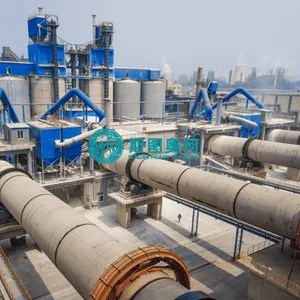
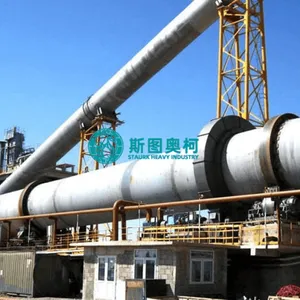
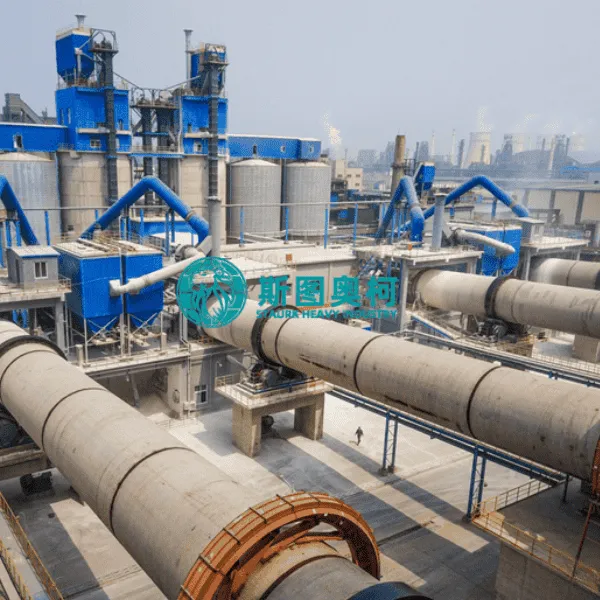
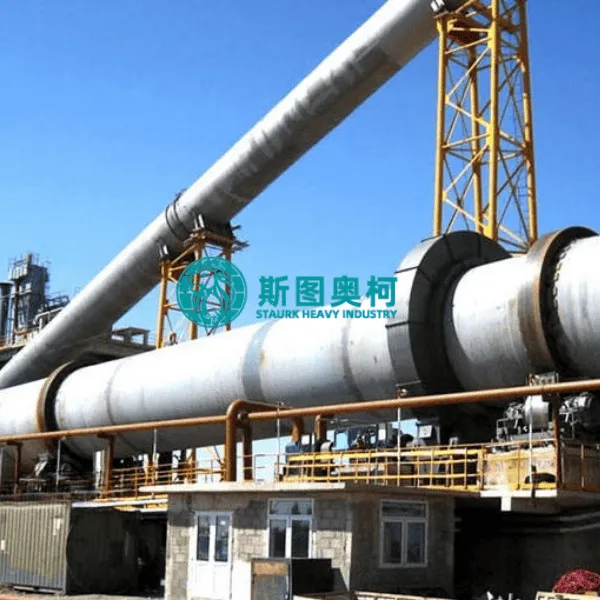
Rotary Kiln for Carbon Material Processing 300 Tpd



Related Products
-
 Biomass Rotary Dryer ManufacturerNegotiableMOQ: 1 Set
 -
Wood Chip Dryer Machine SupplierNegotiableMOQ: 1 Set
-
Rotary Kiln for Carbon Black Production 100 TpdUS$ 2000MOQ: 1 Set
-
Rotary Kiln for Energy Material Processing 200 TpdUS$ 2000MOQ: 1 Combo
-
Rotary Kiln for Industrial Byproduct Treatment 300 TpdUS$ 2000MOQ: 1 Set
rotary kiln for carbon material processing 300 tpd
1. Introduction
The 300 TPD (Tons Per Day) Rotary Kiln for Carbon Material Processing is a heavy-duty industrial thermal processing system designed for the high-temperature treatment of various carbonaceous materials. This equipment acts as a critical unit operation in the production chains for lithium-ion battery anodes, aluminum smelting cathodes, graphite electrodes, and advanced structural carbon products.
With a mid-to-large-scale processing capacity of 300 tons per day, this rotary kiln is engineered to modify the physical and chemical properties of carbon materials. It efficiently drives off moisture and volatile organic compounds (VOCs), shrinks and densifies the structural matrix, and improves crystalline order—transforming raw carbon precursors into highly conductive, chemically stable industrial materials.
2. Working Principle
The processing of carbon materials inside a rotary kiln is typically a continuous, high-temperature pyro-processing mechanism that uses counter-current heat distribution to maximize efficiency:
Material Preparation & Feeding: Raw or pre-treated carbon material (such as green petroleum coke or carbon briquettes) is introduced via a metered feeding system (e.g., weighing belt and water-cooled screw conveyor) into the kiln tail (the elevated end of the slightly inclined, rotating steel drum).
Controlled Heating & Devolatilization: As the material advances slowly downward due to the kiln's slope and rotation, it passes through increasing temperature zones. In the initial zones , residual moisture and highly volatile hydrocarbons are vaporized out of the material bed.
High-Temperature Calcination & Structural Realignment: The material enters the primary calcination zone, which is heated by a high-momentum multi-fuel burner at the kiln head. In this zone, complex hydrocarbon molecular chains crack completely, remaining hydrogen and sulfur are volatilized, and the carbon structures undergo microcrystalline shrinkage and realignment, increasing the material's real density and electrical conductivity.
Discharge & Inert Cooling: The red-hot processed carbon is discharged continuously from the kiln head into a sealed rotary or grate cooler. It is cooled down to safe handling temperatures under an indirect air system or micro-water mist to prevent the carbon from oxidizing or catching fire upon atmospheric exposure.
3. Advantages
Superior Homogeneity & Uniformity: The continuous cascading and rolling motion of the carbon bed inside the drum guarantees that all particles are exposed to identical radiative and convective heat profiles. This eliminates localized structural differences, yielding product with exceptionally consistent real density, electrical resistivity, and grain size.
Versatile Thermal Tuning: The kiln can be finely calibrated to match various material processing requirements—whether the application requires basic devolatilization at or high-temperature structural shrinkage up to .
Optimized 300 TPD Output Scale: A 300 TPD capacity provides an excellent balance between capital expenditure (CAPEX) and high-volume industrial demand, making it perfect for dedicated refinery installations or large-scale graphite material processing hubs.
Combustible Volatile Utilization (Self-Heating): Carbon material processing releases an abundance of high-calorific volatile gases. Advanced designs channel these gases directly back into the combustion air stream inside the kiln shell. This self-sustaining thermal design slashes external fuel requirements (such as natural gas or fuel oil) during steady operation, minimizing energy bills.
4.Mechanical Integrity & Environmental Control
Advanced Multi-Zone Refractory Lining: To withstand high abrasive wear from cascading carbon and aggressive thermal stresses, the kiln is lined with dual-layer refractory configurations (e.g., high-purity insulating blocks combined with anti-spalling high-alumina working linings), guaranteeing long campaigns between maintenance cycles.
High-Integrity Hermetic Sealing: Carbon processing requires strict atmosphere management to protect product yield. The kiln features specialized mechanical graphite ring seals or double-layer spring steel seals at both ends to minimize ambient oxygen infiltration and contain flue gases.
Eco-Compliant Flue Gas Systems: Integrated with secondary combustion chambers (incinerators), waste-heat recovery boilers, dry or wet electrostatic precipitators (ESPs), and DeNOx/DeSOx scrubbing towers, the entire processing loop operates well within modern global environmental emission standards.

Send Inquiry to This Supplier



You May Also Like
-
Rotary Kiln for Gold Ore Roasting 100 TPDNegotiableMOQ: 1 Set
-
Rotary Kiln for Bentonite Activation 200 TpdNegotiableMOQ: 1 Set
-
Rotary Kiln for Gypsum Calcination 300 TpdNegotiableMOQ: 1 Set
-
Rotary Kiln for Waste Disposal System 500 TpdUS$ 2000MOQ: 1 Set
-
Rotary Kiln for Alumina Calcination 500 TpdUS$ 2000MOQ: 1 Set
-
Rotary Kiln for Low Emission Calcination 500 TpdUS$ 2000 - 80000MOQ: 1 Set
-
Rotary Kiln for Energy Efficient Process 800 TpdUS$ 2000 - 80000MOQ: 1 Set
-
Rotary Kiln for Titanium Dioxide Processing 300 TpdUS$ 2000MOQ: 1 Set
-
Rotary Kiln for Smart Control System 400 TpdUS$ 2000 - 80000MOQ: 1 Set
-
Rotary Kiln for Advanced Thermal Process 500 TpdUS$ 2000 - 80000MOQ: 1 Set


