








 Contact Platform Support
 Help Center
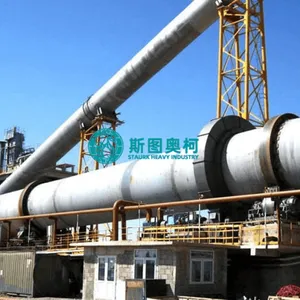
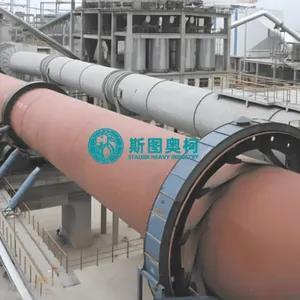
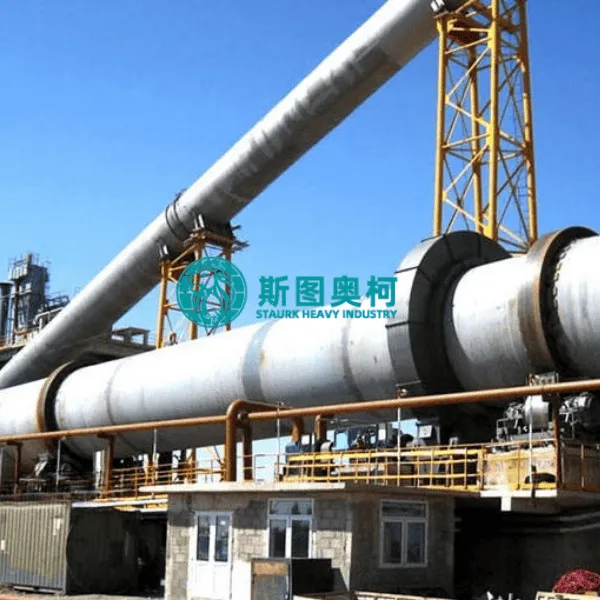
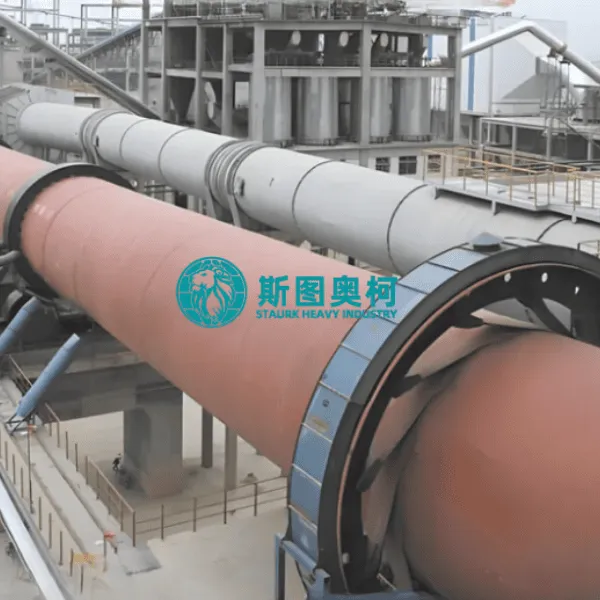
Rotary Kiln for Carbon Activation 100 Tpd



Related Products
rotary kiln for carbon activation 100 tpd
1. Introduction
The 100 TPD (Tons Per Day) Rotary Kiln for Carbon Activation is a specialized thermal processing system engineered to convert raw carbonaceous material (such as carbonized coconut shells, wood charcoal, or coal-based briquettes) into high-porosity activated carbon.
With a tailored 100 TPD raw material processing capacity, this kiln is highly sought after in the environmental, water purification, food & beverage, and chemical processing industries. It utilizes physical activation (high-temperature steam or carbon dioxide gas) to develop a massive internal surface area and microscopic pore network within the carbon matrix, transforming raw charcoal into a powerful adsorbent.
2. Working Principle
The physical activation of carbon inside a rotary kiln relies on controlled, partial oxidation under high temperatures. The system operates as a continuous, multi-stage thermodynamic process:
Feeding and Preheating: Raw carbonized material is metered through a screw feeder into the elevated kiln tail. As the inclined cylinder rotates slowly, the material advances toward the lower kiln head. In the first section, any residual moisture or remaining volatile matter is driven off.
High-Temperature Steam Activation: As the material enters the activation zone, temperatures are raised to . Superheated steam () or carbon dioxide () is injected directly into this zone via dedicated steam ducts.
Pore Development (The Chemical Reaction): The steam reacts endothermically with the carbon atoms on the surface and internal structure of the material:
This highly controlled reaction burns away disorganized carbon atoms and unblocks tarry deposits, etching out millions of micro-, meso-, and macro-pores, which drastically expands the specific surface area (often exceeding ).
Cooling & Airtight Discharge: The freshly activated carbon discharges continuously into an airtight cooling pipe or rotary cooler. It must be cooled rapidly in an oxygen-free environment to prevent the material from catching fire and burning to ash.
3. Advantages
Superb Pore Development and High Iodine Value: The continuous tumbling action inside the rotating drum exposes every individual carbon granule uniformly to the activating steam. This uniform exposure guarantees precise control over the pore-size distribution and ensures high iodine and methylene blue adsorption values.
Versatile Material Processing: The rotary kiln can handle various feedstocks—ranging from fine coal granules to irregularly shaped coconut shells or wood chips—with minimal risk of material clogging.
Ideal Capacity for Premium Markets: A 100 TPD capacity strikes the perfect balance for specialty carbon producers. It delivers excellent economy of scale while allowing operators to switch raw material batches or customize activation parameters for specific market grades (e.g., water treatment vs. gold recovery grades).
Self-Sustaining Energy Loop: The water-gas reaction yields flammable syngas ( and ). Modern activation systems route these gases to a secondary combustion chamber or incinerator. Burning this tail gas generates the heat required to run the kiln and fuel the waste-heat boiler for steam generation, slashing external fuel costs to near zero during steady-state operation.

Send Inquiry to This Supplier



You May Also Like
-
 Industrial Kaolin Drying MachineNegotiableMOQ: 1 Set
 -
High Efficiency Kaolin Rotary DryerNegotiableMOQ: 1 Set
-
20TPH Kaolin Dryer PlantNegotiableMOQ: 1 Set
-
China Kaolin Dryer SupplieNegotiableMOQ: 1 Set
-
Rotary Kiln for Carbon Material Processing 300 TpdUS$ 2000MOQ: 1 Set
-
Biomass Rotary Dryer ManufacturerNegotiableMOQ: 1 Set
-
Wood Chip Dryer Machine SupplierNegotiableMOQ: 1 Set
-
Rotary Kiln for Carbon Black Production 100 TpdUS$ 2000MOQ: 1 Set
-
Rotary Kiln for Energy Material Processing 200 TpdUS$ 2000MOQ: 1 Combo
-
Rotary Kiln for Industrial Byproduct Treatment 300 TpdUS$ 2000MOQ: 1 Set


