








 Contact Platform Support
 Help Center
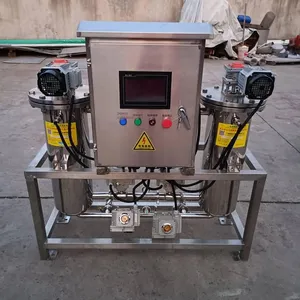
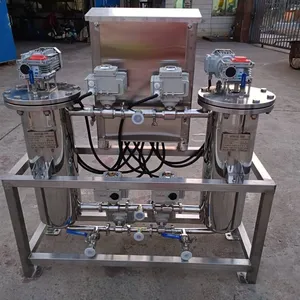
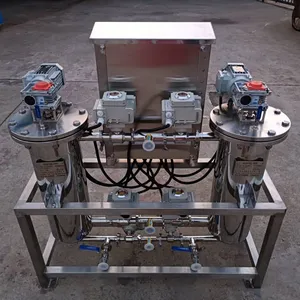
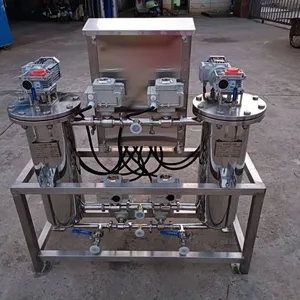
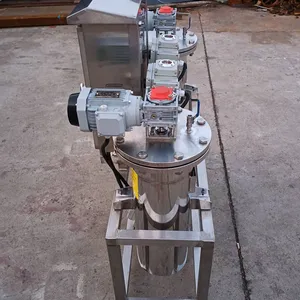
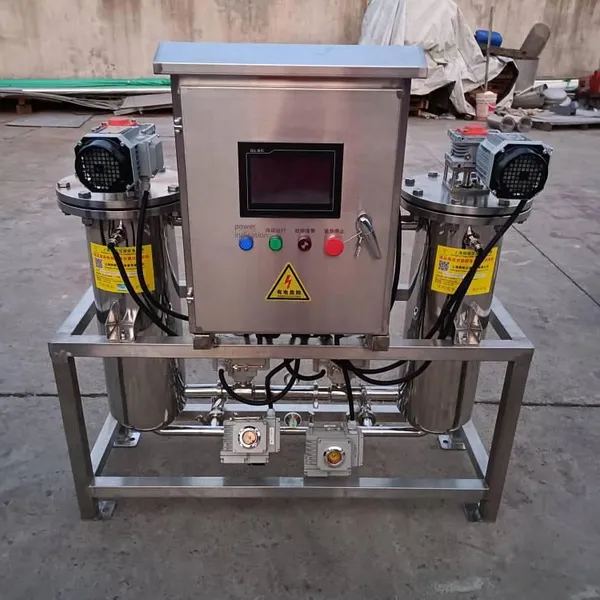
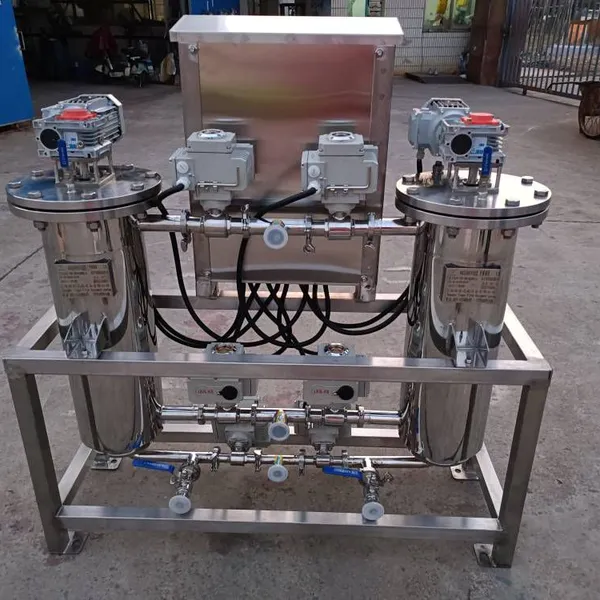
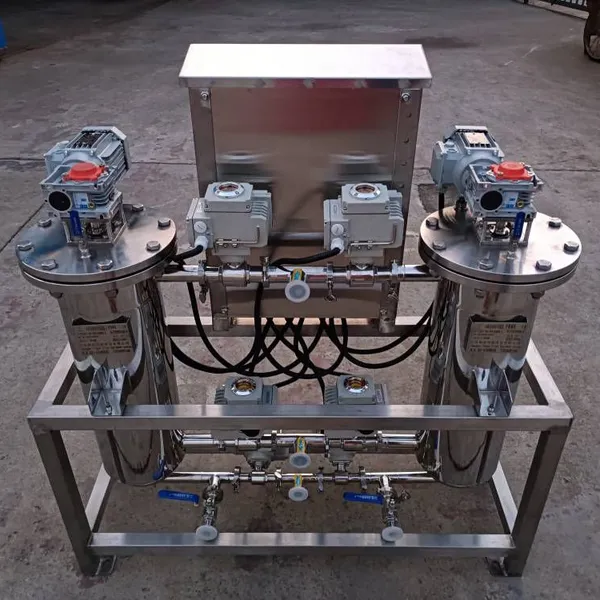
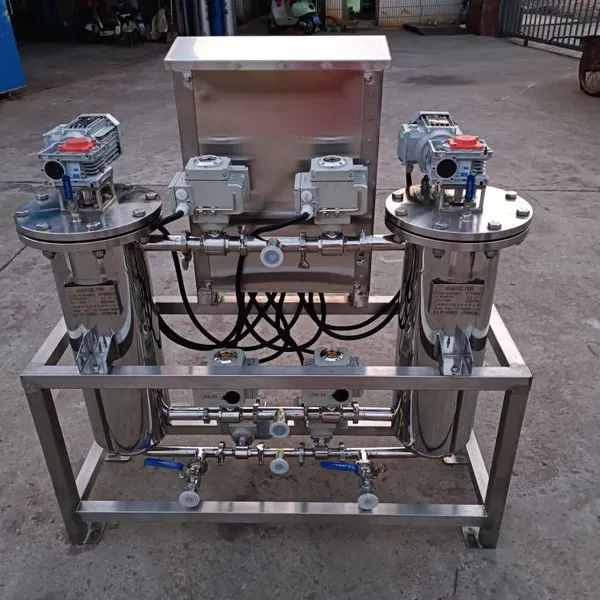
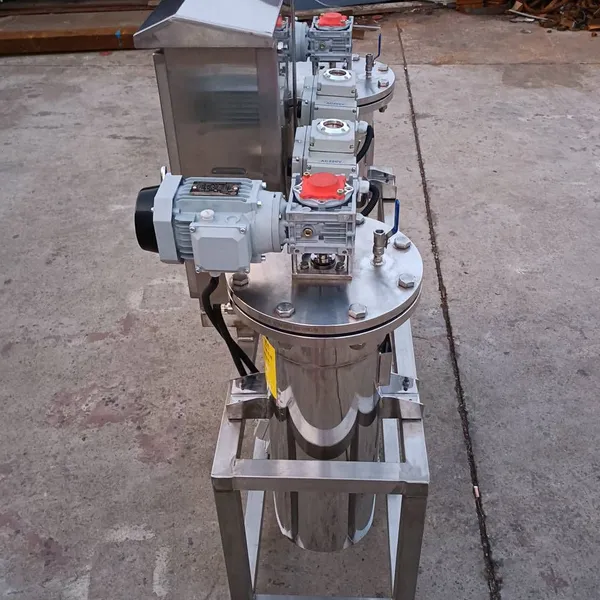
Double Automatic Scraper Filter, Automatic Self-cleaning Filter, Self-cleaning Filter Produced by Yingsu


Related Products
-
 Double-link Scraper Self-cleaning Filter, Scraper Self-cleaning Filter, Model Yjf-0110-304-20umNegotiableMOQ: 0 Piece
 -
Ylf-219-304-f80p1.0 Silicone Powder Decolorization Filter, Basket FilterNegotiableMOQ: 0 Piece
-
Yjf-0110-304-19 Stainless Steel Filter Produced by Yingsu, Stainless Steel Precision FilterNegotiableMOQ: 0 Piece
-
Yjf-0110-304-f20p1.0 Stainless Steel Filters Produced by Yingsu, Stainless Steel Precision Filters, Etc.NegotiableMOQ: 0 Piece
-
Yslf-219-304-f80 Basket Filter Produced by Yingsu, Stainless Steel Filter, Stainless Steel Basket, Etc.NegotiableMOQ: 0 Piece
Fully automatic self-cleaning filters, as important equipment for filtering and purifying fluids in the industrial field, play a crucial role in many industries such as chemical engineering, pharmaceuticals, food processing, and water treatment. Its working principle is based on the ingenious application of different filtration methods and technologies to achieve an efficient and stable filtration process.
Structural Composition
Fully automatic self-cleaning filters are usually composed of a filter housing (filter barrel), filter screen, motor, differential pressure sensor, controller, and drain valve. The filter housing is generally made of 304 or 316 stainless steel, carbon steel lined with rubber, or engineering plastics (such as UPVC), which has good corrosion resistance and sufficient strength to withstand the working pressure of the system. The filter screen is the core component of filtration. Its material and pore size determine the filtration accuracy. Common filter screen materials include stainless steel mesh, polyester fiber, and microporous ceramics. The motor is used to drive the cleaning device to achieve automatic cleaning of the filter screen. The differential pressure sensor is used to monitor the differential pressure between the inlet and outlet of the filter screen, providing a basis for judging whether the filter screen is blocked and whether cleaning is required. The controller controls the actions of the motor and drain valve according to the signal from the differential pressure sensor to achieve the function of fully automatic self-cleaning. The drain valve is used to discharge the impurities removed from the filter screen surface during the cleaning process.
Filtration Process
The fluid to be filtered enters the inside of the filter from the side or bottom inlet of the filter housing. Under the action of pressure, the fluid flows towards the filter screen, and at this time, the filter screen plays its interception role. The pore size of the filter screen is carefully designed to intercept impurities such as solid particles, suspended solids, and colloidal particles larger than the pore size in the fluid outside the filter screen. For example, in chemical production, when a chemical solution containing various metal particles and impurities passes through the filter screen, large particle impurities are blocked on the surface of the filter screen, while molecules and ions smaller than the pore size of the filter screen pass through the filter screen with the fluid. The filtered clean fluid is collected from the inside of the filter screen and then flows out from the top or side outlet of the filter to enter the subsequent process. For example, in the pharmaceutical industry, the liquid medicine filtered by the filter screen contains almost no visible particulate impurities, ensuring the purity and quality of the medicine.
Backwashing Process
As the filtration process continues, more and more impurities accumulate on the surface of the filter screen, resulting in a gradual increase in the filtration resistance of the filter screen, which is manifested as an increase in the differential pressure between the inlet and outlet. When the differential pressure sensor detects that the differential pressure reaches the preset value, it transmits the signal to the controller. After receiving the signal, the controller starts the backwashing program. The controller closes the outlet valve and opens the drain valve at the same time, reducing the pressure inside the filter. The motor drives the cleaning device to start running. The cleaning device usually uses brushes, scrapers, or water jets to clean the surface of the filter screen. The brushes or scrapers rotate or move along the surface of the filter screen driven by the motor to scrape off the impurities attached to the surface of the filter screen. The water jet uses high-pressure water flow to impact the surface of the filter screen to wash the impurities away from the filter screen. During the cleaning process, the removed impurities are discharged out of the filter through the drain valve with the water flow. When the cleaning reaches a certain time or the differential pressure returns to the normal range, the controller stops the motor, closes the drain valve, and opens the outlet valve at the same time, and the filter re-enters the normal filtration state.
Special Filtration Mechanisms
In addition to the above basic filtration and backwashing processes, fully automatic self-cleaning filters may also adopt some special filtration mechanisms to improve the filtration effect. For example, in-depth filtration. In this mode, the fluid will pass through one or more layers of porous materials, which have a large surface area and can capture and retain smaller particles. Some filter media also have an adsorption effect, which can adsorb organic matter or other specific types of impurities in the fluid. Some filter media use the electrostatic effect to attract particles with opposite charges, thereby improving the filtration efficiency. In some applications with extremely high requirements for filtration accuracy, multi-layer composite filter screens are also used. The filter screens of different layers have different functions and pore sizes, which can perform multi-stage filtration on the fluid and further improve the filtration accuracy and effect.
Influencing Factors and Maintenance
The performance of fully automatic self-cleaning filters will be affected by various factors. Filtration accuracy refers to the minimum particle size that the filter can capture, which depends on the pore size of the filter screen. Different application scenarios have different requirements for filtration accuracy. Flow rate is also an important factor. An excessively high flow rate may lead to a decline in the filtration effect because the fluid stays on the surface of the filter screen for too short a time and the impurities have no time to be completely intercepted. Temperature and pressure also have an impact on the filter. Different filter media have different working temperature and pressure ranges. Exceeding this range may cause damage to the filter screen or a decline in filtration performance. The properties of the fluid, such as viscosity and chemical composition, also affect the filtration effect. For example, a high-viscosity fluid may increase the filtration resistance.
In order to ensure the continuous and stable operation of the fully automatic self-cleaning filter, regular maintenance and upkeep are essential. In addition to the automatic backwashing program, it is also necessary to regularly check the wear of the filter screen. When the filter screen reaches the end of its service life or can no longer effectively filter, it should be replaced in time. It is necessary to regularly clean the dirt and impurities inside the filter, check the working status of components such as the motor, differential pressure sensor, and controller to ensure their normal operation. For some dirt that is difficult to clean, chemical reagents can be used for cleaning, but attention should be paid to selecting appropriate reagents to avoid damage to the filter screen and the filter.

Send Inquiry to This Supplier

You May Also Like
-
Silicone Powder Filter Yzyf-219-5l-304-k25, Silicone Powder Testing Machine, Produced by YingsuNegotiableMOQ: 0 Piece
-
High-pressure Precision Gas Filter Produced by Yingsu. High-pressure Filter Yjf-0310-316-k80NegotiableMOQ: 0 Piece
-
Yjf-0110-304-20um Ying su Double Bag Filter, Pipeline Precision FilterNegotiableMOQ: 0 Piece
-
Double Bag Filtration, Bag Filter, Stainless Steel Bag Filter Model Ydf - Bn2 - 304 - F50NegotiableMOQ: 0 Piece
-
Double Self-cleaning Filter Ylf-219-304-f50-400m Double Bag Filter Pipeline FilterNegotiableMOQ: 0 Set
-
Ytf-0110-304-f50 Pipeline Precision Filter, Basket Filter, T-type Filter Produced by YingsuNegotiableMOQ: 0 Piece
-
Ylf-219-304-f50 Stainless Steel Filter, Basket Filter, Ylf-220-304-f100NegotiableMOQ: 0 Piece
-
Ylf-219-304-f50-400m Basket Filters Produced by Yingsu, Pipeline Basket Filters, Etc.NegotiableMOQ: 0 Piece
-
Parallel Bag Filter, Double Bag Filter, Model Ydf-bn2-316-lw63p0.6NegotiableMOQ: 0 Piece
-
Pipe Filter Ylf-219-304-f50-400m Double Bag Filter, Etc.NegotiableMOQ: 0 Set


