Water Treatment Insights & Buyer's Guide
Water treatment is one of the most conspicuous situations for public health and environmental conservation. Whenever populations increase and industry extends, the need for clean and safe drinking water also increases, triggering an escalation in the operation of water treatment among others. Water treatment becomes necessary because it is the art of transforming raw water into potable water according to certain stringent drinking-water standards. Thus, water purification plants prove to be indispensable in this context, incorporating advanced treatment systems to remove impurities and contaminants from water. Yet, water treatment is not only for consumption but also for the ecological good of the water systems and the economic well-being of the communities that depend on secure water supplies. This article discusses the importance of water treatment in different facets, starting with its contribution to health, environment, and economy.
The Importance of Water Treatment
Public Health and Safety
Water treatment lies at the very basis of public health; it oversees the removal of pathogenic organisms and chemical impurities from water meant for human consumption. Water treatment plants work painstakingly to ensure tap water is fit for consumption by observing strict regulations that govern drinking water. The Safe Drinking Water Act requires public water systems to be regulated, and sets standards for drinking water to guard from contaminants. Additionally, home water treatment gives an extra layer of defense: testing can be done to identify water specifics and to resolve related impurities. Thus, all these are measures set up to protect against waterborne diseases, particularly discriminating against those who are vulnerable. With a new technology emerging, water treatment professionals have to be there to protect all water sources, water fit for human consumption, and a robust public water system.
Environmental Impact
Water treatment exercises environmental implications of great importance for the sustenance of ecosystems and natural resources. All treatment processes are designed to minimize pollution loads arising from wastewater treatment or to conserve water resources from being degraded. Within a water treatment plant, individual treatment units serve to tackle specific pollutants in the source water to a stage where the resultant treated water can support life forms in an ecological setting. The economic and ecological degradation brought about by inefficient or obsolete treatment method actions, conversely, spur the development of treatment technology. Water treatment with care will reduce the ecological footprint of any community so that natural water systems will remain viable for future generations. This framework for ecological sustainability is vital in abating the effects resulting from water quality deterioration.
Economic Benefits
The building of robust water treatment facilities offers great economic benefits to community resilience and economic growth. A dependable water treatment facility provides consistent quality of water; therefore, industries find it attractive for their standard operations. Their economic benefits equally reduce medical costs related to waterborne diseases, reduce incidences of waterborne diseases by providing good drinking water, and provide good drinking water. Management of treatment methods leading to efficient use of resources continues to reduce operational costs and sustain economic viability. The Water Quality Association and related groups are involved the economic development with a sound water management standpoint. In investing in water treatment, economic prosperity may be furthered by municipalities, which in turn would bestow benefits to both commercial and public sectors.
Understanding the Water Treatment Process
Stages of Water Treatment
Water treatment is an elaborate series of stages aimed at converting raw water into safe drinking water conforming to drinking water standards. Every stage in the water treatment system is crucial; therefore, ensuring that water in the city is fit for human consumption as per the regulations in the Safe Drinking Water Act. The treatment process comprises the following steps:
Coagulation and Flocculation: Chemicals are added to cause the contaminants to clump together into larger particles that can be easily removed.
Sedimentation: The particles settle down at the base of a treatment unit.
Filtration: Water passes through filters of sand, charcoal, and gravel to remove remaining impurities.
Disinfection: The most common methods are chlorination or ultraviolet light, which destroy any remaining pathogens.
Raw Water Sources
Raw water is the first input in the water treatment process. It can come from a variety of natural sources, each posing different challenges and calling for different treatment strategies. The usual raw water sources are rivers, lakes, reservoirs, and underground aquifers. Such sources may contain varying quantities of organic material, minerals, and contaminants requiring treatment in the water plant. Surface waters, such as rivers and lakes, are considered vulnerable to pollution via seasonal variations and so require alternative treatment methods. Groundwaters, on the other hand, are considered fairly safe from chemical contamination but could have dissolved minerals in them, requiring some other sort of treatment, like water softeners. The water treatment plant must have a good conception of the raw water source to efficiently design a treatment plant that guarantees high-quality water and fulfills drinking water regulations.
Advanced Treatment Technologies
The development of treatment technologies in major areas has changed the water treatment industry, providing very efficient and sustainable treatment methods. Recent correlated advances with reverse osmosis and new filtration have enabled water treatment plants to remove many more types of contaminants, from heavy metals to microplastics. To further lessen the environmental impact, green treatment methods and low-energy treatment units are being adopted increasingly by new treatment plants. On the other side, with the advent of digital technology, including AI and IoT, the entire treatment process is monitored in real-time and optimized not only to increase efficiency but also to improve water quality. These advances, therefore, would become indispensable in facing newer challenges in the field of water treatment to keep public water systems dependable and sustainable in the light of increasing demand and environmental pressures.
Home Water Treatment Systems
Types of Home Treatment Solutions
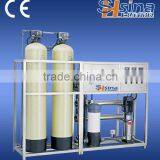
Home water treatment systems offer a variety of solutions tailored to address specific water quality issues, ensuring that tap water meets drinking water standards. Knowing these options will help consumers make the best choice for their homes and ensure safe and high-quality drinking water. The following are some of the common types of home water treatment systems:
From simple carbon-based water filters to advanced reverse osmosis systems, these home water treatment systems are designed to work for any household's water treatment needs.
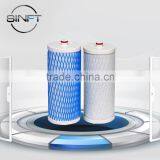
Activated carbon filters are among the most common units that may remove chlorine and organic compounds.
Water softeners are the most common for treating hard water by lowering hardness minerals.
UV disinfection systems serve as an added protection by disinfecting and eliminating microbial contaminants without chemicals.
Multi-stage filtration systems use a combination of treatment methods to remove a wider array of impurities from the water supply.
Advantages of Home Water Treatment
Home water treatment systems offer innumerable benefits both for health and for convenience. These systems provide a sense of security from toxic contaminants in water that can form the basis of drinking water regulations. They might also provide a solution to contaminants in a private water supply that threaten human health (for example, pesticides, heavy metals, or pathogens). Furthermore, a home water treatment system can help remove tastes, odors, and discoloration from tap water to make it more enjoyable for everyday use. Some of them might include:
Saving the cost of bottled water and other expenses associated with hard water damaging household appliances.
Improving the taste, odor, and appearance of tap water, making it more palatable for everyday use.
After all, home water treatment systems put water quality in the hands of consumers, warranting that their household water system always discharges safe and pleasant-to-drink water.
Making the Choice
Choosing the appropriate home water treatment system must be done by factoring various elements into consideration, such as water quality, specific contaminants, and household needs. Conducting a water test will identify the impurities present in the water supply and assist in choosing methods of treatment. Homeowners should look at the capacity and efficiency of systems that they may be installing to ensure they will be able to meet the demand of household water systems. At the same time, it is of utmost importance to consider the upkeep and cost of operations of each system. Seeking advice from water treatment professionals, as well as reviewing references by the water quality association, would give insight into the capabilities of various systems. With such an informed choice by consumers, the water treatment solution installed will not only address the present needs of water treatment but will also adapt to future changes in water quality standards and regulations.
Environmental Sustainability in Water Treatment
Eco-Friendly Treatment Methods
Water treatment stands at the centre of environmental sustainability, where eco-friendly treatment methods build on the premise of prioritizing sustainability and the least environmental impact. The focus is on utilizing natural processes and modern technologies to treat water with less energy consumption and chemical usage. Constructed wetlands present an example of eco-friendly water treatment: the wastewater flows through shallow ponds wherein the interaction of plants and microbes removes contaminants, a truly natural alternative to conventional treatment systems. Additionally, the use of green infrastructure, such as permeable pavement and rain gardens, to treat stormwater also diminishes the load on local municipal water treatment facilities. When eco-friendly treatment methods go into operation in water treatment plants, the overall carbon footprint decreases alongside the goodwill of keeping water quality and ecosystem integrity intact in the face of increasingly stringent water standards and regulations.
Pollution Prevention and Waste of Resources
Preventing pollution and wastage of resources is most important from the viewpoint of modern water treatment, as inefficient treatment practices aggravate environmental degradation and scarcity of resources. Water treatment plants are embracing closed-loop operations, which recycle and reuse the water within the plant to very much reduce the demand for fresh raw water and the generation of wastewater. Advanced filtration systems and membranes that maximize the efficiency of the treatment units enable the removal of pollutants while conserving water resources. Further, process optimization through real-time monitoring and automation enables the detection of inefficiencies, thereby reducing energy consumption. These practices make water treatment systems greener and also support public water system goals that rally toward safeguarding natural resources for the next generation, thereby emphasizing sustainable water management.
Implications of Inefficacy in Treatment
When treatment processes are inefficient, the repercussions on both the environmental and public health realms can be extensive. Without the aid of modern technologies and methods, contaminants are often not sufficiently treated, and partly treated water is discharged into natural water bodies for disposal. Pollution becomes a serious issue, damaging water bodies and disrupting local biodiversity. Moreover, inefficiency entails a hike in the cost of operation and consumption of resources, so that inefficiency increasingly means a burden to water treatment facilities and local government. All these end effects of inefficiencies call for the contemplation of innovations and investments in advanced systems. Prioritizing the reopening of older water treatment works and equipping them with the latest technologies, therefore, can keep communities going that protect water quality, comply with drinking water standards, and ensure the maintenance of environmental integrity.
Frequently Asked Questions (FAQs)
What is a drinking water treatment plant?
A drinking water treatment plant is a facility designed to purify and treat water before it is distributed to the public. These plants utilize various water treatment technologies to ensure that the city’s water meets safety standards. Processes such as coagulation, sedimentation, filtration, and disinfection are employed to remove contaminants. The finished water is then tested for quality to ensure it is safe for consumption. Understanding how these plants operate can help residents appreciate the complexities involved in providing clean drinking water.
How do treatment units contribute to water quality?
Treatment units play a crucial role in maintaining drinking water quality by employing specific treatment procedures tailored to the contaminants present. These units can include filtration systems, disinfection devices, and chemical dosing systems that work together to ensure the water is safe. By utilizing advanced water treatment technologies, treatment units can effectively reduce harmful substances and improve the overall treatment of the water. Homeowners can also install treatment units to treat water at one faucet, enhancing the safety of the water you use for drinking.
How can I test my water for quality?
Testing your water is essential to ensure it meets the necessary drinking water quality standards. You can purchase water testing kits that analyze various parameters, including contaminants and chemical levels. Additionally, you may opt to hire professional services that specialize in analyzing the city’s water supply for safety and purity. Regular testing helps in identifying issues that may affect the quality of your drinking water, enabling you to take appropriate actions to address any contaminants found. This proactive approach can prevent potential health risks associated with untreated water.
What are the common water treatment procedures?
Water treatment procedures vary based on the source of water and the contaminants present. Common procedures include coagulation, sedimentation, filtration, and disinfection. These methods are employed to remove particles, pathogens, and chemicals from water, ensuring that the final product is clean and safe for consumption. Additionally, some treatment plants may perform advanced processes to treat river water or industrial water supply, making it suitable for drinking. Understanding these procedures can help consumers appreciate the efforts made to ensure the water they drink is safe.