








 Contact Platform Support
 Help Center
What Are the Difficulties in Doing EN 13501-2 Fire Resistance Testing on Double-glass Photovoltaic Panels?


Related Products
-
 Which Level of Fire Test Does PVC Plastic Have to Comply With According to DIN 4102-1?NegotiableMOQ: 1 Piece
 -
Learn About the Precautions for Applying for AS1530.4 Fire Resistance Test for Fire Doors in One MinuteNegotiableMOQ: 1 Piece
-
Share the Details of Applying ASTME 108 Flame Spread Class A Test for Photovoltaic PanelsNegotiableMOQ: 1 Piece
-
Is EN 13501-1 A1/A2/B/C/D/E/F the EU CE Certification Standard?NegotiableMOQ: 1 Piece
-
Benefits of Engineered Wood Flooring: Learn About the EN 14342 System 3 Certification ProcessNegotiableMOQ: 1 Piece
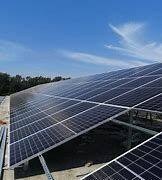
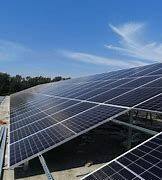
The structure of double-glass photovoltaic panels:
Glass cover, packaging materials, solar cells, glass back, frame, junction box
According to the structure, the double-glass photovoltaic panel has glass on both the top and bottom, so there are several main issues to consider when doing fire resistance testing
ŸGlass breakage problem:
The two pieces of glass in the double-glass photovoltaic panel are easy to break under the action of high-temperature flames. The thermal expansion coefficient of glass is different from that of the internal battery cells and packaging materials. When heated, internal stress will be generated due to the inconsistent expansion of each material. When this stress exceeds the bearing limit of the glass, the glass will break. For example, during the rapid rise of flame temperature, the glass may crack due to rapid thermal expansion. Once the glass breaks, the flame is more likely to contact the internal battery cells and packaging materials, changing the spread path and speed of the fire, and increasing the uncertainty of the test results.
ŸThe entire photovoltaic panel is bent due to heat:
Solar cells may experience thermal runaway in high temperature environments. When the temperature of the cell is too high, its internal electrical properties will change, causing the overall structure to bend.
EN 13501-2 Fire resistance test – Standard name:
EN 13501-2Fire classification of construction products and building elements-Part 2: Classification using data from fire resistance tests, excluding ventilation services
EN 13501-2 Fire resistance test – Product scope:
Load-bearing elements without fire separation function: walls, floors, roofs, beams, columns, stairs,
Load-bearing elements with fire separation function: walls, floors, roofs, raised floors
Non-load-bearing components or engineering parts: partitions, facades (curtain walls) and external walls, fire doors and shutters, smoke doors,
Conveyor systems and their closures, penetration seals, linear joint seals, service ducts and shafts, chimneys
info@CASfire.cn
RZ202411

Send Inquiry to This Supplier


You May Also Like
-
How to Prepare Samples for AS1530.1 Non-combustibility Test of Calcium Silicate Board?NegotiableMOQ: 1 Piece
-
Explore BS 476 - 4 Non-combustibility Test for Building MaterialsNegotiableMOQ: 1 Piece
-
Share the Complete Test Process of Applying for British Flame Retardant BS6807 for Medical MattressesNegotiableMOQ: 1 Piece
-
Discover EN 15102: A Guide to the EU Standard for Adhesive Decorative MaterialsNegotiableMOQ: 1 Piece
-
Let me Tell You the Difference Between ISO 12952-1 and ISO 12952-2 Flame Retardant Tests in One MinuteNegotiableMOQ: 1 Piece
-
Is Steel Structure Coating Applicable to BS 476-21 Fire Resistance Standard?NegotiableMOQ: 1 Piece
-
One Minute to Take You Through ISO 12952-1 Textiles - Flame Retardant Properties of Bedding - Cigarette TestsNegotiableMOQ: 1 Piece
-
Can a Raincoat Apply to the 16 CFR 1611 Flammability Standard for Polyethylene Plastic Film?NegotiableMOQ: 1 Piece
-
How Much do You Know About United States Standard 16 CFR 1610 Textile and Apparel Flammability Test?NegotiableMOQ: 1 Piece
-
Yishuo Will Take You to Understand the Flame Test of CAN/ULC S109 Flame Retardant Fabrics and FilmsNegotiableMOQ: 1 Piece


