








 Contact Platform Support
 Help Center



Related Products
-
 AS 4088 Australian Smoldering Test for Furniture and Decoration MaterialsNegotiableMOQ: 1 Piece
 -
Which Level of Fire Test Does PVC Plastic Have to Comply With According to DIN 4102-1?NegotiableMOQ: 1 Piece
-
Energy Storage Cabinet UL 263 American UL Fire Resistance TestNegotiableMOQ: 1 Piece
-
What Are the Difficulties in Doing EN 13501-2 Fire Resistance Testing on Double-glass Photovoltaic Panels?NegotiableMOQ: 1 Piece
-
Which Level of Fire Test Does PVC Plastic Have to Comply With According to DIN 4102-1?NegotiableMOQ: 1 Piece
1. Standard Overview
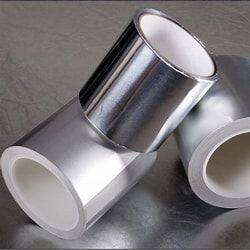
AS1530.2 is part of the Australian fire test standard for building materials, components and structures. This standard is mainly used to evaluate the flammability and other related properties of materials under specified combustion conditions. The AS1530.2 test for aluminum foil can determine its reaction characteristics in fire scenarios, thereby providing a basis for the safe use of aluminum foil in construction and other fields.
Ÿ AS/NZS 1530.2:Methods for fire tests on building materials,Components and structures - Test for flammability of materials
2. Test preparation
Ÿ Sample preparation:
Aluminum foil samples need to be selected according to the size and quantity specified in the standard. Generally, the sample is required to be a complete aluminum foil, and its size should be sufficient for the specified test operation, and it should be ensured that the sample has no damage, wrinkles, etc. that may affect the test results. For example, the sample may be required to be square with a side length within a certain range, such as 100mm×100mm, etc.
Ÿ Test environment preparation:
The test should be carried out in a standard laboratory environment, and the temperature and humidity need to be controlled within a certain range. Usually the temperature is maintained at 23℃±5℃, and the relative humidity is 50%±20%. At the same time, ensure that the test area is well ventilated, but the ventilation cannot interfere with the test flame and the combustion of the sample.
3. Applicable product scope.
This standard applies to various building materials and various film materials, such as aluminum foil, plastic film, building fabrics (such as curtains, carpets), etc. Whether used for interior decoration of buildings or as a component of building structures, as long as the materials may be exposed to flames in the building environment, they can be tested for flammability according to this standard.
Other fire protection standards for building materials:
EN 13501-1: Fire classification of building products and components Part 1: Classification using data from reaction to fire tests
DIN 4102-1: Fire performance of building materials and components Part 1: Classification of building materials requirements and tests
NF P 92-501: French material fire test M-class determination - rigid materials
NF P 92-503: French material fire test M-class determination - flexible materials
BS 476-6: Fire tests for building materials and components. Part 6: Test method for the spread of fire in products
BS 476-7: Fire tests for building materials and components. Part 7: Test method for determining the surface spread of flame in products
info@CASfire.cn
RZ202411

Send Inquiry to This Supplier

You May Also Like
-
Learn About the Precautions for Applying for AS1530.4 Fire Resistance Test for Fire Doors in One MinuteNegotiableMOQ: 1 Piece
-
Share the Details of Applying ASTME 108 Flame Spread Class A Test for Photovoltaic PanelsNegotiableMOQ: 1 Piece
-
Is EN 13501-1 A1/A2/B/C/D/E/F the EU CE Certification Standard?NegotiableMOQ: 1 Piece
-
Benefits of Engineered Wood Flooring: Learn About the EN 14342 System 3 Certification ProcessNegotiableMOQ: 1 Piece
-
How to Prepare Samples for AS1530.1 Non-combustibility Test of Calcium Silicate Board?NegotiableMOQ: 1 Piece
-
Explore BS 476 - 4 Non-combustibility Test for Building MaterialsNegotiableMOQ: 1 Piece
-
Share the Complete Test Process of Applying for British Flame Retardant BS6807 for Medical MattressesNegotiableMOQ: 1 Piece
-
Discover EN 15102: A Guide to the EU Standard for Adhesive Decorative MaterialsNegotiableMOQ: 1 Piece
-
Let me Tell You the Difference Between ISO 12952-1 and ISO 12952-2 Flame Retardant Tests in One MinuteNegotiableMOQ: 1 Piece
-
Is Steel Structure Coating Applicable to BS 476-21 Fire Resistance Standard?NegotiableMOQ: 1 Piece


