








 Contact Platform Support
 Help Center
EPC Tailings Thickener Solution
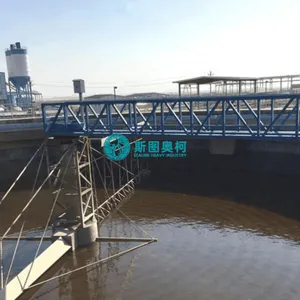
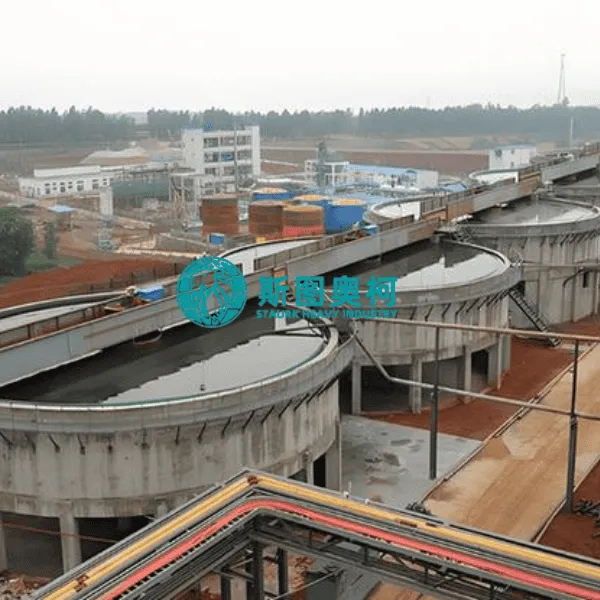
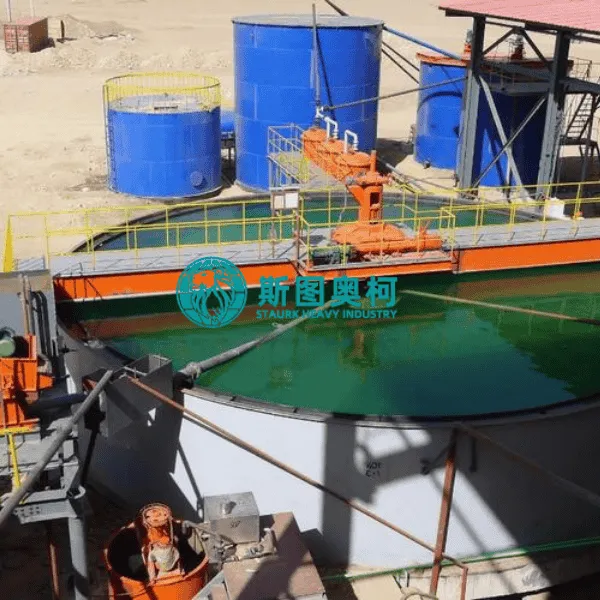
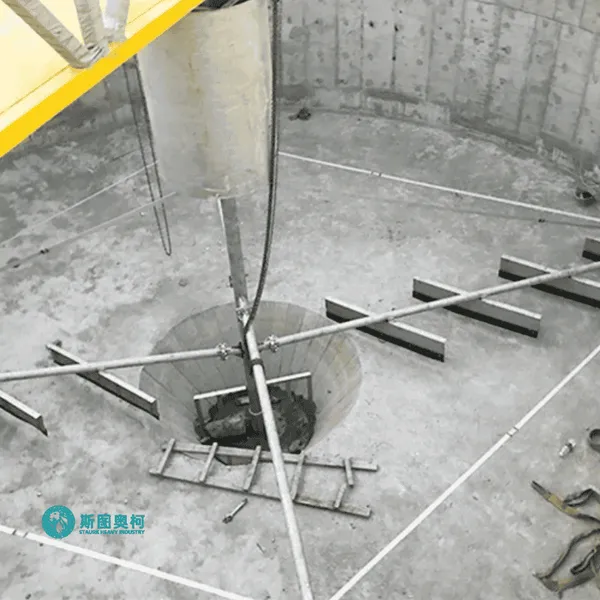


Related Products
EPC Tailings Thickener Solution
1. Product Introduction
An EPC (Engineering, Procurement, and Construction) approach provides a fully customized, turnkey solution for tailings dewatering. Rather than just buying a piece of equipment, mining companies get an entire end-to-end engineered package. Its primary advantages include:
Single-Point Accountability: A single contractor handles everything from initial mineral testing and plant design to equipment procurement, civil construction, and commissioning. This minimizes project risks, eliminates vendor blame-shifting, and ensures seamless integration.
Optimized Capex & Opex: The entire system—including the feed system, flocculant dosing, thickener tank, and underflow pumps—is co-designed. This prevents over-engineering, lowers initial capital expenditure (Capex), and optimizes chemical consumption to lower operating expenses (Opex).
Accelerated Project Timeline: EPC integration allows for fast-track scheduling. While engineering designs are being finalized, site civil work and procurement of long-lead items can happen concurrently, drastically shortening the time to commission.
Tailored to Specific Ore Profiles: Every mine has unique tailings rheology. An EPC solution starts with rigorous laboratory settling tests, ensuring the thickener, feedwell, and rake torque are precisely engineered for the specific particle size and mineralogy of your mine.
Environmental & Regulatory Compliance: By delivering high-density underflow or paste, the solution minimizes tailings storage facility (TSF) footprints, reduces dam failure risks, maximizes immediate water recycling, and helps mines meet strict zero-discharge or dry-stacking regulations.
2. Working Principle
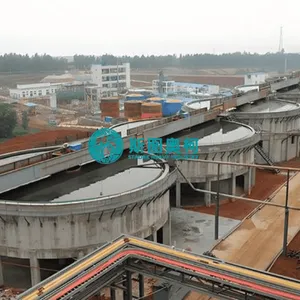
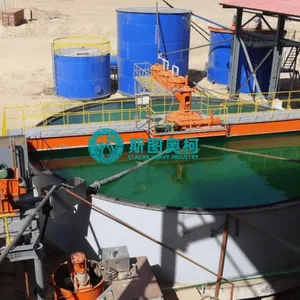
The EPC Tailings Thickener Solution is a comprehensive, turnkey engineering package designed to transform low-density tailings slurry into a high-density mud or paste suitable for safe disposal or backfilling, while recovering process water.
What the EPC Scope Includes:
Engineering & Design: Lab testing, rheological analysis, 3D plant layout, structural/civil engineering, and automation logic design.
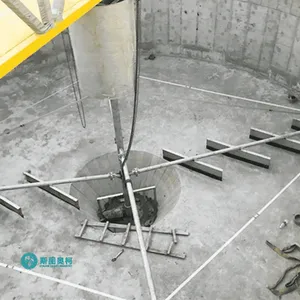
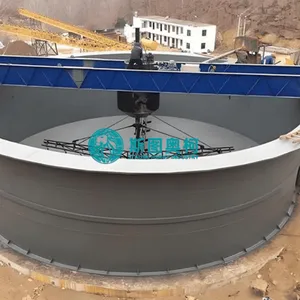
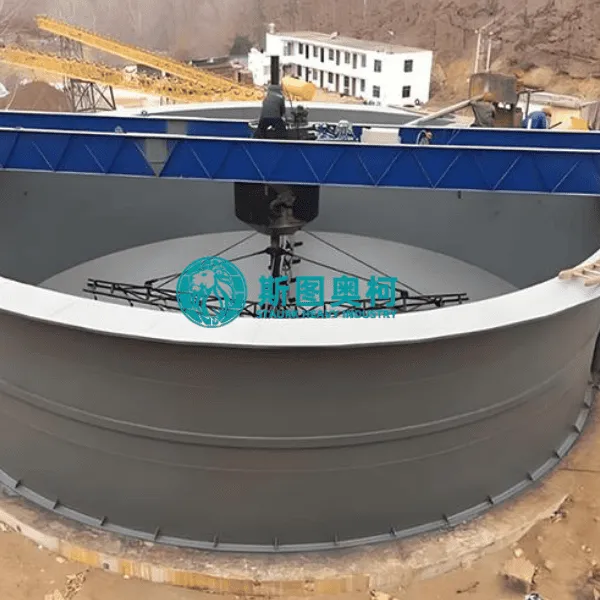
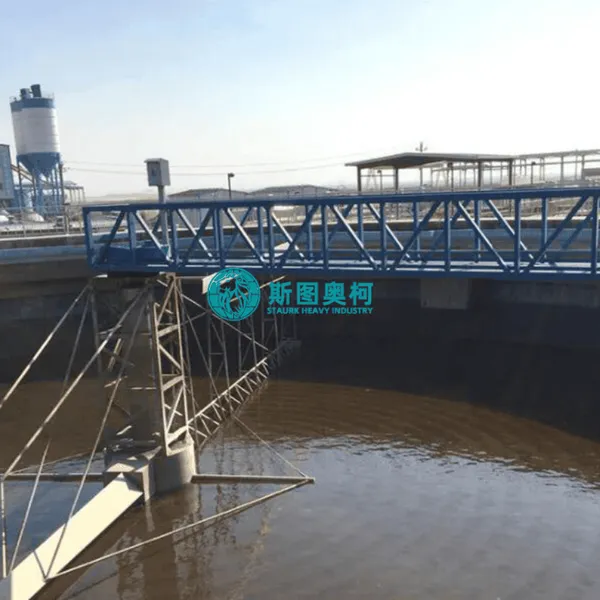
Core Thickener Equipment: Heavy-duty High-Rate, High-Density, or Paste Thickeners equipped with high-torque center-drive mechanisms, automated rake lifts, and custom-designed dynamic feedwells.
Ancillary Process Packages:
Fully automated Flocculant Preparation and Dosing Plants (powder or liquid systems).
Auto-dilution systems to optimize feed slurry density before entering the thickener.
Underflow slurry pumping stations (using heavy-duty centrifugal or positive displacement pumps).
Electrical & Automation System: Motor Control Centers (MCC), PLC/SCADA control systems with intelligent torque, bed-level, and mud-density sensors for unmanned or autonomous operation.
Construction & Commissioning: On-site civil construction, steel erection, piping, electrical installation, dry/wet commissioning, and operator training.
3. Industrial Line Advantages
Step 1: Feed Conditioning & Auto-Dilution
Raw tailings slurry from the beneficiation plant is pumped toward the thickener. To optimize settling, the system often utilizes an auto-dilution mechanism that mixes clear overflow water with the incoming feed. This achieves the perfect solids concentration required for optimal flocculation.
Step 2: Dynamic Flocculation in the Feedwell
The conditioned slurry enters the specially engineered Dynamic Feedwell. Simultaneously, the automated dosing system injects a precisely calculated amount of polymer flocculant. The controlled turbulence inside the feedwell ensures the long-chain polymers collide with and bind fine tailings particles together into large, heavy aggregates called flocs.
Step 3: Sedimentation and Bed Compaction
The flocs exit the feedwell and quickly settle to the bottom of the tank due to gravity, creating a dense mud bed. As more solids settle, the weight of the upper layers squeezes trapped water out of the lower layers, a process accelerated by the slowly rotating Rake Assembly. The rakes create micro-channels in the mud bed, allowing clear water to escape upward.
Step 4: Intelligent Discharge and Integration
Overflow (Water): Clean, clarified water wells up over the peripheral V-notch weirs into the collection launder and is instantly pumped back to the milling circuit for reuse.
Underflow (Tailings): The high-torque rakes push the highly compacted mud toward the central discharge cone. Smart sensors monitor the bed level and mud density, automatically regulating the underflow pumps to discharge a consistent, high-density slurry to the tailings dam or a secondary filtration stage.

Send Inquiry to This Supplier


You May Also Like
-
 Turnkey Mineral Thickener SystemNegotiableMOQ: 1 Set
 -
150 TPD Zinc, Lead, and Silver Flotation LineNegotiableMOQ: 1 Set
-
Bentonite Rotary Drum Dryer by 20TPH to 80TPHNegotiableMOQ: 1 Set
-
Hot Sell Rotary Dryer Henan Staurk MachineryNegotiableMOQ: 1 Set
-
Jaw Crusher Primary Crusher Ore CrusherNegotiableMOQ: 1 Set
-
Hot Sell Fine Jaw Crusher Ore Crusher Stone CrusherNegotiableMOQ: 1 Set
-
Hot Sell Hammer Crusher for Crushing Limestone, Coal GypsumNegotiableMOQ: 1 Set
-
Secondary Impact CrusherNegotiableMOQ: 1 Set
-
Hot Sell Double Roller Crusher Crushing Raw Coal, Coal Gangue, CokeNegotiableMOQ: 1 Set
-
Hot Sell Fine Crushing Four Roll CrusherNegotiableMOQ: 1 Set


