








 Contact Platform Support
 Help Center
Hot Sell Rotary Dryer Henan Staurk Machinery



Related Products
-
 5TPH to 80TPH Bentonite Ore Dryer From ChinaNegotiableMOQ: 1 Set
 -
High Efficiency Bentonite Rotary Dryer ManufacturerNegotiableMOQ: 1 Set
-
Industrial Bentonite Drying Machine SupplierNegotiableMOQ: 1 Set
-
Large Capacity Bentonite Drum DryerNegotiableMOQ: 1 Set
-
Energy Saving Bentonite Dryer PlantNegotiableMOQ: 1 Set
Rotary Dryer Manufactured Henan Staurk Machinery Co.,Ltd
1.Product introduction
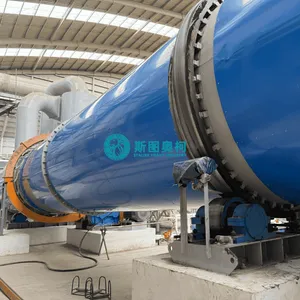
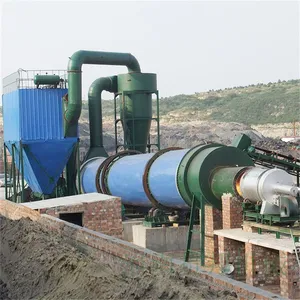
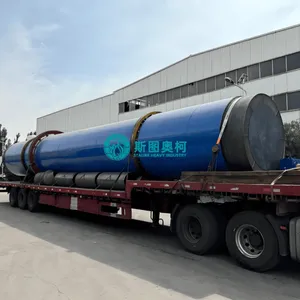
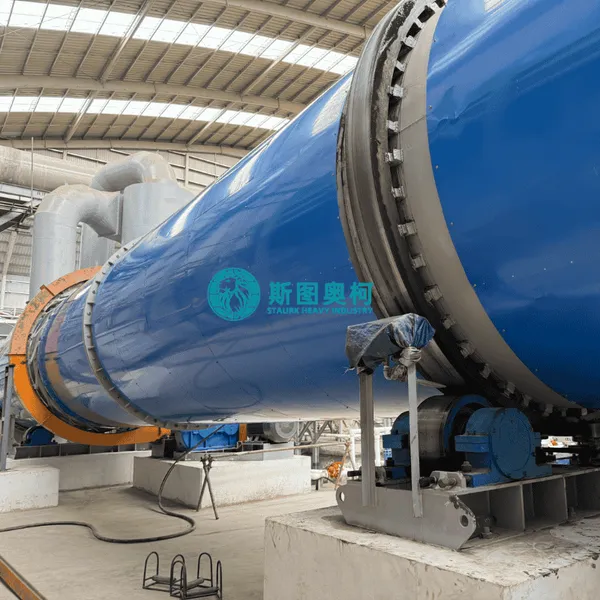
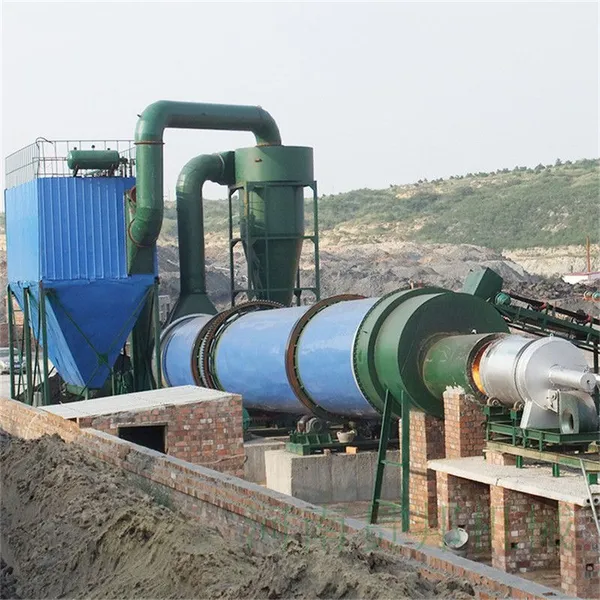
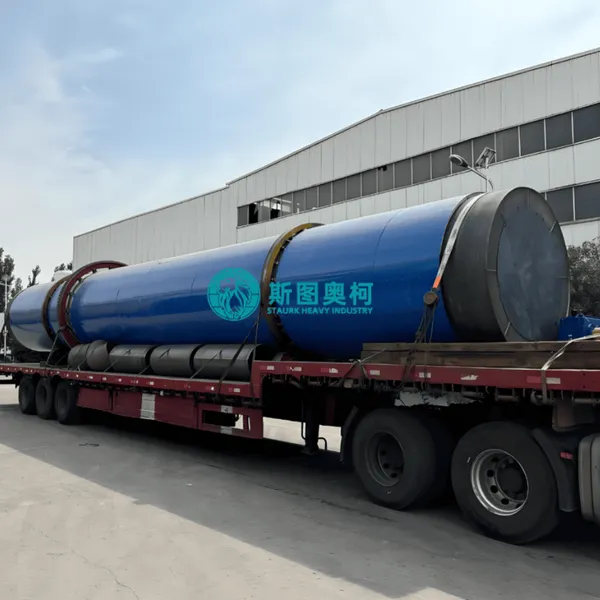
Rotary dryer is a continuous drying equipment widely used in the industrial field, mainly used for efficient dehydration treatment of granular, powdery or block materials. Its core function is to achieve uniform drying of high humidity materials such as concentrate, coal slurry, clay, sand, etc. in industries such as mining, building materials, chemical industry, and agriculture by the synergistic effect of rotating cylinder and hot air flow, allowing materials to fully contact hot air during the movement process.
2.Basic structural composition
The rotary dryer mainly consists of the following key components:
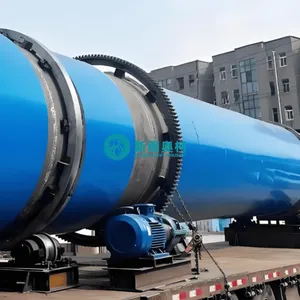
Cylinder: A horizontal rotating cylinder, usually made of rolled steel plates, installed at an angle of inclination (usually 1 °~5 °) to facilitate the movement of materials towards the discharge end under the action of gravity.
Copying board (lifting board): installed on the inner wall of the cylinder, in various forms (such as lifting, four format, cross shape, etc.), used to repeatedly pick up and sprinkle materials, forming a uniform material curtain and increasing the contact area with the hot air flow.
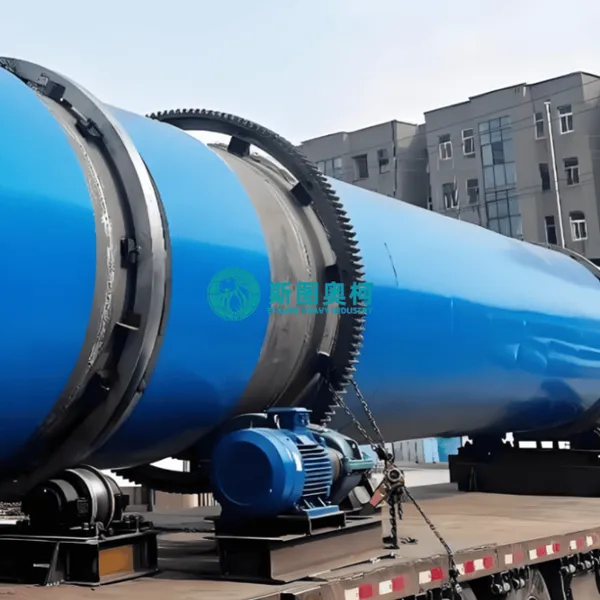
Drive device: including motor, reducer, and transmission gear, which drives the cylinder to slowly rotate at a speed of 2-6 r/min.
Supporting device: composed of supporting wheels, wheel hoops, and blocking wheels, it supports the weight of the cylinder and ensures its smooth operation.
Sealing device: installed at the inlet and outlet ends to prevent hot air leakage and cold air intrusion, ensuring the system operates under negative pressure conditions.
Heating system: provides a heat source (such as hot air, flue gas), and can be in contact with the material in a forward or reverse flow manner according to process requirements.
3. Working principle
The working process of the rotary dryer is as follows:
Wet materials enter from the high end of the cylinder and slowly move towards the low end under the rotation and gravity of the cylinder;
The board inside the cylinder continuously lifts and scatters materials, forming a thin layer of material curtain;
High temperature hot air flow (forward or backward) passes through the material curtain, undergoes sufficient heat exchange with the material, and evaporates water;
The dried material is discharged from the lower end, and the exhaust gas is purified by cyclone dust collectors, bag filters, etc. before being discharged.
Parallel flow vs counter flow
Parallel flow: Hot air flows in the same direction as the material, suitable for materials with high initial moisture content and products that are not resistant to high temperatures;
Counter current type: The hot air flow and material flow in reverse, suitable for products that allow slow drying and are resistant to high temperatures.

Send Inquiry to This Supplier



You May Also Like
-
High Purity Silica Sand Rotary DryerNegotiableMOQ: 1 Set
-
Quartz Sand Drying Plant ManufacturerNegotiableMOQ: 1 Set
-
Industrial Silica Sand Dryer SupplierNegotiableMOQ: 1 Set
-
China Silica Sand Dryer FactoryNegotiableMOQ: 1 Set
-
10TPH Gold Ore Rotary Dryer MachineNegotiableMOQ: 1 Set
-
Mining Gold Ore Dryer ManufacturerNegotiableMOQ: 1 Set
-
Gold Concentrate Drying Equipment SupplierNegotiableMOQ: 1 Set
-
Heavy Duty Gold Ore Dryer PlantNegotiableMOQ: 1 Set
-
High Efficiency Gold Concentrate DryerNegotiableMOQ: 1 Set
-
Copper Concentrate Rotary Dryer ManufacturerNegotiableMOQ: 1 Set


