








 Contact Platform Support
 Help Center
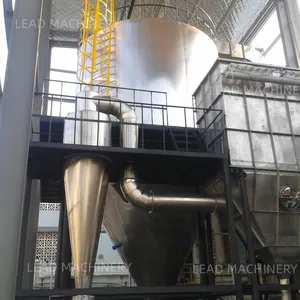
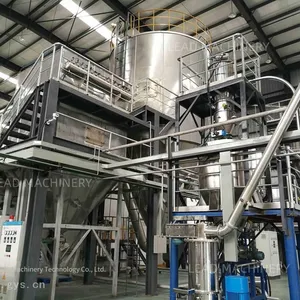
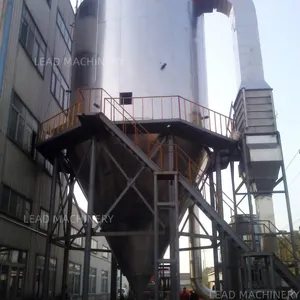
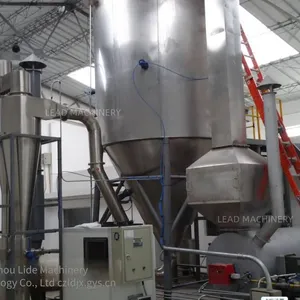
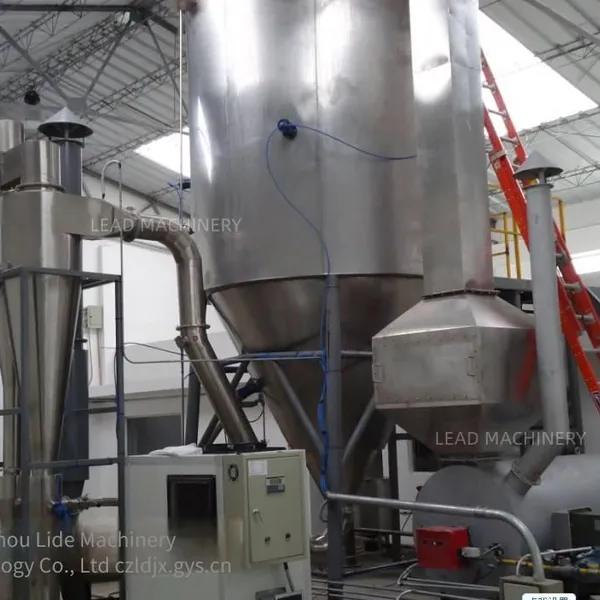
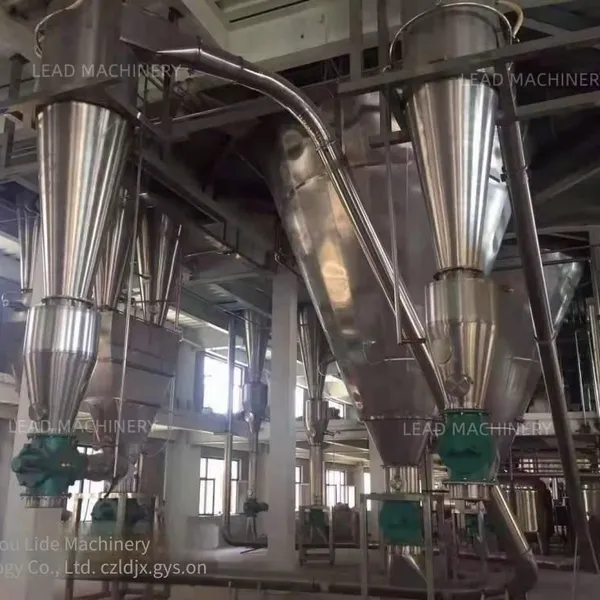
Lithium Iron Phosphate Centrifugal Spray Dryer, Spray Dryer for Battery Materials
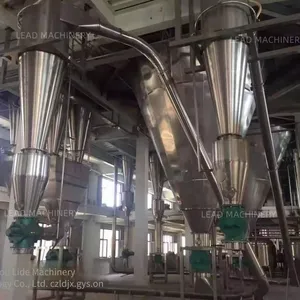
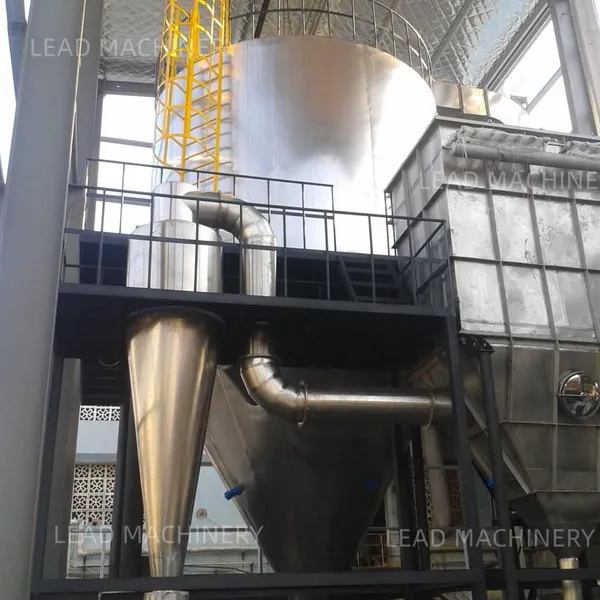
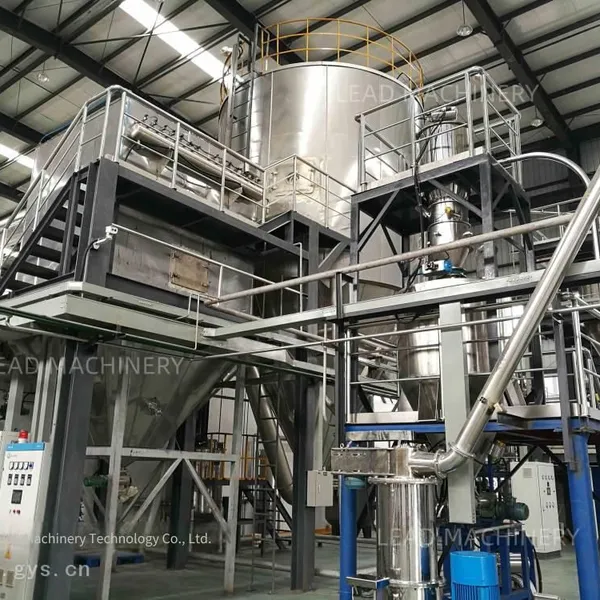
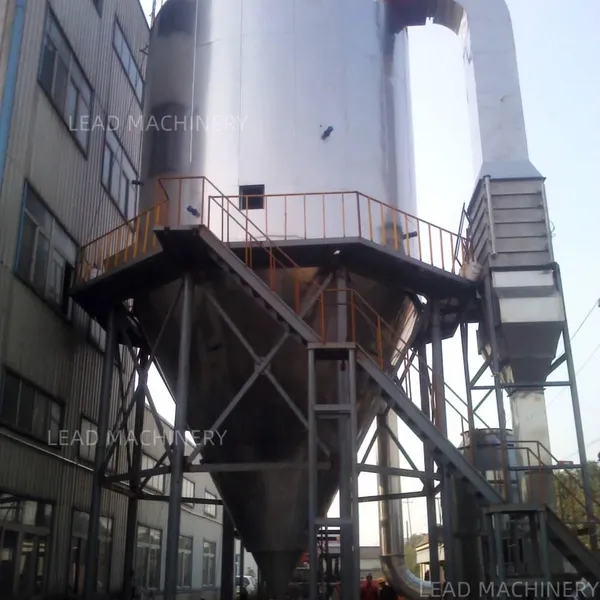
Product Spotlights


Related Products
-
 Centrifugal Spray Dryer for Lithium Battery Materials. Professional Manufacturer of Spray Dryers With Worry-free ServiceUS$ 9000 - 200000MOQ: 1 Set
 -
Centrifugal Spray Dryer for Seasonings, Centrifugal Spray Dryer for Savory Flavors, Professional Manufacturer, Quality GuaranteedUS$ 9000 - 200000MOQ: 1 Set
-
Bone Broth/meat Broth Centrifugal Spray Dryer, Seasoning Centrifugal Spray DryerUS$ 9000 - 200000MOQ: 1 Set
-
Centrifugal Spray Dryer for Salty Flavors, Spray Drying Equipment for the Food IndustryUS$ 9000 - 200000MOQ: 1 Set
-
Industrial Wastewater Centrifugal Spray Dryer, Spray Drying Equipment for Saline WastewaterUS$ 9000 - 200000MOQ: 1 Set
Overview of Centrifugal Spray Dryer:
The centrifugal spray dryer is a core equipment in modern industry for efficiently converting liquid materials into high-quality powders. Its working principle is that through a high-speed rotating centrifugal atomizer, the liquid raw materials are instantly scattered and stretched to form a fine mist net. At the same time, hot air is precisely introduced into the drying tower and comes into efficient co-current or counter-current contact with the mist droplets, so that the moisture evaporates rapidly within a few seconds, and finally a uniform and dry powder product is obtained.
The essence of this process lies in "instantaneous drying". The extremely high heat and mass transfer efficiency enables even heat-sensitive substances (such as proteins, probiotics or natural extracts) to be dehydrated at a relatively low temperature, thus maximally retaining their active ingredients and natural properties. By precisely controlling the atomizer rotation speed, inlet air temperature and air flow mode, the operator can flexibly control the particle size, moisture, solubility and fluidity of the finished powder to meet the strict requirements of many fields, from food milk powder, pharmaceutical raw materials to high-end ceramic powders and nanomaterials.
Therefore, the centrifugal spray dryer is not only a drying technology, but also a precise powder manufacturing system. It realizes an elegant transformation from "liquid" to "powder" in an efficient, continuous and controllable industrial way, and is an indispensable key link in the modern production line that pursues product quality and process efficiency.
Flow Chart of Centrifugal Spray Dryer System
Application of Spray Dryer in Lithium Battery Material Production:
The spray dryer plays an indispensable and key role in the production process of lithium iron phosphate (LiFePO₄, abbreviated as LFP) cathode materials. It is not only a drying unit, but also the core process of "granulation" and "structure optimization".
Compared with traditional oven and rotary kiln drying, spray drying brings significant performance improvement to LFP materials and is one of the iconic processes in modern high-performance LFP production.
In the production of lithium iron phosphate L, the spray dryer is mainly used to process the slurry after wet synthesis (such as hydrothermal method, co-precipitation method, liquid phase method). Its core purposes include:
Prepare spherical secondary particles: Aggregate nano or submicron primary LFP particles into micron-sized spherical secondary particles with controllable size and regular morphology. This morphology is crucial because it:
Improve tap density: Spherical particles can be packed more closely, which can significantly increase the volumetric energy density of the electrode.
Improve fluidity: Spherical powder has excellent fluidity, which facilitates automated conveying and accurate metering, and improves the uniformity and efficiency of subsequent electrode coating.
Optimize electrolyte infiltration: The pores between spherical particles are more regular, which is conducive to electrolyte penetration.
Realize uniform carbon coating (one of the most critical advantages): Before spray drying, the LFP precursor slurry is uniformly mixed with a carbon source (such as glucose, sucrose, asphalt, conductive polymers, etc.) at the nanoscale. During the spray drying process, the carbon source is uniformly distributed on the surface and gaps of the LFP particles as the solvent evaporates. In the subsequent sintering/carbonization stage, the carbon source is pyrolyzed to form a continuous and uniform conductive carbon network. This is the most effective means to improve the electronic conductivity of LFP materials (its inherent shortcoming).
Simplify the process flow: Complete "mixing, drying, and granulation" in one step, replacing the traditional multi-step and lengthy processes such as "filtration, washing, drying, crushing, and mixing", reducing pollution and batch differences, and facilitating continuous production.
Improve batch consistency and purity: The production is carried out in a closed system, avoiding external pollution; the process parameters are controllable, and the product batch stability is good.
Industries suitable for centrifugal spray drying:
Food industry
Production of milk powder, soybean milk powder, coffee powder, fruit juice powder, egg powder, yeast, and fruit and vegetable powder.
Drying of seasonings (such as soy sauce powder, yeast extract) and food additives (essences, pigments).
Low-temperature drying of functional foods (probiotics, enzyme preparations) to protect active ingredients.
Pharmaceutical industry
Drying of bulk drugs such as antibiotics, vitamins, and traditional Chinese medicine extracts.
Prepare spray-dried microcapsules for drug sustained release or taste masking (such as granules and capsule fillers).
Chemical Industry and Materials
Granulation of dyes, pigments, ceramic powders, catalysts, and polymer particles (such as PVC and PE).
Preparation of precursors for nanomaterials and battery cathode and anode materials (such as lithium battery materials).
Environmental Protection and Bioengineering
Sludge drying in wastewater treatment and immobilization of microbial preparations (such as biopesticides).
Drying of bioactive products such as enzymes and single-cell proteins.
Other Industries
Cosmetics (foundations, talcum powders), ceramic glazes, wettable pesticide powders, etc.
Technical Parameters of Centrifugal Spray Dryer

Send Inquiry to This Supplier


You May Also Like
-
Centrifugal Spray Dryer for Salt-containing Wastewater, Spray Drying Equipment for Industrial WastewaterUS$ 9000 - 200000MOQ: 1 Set
-
Fermented Liquid Centrifugal Spray Dryer, Biological Fermented Liquid Spray Drying EquipmentUS$ 9000 - 200000MOQ: 1 Unit
-
Centrifugal Spray Dryer for Pharmaceutical Manufacturing, Chinese Herbal Medicine Spray DryerUS$ 9000 - 200000MOQ: 1 Unit
-
Blood Plasma Centrifugal Spray Dryer, Spray Drying Equipment for Pig and Cow BloodUS$ 9000 - 200000MOQ: 1 Set
-
Biological Fermentation Broth Centrifugal Spray Dryer, Professional Manufacturer of Spray Drying EquipmentUS$ 9000 - 200000MOQ: 1 Set
-
Western Medicine Centrifugal Spray Dryer, Pharmaceutical Spray Drying Tower, Made of High-quality Stainless SteelUS$ 9000 - 200000MOQ: 1 Unit
-
GMP Standard Centrifugal Spray Dryer, Centrifugal Spray Drying Tower for Pharmaceutical UseUS$ 9000 - 200000MOQ: 1 Set
-
Animal Blood Centrifugal Spray Dryer, Plasma Protein Spray Drying TowerUS$ 9000 - 200000MOQ: 1 Set
-
Centrifugal Spray Dryer for the New Energy Industry, Special Spray Dryer for Battery MaterialsUS$ 9000 - 200000MOQ: 1 Set
-
LG Roller Compactor for Dry Granulation in Pharmaceutical IndustryNegotiableMOQ: 1 Set


