








 Contact Platform Support
 Help Center
Waste Tailings Treatment Plant


Related Products
Waste Tailings Treatment Plant
1. Product Introduction
Extreme Water Savings: Recovers up to 85%–95% of process water instantly, drastically reducing freshwater intake and lowering water utility costs.
Minimized Environmental Impact: Enables industrial plants to achieve "Zero Liquid Discharge" (ZLD) by recycling wastewater in a continuous closed loop.
Optimized Downstream Efficiency: By heavily concentrating the sludge underflow, it reduces the volume of waste fed to downstream filters, saving energy and equipment wear.
Small Physical Footprint: High-rate hydraulic designs process large volumes of liquid in a fraction of the space required by traditional settling ponds.
Lower Operating Costs: Highly automated chemical dosing and torque-sensing systems minimize polymer waste and eliminate manual labor.
2. Working Principle
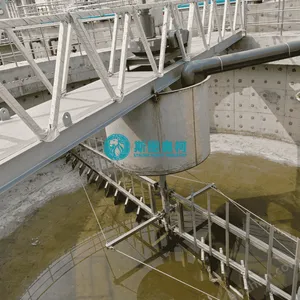
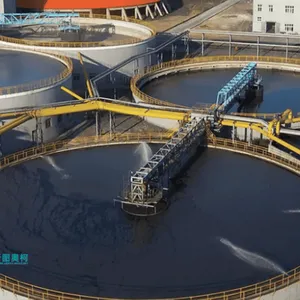
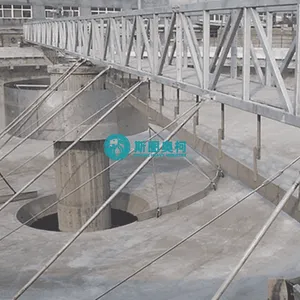
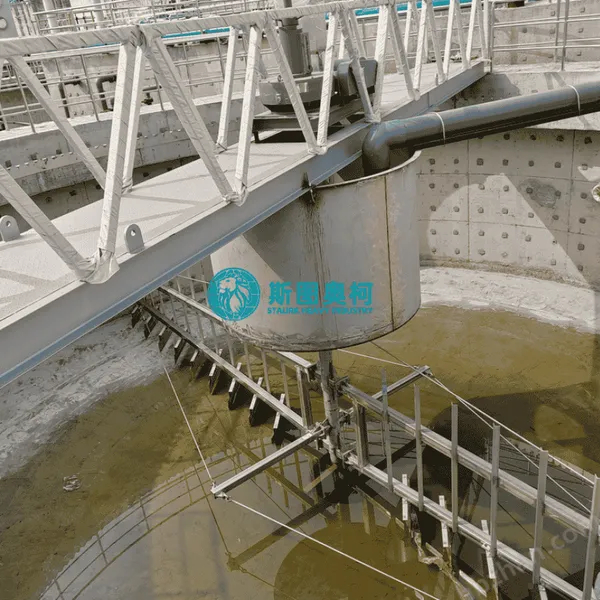
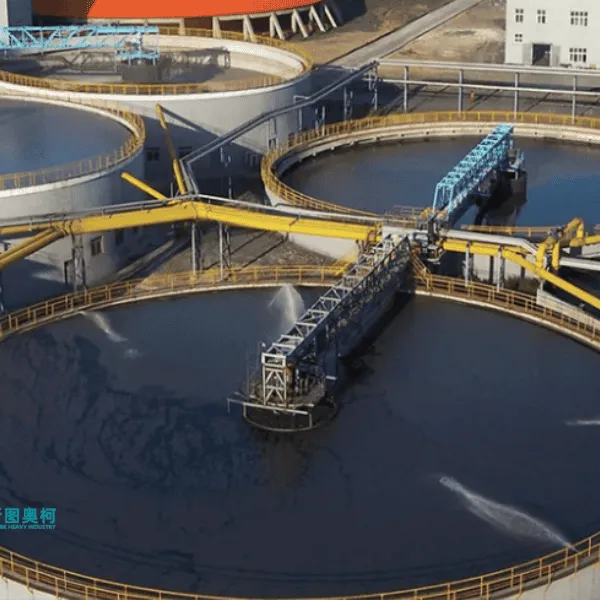
A Water Recovery Thickener System is an advanced solid-liquid separation plant specifically engineered to maximize liquid reclamation from industrial slurries, mining tailings, or municipal sludge.
The system centers around a high-efficiency thickener tank integrated with smart chemical conditioning modules. It acts as the primary recovery stage, instantly turning muddy wastewater into crystal-clear process water ready for immediate reuse in production lines.
Core Components:
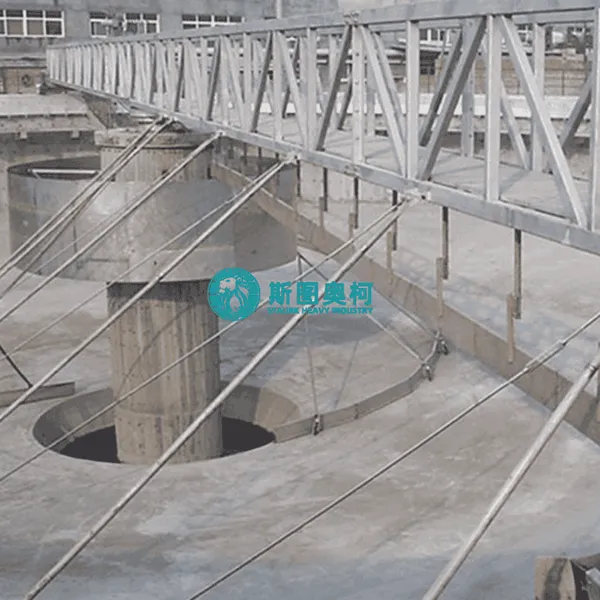
High-Rate Feedwell: Optimizes slurry velocity and ensures efficient mixing with chemical reagents.
Automated Flocculant Dosing Unit: Prepares and injects precise polymer amounts based on real-time flow and density.
Heavy-Duty Rake & Lift Mechanism: Safely sweeps compacted sludge toward the center outlet while automatically raising the arms if the mud bed gets too heavy.
Overflow Weir Launder: A perimeter channel that smoothly collects and diverts the clarified clean water.
3. Industrial Line Advantages
The system operates continuously through three synchronized stages:
Flocculation: Raw wastewater is fed into the central feedwell and mixed with a polymer flocculant. The polymer binds ultra-fine suspended solids together into large, heavy masses called "flocs."
Rapid Settling: Due to their increased weight, these flocs rapidly sink to the bottom of the tank under gravity, creating a dense sludge bed at the bottom and a clear water zone at the top.
Separation and Discharge: The slowly rotating rake mechanism gently stirs the sludge bed to release trapped water while scraping the thickened mud toward the center bottom discharge. Meanwhile, the displaced clean water rises to the top, flows over the overflow weir, and is piped directly back into the factory's water supply loop.

Send Inquiry to This Supplier


You May Also Like
-
 Peru Mineral Processing PlantUS$ 2000 - 80000MOQ: 1 Ton
 -
Large Mining Thickener PlantUS$ 2000MOQ: 1 Set
-
Chile Mining Tailings SolutionUS$ 2000 - 80000MOQ: 1 Ton
-
EPC Tailings Thickener SolutionUS$ 2000MOQ: 1 Set
-
Lead Zinc Tailings Treatment PlantNegotiableMOQ: 1 Set
-
Industrial Thickener for Ore ProcessingNegotiableMOQ: 1 Set
-
Turnkey Mining Thickener SystemUS$ 2000MOQ: 1 Combo
-
Industrial Thickener Project SupplierUS$ 2000MOQ: 1 Set
-
Large Diameter Thickener TankUS$ 2000MOQ: 1 Set
-
Turnkey Mineral Thickener SystemNegotiableMOQ: 1 Set


