








 Contact Platform Support
 Help Center
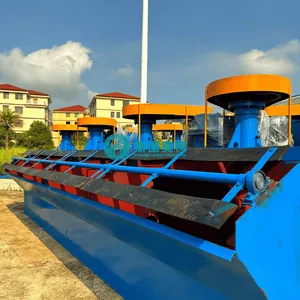
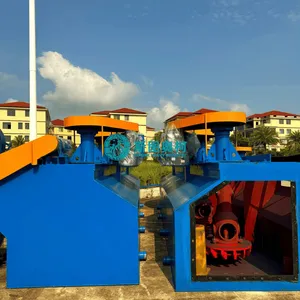
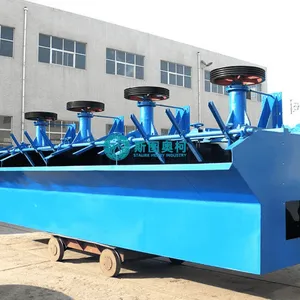
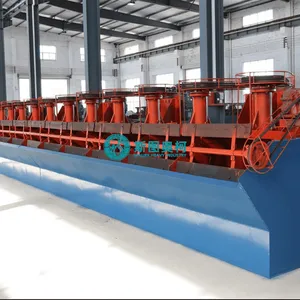
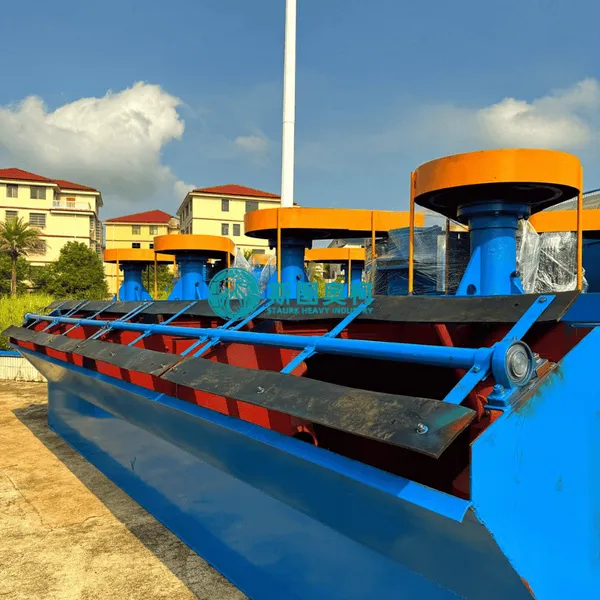
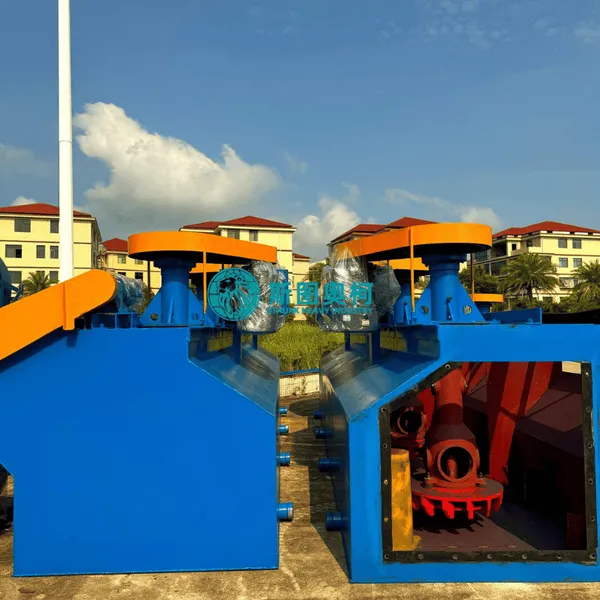
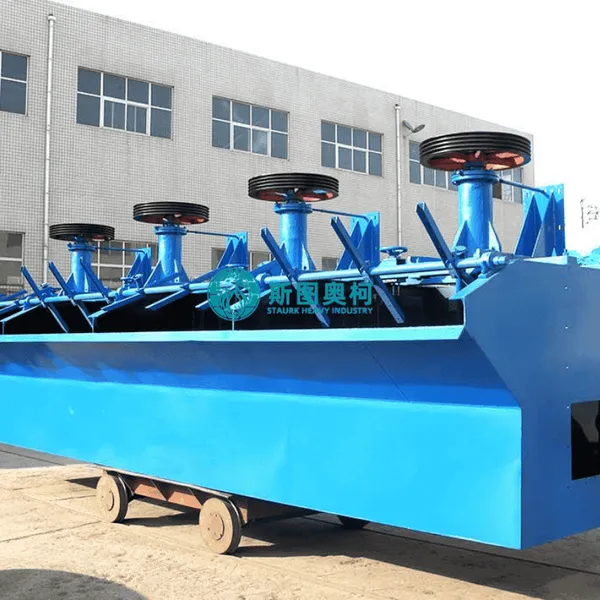
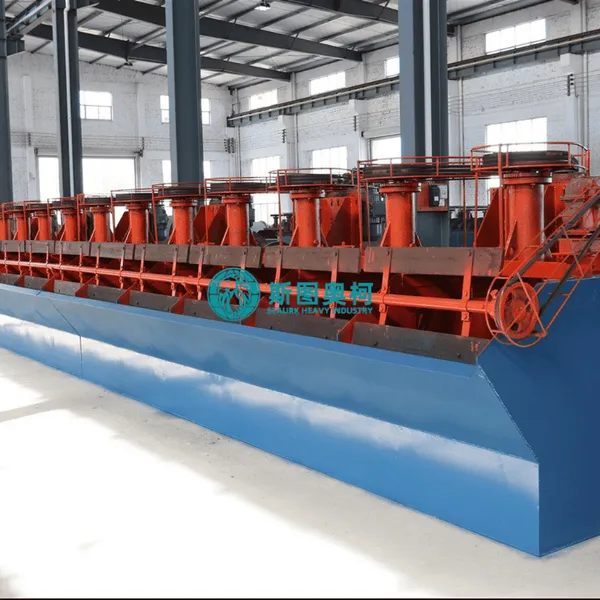
Flotation Cell for Bolivia Mining Plant
Product Spotlights



Related Products
-
 Flotation Cell for Peru Mining ProjectsNegotiableMOQ: 1 Set
 -
Flotation Cell for Africa Mining IndustryNegotiableMOQ: 1 Set
-
Flotation Cell for Asia Mining PlantNegotiableMOQ: 1 Set
-
Flotation Cell for Export Mining Equipment ChinaNegotiableMOQ: 1 Set
-
150 TPD Zinc, Lead, and Silver Flotation LineNegotiableMOQ: 1 Set
1. Product Introduction
Our specialized series of high-efficiency Flotation Cells is engineered to meet the unique metallurgical profiles and extreme environmental conditions of Bolivian mining plants. Bolivia's rich mining heritage is anchored in the high-altitude Altiplano and Cordillera Oriental regions, and this equipment is custom-designed for the processing of the country's most critical mineral assets, including tin (cassiterite flotation), zinc, silver, lead, and complex polymetallic ores.
Acknowledging the specific challenges of Bolivian operations—such as processing intricate, narrow-vein polymetallic ores, enduring ultra-high altitudes (often exceeding 4,000 meters above sea level), and navigating strict water and power constraints—we have heavily optimized our flotation cells. Offering rugged durability and outstanding metallurgical performance, this flotation equipment is the ideal solution for state-run operations (COMIBOL), private medium-scale operations, and large-scale plant modernizations across Bolivia.
2. Working Principle
The flotation cell achieves precise mineral separation through targeted chemical conditioning, mechanical agitation, and forced aeration. The process operates as follows:
Slurry & Complex Ore Conditioning: The finely ground slurry, containing complex multi-metal ores, is pre-treated with specialized regulators and collectors before being continuously fed into the flotation cell tank.
Low-Pressure Aeration & Agitation: An electric motor drives the impeller via high-strength V-belts. As the impeller rotates, it generates a localized negative pressure zone. Because of the ultra-high altitude in Bolivian mining regions, air is supplied via forced external blowers, ensuring thorough, high-volume air dispersion into the slurry matrix between the impeller and the stator.
Hydrophobic Bubble Attachment: Under the influence of specific flotation reagents, target minerals (such as sphalerite for zinc, galena for lead, or fine cassiterite for tin) become hydrophobic. They selectively adhere to the dense cloud of rising micro-bubbles and lift to the top of the pulp.
Froth Recovery: The mineralized bubbles accumulate at the surface into a robust, dense froth layer. High-capacity mechanical paddles smoothly scrape this froth into launderers as high-grade concentrate, while the hydrophilic gangue (waste rock or secondary minerals) is discharged from the bottom of the cell for further circuit processing or tailings disposal.
3. Key Features
Ultra-High Altitude Customization: Engineered specifically for Bolivia's extreme Altiplano geography (deployable up to 4,500+ meters). The system replaces self-aspirated air mechanisms with specialized, forced-air blower integration and uprated high-torque motors to guarantee uniform bubble size and optimal gas-holdup despite thin, low-oxygen atmospheric pressure.
Advanced Polymetallic Separation Efficiency: Designed with an optimized impeller-stator hydrodynamic profile that generates excellent pulp suspension without shearing fragile mineral-bubble bonds. This ensures exceptional recovery rates and sharp separation curves when handling difficult, finely-disseminated zinc-silver-lead or tin-bearing complex ores.
Heavy-Duty Wear Protection for Abrasive Ores: Given the high quartz and pyrite content typical of Bolivian vein deposits, the impellers and stators are molded from ultra-thick, abrasion-resistant polyurethane or high-chromium alloys. The internal tanks feature thick, replaceable rubber liners to significantly minimize wear-and-tear downtime.
Water-Saving & Intelligent Level Control: Engineered to operate efficiently with optimized pulp densities, helping Bolivian plants maximize water recycling. Equipped with high-precision, automated pulp level actuators and digital airflow regulators, the system allows plant operators to stabilize the froth zone automatically, mitigating the operational risks of manual adjusting.
Technical Specifications
Category |
Model |
Effective Volume |
Capacity |
Impeller |
Impeller RPM Motor Power |
(kW)-Agitating |
Motor Power |
Single Weight (t) |
XJK type |
XJK-0.35 |
0.35 |
0.18-0.4 |
300 |
480 |
1.5 |
0.75 |
0.6 |
XJK-0.62 |
0.3-0.9 |
350 |
400 |
3 |
1.1 |
0.9 |
||
XJK-1.1 |
0.6-1.6 |
500 |
330 |
5.5 |
1.1 |
1.3 |
||
XJK-2.8 |
1.5-3.5 |
600 |
280 |
11 |
1.5 |
2.5 |
||
XJK-5.8 |
5.8 |
5-7 |
750 |
240 |
15 |
1.5 |
3.6 |
|
SF type Flotation |
SF-0.37 |
0.37 |
0.2-0.4 |
300 |
352-442 |
1.5 |
0.55 |
0.5 |
SF-0.65 |
0.65 |
0.3-1.0 |
350 |
336 |
3 |
1.1 |
1 |
|
SF-1.2 |
1.2 |
0.6-1.6 |
450 |
298 |
5.5 |
1.1 |
1.5 |
|
SF-2.8 |
2.8 |
1.5-3.5 |
550 |
268 |
11 |
1.5 |
2.3 |
|
SF-4 |
4 |
2-4 |
650 |
237 |
15 |
2.2 |
2.8 |
|
SF-8 |
8 |
4-8 |
760 |
191 |
30 |
2.2 |
4.3 |
|
SF-10 |
10 |
5-10 |
760 |
191 |
30 |
3 |
4.6 |
|
SF-16 |
16 |
6-16 |
850 |
180 |
45 |
3 |
7.8 |
|
SF-20 |
20 |
8-20 |
730 |
186 |
55 |
3 |
9.8 |
|
| JJF type Flotation machine | JJF-2 |
2 |
1-3 |
370 |
400 |
11 |
1.1 |
1.9 |
JJF-4 |
4 |
2-4 |
410 |
305 |
15 |
1.5 |
2.3 |
|
JJF-8 |
8 |
4-8 |
540 |
233 |
22 |
2.2 |
4.5 |
|
JJF-10 |
10 |
5-10 |
540 |
233 |
22 |
2.2 |
4.9 |
|
JJF-16 |
16 |
5-16 |
700 |
180 |
37 |
2.2 |
8.2 |
|
JJF-20 |
20 |
5-20 |
730 |
180 |
37 |
2.2 |
10.5 |

Send Inquiry to This Supplier



You May Also Like
-
Flotation Cell With High Recovery RateNegotiableMOQ: 1 Set
-
Flotation Cell With Low Energy ConsumptionNegotiableMOQ: 1 Set
-
Flotation Cell With Automatic Control SystemNegotiableMOQ: 1 Set
-
Flotation Cell With Air Inflation SystemNegotiableMOQ: 1 Set
-
Flotation Cell With Rotor Stator SystemNegotiableMOQ: 1 Set
-
Flotation Cell With High Efficiency ImpellerNegotiableMOQ: 1 Set
-
Flotation Cell With Stable PerformanceNegotiableMOQ: 1 Set
-
Flotation Cell With Wear Resistant LiningNegotiableMOQ: 1 Set
-
Flotation Cell With Continuous OperationNegotiableMOQ: 1 Set
-
Flotation Cell With High Concentrate GradeNegotiableMOQ: 1 Set


