








 Contact Platform Support
 Help Center
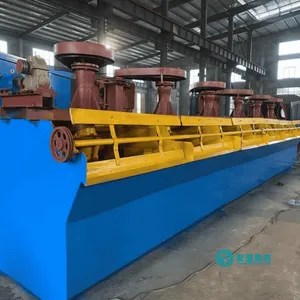
Flotation Cell for Mineral Processing Engineering
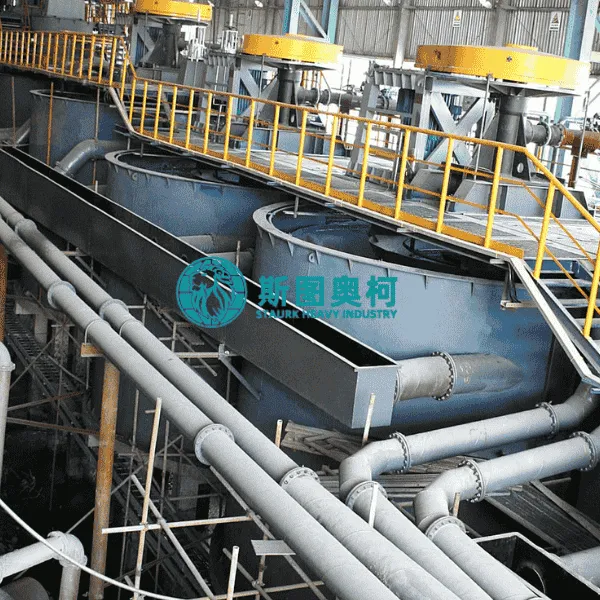
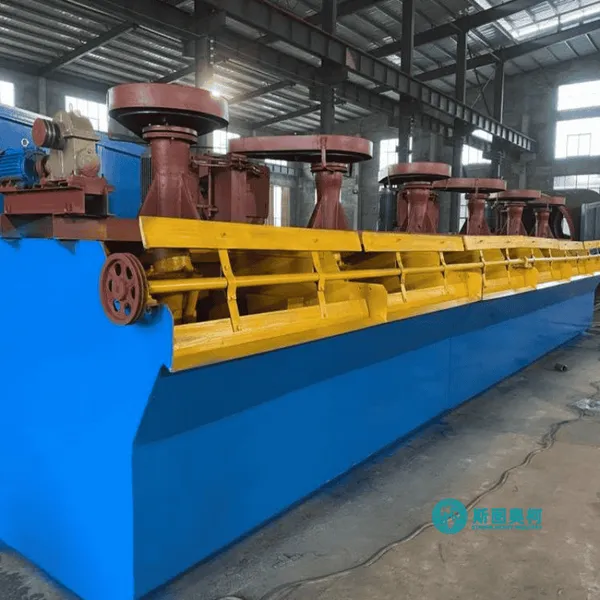
Product Spotlights



Related Products
-
 Flotation Cell for Mining Plant ExpansionNegotiableMOQ: 1 Set
 -
Flotation Cell for South America Mining ProjectsNegotiableMOQ: 1 Set
-
Flotation Cell for Bolivia Mining PlantNegotiableMOQ: 1 Set
-
Flotation Cell for Peru Mining ProjectsNegotiableMOQ: 1 Set
-
Flotation Cell for Africa Mining IndustryNegotiableMOQ: 1 Set
Product Introduction Flotation cell for mineral processing engineering
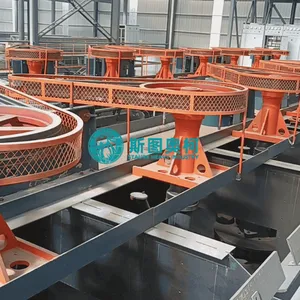
A flotation cell for mineral processing engineering is a highly precise, scientifically optimized unit designed to apply the fundamental principles of surface chemistry and fluid dynamics to industrial mineral separation. Engineered to serve as the core component in modern beneficiation circuits, this equipment bridges the gap between laboratory metallurgical testing and industrial-scale production, allowing processing engineers to manipulate variables like gas holdup, bubble size, and pulp residence time with extreme accuracy.
Application Flotation cell for mineral processing engineering
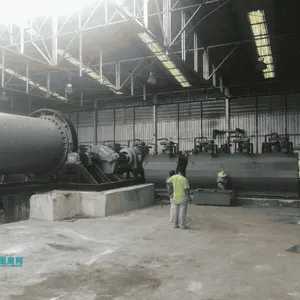
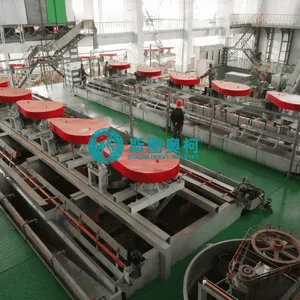
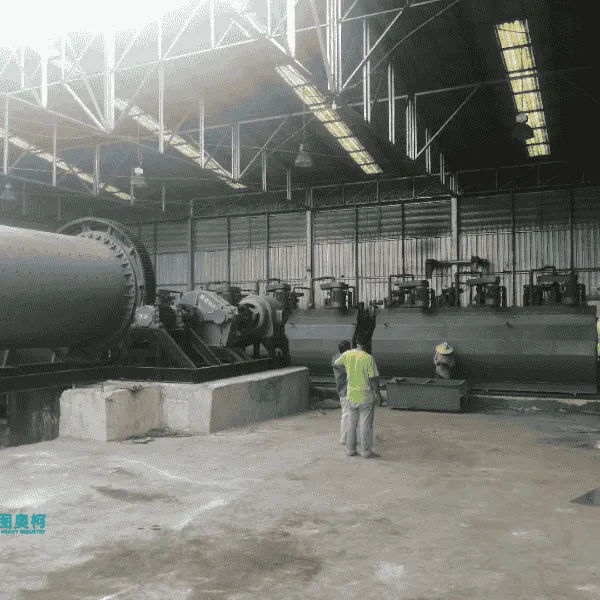
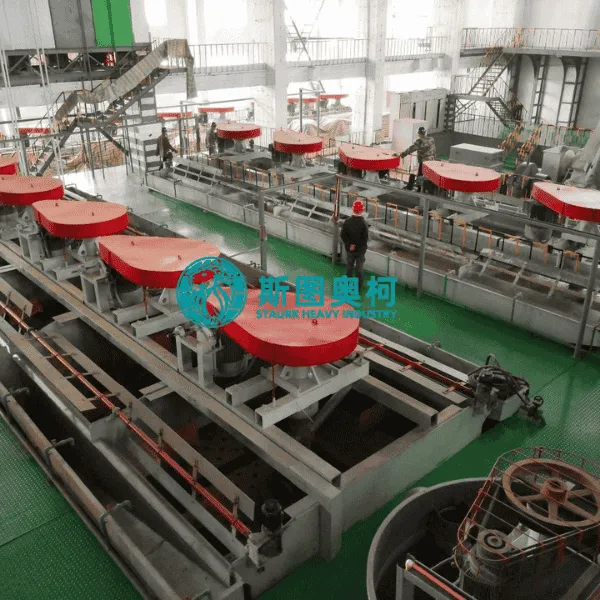
This equipment is deployed across modern mineral processing plants and pilot facilities where engineering precision is required to maximize economic returns from complex ore bodies. The system is suitable for the following typical scenarios: Pilot Plant and Scalability Testing: Used by engineering firms to validate process flowsheets and scale up laboratory data to commercial capacities, ensuring predictable metallurgical performance. Multi-Mineral Fine Particle Separation: Applied in sophisticated circuits requiring engineered hydrodynamics to capture ultra-fine or near-colloidal particles that typically escape standard flotation machines. Custom Circuit Configuration: Integrated into existing plant flowsheets as roughers, scavengers, or cleaners, where process engineers must fine-tune kinetic zones to eliminate specific mineral bottlenecks.
Working Principle Flotation cell for mineral processing engineering
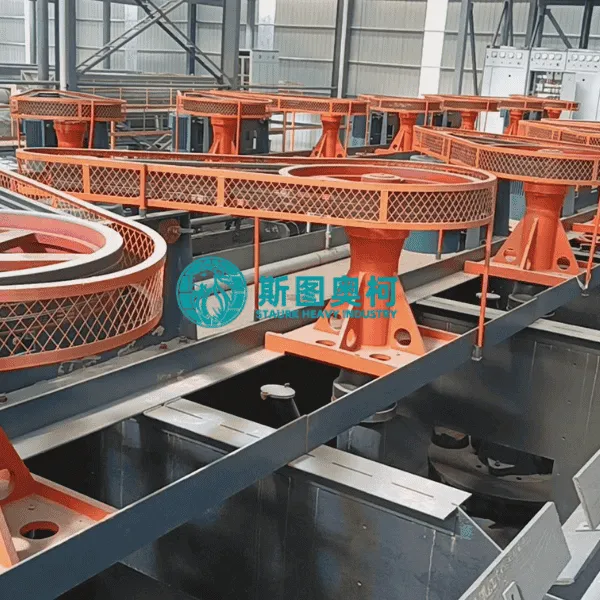
The unit operates by precisely controlling the physical interaction between air bubbles and mineral particles within an engineered hydraulic environment. Reagent and Surface Manipulation: The mineral slurry is conditioned with targeted collectors, frothers, and modifiers. Mineral processing engineers use these chemicals to selectively alter the contact angle of target minerals, making them hydrophobic while keeping the gangue hydrophilic. Hydrodynamic Bubble Generation: A specially engineered rotor-stator mechanism rotates at a calibrated tip speed, drawing in low-pressure air and shearing it into a uniform distribution of micro-bubbles. The cell design maximizes bubble-particle collision probability while maintaining a low-turbulence quiescent zone near the top. True Froth Separation and Transport: As the mineralized bubbles rise, they form a stable froth phase. The cell utilizes optimized froth-crowding geometry to accelerate the transport of the target concentrate into the launders, while automated dart valves continuously regulate pulp level to maintain the ideal froth depth.
Advantages Flotation cell for mineral processing engineering
Engineered Kinetic Efficiency: The optimized internal geometry ensures complete solids suspension at lower power inputs, preventing the sanding-out of heavy minerals while maximizing particle-bubble attachment rates. Advanced Process Control Integration: Equipped with high-precision instruments for monitoring air flow, pulp level, and froth velocity, allowing mineral processing engineers to implement advanced automated control loops for stable plant operation. Predictable Scale-Up Characteristics: Designed using proven hydrodynamic modeling, the performance metrics of these cells can be reliably scaled from pilot sizes to massive industrial tank configurations, minimizing financial and metallurgical risk.
Technical Specifications
Category |
Model |
Effective Volume |
Capacity |
Impeller |
Impeller RPM Motor Power |
(kW)-Agitating |
Motor Power |
Single Weight (t) |
XJK type |
XJK-0.35 |
0.35 |
0.18-0.4 |
300 |
480 |
1.5 |
0.75 |
0.6 |
XJK-0.62 |
0.3-0.9 |
350 |
400 |
3 |
1.1 |
0.9 |
||
XJK-1.1 |
0.6-1.6 |
500 |
330 |
5.5 |
1.1 |
1.3 |
||
XJK-2.8 |
1.5-3.5 |
600 |
280 |
11 |
1.5 |
2.5 |
||
XJK-5.8 |
5.8 |
5-7 |
750 |
240 |
15 |
1.5 |
3.6 |
|
SF type Flotation |
SF-0.37 |
0.37 |
0.2-0.4 |
300 |
352-442 |
1.5 |
0.55 |
0.5 |
SF-0.65 |
0.65 |
0.3-1.0 |
350 |
336 |
3 |
1.1 |
1 |
|
SF-1.2 |
1.2 |
0.6-1.6 |
450 |
298 |
5.5 |
1.1 |
1.5 |
|
SF-2.8 |
2.8 |
1.5-3.5 |
550 |
268 |
11 |
1.5 |
2.3 |
|
SF-4 |
4 |
2-4 |
650 |
237 |
15 |
2.2 |
2.8 |
|
SF-8 |
8 |
4-8 |
760 |
191 |
30 |
2.2 |
4.3 |
|
SF-10 |
10 |
5-10 |
760 |
191 |
30 |
3 |
4.6 |
|
SF-16 |
16 |
6-16 |
850 |
180 |
45 |
3 |
7.8 |
|
SF-20 |
20 |
8-20 |
730 |
186 |
55 |
3 |
9.8 |
|
| JJF type Flotation machine | JJF-2 |
2 |
1-3 |
370 |
400 |
11 |
1.1 |
1.9 |
JJF-4 |
4 |
2-4 |
410 |
305 |
15 |
1.5 |
2.3 |
|
JJF-8 |
8 |
4-8 |
540 |
233 |
22 |
2.2 |
4.5 |
|
JJF-10 |
10 |
5-10 |
540 |
233 |
22 |
2.2 |
4.9 |
|
JJF-16 |
16 |
5-16 |
700 |
180 |
37 |
2.2 |
8.2 |
|
JJF-20 |
20 |
5-20 |
730 |
180 |
37 |
2.2 |
10.5 |

Send Inquiry to This Supplier



You May Also Like
-
Flotation Cell for Asia Mining PlantNegotiableMOQ: 1 Set
-
Flotation Cell for Export Mining Equipment ChinaNegotiableMOQ: 1 Set
-
150 TPD Zinc, Lead, and Silver Flotation LineNegotiableMOQ: 1 Set
-
Flotation Cell With High Recovery RateNegotiableMOQ: 1 Set
-
Flotation Cell With Low Energy ConsumptionNegotiableMOQ: 1 Set
-
Flotation Cell With Automatic Control SystemNegotiableMOQ: 1 Set
-
Flotation Cell With Air Inflation SystemNegotiableMOQ: 1 Set
-
Flotation Cell With Rotor Stator SystemNegotiableMOQ: 1 Set
-
Flotation Cell With High Efficiency ImpellerNegotiableMOQ: 1 Set
-
Flotation Cell With Stable PerformanceNegotiableMOQ: 1 Set


