








 Contact Platform Support
 Help Center
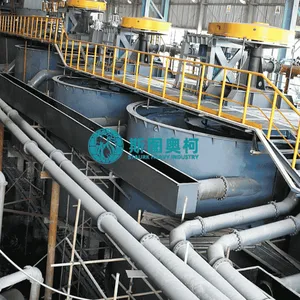
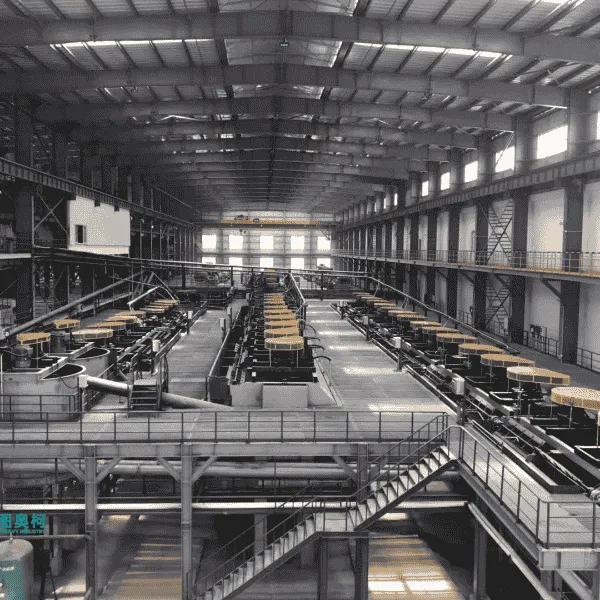
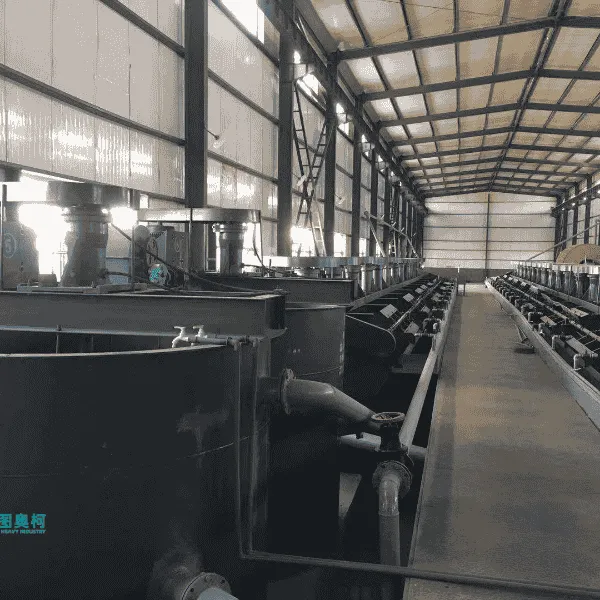
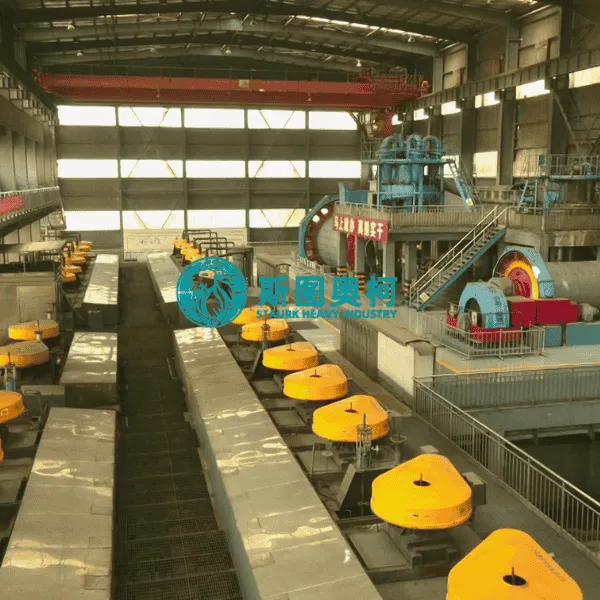
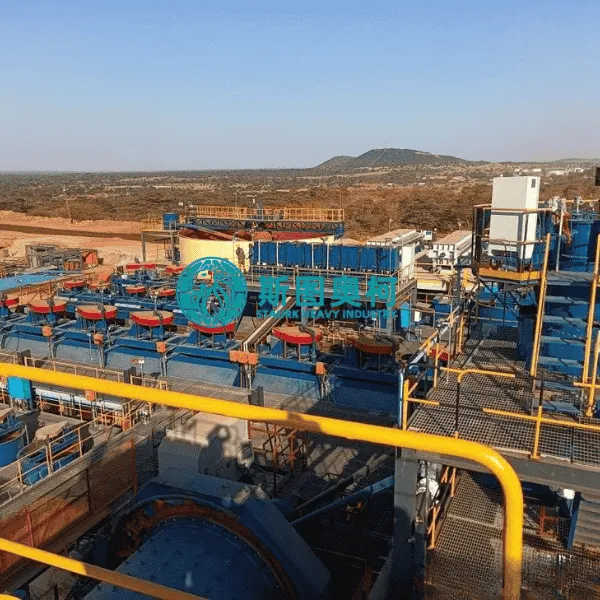
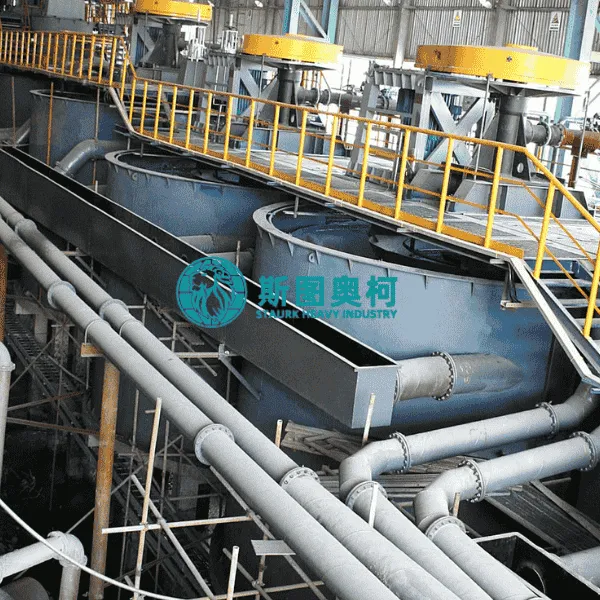
Flotation Cell for Mining Plant Expansion
Product Spotlights



Related Products
-
 Flotation Cell for South America Mining ProjectsNegotiableMOQ: 1 Set
 -
Flotation Cell for Bolivia Mining PlantNegotiableMOQ: 1 Set
-
Flotation Cell for Peru Mining ProjectsNegotiableMOQ: 1 Set
-
Flotation Cell for Africa Mining IndustryNegotiableMOQ: 1 Set
-
Flotation Cell for Asia Mining PlantNegotiableMOQ: 1 Set
Product Introduction Flotation cell for mining plant expansion
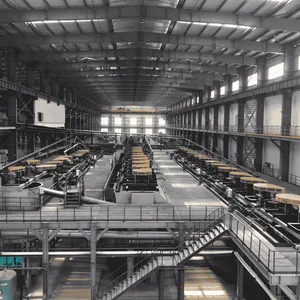
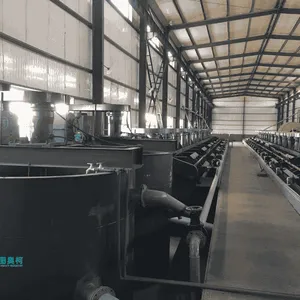
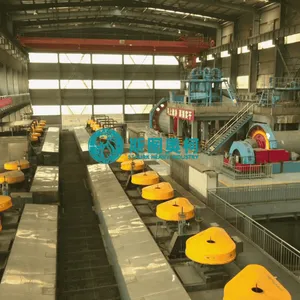
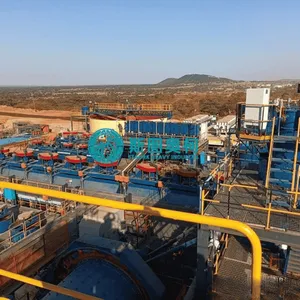
A flotation cell for mining plant expansion is a high-efficiency, large-capacity separation unit specifically designed to integrate into existing mineral processing facilities looking to boost throughput or improve recovery. Engineered with a compact footprint and modular configurations, these cells allow mining operations to increase their processing capacity or add extra cleaning and scavenging stages without requiring massive, costly overhauls of existing structural foundations and building layouts.
Application Flotation cell for mining plant expansion
Plant expansion projects require equipment that can seamlessly step up production or adapt to changing ore characteristics. This equipment is vital for the following typical scenarios: Throughput Bottleneck Elimination: Installed alongside existing smaller flotation banks to handle increased slurry volume resulting from upgrades to the upstream crushing and grinding circuits. Circuit Configuration Upgrades: Added to existing plants to serve as dedicated pre-rougher or post-scavenger cells, capturing fast-floating or slow-floating minerals that older equipment misses. Transition to Low-Grade Ores: Deployed when a mine transitions to a lower-grade ore body, necessitating a higher volumetric handling capacity to maintain the same final metal output.
Working Principle Flotation cell for mining plant expansion
The expansion cell operates by dropping directly into the existing slurry circuit flow, maximizing kinetic efficiency within a minimal space. In-Line Retrofitting: The cell is placed strategically within the existing plant's hydraulic gradient. Slurry from the grinding circuit or older flotation blocks is diverted into the new cell, utilizing existing gravity-flow layouts wherever possible to eliminate the need for extra feed pumps. High-Intensity Dispersion: To compensate for space constraints, the cell features an advanced, high-efficiency rotor-stator mechanism that delivers massive air-dispersion and intense particle-bubble collision rates, accelerating flotation kinetics and achieving faster separation per cubic meter of tank volume. Automated Level Matching: The cell uses electronic dart valves and level sensors that interface directly with the plant’s existing distributed control system (DCS). This ensures that pulp levels and froth overflow rates automatically sync with the varying flow rates of the older, surrounding machinery.
Advantages Flotation cell for mining plant expansion
Minimal Civil Engineering Costs: Designed with optimized structural weight distribution and a compact footprint, these cells can often be installed on existing mill floors or with minimal concrete foundation work, drastically reducing expansion capital expenditure. Short Implementation and Commissioning Time: The modular design allows for rapid mechanical assembly and piping hook-ups, minimizing plant downtime and ensuring production can scale up quickly. Enhanced Scale Economies: By replacing or supplementing outdated, high-maintenance smaller cells with fewer, massive-capacity modern units, the plant lowers its overall specific power consumption and maintenance costs per ton of processed ore.
Technical Specifications
Category |
Model |
Effective Volume |
Capacity |
Impeller |
Impeller RPM Motor Power |
(kW)-Agitating |
Motor Power |
Single Weight (t) |
XJK type |
XJK-0.35 |
0.35 |
0.18-0.4 |
300 |
480 |
1.5 |
0.75 |
0.6 |
XJK-0.62 |
0.3-0.9 |
350 |
400 |
3 |
1.1 |
0.9 |
||
XJK-1.1 |
0.6-1.6 |
500 |
330 |
5.5 |
1.1 |
1.3 |
||
XJK-2.8 |
1.5-3.5 |
600 |
280 |
11 |
1.5 |
2.5 |
||
XJK-5.8 |
5.8 |
5-7 |
750 |
240 |
15 |
1.5 |
3.6 |
|
SF type Flotation |
SF-0.37 |
0.37 |
0.2-0.4 |
300 |
352-442 |
1.5 |
0.55 |
0.5 |
SF-0.65 |
0.65 |
0.3-1.0 |
350 |
336 |
3 |
1.1 |
1 |
|
SF-1.2 |
1.2 |
0.6-1.6 |
450 |
298 |
5.5 |
1.1 |
1.5 |
|
SF-2.8 |
2.8 |
1.5-3.5 |
550 |
268 |
11 |
1.5 |
2.3 |
|
SF-4 |
4 |
2-4 |
650 |
237 |
15 |
2.2 |
2.8 |
|
SF-8 |
8 |
4-8 |
760 |
191 |
30 |
2.2 |
4.3 |
|
SF-10 |
10 |
5-10 |
760 |
191 |
30 |
3 |
4.6 |
|
SF-16 |
16 |
6-16 |
850 |
180 |
45 |
3 |
7.8 |
|
SF-20 |
20 |
8-20 |
730 |
186 |
55 |
3 |
9.8 |
|
| JJF type Flotation machine | JJF-2 |
2 |
1-3 |
370 |
400 |
11 |
1.1 |
1.9 |
JJF-4 |
4 |
2-4 |
410 |
305 |
15 |
1.5 |
2.3 |
|
JJF-8 |
8 |
4-8 |
540 |
233 |
22 |
2.2 |
4.5 |
|
JJF-10 |
10 |
5-10 |
540 |
233 |
22 |
2.2 |
4.9 |
|
JJF-16 |
16 |
5-16 |
700 |
180 |
37 |
2.2 |
8.2 |
|
JJF-20 |
20 |
5-20 |
730 |
180 |
37 |
2.2 |
10.5 |

Send Inquiry to This Supplier



You May Also Like
-
Flotation Cell for Export Mining Equipment ChinaNegotiableMOQ: 1 Set
-
150 TPD Zinc, Lead, and Silver Flotation LineNegotiableMOQ: 1 Set
-
Flotation Cell With High Recovery RateNegotiableMOQ: 1 Set
-
Flotation Cell With Low Energy ConsumptionNegotiableMOQ: 1 Set
-
Flotation Cell With Automatic Control SystemNegotiableMOQ: 1 Set
-
Flotation Cell With Air Inflation SystemNegotiableMOQ: 1 Set
-
Flotation Cell With Rotor Stator SystemNegotiableMOQ: 1 Set
-
Flotation Cell With High Efficiency ImpellerNegotiableMOQ: 1 Set
-
Flotation Cell With Stable PerformanceNegotiableMOQ: 1 Set
-
Flotation Cell With Wear Resistant LiningNegotiableMOQ: 1 Set


