








 Contact Platform Support
 Help Center
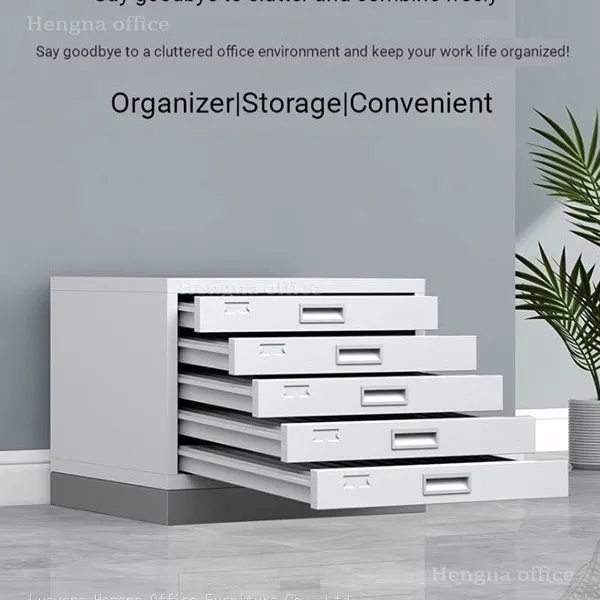
Pathology Department Tissue Block Archive Cabinet Label Slot High Load Capacity 20 Drawer Stack 390mm Per Unit
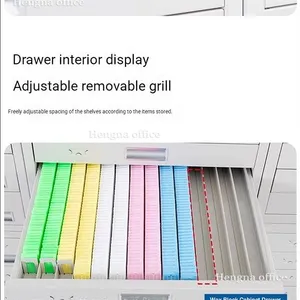
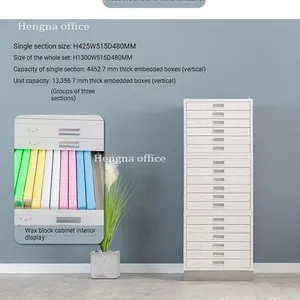
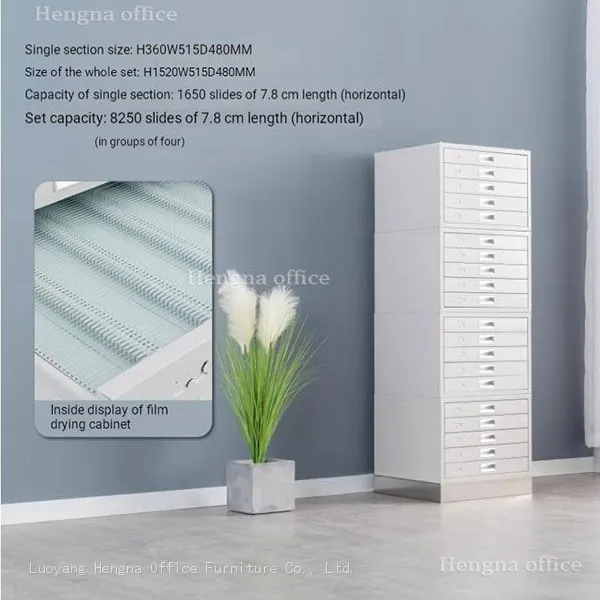
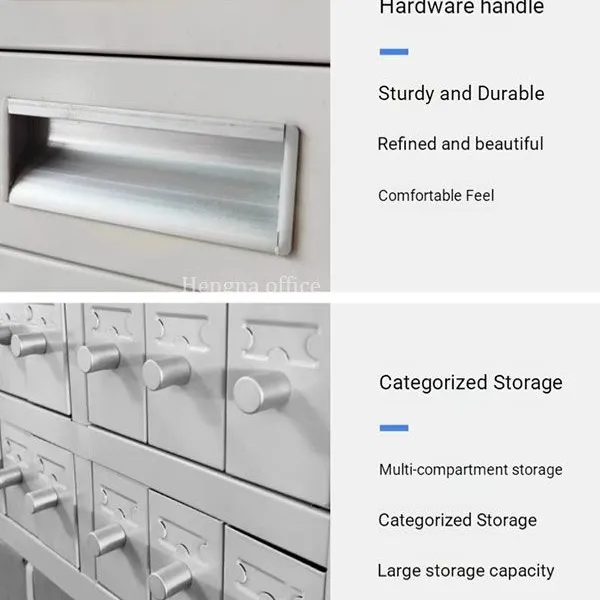
Product Spotlights



Related Products
-
 Medical Lab Tissue Block Storage Cabinet OEM Available Steel Construction 5 Drawer 515mm Width Hospital Lab UseUS$ 80 - 300MOQ: 5 Combos
 -
Cold Rolled Steel Pathology Slide Cabinet - 14,000 Slides Capacity, Anti-Dust Dividers for Humid ClimatesUS$ 80 - 300MOQ: 5 Combos
-
Pre-Assembled 18-Drawer Slide Cabinet for Pathology Labs — OEM Available, Ships Fully Built WorldwideUS$ 80 - 300MOQ: 5 Combos
-
Paraffin Block Cabinet With Anti-Rust Steel Base — Moisture-Proof Tissue Block Storage for Hospital LabsUS$ 80 - 300MOQ: 5 Combos
-
Slide Drying Cabinet With Ventilated Drawers — Pre-Assembled, Stainless Steel Base, Custom Sizes AvailableUS$ 80 - 300MOQ: 5 Combos
Pathology Department Tissue Block Archive Cabinet Label Slot High Load Capacity 20 Drawer Stack 390mm Per Unit
Product Body
Hospital pathology departments use storage cabinets differently from research labs.
Research labs store batches, use batches, and clear out when the project ends. Pathology is different — tissue blocks must be archived for 15 years or more. IToday's slide is the basis for a recheck five years from now. Today's tissue block is the evidence for an appeal fifteen years from now. The volume only grows, the retention period only extends.
So when selecting a pathology archive cabinet, the three things that matter are: how much it holds, how long it lasts, and how easy it is to locate specimens.
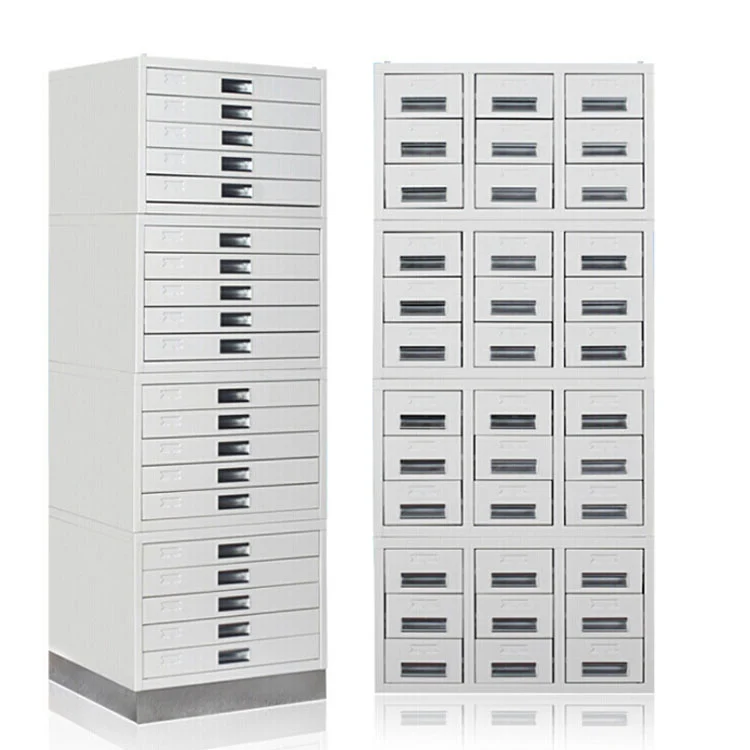
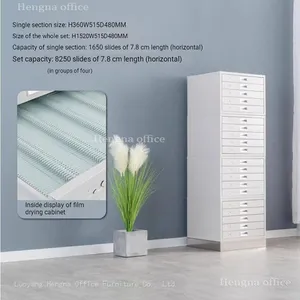
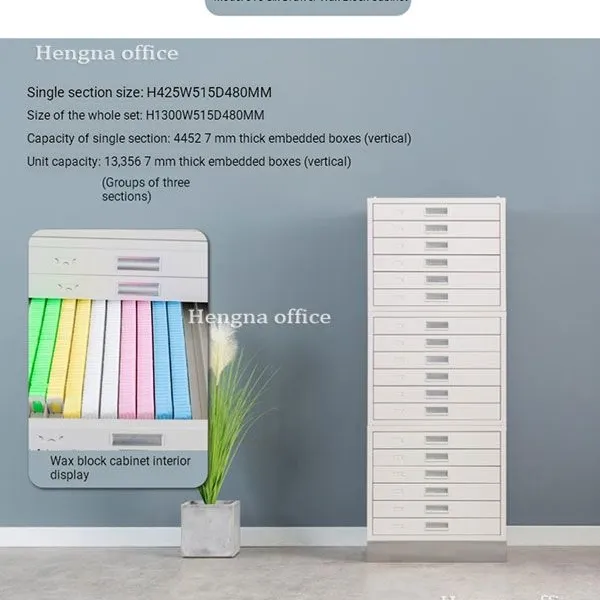
20 Drawer Stack — 4 units as one, maximum capacity.
1700mm total height, 20 large drawers. Pathology technicians deal with dozens to hundreds of specimen numbers every day. Enough drawers means specimens can be organized by disease type, date, and batch — not just shoved in, but findable in seconds when needed.
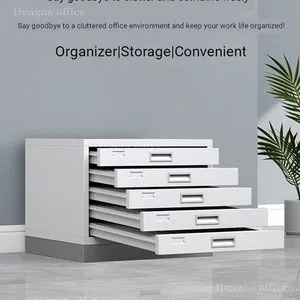
Can't fill all 20 drawers yet? Start with 3 units for 18 drawers, or add individual units as needed. Modular design. Stack and grow.
390mm Per Unit — standard unit height, clean stack alignment.
Each unit is 390mm tall. Four units stack to exactly 1700mm. No gaps, no protrusions blocking corridors. This height also works well for standing operation — no reaching up, no bending down.
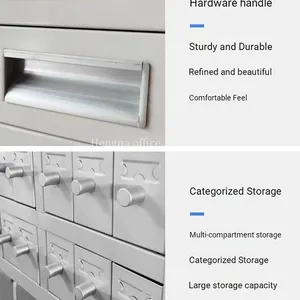
Label Slot — transparent label holder, numbers facing out.
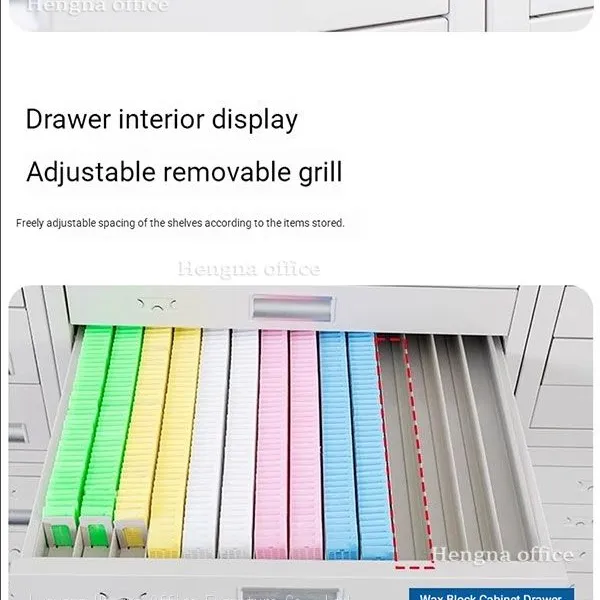
Every drawer has a transparent label slot on the front face. Write the number, date, and category, and you know what's inside without opening the drawer. Tissue blocks go in without getting jumbled. Pull the right drawer by the label.
This is how senior technicians work. It's also what departmental standards require.
High Load Capacity — built to carry the weight.
Tissue block boxes are solid. Stacked up, they're heavy. A full drawer of block boxes, multiplied across the entire cabinet, adds up fast. The Heavy Duty reinforced frame means drawers don't sag when pulled out, don't bind when pushed in, and the structure doesn't loosen over time.
This isn't marketing talk. It's the basic requirement for daily high-frequency use.
Cold Rolled Steel + Powder Coating. Rust-proof, built to last.
Humid environments, disinfectant wiping, xylene residue — all of these corrode ordinary cabinets. Powder-coated surfaces are smooth and resistant to marking. Wipe with disinfectant, wipe with alcohol, no problem.
15-Year Archive Compliance — not just a slogan.
Pathology archive compliance isn't just about a sturdy cabinet. It's about a complete management system: numbering rules, archive procedures, regular inventory checks. We don't manage your workflow, but the cabinet itself is designed for compliant archiving — drawers are large enough for standard block boxes, label slots support numbering management, and locked versions are available for different security requirements.
Core Specifications
| Spec | Detail |
|---|---|
| Total height | 1700mm (4 units × 390mm) |
| Total drawers | 20 large drawers |
| Unit height | 390mm |
| Drawers per unit | 6 large drawers |
| Width | 515mm (standard) |
| Depth | 480mm (standard) / 540mm (locked version) |
| Material | Cold rolled steel, powder coated |
| Lock | Individual drawer lock / full cabinet door lock |
| Shipping | Fully assembled (4-unit group) |
| Configuration | Sold individually or as 3–4 unit groups |
| Customization | OEM/ODM supported, numbering and labels customizable |
FAQ
Q: How many tissue blocks can 20 drawers hold?
Cabinet capacity depends on block box size and stacking arrangement. With 20 large drawers and standard block boxes stored vertically, each drawer holds dozens of blocks. A standard hospital pathology department's annual new archive volume typically fits comfortably. Confirm exact capacity by providing your block box dimensions for custom configuration.
Q: What's the advantage of buying a complete 4-unit group over individual units?
The group comes pre-matched — drawer count, unit height, and total height are all calibrated. Wall alignment is clean and the modular connection between units is secure. Buying individual units allows future additions, but pay attention to level alignment and height coordination when stacking.
Q: What is the Label Slot?
A transparent label holder on the front of each drawer. Insert a label with number, date, and category — what's inside is visible at a glance without opening. Makes quick specimen location easy, and meets daily pathology department management standards.
Q: Where does the High Load Capacity show up?
Reinforced frame structure + thicker side panels. When drawers are full of block boxes, the weight is significant. Drawers don't sag when pulled out, don't bind when pushed in, and the structure stays tight over years of use. This is the baseline requirement for a high-frequency pathology department.
Q: Is installation complicated?
The 4-unit group ships fully assembled. Position it, level with the adjustable feet, and it's ready. No on-site assembly or welding required. Two technicians can install a complete group in under a day.
Q: The cabinet needs to last 15 years. Will it?
Cold rolled steel with powder coating — rust-proof and durable. Under normal use conditions, the structural lifespan far exceeds 15 years. Many of our clients have been using theirs for over a decade and counting.
Q: How do I choose between locked and standard versions?
Locked versions have individual drawer locks (block cabinets) or a full cabinet door lock (slide cabinets), suitable for departments with specimen security requirements. Standard versions have no lock, suitable for pathology departments with open management and established workflow procedures.
Q: What's the minimum order quantity?
One set starts the order. Flexible MOQ. Bulk orders qualify for tiered pricing. Contact us for details.
Q: What's the lead time?
Standard units are in stock. Custom configurations run 15–25 working days. Confirm lead times before placing large orders.

Send Inquiry to This Supplier



You May Also Like
-
Lockable Microscope Slide Cabinet With Key-Lock Drawers — Secure Long-Term Storage for High-Value SamplesUS$ 80 - 300MOQ: 5 Combos
-
Lockable Paraffin Block Cabinet for Tissue Samples — OEM Supported, Guaranteed Delivery on Bulk OrdersUS$ 80 - 300MOQ: 5 Combos
-
Pathology Cabinet Set for Hospital – Slide Storage + Paraffin Block Filing System, 20-Drawer SteelUS$ 80 - 300MOQ: 5 Combos
-
Budget Pathology Slide Cabinet – 8,250 Slides/Section, Cold Rolled Steel, Hospital GradeUS$ 80 - 300MOQ: 5 Combos
-
Clinical Diagnostic Lab Bench — Steel Frame With Chemical Resistant Worktop for HospitalsUS$ 200 - 800MOQ: 3 Sets
-
Custom Lab Bench Manufacturer — OEM Steel-Wood Workbenches With CE CertificateUS$ 200 - 800MOQ: 3 Sets
-
Chemical Resistant Lab Bench — 19mm Phenolic Resin Top & Cold-Rolled Steel FrameUS$ 200 - 800MOQ: 3 Sets
-
Laboratory Wax Block Cabinet QST-LK53 Microscope Slides 72 Drawers CabinetNegotiableMOQ: 10 Pieces
-
11000 Tissue Blocks Cold-roll Steel Paraffin Block Cabinet Lab - Grade Wax Block CabinetNegotiableMOQ: 10 Pieces
-
Microscope Slides Slide Drying Cabinet With Numbered Labels Compact Wax Block CabinetNegotiableMOQ: 10 Pieces

