








 Contact Platform Support
 Help Center
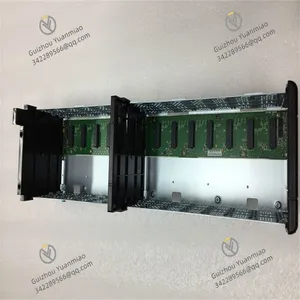
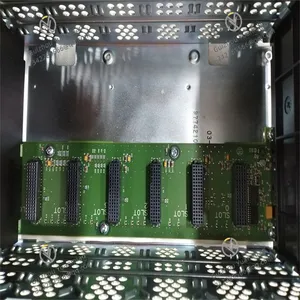
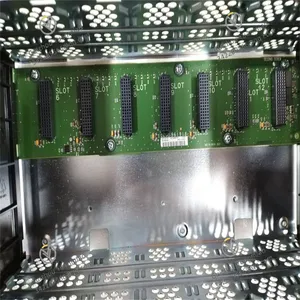
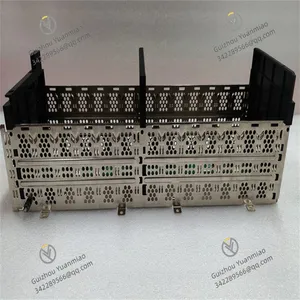
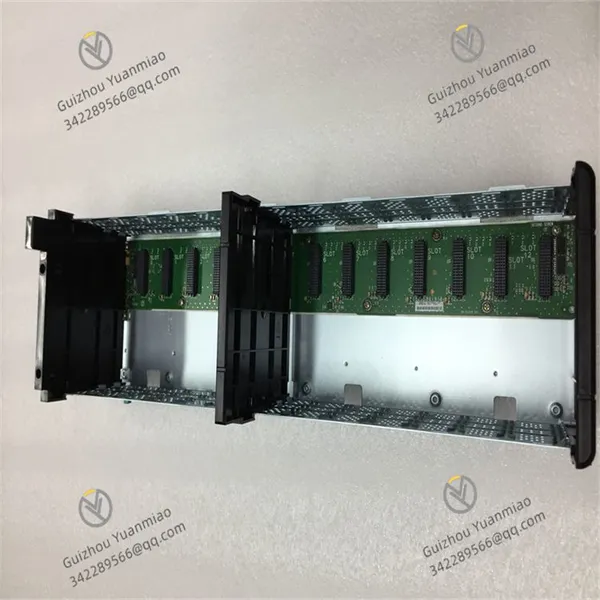
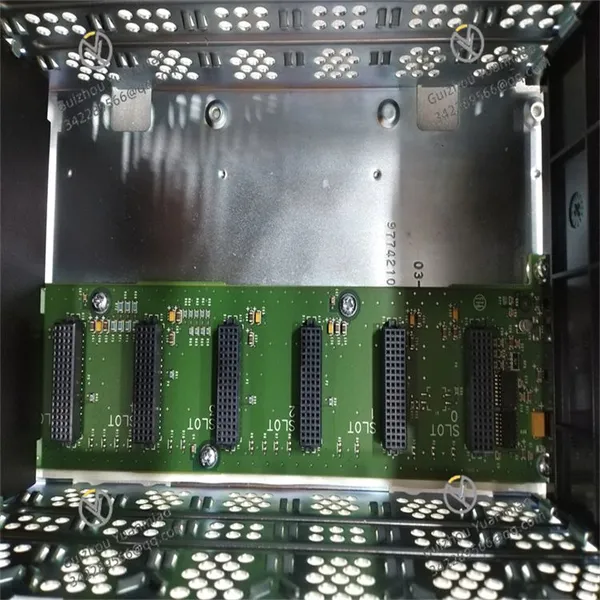
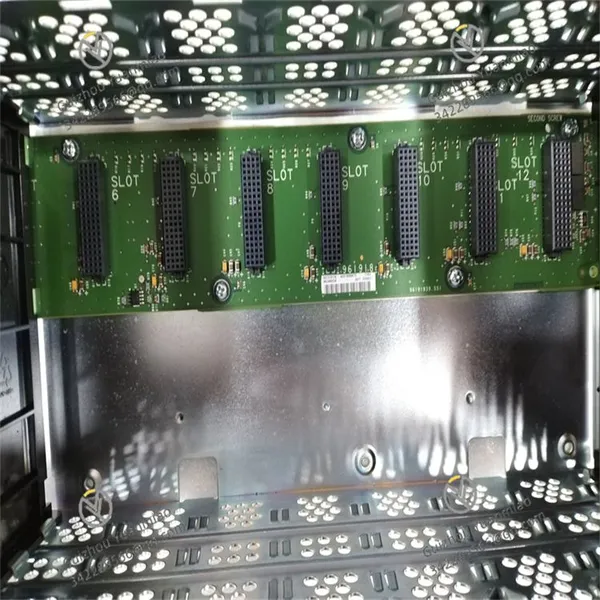
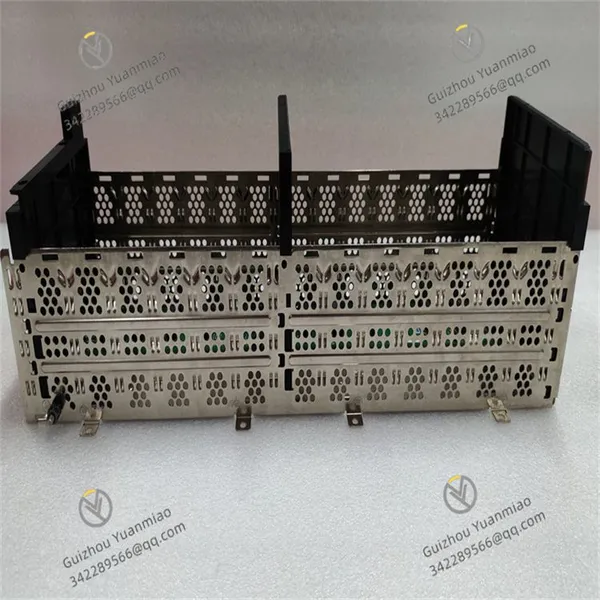
Allen-Bradley 1756-A13 Seven (13) Slot Chassis



Related Products
-
 Allen-Bradley 1756-CN2R ControlNet Communication ModuleNegotiableMOQ: 1 Unit
 -
Allen-Bradley 1756-CN2RXT Controlnet Redundant Interface ModuleNegotiableMOQ: 1 Unit
-
Allen-Bradley 1756-CNB ControlNet Interface ModuleNegotiableMOQ: 1 Unit
-
Allen-Bradley 1756-DHRIO ControlLogix DH Plus/RIO Comms ModuleNegotiableMOQ: 1 Unit
-
Allen-Bradley 1756-DNB DeviceNet Scanner ModuleNegotiableMOQ: 1 Unit
II. Technical Parameters
Processor: Equipped with a high-performance processor, the 1756-A13 delivers exceptional processing speed. It can handle a large number of instructions per second, enabling rapid execution of complex control algorithms. This high processing power is crucial for real-time control applications where quick responses to changing process conditions are essential. For example, in a fast-paced manufacturing line, the controller needs to process sensor data and adjust machine operations in milliseconds to ensure product quality and production efficiency.
Memory: It comes with a substantial amount of memory, including both volatile (RAM) and non-volatile (flash) memory. The RAM provides temporary storage for data and program execution, while the flash memory is used for storing the operating system, control programs, and configuration data. The sufficient memory capacity allows the controller to handle large and complex control programs, as well as store historical data for analysis and troubleshooting.
Backplane Communication: The 1756-A13 communicates with other modules in the ControlLogix chassis through a high-speed backplane. This backplane provides a fast and reliable data transfer path, enabling seamless interaction between the controller and input/output modules, communication modules, and other peripherals. The high-speed backplane ensures that data is transmitted quickly, minimizing latency in the control loop.
Network Connectivity: It supports various industrial network protocols for communication with external devices and systems. This includes Ethernet/IP, which allows for integration with enterprise-level networks, enabling remote monitoring, configuration, and data exchange. With Ethernet/IP connectivity, the 1756-A13 can communicate with supervisory control and data acquisition (SCADA) systems, human-machine interfaces (HMIs), and other controllers, facilitating centralized management and control of the industrial process.
(3) I/O Capacity
III. Functional Features
IV. Application Fields
Automated Production Lines: In automated manufacturing, the 1756-A13 controls the operation of production lines, coordinating the activities of robots, conveyors, and other machinery. It ensures that each step of the production process is executed in the correct sequence and at the right time, improving production efficiency and product quality. For example, in an automotive assembly line, the controller can manage the installation of components, testing, and packaging processes.
Batch Processing: In batch processing applications, such as in the production of chemicals, pharmaceuticals, and food products, the 1756-A13 controls the mixing, heating, cooling, and other operations involved in each batch. It ensures that the process parameters are maintained within specified ranges, and tracks the progress of each batch to ensure consistent quality.
Power Generation: In power plants, the 1756-A13 is used to control and monitor the operation of generators, boilers, turbines, and other equipment. It regulates the power output, ensures safe operation, and responds to changes in demand. For example, in a thermal power plant, the controller can adjust the fuel supply and air flow to maintain optimal combustion and power generation.
Oil and Gas Production: In oil and gas fields, the controller is used to control drilling operations, wellhead equipment, and pipeline systems. It monitors pressure, flow, and other parameters to ensure safe and efficient production, and can automatically shut down systems in case of emergencies.
Railways: In railway systems, the 1756-A13 can be used to control train signaling, track switching, and station operations. It ensures the safe and efficient movement of trains, preventing collisions and optimizing the flow of traffic.
Ports and Terminals: In ports and terminals, the controller manages the operation of cranes, conveyor systems, and other equipment used for loading and unloading cargo. It coordinates the movement of goods, improving the efficiency of port operations and reducing turnaround times for ships.

Send Inquiry to This Supplier



You May Also Like
-
Allen-Bradley 1756-EN2T Communication ModuleNegotiableMOQ: 1 Unit
-
Allen-Bradley 1756-EN2TXT EtherNet/IP-XT ModuleNegotiableMOQ: 1 Unit
-
Allen-Bradley 1756-ENBT Ethernet Bridge ModuleNegotiableMOQ: 1 Unit
-
Allen-Bradley 1756-EWEB Enhanced Web ServerNegotiableMOQ: 1 Unit
-
Allen-Bradley 1756-IB32 Digital Dc Input ModuleNegotiableMOQ: 1 Unit
-
Allen-Bradley 1756-IC16 Discrete Input ModuleNegotiableMOQ: 1 Unit
-
Allen-Bradley 1756-IF4FXOF2F Analog I/O ModuleNegotiableMOQ: 1 Unit
-
Allen-Bradley 1756-IF6I ControlLogix Isolated Analog Input ModuleNegotiableMOQ: 1 Unit
-
Allen-Bradley 1756-IF8 Analog Input ModuleNegotiableMOQ: 1 Unit
-
Allen-Bradley 1756-IF16 ControlLogix Analog I/O ModulesNegotiableMOQ: 1 Unit


