








 Contact Platform Support
 Help Center
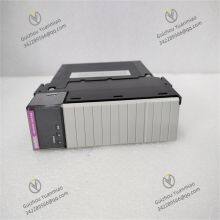
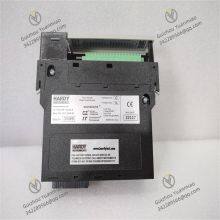
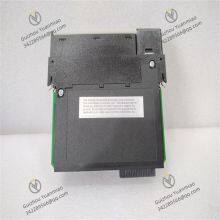
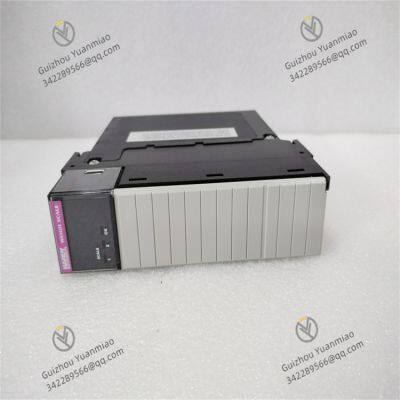
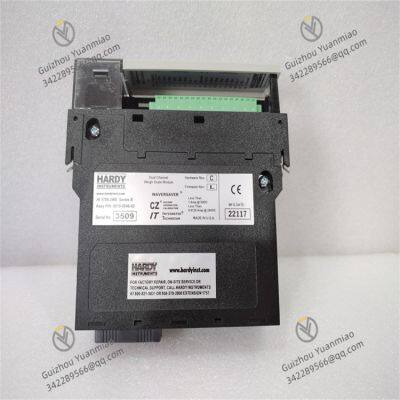
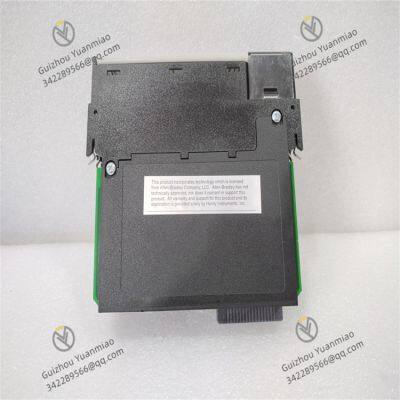
Allen-Bradley 1756-2WS Weigh Scale Module


Related Products
-
 Allen-Bradley 1756-A7 Seven (7) Slot ChassisNegotiableMOQ: 1 Unit
 -
Allen-Bradley 1756-A13 Seven (13) Slot ChassisNegotiableMOQ: 1 Unit
-
Allen-Bradley 1756-CN2R ControlNet Communication ModuleNegotiableMOQ: 1 Unit
-
Allen-Bradley 1756-CN2RXT Controlnet Redundant Interface ModuleNegotiableMOQ: 1 Unit
-
Allen-Bradley 1756-CNB ControlNet Interface ModuleNegotiableMOQ: 1 Unit
II. Technical Parameters
Ethernet/IP: The 1756 - 2WS has native support for the Ethernet/IP protocol, which is widely used in industrial automation. Ethernet/IP allows for high - speed data transfer over standard Ethernet networks, enabling real - time communication between devices. With data transfer rates of up to 1 Gbps, it can handle large volumes of data quickly. For example, in a high - speed manufacturing line where numerous sensors are constantly sending data about product quality and machine performance, the 1756 - 2WS can efficiently transmit this data to the central control system using Ethernet/IP, ensuring that production decisions can be made in real - time.
Modbus TCP: In addition to Ethernet/IP, it also supports Modbus TCP. Modbus is a well - established protocol in the industrial world, and Modbus TCP extends its functionality over TCP/IP networks. This makes it compatible with a wide range of legacy and new devices. The module can act as a Modbus TCP master or slave, allowing for flexible integration into existing Modbus - based systems. For instance, if a factory has some older equipment that uses Modbus for communication, the 1756 - 2WS can easily interface with it, translating data between different protocols if necessary.
(2) Network Interfaces
Dual Ethernet Ports: It is equipped with dual Ethernet ports. These ports can be configured in different ways, such as for network redundancy or for creating separate sub - networks. In a redundant network setup, if one Ethernet connection fails, the other can immediately take over, ensuring continuous communication. This is vital in applications where downtime is not acceptable, like in power plants or oil refineries. In a sub - network configuration, one port can be used to connect to the local control network, while the other can be used for external monitoring or connection to a higher - level management network.
RJ45 Connectors: The module uses standard RJ45 connectors for its Ethernet interfaces. RJ45 connectors are widely used in networking due to their reliability and ease of use. They provide a secure connection, minimizing the risk of signal loss or interference.
(3) Data Throughput
(4) Compatibility
Rockwell Automation Systems: It is highly compatible with Rockwell Automation systems. This includes various PLC series like the Allen - Bradley ControlLogix and CompactLogix systems. The seamless integration with Rockwell products allows for easy configuration and operation within a Rockwell - based industrial automation environment. For example, when used in a Rockwell - controlled manufacturing plant, the 1756 - 2WS can communicate directly with the ControlLogix PLCs, sharing data on machine status, production rates, and alarm information.
Third - Party Devices: The module also has good compatibility with a wide range of third - party devices that support the Ethernet/IP or Modbus TCP protocols. This makes it a versatile choice for industrial networks that may have a mix of different brand - name devices. Whether it's connecting to a third - party sensor that provides environmental data in a factory or a non - Rockwell actuator that controls a specific process, the 1756 - 2WS can establish a stable communication link.
(5) Environmental Parameters
Operating Temperature: The module is designed to operate in a wide temperature range, from - 40°C to 85°C. This makes it suitable for use in various industrial environments, from cold storage facilities to hot manufacturing plants. In cold storage, where the temperature can drop well below freezing, the 1756 - 2WS can continue to function without any issues, ensuring that the communication network remains operational. In hot manufacturing plants, where temperatures can rise due to the heat generated by machinery, the module can withstand the high temperatures and maintain reliable communication.
Humidity Resistance: It can tolerate humidity levels of up to 95% non - condensing. This humidity resistance is important in industrial settings where there may be high humidity, such as in food processing plants or near water - treatment facilities. The module's ability to resist humidity helps prevent corrosion and ensures the long - term reliability of its electronic components.
III. Functional Features
IV. Application Fields
(1) Manufacturing Industry
Automated Production Lines: In automated production lines, the 1756 - 2WS is used to connect various devices such as PLCs, robots, and sensors. It enables real - time communication between these devices, ensuring the smooth operation of the production line. For example, in an automotive manufacturing plant, the 1756 - 2WS can connect the PLCs that control the conveyor belts to the robots that assemble car parts. The sensors on the robots can send data about the quality of the assembled parts to the control system through the 1756 - 2WS, allowing for immediate adjustments if there are any issues.
Quality Control Systems: In quality control systems, the module is used to transfer data from quality inspection sensors to the central control system. High - speed cameras and other sensors that detect defects in products can send their data to the control system via the 1756 - 2WS. The control system can then analyze this data and make decisions on whether to reject or rework products, improving the overall quality of the manufactured goods.
(2) Energy Sector
Power Generation Plants: In power generation plants, the 1756 - 2WS is used to monitor and control various equipment. It can connect the sensors that measure parameters such as temperature, pressure, and voltage in generators and turbines to the control system. The control system can then use this data to optimize the operation of the power generation equipment, ensuring efficient and reliable power generation. In a wind farm, for example, the 1756 - 2WS can connect the wind turbine controllers to the central monitoring station, allowing for remote monitoring and control of the turbines.
Smart Grid Systems: In smart grid systems, the module plays a role in communicating data between different components of the grid. It can transfer data from smart meters, which measure electricity consumption, to the utility company's central control system. This data can be used for billing, load management, and grid optimization, contributing to the efficient operation of the smart grid.
(3) Transportation and Logistics
Warehouse Automation: In warehouse automation, the 1756 - 2WS is used to connect automated guided vehicles (AGVs), conveyor systems, and inventory management systems. It enables real - time communication between these components, ensuring efficient movement of goods within the warehouse. For example, the AGVs can send their location and status data to the control system through the 1756 - 2WS, allowing the control system to optimize their routes and avoid collisions.
Port Operations: In port operations, the module is used to connect the various cranes, loading and unloading equipment, and container tracking systems. It helps in coordinating the movement of containers, improving the efficiency of port operations. The 1756 - 2WS can transfer data about the location of containers, the status of loading and unloading operations, and the performance of the equipment to the central control system, enabling better management of port activities.

Send Inquiry to This Supplier



You May Also Like
-
Allen-Bradley 1756-DHRIO ControlLogix DH Plus/RIO Comms ModuleNegotiableMOQ: 1 Unit
-
Allen-Bradley 1756-DNB DeviceNet Scanner ModuleNegotiableMOQ: 1 Unit
-
Allen-Bradley 1756-EN2T Communication ModuleNegotiableMOQ: 1 Unit
-
Allen-Bradley 1756-EN2TXT EtherNet/IP-XT ModuleNegotiableMOQ: 1 Unit
-
Allen-Bradley 1756-ENBT Ethernet Bridge ModuleNegotiableMOQ: 1 Unit
-
Allen-Bradley 1756-EWEB Enhanced Web ServerNegotiableMOQ: 1 Unit
-
Allen-Bradley 1756-IB32 Digital Dc Input ModuleNegotiableMOQ: 1 Unit
-
Allen-Bradley 1756-IC16 Discrete Input ModuleNegotiableMOQ: 1 Unit
-
Allen-Bradley 1756-IF4FXOF2F Analog I/O ModuleNegotiableMOQ: 1 Unit
-
Allen-Bradley 1756-IF6I ControlLogix Isolated Analog Input ModuleNegotiableMOQ: 1 Unit


