








 Contact Platform Support
 Help Center
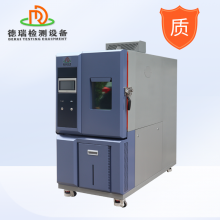
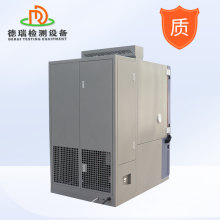
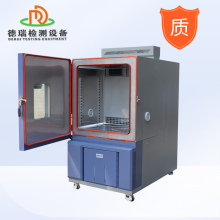
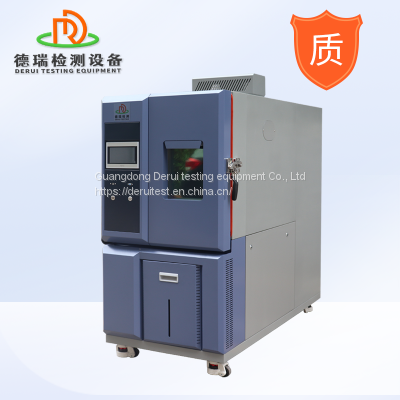
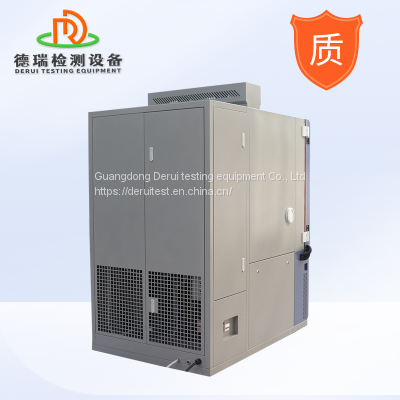
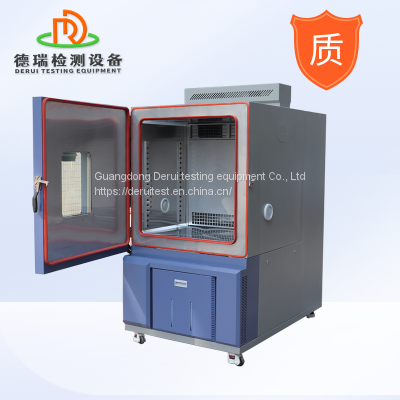
Low-Temperature Humidity Chamber - -40℃ to +150℃ Temperature Range


Related Products
-
 Three-Zone Humidity Chamber - Independent Temperature/Humidity ControlUS$ 3999 - 9999MOQ: 1 Set
 -
Fast-Response Humidity Tester - 5%RH/min Humidity Change RateUS$ 3999 - 9999MOQ: 1 Set
-
Automotive Electronics Humidity Chamber - GM 9537P Humidity TestingUS$ 3999 - 9999MOQ: 1 Set
-
Automotive Electronics Humidity Chamber - GM 9537P Humidity TestingUS$ 3999 - 9999MOQ: 1 Set
-
Ipx4 Ipx5 Ipx6 Rain Water Spray Resistance Test ChamberUS$ 3000 - 5000MOQ: 1 Set
Temperature and Humidity Test Chamber is used to test the performance of materials in various environments and test the heat resistance, cold resistance, dry resistance and humidity resistance of various materials. Suitable for testing the quality of products such as electronics, electrical appliances, mobile phones, communications, meters, vehicles, plastic products, metals,food, chemicals, building materials, medical care, aerospace, etc.
TEST CHAMBER APPLICATIONS
1. To simulate test environment with different temperature and humidity
2. Cyclic test includes climatic conditions: holding test, cooling-off test, heating-up test, moistening test and drying test…
3. Cable port with flexible silicone plug for cable routing to provide the condition of test unit under operation
4. Uncover test unit weakness in a short-term test with accelerated time effect
1. High performance and quiet operation (68 dBA)
2. Space-saving designed for flush installation to wall
3. Full thermal break around doorframe
4. One 50mm diameter cable port o left, with flexible silicone plug
5. Accurate wet/dry-bulb humidity measurement system for easy maintain
1. PLC controller for test chamber
2. Step types include: ramp, soak, jump, auto-start, and end
3. RS-232 interface to connect computer for output
Low Temperature Humidity Chamber -40℃ to +150℃ Temperature Range
1. Test purpose
Cryogenic humidity chambers are primarily used to evaluate the performance and durability of materials and products under extreme temperature and humidity conditions. By simulating temperature ranges from -40℃ to +150℃ and high humidity environments, it can provide a comprehensive understanding of the adaptability and reliability of materials under different climatic conditions.
2. Test Methods
Sample preparation: Prepare samples of suitable size and shape according to the test standards and equipment requirements, and ensure that the sample surface is clean and flat.
Test condition setting: Set the temperature and humidity conditions in the test chamber, the common humidity range is 20% to 98% RH.
Test process: put the sample into the test box, start the equipment, real-time monitoring and recording of temperature, humidity and other environmental parameters and sample performance changes.
3. Application Scenarios
Material R&D: Evaluate the performance of new materials under different temperature and humidity conditions, and optimize the material formulation and preparation process.
Electronic component testing: Test the insulation, conductivity and durability of electronic components and circuit boards in high and low temperatures and high humidity environments.
Automotive materials testing: evaluate the performance and reliability of automotive interior materials and electronic systems under different temperature and humidity conditions.
4. Common Test Items
High and low temperature aging test: Evaluate the performance changes of materials under high and low temperature conditions.
Damp Heat Cycle Test: Simulates the performance of materials under alternating changes in temperature and humidity.
Corrosion Resistance Test: Evaluates the corrosion resistance of materials in high humidity environments.
Electrical performance test: test the insulation and conductivity of the material in different temperature and humidity conditions.
5. Key points for equipment selection
Technical parameters: to ensure that the equipment temperature and humidity control range, accuracy, volatility and other technical parameters to meet the test requirements.
Sample capacity: according to the size and number of test samples, select the appropriate equipment capacity.
Data Recording and Analysis Function: Choose the equipment with real-time data recording and analysis function, which is convenient for analyzing the test results and generating reports.
Safety performance: the equipment should be equipped with multiple safety protection mechanisms, such as over-temperature protection, over-voltage protection, etc., to ensure the safety of personnel and equipment in the testing process.
6. Dew point control method
Low-temperature humidity chamber through precise control of dew point temperature to achieve high humidity environment. Common dew point control methods include cold mirror dew point meter and shunt method, which can realize high-precision dew point adjustment.
Low temperature and humidity chambers are widely used in materials testing, mainly for evaluating the performance and durability of materials under extreme temperature and humidity conditions. The following are some specific application scenarios and testing programs:
1. Material Research and Development
New material evaluation: In the process of new material research and development, the performance of materials under different temperature and humidity conditions, such as tensile strength, hardness, toughness, etc., is evaluated by the low-temperature humidity box.
Material Optimization: According to the test results, optimize the formulation and preparation process of the material to improve the durability and environmental adaptability of the material.
2. Quality control
Material testing in the production process: In the production line, use the low-temperature humidity box to test the raw materials or semi-finished products to ensure that their performance meets the requirements under different temperature and humidity conditions.
Finished product testing: Temperature and humidity environment testing of the final product to ensure the reliability and stability of the product in actual use.
3. Electronic components testing
Humidity resistance test of electronic components: test the insulation and conductivity of electronic components in high and low temperature and high humidity environment.
Durability testing of circuit boards: Evaluate the corrosion resistance and mechanical properties of circuit boards under different temperature and humidity conditions.
4. Automotive material testing
Durability testing of automotive interior materials: evaluate the color stability and abrasion resistance of automotive interior materials under different temperature and humidity conditions.
Environmental adaptability test of automotive electronic system: test the performance and reliability of automotive electronic system in high and low temperature and high humidity environment.
5. Aerospace materials testing
Durability test of aircraft materials: evaluate the performance and durability of aircraft materials under extreme temperature and humidity conditions.
Environmental adaptability testing of electronic equipment: testing the reliability and stability of aerospace electronic equipment under different temperature and humidity conditions.

Send Inquiry to This Supplier


You May Also Like
-
Ipx34 Water Rain Spray Test ChamberUS$ 3000 - 5000MOQ: 1 Set
-
IEC 60068 Stainless Steel Rain Test ChamberUS$ 3000 - 5000MOQ: 1 Set
-
Ipx1-6 Comprehensive Rain Tester ChamberUS$ 3000 - 5000MOQ: 1 Set
-
Rain Test Chamber Vertical Drip Rain TesterUS$ 3000 - 5000MOQ: 1 Set
-
Weather Spray And Rain Test ChamberUS$ 3000 - 5000MOQ: 1 Set
-
Weather Spray And Rain Test ChamberUS$ 3000 - 5000MOQ: 1 Set
-
Weather Spray And Rain Test ChamberUS$ 3000 - 5000MOQ: 1 Set
-
Touch Screen Programmable Rain Testing EquipmentUS$ 3000 - 5000MOQ: 1 Set
-
Rain Spray Simulation Environmental ChamberUS$ 3000 - 5000MOQ: 1 Set
-
High Temperature Pressure Jet Waterproof Test ChamberUS$ 3000 - 5000MOQ: 1 Set


