








 Contact Platform Support
 Help Center
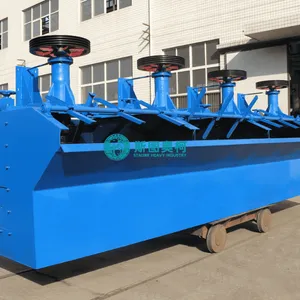
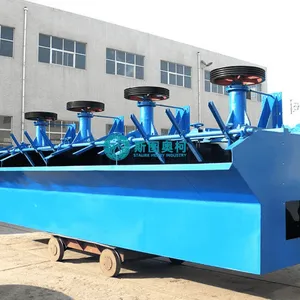
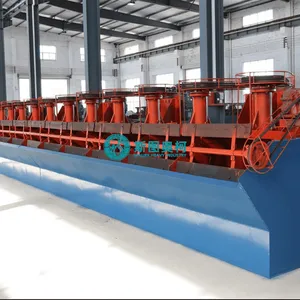
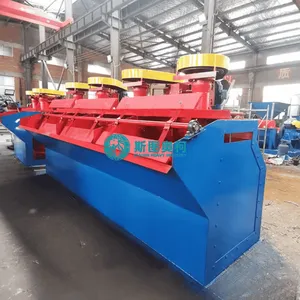
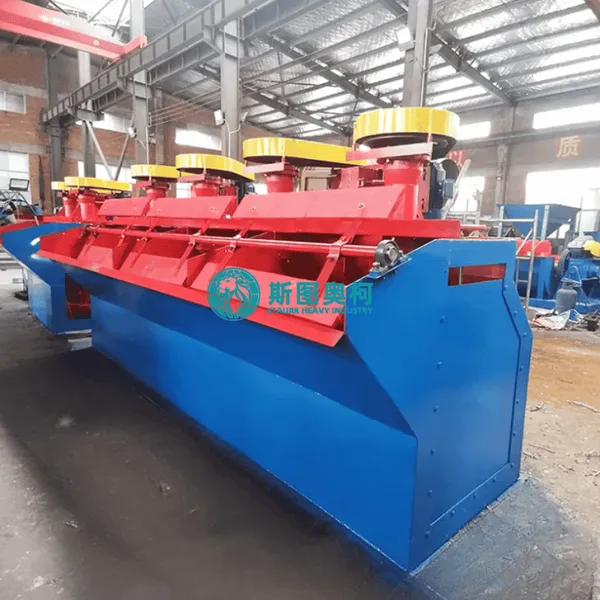
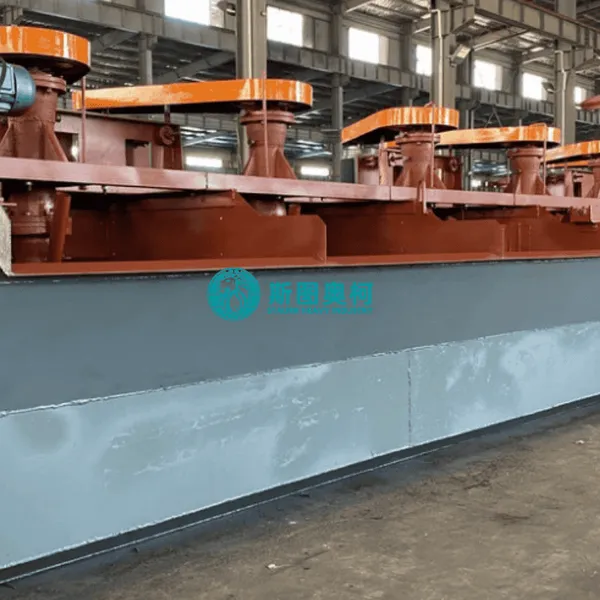
Flotation Cell for Low Grade Ore Upgrade
Product Spotlights



Related Products
-
 Flotation Cell for Mining Plant OptimizationNegotiableMOQ: 1 Set
 -
Flotation Cell for Metallurgical PlantNegotiableMOQ: 1 Set
-
Flotation Cell for Mineral Processing EngineeringNegotiableMOQ: 1 Set
-
Flotation Cell for Mining Plant ExpansionNegotiableMOQ: 1 Set
-
Flotation Cell for South America Mining ProjectsNegotiableMOQ: 1 Set
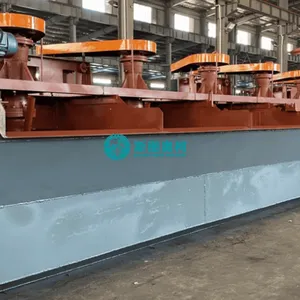
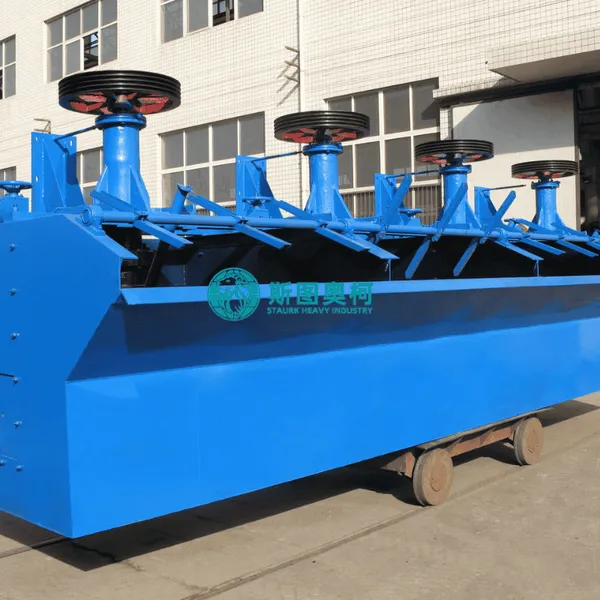
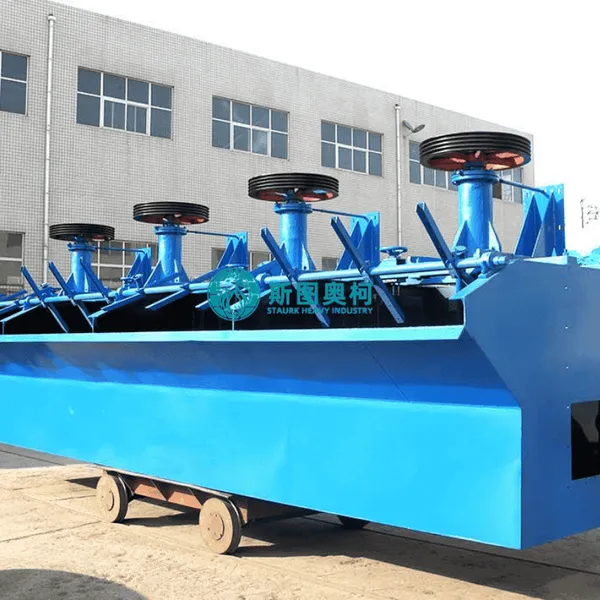
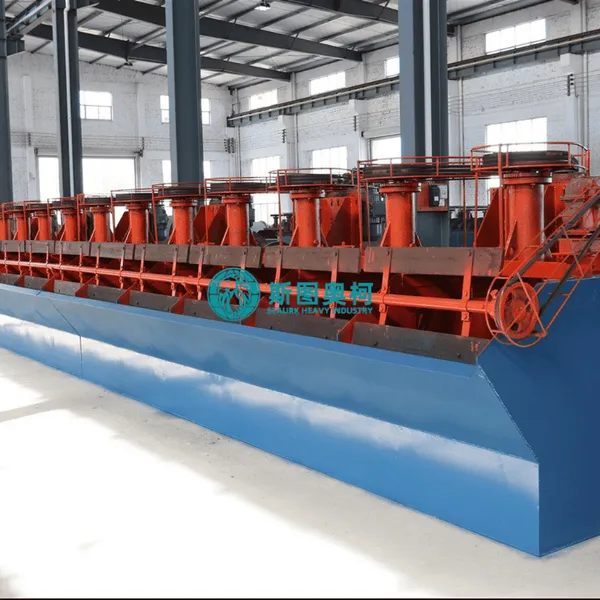
Product Introduction Flotation cell for low grade ore upgrade
A flotation cell for low grade ore upgrade is a high-capacity beneficiation unit specifically engineered to extract valuable minerals from deposits with exceptionally low head grades. When treating low-grade ores, the vast majority of the mined material consists of worthless gangue, requiring a flotation cell that can process massive volumetric flow rates, maximize bubble-particle collision frequency, and achieve a high concentration ratio to upgrade the material into a commercially viable product.
Application Flotation cell for low grade ore upgrade
As high-grade mineral reserves deplete globally, mining operations increasingly rely on upgrading low-grade deposits. This equipment is critical for the following typical scenarios: Low-Grade Porphyry Deposits: Processing massive volumes of copper or molybdenum ores where the target metal content is often well below 0.5%, requiring aggressive mass reduction. Ultra-Fine Low-Grade Tailings Re-treatment: Re-processing historical plant tailings or waste dumps to recover residual valuable minerals that were previously deemed uneconomical to extract. Run-of-Mine Lean Ores: Upgrading iron, manganese, or phosphate ores from marginal deposits, transforming low-value raw material into high-grade feed suitable for pelletizing or chemical processing.
Working Principle Flotation cell for low grade ore upgrade
The cell operates by maximizing the kinetics of mineral collection within large volumes of slurry to ensure that sparse target particles are successfully captured. High-Probability Collision Dynamics: Because the target mineral particles are highly diluted within the slurry, the cell utilizes an optimized rotor-stator geometry that creates an intense, widespread mixing zone. This ensures that even sparsely distributed hydrophobic particles frequently collide with and attach to the rising air bubbles. Massive Air Dispersion: Large volumes of low-pressure air are forced into the cell and sheared into a dense cloud of uniform micro-bubbles. This high bubble surface area flux is essential to provide enough attachment sites for the target minerals across a high volumetric flow rate. Shallow Froth Bed Management: To maximize recovery from low-grade feeds, the cell is operated with a relatively shallow, fast-moving froth bed. This allows the sparsely loaded bubbles to quickly overflow into the collection launders before the fragile target minerals can detach and drop back into the pulp.
Advantages Flotation cell for low grade ore upgrade
Exceptional Concentration Ratio: The system efficiently separates a tiny fraction of valuable minerals from a massive volume of waste rock, turning uneconomical, low-grade ore bodies into high-value concentrates in a single processing train. High Volumetric Capacity: Available in massive tank sizes (often exceeding 300 to 600 cubic meters), these cells allow plants to achieve the massive throughput economies of scale required to make low-grade mining profitable. Low Operating Cost per Ton: Engineered with advanced energy-efficient impellers and automated pulp level controls, the cells minimize power and reagent consumption per ton of treated material, keeping operational expenditures low.
Technical Specifications
Category |
Model |
Effective Volume |
Capacity |
Impeller |
Impeller RPM Motor Power |
(kW)-Agitating |
Motor Power |
Single Weight (t) |
XJK type |
XJK-0.35 |
0.35 |
0.18-0.4 |
300 |
480 |
1.5 |
0.75 |
0.6 |
XJK-0.62 |
0.3-0.9 |
350 |
400 |
3 |
1.1 |
0.9 |
||
XJK-1.1 |
0.6-1.6 |
500 |
330 |
5.5 |
1.1 |
1.3 |
||
XJK-2.8 |
1.5-3.5 |
600 |
280 |
11 |
1.5 |
2.5 |
||
XJK-5.8 |
5.8 |
5-7 |
750 |
240 |
15 |
1.5 |
3.6 |
|
SF type Flotation |
SF-0.37 |
0.37 |
0.2-0.4 |
300 |
352-442 |
1.5 |
0.55 |
0.5 |
SF-0.65 |
0.65 |
0.3-1.0 |
350 |
336 |
3 |
1.1 |
1 |
|
SF-1.2 |
1.2 |
0.6-1.6 |
450 |
298 |
5.5 |
1.1 |
1.5 |
|
SF-2.8 |
2.8 |
1.5-3.5 |
550 |
268 |
11 |
1.5 |
2.3 |
|
SF-4 |
4 |
2-4 |
650 |
237 |
15 |
2.2 |
2.8 |
|
SF-8 |
8 |
4-8 |
760 |
191 |
30 |
2.2 |
4.3 |
|
SF-10 |
10 |
5-10 |
760 |
191 |
30 |
3 |
4.6 |
|
SF-16 |
16 |
6-16 |
850 |
180 |
45 |
3 |
7.8 |
|
SF-20 |
20 |
8-20 |
730 |
186 |
55 |
3 |
9.8 |
|
| JJF type Flotation machine | JJF-2 |
2 |
1-3 |
370 |
400 |
11 |
1.1 |
1.9 |
JJF-4 |
4 |
2-4 |
410 |
305 |
15 |
1.5 |
2.3 |
|
JJF-8 |
8 |
4-8 |
540 |
233 |
22 |
2.2 |
4.5 |
|
JJF-10 |
10 |
5-10 |
540 |
233 |
22 |
2.2 |
4.9 |
|
JJF-16 |
16 |
5-16 |
700 |
180 |
37 |
2.2 |
8.2 |
|
JJF-20 |
20 |
5-20 |
730 |
180 |
37 |
2.2 |
10.5 |

Send Inquiry to This Supplier



You May Also Like
-
Flotation Cell for Bolivia Mining PlantNegotiableMOQ: 1 Set
-
Flotation Cell for Peru Mining ProjectsNegotiableMOQ: 1 Set
-
Flotation Cell for Africa Mining IndustryNegotiableMOQ: 1 Set
-
Flotation Cell for Asia Mining PlantNegotiableMOQ: 1 Set
-
Flotation Cell for Export Mining Equipment ChinaNegotiableMOQ: 1 Set
-
150 TPD Zinc, Lead, and Silver Flotation LineNegotiableMOQ: 1 Set
-
Flotation Cell With High Recovery RateNegotiableMOQ: 1 Set
-
Flotation Cell With Low Energy ConsumptionNegotiableMOQ: 1 Set
-
Flotation Cell With Automatic Control SystemNegotiableMOQ: 1 Set
-
Flotation Cell With Air Inflation SystemNegotiableMOQ: 1 Set


