








 Contact Platform Support
 Help Center
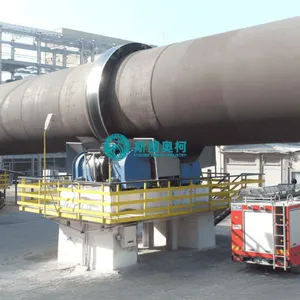
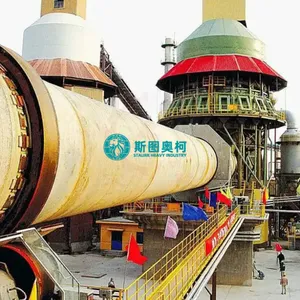
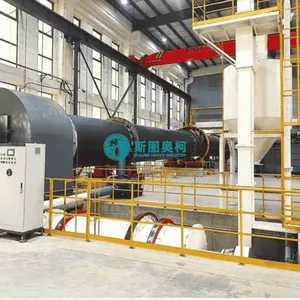
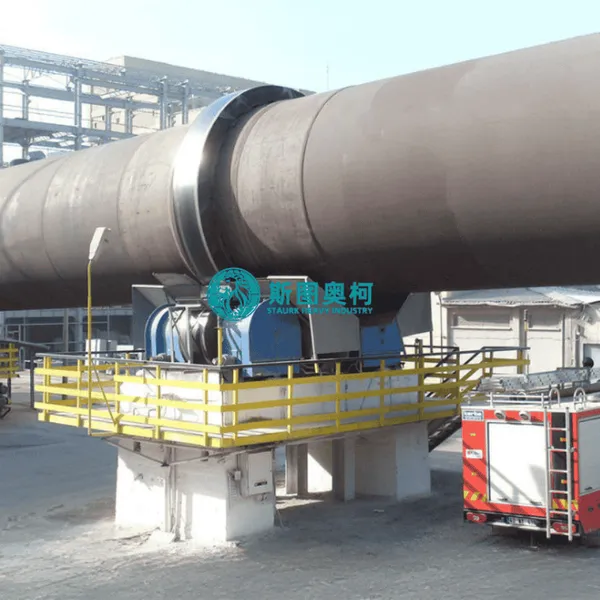
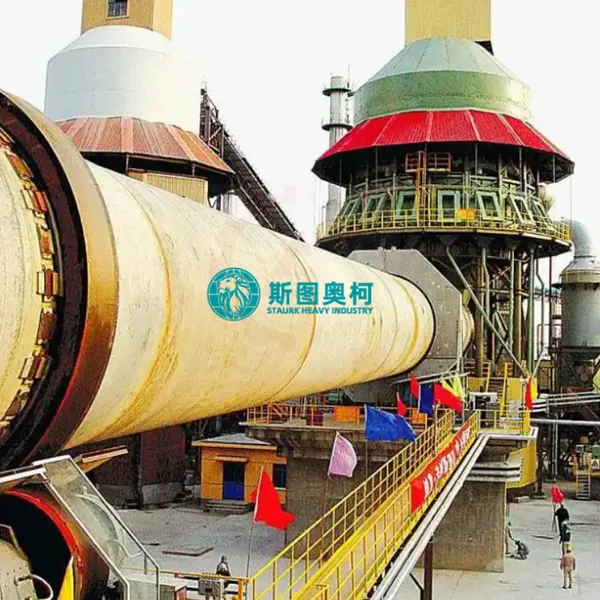
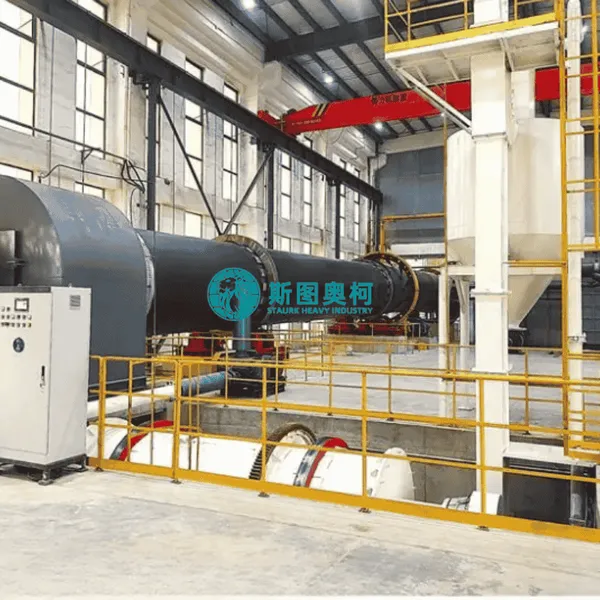
Rotary Kiln for Titanium Dioxide Processing 300 Tpd



Related Products
-
 Rotary Kiln for Smart Control System 400 TpdUS$ 2000 - 80000MOQ: 1 Set
 -
Rotary Kiln for Advanced Thermal Process 500 TpdUS$ 2000 - 80000MOQ: 1 Set
-
Rotary Kiln Turnkey Plant 500 TpdUS$ 2000 - 80000MOQ: 1 Set
-
Rotary Kiln for Phosphate Rock Calcination 500 TpdNegotiableMOQ: 1 Set
-
Rotary Kiln EPC Project 1000 TpdUS$ 2000 - 80000MOQ: 1 Set
rotary kiln for titanium dioxide processing 300 tpd
1. Introduction
The 300 TPD (Tons Per Day) Rotary Kiln for Titanium Dioxide Processing is a highly specialized, precision-controlled calcination reactor. It is an indispensable component in the production of high-grade titanium dioxide white pigments, which are extensively used in paints, coatings, plastics, paper, and cosmetics.
Operating at a commercial mid-to-large capacity of 300 tons per day, this rotary kiln calciner is uniquely engineered to transform amorphous metatitanic acid into chemically stable, highly crystalline particles. The system handles critical solid-state chemical transitions, enabling manufacturers to precisely control whether the final pigment takes the form of high-purity Anatase or highly durable Rutile crystal polymorphs.
2. Working Principle
The manufacturing of titanium dioxide inside a rotary kiln is a continuous pyro-processing method utilizing a counter-current thermal design. The raw paste moves through strictly regulated temperature zones:
Material Feeding and Drying : The washed and conditioned metatitanic acid slurry or wet filter cake is metered into the kiln tail (the elevated feed end). As the tilted kiln rotates slowly, internal flights lift and disperse the sticky paste. The counter-flowing hot flue gases rapidly evaporate the free surface water and chemically bound water.
Desulfurization Zone : Moving further down the inclined cylinder, the dried material undergoes desulfurization. Trace trioxide impurities and sulfur fractions , left over from the upstream sulfuric acid digestion process, are thermally broken down and driven off into the exhaust stream.
High-Temperature Calcination & Crystal Transformation : The material enters the critical calcination zone near the kiln head, heated directly by a high-momentum burner (fueled by natural gas or clean fuel oil). Within this window, micro-crystals grow, grow denser, and cross the phase boundary into the targeted crystalline form.
For Anatase production, the temperature is capped tightly around .
For Rutile production, the material is calcined at higher ranges up to with the aid of crystal-lattice prompts (rutile seed catalysts).
Controlled Product Discharge: The hot, brilliant white clinker discharges continuously from the kiln head into a rotary drum cooler, dropping its temperature rapidly before moving to downstream fine-grinding and surface-treatment mills.
3. Advantages
Flawless Crystal Phase Control: The kiln is equipped with ultra-sensitive, multi-point thermocouple rings and variable-speed drives. This allows operators to lock in an incredibly narrow temperature profile , which is critical because even minor thermal variations can ruin the anatase-to-rutile conversion ratio.
Uniform Particle Size and Scatter Power: The continuous tumbling action provides uniform heat distribution across the powder bed. This prevents localized agglomeration (clumping) or over-sintering, ensuring consistent particle sizing that directly optimizes the pigment’s scattering power, opacity, and whiteness.
Anti-Corrosive Refractory Linings: Titanium dioxide calciners face highly corrosive conditions due to escaping sulfurous acid gases . The internal shell is lined with premium, acid-resistant, and high-purity refractory bricks to resist chemical erosion and prevent lining particles from breaking off and contaminating the pure white product.
High-Efficiency Airtight Seals: To prevent external dust or cold air from leaking in and altering the internal temperature zones or introducing mineral impurities, the kiln employs advanced double-face mechanical graphite or pneumatic face seals.
4.Commercial Scaling & Sustainability
Optimized 300 TPD Output: This specific scale delivers a highly profitable balance between capital expenditure (CAPEX) and volume output, making it the standard preferred modular unit size for national and international chemical plants.
Acid Exhaust Recycling: The sulfur-rich flue gas exiting the kiln tail is not wasted; it is captured by a highly sophisticated exhaust system, passing through mist precipitators and scrubbers where the sulfur is recovered to synthesize or regenerate fresh processing acid, slashing plant chemical costs.

Send Inquiry to This Supplier



You May Also Like
-
Rotary Kiln for Fluorite Ore Processing 200 TpdUS$ 2000MOQ: 1 Set
-
Rotary Kiln Complete Production Line 800 TpdUS$ 2000 - 80000MOQ: 1 Set
-
Rotary Kiln Mineral Processing Plant 1000 TpdUS$ 2000 - 80000MOQ: 1 Set
-
Rotary Kiln for Silica Sand Processing 500 TpdNegotiableMOQ: 1 Set
-
Rotary Kiln Mining EPC Solution 500 TpdUS$ 2000 - 80000MOQ: 1 Set
-
Rotary Kiln Industrial Plant Solution 300 TpdUS$ 2000 - 80000MOQ: 1 Set
-
Rotary Kiln Ore Processing Turnkey System 600 TpdUS$ 2000 - 80000MOQ: 1 Set
-
Rotary Kiln Mineral Calcination Plant 800 TpdUS$ 2000 - 80000MOQ: 1 Set
-
Rotary Kiln Engineering Solution 1000 TpdUS$ 2000 - 80000MOQ: 1 Set
-
Rotary Kiln Plant Design Solution 500 TpdUS$ 2000 - 80000MOQ: 1 Set


