








 Contact Platform Support
 Help Center
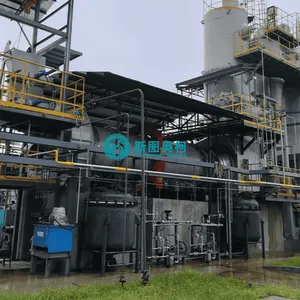
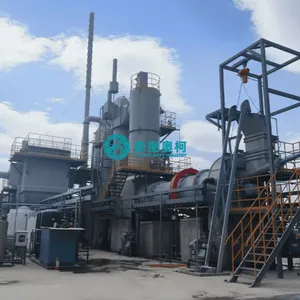
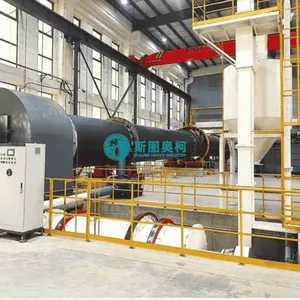
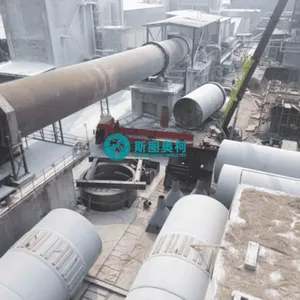
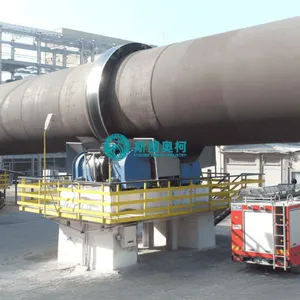
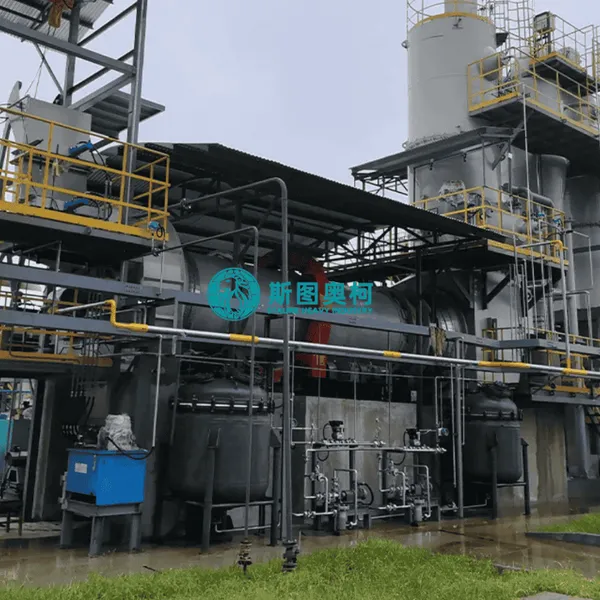
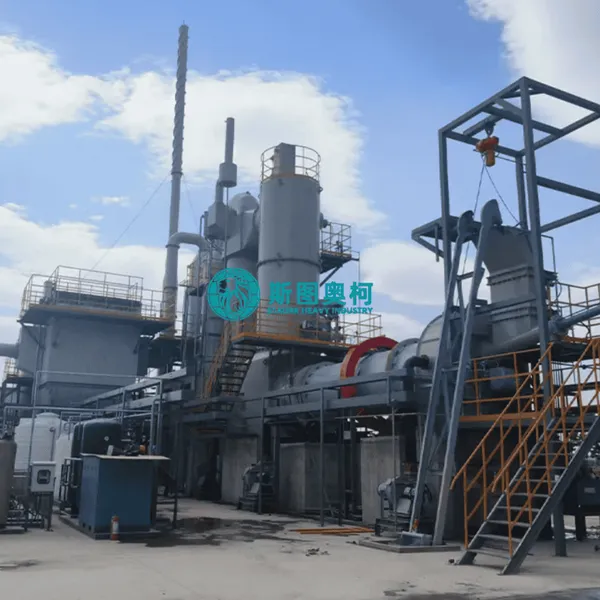
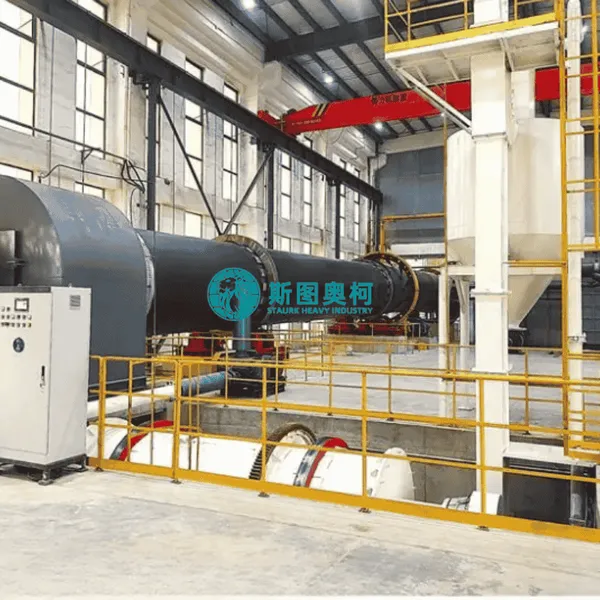
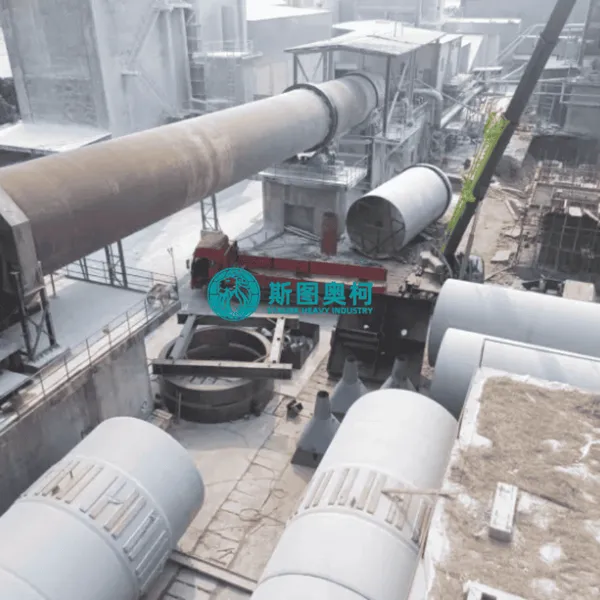
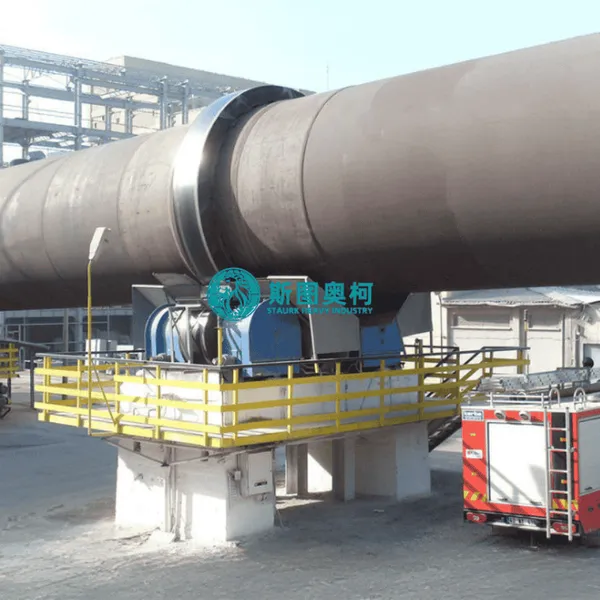
Rotary Kiln for Bentonite Activation 200 Tpd
Product Spotlights



Related Products
-
 Rotary Kiln for Gypsum Calcination 300 TpdNegotiableMOQ: 1 Set
 -
Rotary Kiln for Phosphate Rock Calcination 500 TpdNegotiableMOQ: 1 Set
-
Rotary Kiln for Silica Sand Processing 500 TpdNegotiableMOQ: 1 Set
-
Rotary Kiln for Ceramic Material Calcination 200 TpdNegotiableMOQ: 1 Set
-
Rotary Kiln for Cement Clinker Production 2000 TpdNegotiableMOQ: 1 Set
1. Introduction
The 200 TPD (Tons Per Day) Rotary Kiln for Bentonite Activation is a highly efficient thermal processing system specifically engineered for the precise drying, calcination, and thermal activation of raw bentonite clay. With a daily output of 200 tons, this system serves as a vital production link for industries requiring high-grade activated clay, including metallurgy (pellet binders), civil engineering (drilling muds), foundry sand binders, environmental filtration, and chemical manufacturing.
Its primary function is to subject raw calcium or sodium bentonite to uniform, controlled high-temperature thermal treatment. This precise heating drives off free moisture and carefully removes bound interlayer water without collapsing the clay's delicate crystal lattice, thereby maximizing its specific surface area, swelling capacity, adsorption performance, and ion-exchange properties to yield premium-grade activated bentonite.
2. Working Principle
The thermal activation of bentonite inside the rotary kiln is a continuous pyro-processing method based on an optimized heat flow design tailored to protect the structural integrity of the clay mineral. The system typically operates through the following sequential stages:
Material Feeding: Raw, crushed bentonite clay (often pre-treated or extruded with chemical activators if producing acid-activated clay) is continuously and metered into the kiln tail (the elevated, cooler end of the slightly inclined rotating cylinder).
Drying and Preheating: As the kiln rotates slowly, internal flights or lifters cascade the bentonite through the hot gas stream. In this initial zone, surface moisture and free water are rapidly and thoroughly evaporated, preparing the clay particles for structural transformation.
Controlled Thermal Activation: The dried material transitions into the high-temperature zone. Here, subjected to precise temperature profiles (typically between 300°C and 600°C depending on the mineral grade), the interlayer water is driven off. The exact thermal control ensures the clay undergoes ideal phase transformation and lattice modification without overheating, which would otherwise dead-burn the material and destroy its colloidal properties.
Cooling & Product Discharge: The activated, free-flowing bentonite discharging from the kiln head enters a rotary cooler. Indirect air cooling or controlled ventilation rapidly lowers the temperature of the activated clay to prevent structural re-hydration, making it ready for immediate downstream milling, storage, and transport.
3. Advantages
Optimized Capacity for Versatile Market Demands: A 200 TPD throughput capacity provides an ideal balance between capital investment and manufacturing flexibility. It allows regional industrial mineral processors and specialized chemical plants to efficiently run dedicated batches of sodium, calcium, or acid-activated bentonite without the massive overhead of mega-scale plants.
Precision Temperature Profile Control: Bentonite is highly sensitive to thermal degradation. Advanced automation systems and multi-stage burner controls allow operators to maintain strict temperature zones within tight tolerances along the kiln length. This eliminates the risk of localized over-calcination and ensures maximum preservation of active mineral sites.
Enhanced Product Consistency and Quality: The dynamic tumbling action driven by the kiln's rotation ensures that every bentonite particle experiences identical thermal conditions. This guarantees uniform moisture elimination and crystalline activation across the entire batch, resulting in superior viscosity, gelling, and adsorption metrics in the final product.
High Energy Efficiency & Heat Integration: The system is engineered to optimize thermal efficiency. High-temperature exhaust gases from the kiln tail can be redirected to a pre-drying flash system or a waste heat recovery unit, significantly reducing overall fuel consumption (natural gas, heavy oil, or coal) and lowering operational costs.
Advanced Dust Suppression & Environmental Compliance: Given the fine, powdery nature of processed bentonite, the system integrates robust sealing mechanisms at the kiln head and tail. Paired with high-efficiency pulse-jet bag filters and cyclone separators, the system guarantees maximum product recovery while easily satisfying modern environmental particulate emission standards.

Send Inquiry to This Supplier



You May Also Like
-
Rotary Kiln for Cement Plant 1000 TpdNegotiableMOQ: 1 Set
-
Rotary Kiln for Cement Production Line 1500 TpdNegotiableMOQ: 1 Set
-
Rotary Kiln for Clinker Burning System 2000 TpdNegotiableMOQ: 1 Set
-
Rotary Kiln for Cement Raw Meal Calcination 1500 TpdNegotiableMOQ: 1 Set
-
Rotary Kiln for Mini Cement Plant 300 TpdNegotiableMOQ: 1 Set
-
Rotary Kiln for Lime Cement Plant System 500 TpdNegotiableMOQ: 1 Set
-
Rotary Kiln for Lime Cement Plant System 500 TpdNegotiableMOQ: 1 Set
-
Bentonite Rotary Drum Dryer by 20TPH to 80TPHNegotiableMOQ: 1 Set
-
Hot Sell Rotary Dryer Henan Staurk MachineryNegotiableMOQ: 1 Set
-
5TPH to 80TPH Bentonite Ore Dryer From ChinaNegotiableMOQ: 1 Set


