








 Contact Platform Support
 Help Center
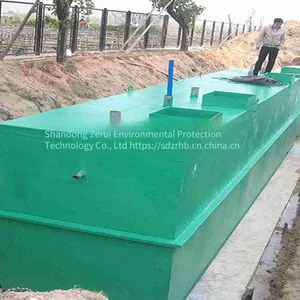
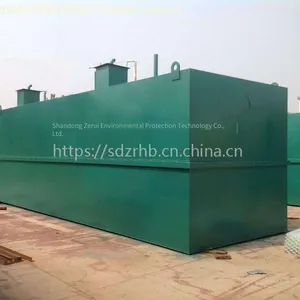
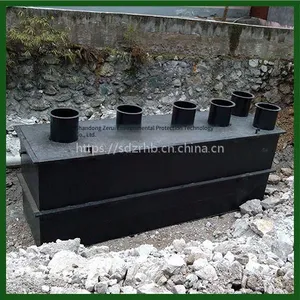
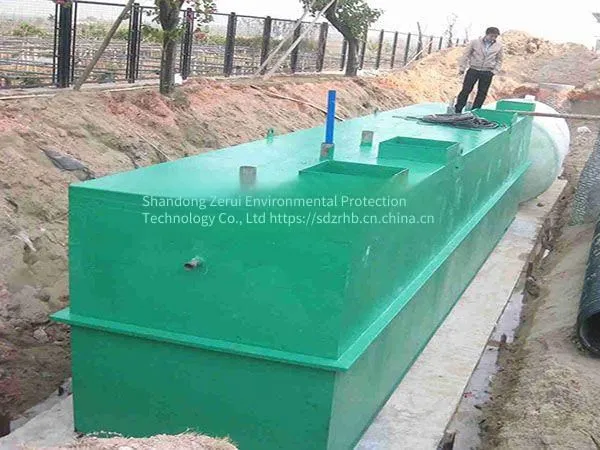
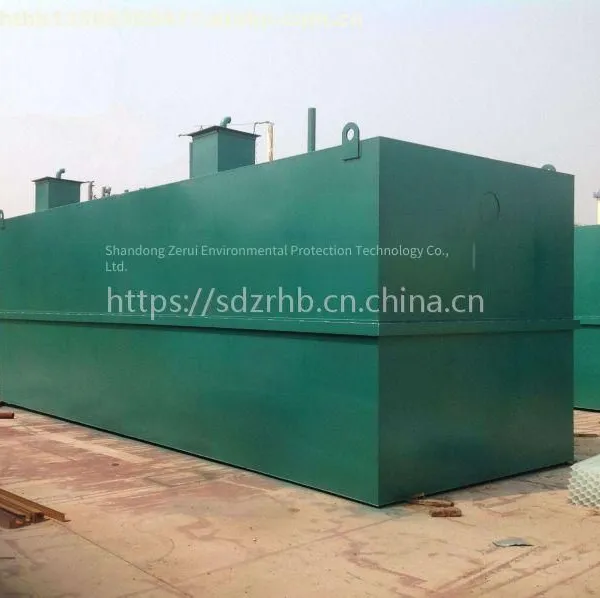
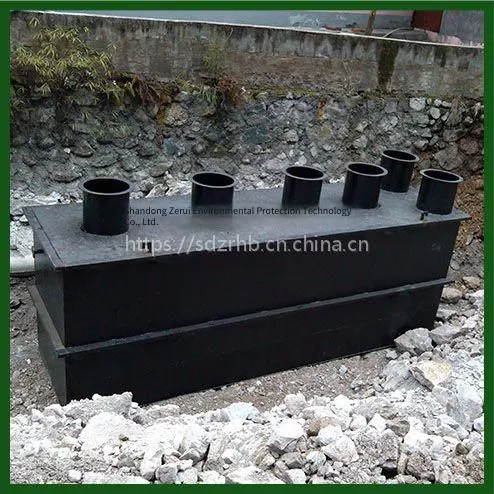
Zerui Supplies 50m³/h Integrated Sewage Treatment Equipment With Affordable Price and Lifetime Warranty



Related Products
-
 Prices, Models, and Pictures of Sewage Treatment Equipment for Disease Control and Prevention Centers - Shandong Zerui Environmental ProtectionUS$ 1461.54 - 1692.31MOQ: 1 Unit
 -
How Much is the Dissolved Air Flotation Machine for Sewage Treatment Equipment in Soy Product Processing? for Clear and up - to - Standard Effluent for Reuse, Contact Zetray.US$ 2584.62 - 2753.85MOQ: 1 Unit
-
Belt Filter Press for Sludge Treatment in Sand Washing Plants, Suitable for Sand Washing Plants and FarmsUS$ 1523.08 - 2446.15MOQ: 1 Unit
-
Which Company Has the Best Sewage and Sludge Dewatering Machine for Sand Washing Plants? Look for Shandong Zerui Environmental Protection. It's Reliable.US$ 4430.77 - 5046.15MOQ: 1 Unit
-
Prices, Models, and Pictures of Oral Clinic Sewage Treatment Equipment - Shandong Zerui Environmental ProtectionUS$ 1507.69 - 2307.69MOQ: 1 Unit
Zetray supplies integrated sewage treatment equipment [Factory direct sales with perfect after-sales service] Come to Shandong Zetray Environmental Protection Technology Co., Ltd.!
With the rapid increase of the urban population in China, the urban water demand has increased sharply. China's urban water demand will increase significantly. According to statistics, China's urban sewage treatment capacity has exceeded that of the United States (150 million cubic meters per day). In the first quarter of 2014, the number of sewage treatment plants was 3,622. According to relevant regulations, the urban sewage treatment rate shall not be less than 70%. To achieve this goal, China needs to build nearly 1,000 new sewage treatment plants, with a total investment of up to 200 to 300 billion yuan. In addition, the investment in the corresponding pipeline network construction is also very huge. Therefore, it is in line with China's national conditions and development situation to transform the sewage treatment system from large-scale centralized to small and medium-scale decentralized, forming a layout of "mainly large-scale, supplemented by small and medium-sized".
This provides a new opportunity for the application and development of integrated sewage treatment equipment. At present, in China, Japan, Europe, the United States and other countries and regions, integrated equipment has been widely used in the treatment of domestic sewage and wastewater from hospitals, papermaking, food, chemical industry and other fields, and has become a research and application hotspot of sewage treatment equipment in recent years.
1. Advantages of the equipment
Compared with large-scale sewage treatment systems, integrated sewage treatment equipment has the advantages of high treatment efficiency, low energy consumption, less sludge production, convenient management and small floor area. Therefore, integrated sewage treatment equipment has been widely used in the field of sewage treatment. Moreover, under the new situation, it has irreplaceable advantages:
(1) Make full use of idle social funds. At present, on the one hand, there is a huge financial pressure to build large-scale sewage treatment plants, and on the other hand, there are a large amount of idle social funds that are difficult to utilize. The total investment of integrated equipment is very small, which is suitable for small social funds investment such as real estate properties and small factories, and can directly and effectively utilize such idle funds. This is also more in line with China's environmental protection feature of "whoever pollutes, whoever treats".
(2) Relieve the pressure of municipal pipeline network construction. Building large-scale sewage treatment plants often requires the construction of large-scale municipal pipeline network systems. For places with underdeveloped pipeline networks such as small residential areas, scenic spots and factories, it is neither convenient to manage nor economical to build sewage treatment plants. In this case, it is more appropriate to use integrated sewage treatment equipment. In addition, for the separate drainage system, the sewage with a small flow rate can be directly discharged into the rainwater pipeline or water body after being treated by the integrated equipment without increasing the pressure on the sewage pipeline.
(3) Effectively save construction area. The construction of sewage treatment plants is bound to occupy a large area of land and damage the ecology. With the process of urbanization, the land use is becoming increasingly tense. The integrated equipment has high treatment efficiency and can be buried underground, basically not occupying the surface area of the land, and does not affect the overall layout and environmental landscape of the building complex.
(4) Effectively realize reclaimed water reuse and save water. The main obstacle for large-scale sewage treatment plants to carry out reclaimed water services also lies in the need to lay a huge reclaimed water pipeline network. However, integrated sewage treatment equipment can be more flexibly configured. Usually, the drainage point is also the reclaimed water reuse point, and the construction of the reclaimed water pipeline can be completely omitted. With the improvement of China's requirements for reclaimed water reuse, integrated equipment will show greater advantages.
2. General process flow
The integrated sewage treatment equipment uses the aerobic biochemical method as the main treatment process (the process flow is shown in Figure 1). The equipment body includes the primary sedimentation tank, the biochemical tank, the secondary sedimentation tank and the disinfection tank. A regulating tank generally needs to be set before the equipment body to equalize the water quality and quantity; the designed retention time is 4 - 8 hours. Both the primary sedimentation tank and the secondary sedimentation tank are vertical flow type. The biochemical tank mostly uses the biofilm method with blast aeration, and the designed retention time is 4 - 8 hours. The effluent from the secondary sedimentation tank enters the disinfection tank. According to the specifications, the contact time is designed to be 0.5 hours. For hospital sewage, the contact time is 1.5 - 2 hours.
The main treatment objects of the integrated sewage treatment equipment are domestic sewage with small and medium water volume and low-concentration organic wastewater. The designed influent CODCr
3. Technological innovation and development
Since the technology of integrated sewage treatment equipment was introduced into China in the early 1980s, with the improvement of sewage treatment requirements and its application and practice, it has been continuously innovated and developed. Generally speaking, the research on this technology mainly focuses on the improvement of the main process, the optimization combination of the process flow and the improvement of the filler performance, etc., in order to further improve the treatment efficiency, reduce energy consumption and highlight the advantages of the integrated treatment equipment.
3.1 Improvement of the main process
The main process of the integrated sewage treatment equipment mostly uses the biofilm method. The biofilm method has a high sludge concentration, a large volume load, strong impact resistance and high treatment efficiency. Early equipment mainly used the biological rotating disk, which was bulky, difficult to control the biofilm, and the disk shaft was easy to damage. At present, the integrated sewage treatment equipment has gradually developed into the contact oxidation method and the biological fluidized bed process. In particular, the biological fluidized bed has become a research hotspot in recent years. Compared with the contact oxidation method, the biological fluidized bed has a higher sludge concentration, stronger impact resistance, a lower residual sludge rate, no blockage, uniform mixing, and has a better nitrogen removal effect. Its configuration form is also more flexible than the contact oxidation method.
Ordinary biological fluidized beds add suspended fillers to sewage, providing a good carrier for microorganisms and increasing the microbial concentration. The fillers are in a fluidized state under the push of water flow and air flow, having the dual characteristics of biofilm and activated sludge. With the progress of research, new types such as biological semi - fluidized beds, BASE three - phase biological fluidized beds, and Circox airlift biological fluidized beds have emerged continuously. The oxygenation characteristics, water flow state, sludge concentration, and nitrogen removal effect of fluidized beds have been greatly improved. The new - type fluidized beds have higher treatment efficiency and further reduced floor area, but their structures are relatively complex and the equipment height increases accordingly. Therefore, the application of these new - type fluidized beds in integrated equipment still needs time. In recent years, integrated equipment with MBR, SBR, DAT - IAT, etc. as the main processes has also been reported. The MBR method has high treatment efficiency and does not require a secondary sedimentation tank, but the investment and operating costs are high and the management is relatively complex. The DAT - IAT and SBR methods belong to the intermittent activated sludge method, with low treatment efficiency. Therefore, they are not widely used as the process of integrated sewage treatment equipment.
3.2 Optimal combination of process flow
The early process flow of integrated sewage treatment equipment was characterized by being "small but complete", appearing rather cumbersome. With the application and development of integrated sewage treatment equipment, its process flow has been continuously improved, becoming more compact and improving the treatment efficiency. The improvement of the process flow mainly focuses on improving treatment efficiency, reducing floor area, and lowering energy consumption. The improvement of the process flow mainly includes three aspects:
(1) Replace the original primary sedimentation tank and sludge tank with an acidification tank, and the acidification tank and the regulating tank can be inverted. The sludge production of integrated equipment is relatively small, and the sludge from the sedimentation tank (filter tank) can be returned to the acidification tank. The functions of the acidification tank include three aspects: First, the macromolecular organic matter in sewage can be decomposed into small - molecular organic matter through hydrolysis and acidification, improving the biodegradability; the retention time in the biochemical tank can be reduced to about 4 hours; fillers can also be set in the acidification tank to increase the concentration of acid - producing bacteria. Second, the returned sludge can not only increase the microbial concentration in the acidification tank but also has a certain biological flocculation function, initially flocculating and precipitating some suspended or colloidal pollutants and reducing the load on the subsequent biochemical tank. Third, the returned sludge is compressed under the action of hydraulic self - weight, and at the same time, the sludge can be digested to a certain extent in the acidification tank, further reducing the sludge volume; the sludge in the acidification tank is generally pumped regularly (once a year). The combination of the acidification tank, primary sedimentation tank, and sludge tank greatly reduces the floor area and improves the treatment efficiency.
(2) Develop from the original ordinary sedimentation tank to inclined tube sedimentation or filter tank. The upward flow velocity of sewage in an ordinary sedimentation tank is generally 0.1 - 0.5 mm/s, while the upward flow velocity of sewage in an inclined tube (plate) sedimentation tank can reach 0.3 - 0.5 mm/s, and its surface load is 3 - 5 times that of an ordinary sedimentation tank. The filter tank can use light - weight filter materials. For example, Pengyao Group uses light - weight foam filter beads, and the designed filtration velocity can reach 0.5 - 1.0 mm/s, further improving the treatment efficiency. When the filter tank uses heavy - weight filter materials (such as anthracite, quartz sand, etc.), the filtration velocity can reach 2 - 4 mm/s; however, the heavy - weight filter materials increase the weight of the equipment and are not suitable for equipment integration. Compared with ordinary sedimentation and inclined tube sedimentation, filtration uses the flocculation of sludge in the effluent of the biochemical tank to deposit on the surface of the filter material or in the pores of the filter material through contact adsorption, actually playing the dual roles of flocculation adsorption and shallow - pool sedimentation 〔5〕. Generally, equipment with a capacity of more than 10 m³/h uses inclined tube sedimentation or filter tanks; equipment with a capacity of less than 10 m³/h still uses ordinary sedimentation tanks.
(3) In recent years, the continuous development of high - efficiency flocculants has promoted the application of physical and chemical processes in sewage treatment. Sewage treatment tends to combine physical and chemical processes with biochemical processes. Chemical flocculants can strongly adsorb suspended solids and colloids in water, which can further reduce the biochemical treatment time (0.5 - 2h), thus minimizing the floor area. Some units have started the R & D and application of integrated equipment combining physical and chemical processes with biochemical processes. Moreover, there are also reports on treatment equipment that completely adopts physical and chemical methods, such as SPR equipment. However, a disadvantage of the physical and chemical method is that the sludge production is relatively large, which increases the difficulty of management.
IV. Summary of Trends
(1) The integrated sewage treatment equipment adopts the biological fluidized bed process. It has a compact process and advanced technology, featuring high treatment efficiency, small floor area, and convenient management. It is especially suitable for small - scale domestic sewage treatment and organic sewage treatment with similar water quality.
(2) The integrated sewage treatment equipment can effectively utilize the idle social funds, relieve the pressure of pipeline network construction, save the construction area, and is suitable for reclaimed water treatment. It is a technology that conforms to China's national conditions and the development trend of sewage treatment and has certain development prospects.
(3) The shift from centralized sewage treatment to decentralized treatment provides development opportunities for small - scale integrated sewage treatment equipment. However, it also adds new challenges to supervision and management.

Send Inquiry to This Supplier


You May Also Like
-
How Much is the Rural and Town Domestic Sewage Treatment Equipment? Find Zerui for Worry-free Service! Custom Processing and Sales According to Demand.US$ 1384.62 - 1476.92MOQ: 1 Unit
-
How Much is the Urban Sewage Treatment Equipment? for Cost-effective Sewage Treatment Equipment, Choose Zerui Environmental ProtectionUS$ 1676.92 - 1999.85MOQ: 1 Unit
-
New Rural Household Sewage Treatment Equipment? Save Your Worry, Choose Zerui! Customized Processing and Sales According to DemandUS$ 1384.62 - 1476.92MOQ: 1 Unit
-
Where to Find Integrated Sewage Treatment Equipment? Come to Shandong Zerui Environmental Protection!US$ 4461.54 - 5676.92MOQ: 1 Unit
-
Small Sewage Treatment Equipment is Suitable for Rural Sewage Treatment. for Worry - Free Solutions, Choose Zerui! Custom - Made AvailableUS$ 1415.38 - 1507.69MOQ: 1 Unit
-
How Much Does a 100 - Ton Sewage Treatment Equipment Cost? Find the One - Stop Service Procurement and Production Manufacturer, Zerei Environmental Protection.US$ 1538.31 - 2307.69MOQ: 1 Unit
-
How Much Does the Rural Domestic Sewage Treatment Equipment Cost? Choose Zirui Environmental Protection for Peace of Mind.US$ 3169.23 - 4307.69MOQ: 1 Unit
-
High-efficiency Inclined Tube Sedimentation Tank With 50% Less Floor Space, Using 60° Honeycomb Inclined Tubes to Triple the Solid-liquid Separation EfficiencyUS$ 1535.38 - 4584.62MOQ: 1 Unit
-
What Equipment is Used for Sewage Treatment in Nursing Homes? Zerui Environmental Protection Will Tell You.US$ 2430.77 - 3538.46MOQ: 1 Unit
-
Integrated Sewage Treatment Equipment for Laundry Factories, Custom-made, With Up-to-standard EffluentUS$ 1705.85 - 2430.77MOQ: 1 Unit
