








 Contact Platform Support
 Help Center
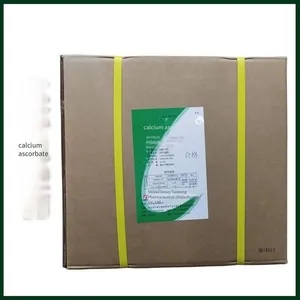
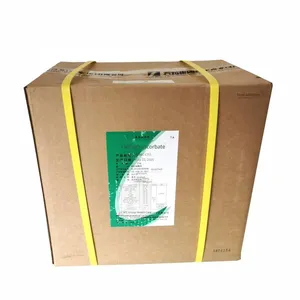
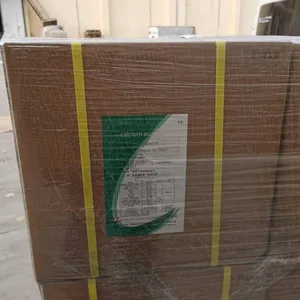
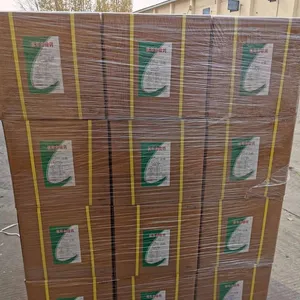
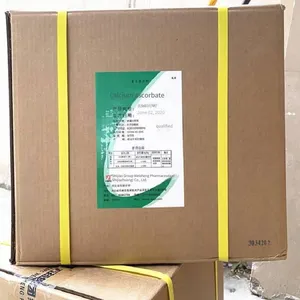
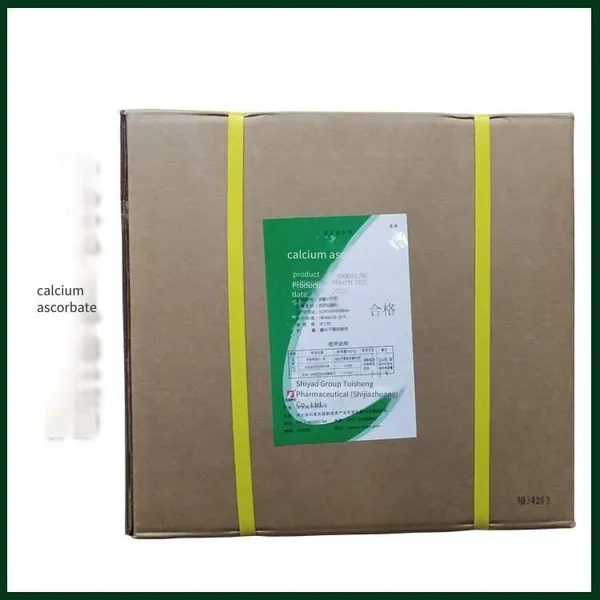
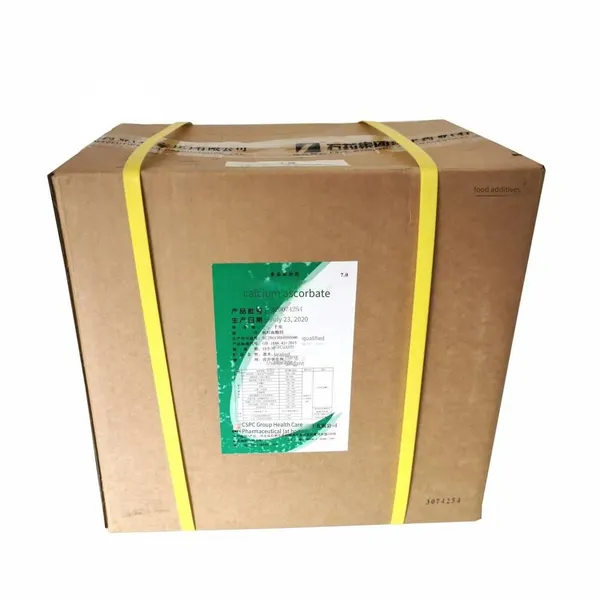
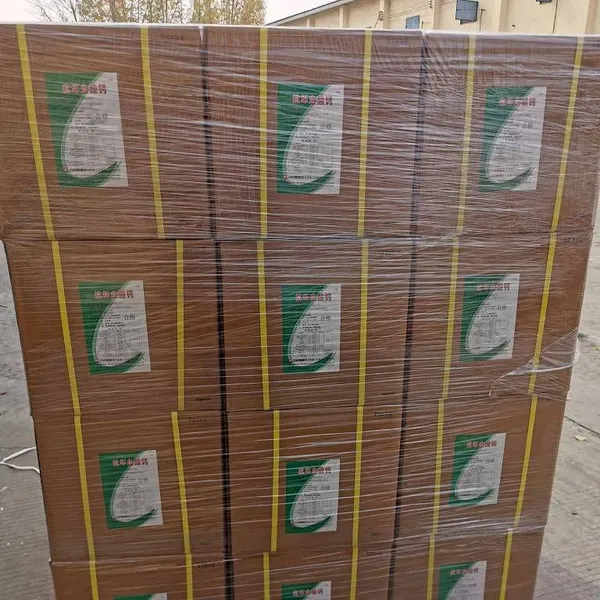
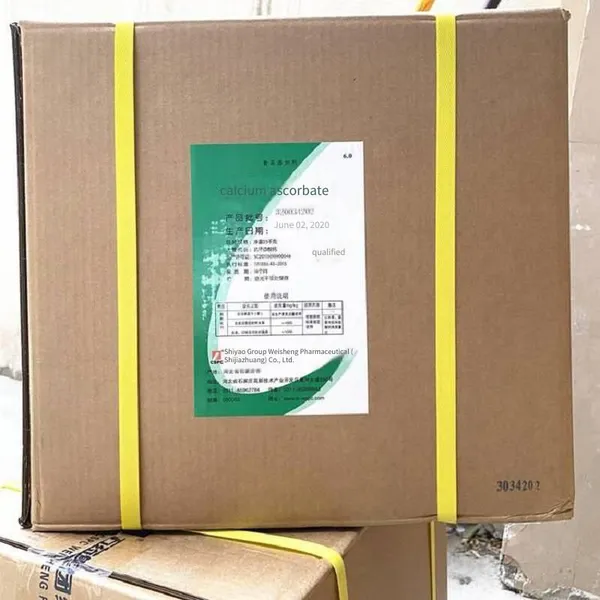
Calcium Ascorbate (l-calcium Ascorbate), Food Grade




Related Products
-
 Factory Supply of L-glutamine Fitness Nutrition Fortifier, Food GradeUS$ 10MOQ: 1 Kilogram
 -
Dibutyl Hydroxytoluene, Food-grade Oil Antioxidant, Food Additive Bht, Samples AvailableUS$ 5.38MOQ: 1 Kilogram
-
Food Additive Gamma-aminobutyric Acid. Manufacturer of Food-grade γ-aminobutyric AcidUS$ 10MOQ: 1 Kilogram
-
Food-grade Potassium Cinnamate Preservative for Preventing Mildew and Keeping Freshness, High Purity, Long-term Supply for Pickled VegetablesUS$ 8.46MOQ: 1 Kilogram
-
Food Additive L-calcium Aspartate, Food Grade, Nutritional FortifierUS$ 7.69MOQ: 1 Kilogram
1. Introduction to Calcium Ascorbate:
Chinese Name: Calcium Ascorbate
English Name: Calcium Ascorbate
Chemical Name: Calcium L-Ascorbate
Molecular Formula: C12H14CaO12?2H2O
Properties: White to light yellow crystals or crystalline powder. Odorless.
Uses: Antioxidant, nutritional supplement, color fixative.
2. Properties of Calcium Ascorbate:
White to light yellow crystals or crystalline powder. Odorless.
3. Uses of Calcium Ascorbate:
Calcium ascorbate can be used as a preservative for fruits and vegetables. Calcium ascorbate is used as an antioxidant for ham, meat, and buckwheat flour, etc. Calcium ascorbate serves as a non-ionic surfactant and nutrient. It is used to preserve food and prevent protein deterioration.
For fresh foods such as fish and meat, protein deterioration will affect the freshness and taste of the food. Therefore, it is necessary to prevent protein deterioration during transportation and storage. Refrigerators can preserve food, but they are not very effective in preventing protein deterioration. However, the preservative containing Vc-Ca can prevent the protein in fresh foods such as fish and meat from deteriorating, and its anti-deterioration and freshness-keeping effects are not limited by the contact method. For example, it can be spread or sprayed on food, or the food can be immersed in the chemical solution. Ice and other refrigerants can also be added to the solution at the same time, which is very convenient to use.
For example, Ito Masatsugu et al. invented a chemical agent whose active ingredients include perates or roasted salts, ascorbic acid or ascorbates. They followed the method of Saito et al. and used the fish freshness judgment constant K to measure the K value as an effectiveness index for preventing protein deterioration.
4. Efficacy of Calcium Ascorbate:
It can be used as a preservative for fruits and vegetables and as an antioxidant for ham, meat, and buckwheat flour, etc.
It is used as a non-ionic surfactant and nutrient for skin and hair care.
It is used to preserve food, prevent protein deterioration, and supplement calcium for the organism.
Food nutrition fortification was initially proposed as a solution to public health problems. The general purpose of food fortification is to ensure that people obtain reasonable nutrition at all stages and under various working conditions, meet the normal needs of the human body's physiology, life, and labor, and maintain and improve human health levels.
(1) Make up for the defects of natural foods and make their nutrition more balanced
Almost no single natural food can meet all the nutritional needs of the human body. Due to the dietary habits of people in different countries, the varieties of food harvested in different regions, and the limitations of production and living standards, it is rare for daily diets to contain all nutrients, and there are often some nutritional deficiencies. According to nutritional surveys, vitamin B2 is commonly lacking everywhere. In areas where polished white rice and refined white flour are consumed, vitamin B1 is lacking. In areas with a lack of fruits and vegetables, there are often deficiencies, and iodine is often lacking in inland areas. If these problems can be solved through targeted nutrition fortification in the local basic diet, the occurrence of these deficiencies can be reduced and prevented.
(2) Make up for the loss of nutrients and maintain the natural nutritional characteristics of food
Food often loses certain nutrients during processing, storage, and transportation. For example, a significant proportion of vitamin B1 has been lost in refined white flour. For the same raw material, the loss of nutrients varies with different processing methods. In actual production, the loss of food during the processing should be minimized.
(3) Simplify meal preparation and increase convenience

Send Inquiry to This Supplier


You May Also Like
-
Erythritol Sweetener, Food Grade, Manufacturer, Cas 149-32-6US$ 3.08MOQ: 1 Kilogram
-
Edible Nutritional Fortifier - Ferrous Glycinate, Food-grade Additive, Iron Fortifier for BeveragesUS$ 20MOQ: 1 Kilogram
-
Food Additive Potassium Metabisulfite Supplied by Manufacturer, Food Grade Bleaching Agent for Candied Fruits, Biscuits and CandiesUS$ 4.31MOQ: 1 Kilogram
-
Food-grade L-alanine Supply for Nutritional Fortification and Edible AdditivesUS$ 3.69MOQ: 1 Kilogram
-
Zinc Gluconate, Food-grade Nutritional Fortifier. Minimum Order: 1 Kg.US$ 4.62MOQ: 1 Kilogram
-
Food-grade Casein, Caseinogen, Cas 9000-71-9, Nutritional Fortifier, Latex ProductsUS$ 13.08MOQ: 1 Kilogram
-
Sodium Ascorbate Manufacturer, Food Grade Vitamin c Sodium Powder, Edible Antioxidant vc Sodium PowderUS$ 6.92MOQ: 1 Kilogram
-
L-cysteine, Nutritional Fortifier, Food-grade Amino Acid Raw MaterialUS$ 15.38MOQ: 1 Kilogram
-
Food-grade Guar Gum, Guar Bean Gum Thickener for Flour Products, Beverages and Meat ProductsUS$ 2.15MOQ: 1 Kilogram
-
Fufeng, Meihua Xanthan Gum, Food Grade High Viscosity Thickener, Coagulant, Emulsifier, Also Known as Hansheng GumUS$ 3.38MOQ: 1 Kilogram


