








 Contact Platform Support
 Help Center
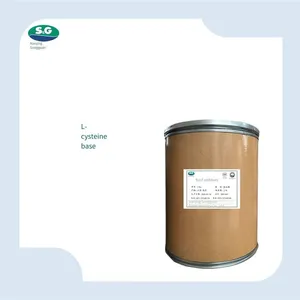
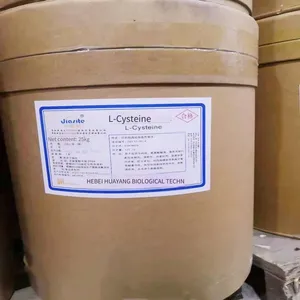
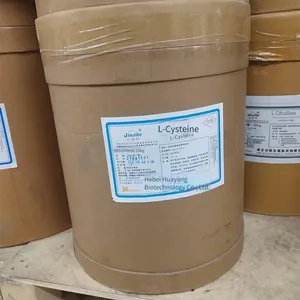
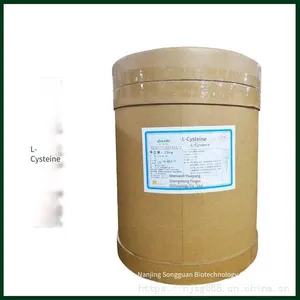
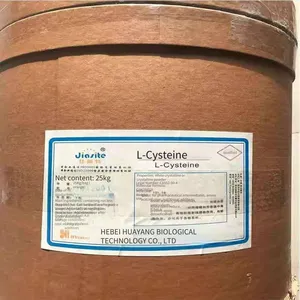
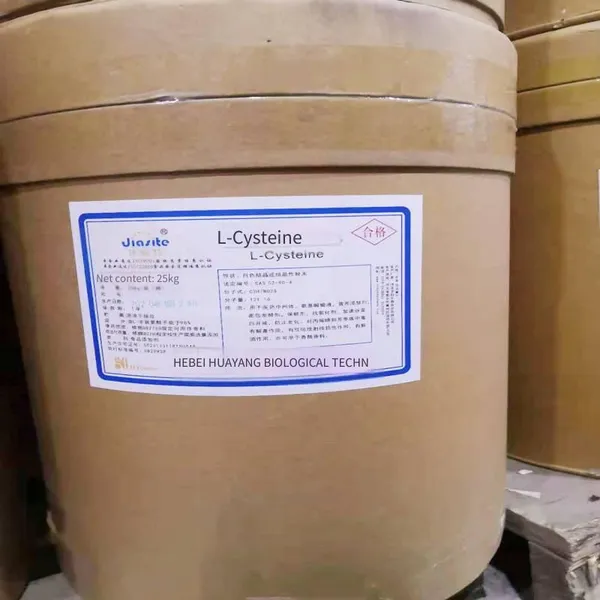
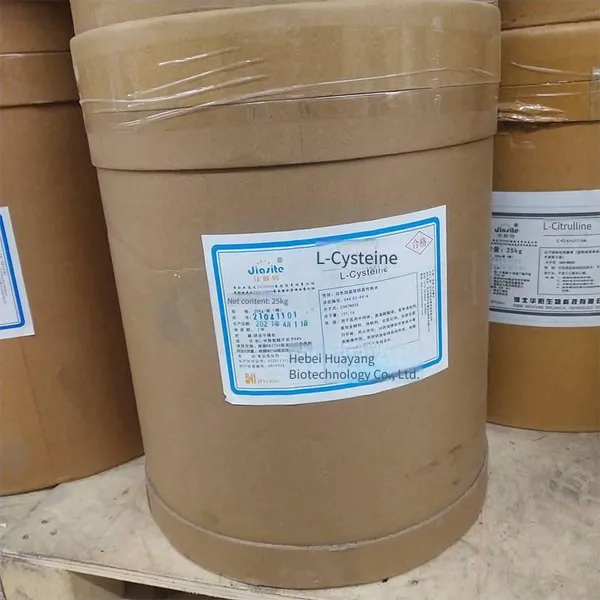
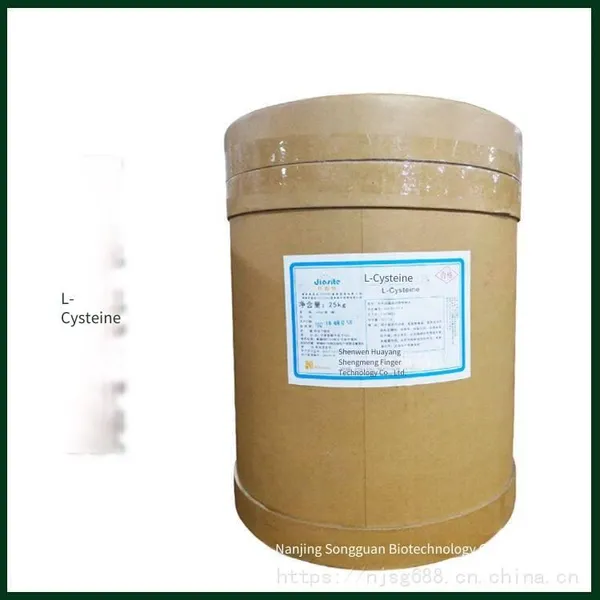
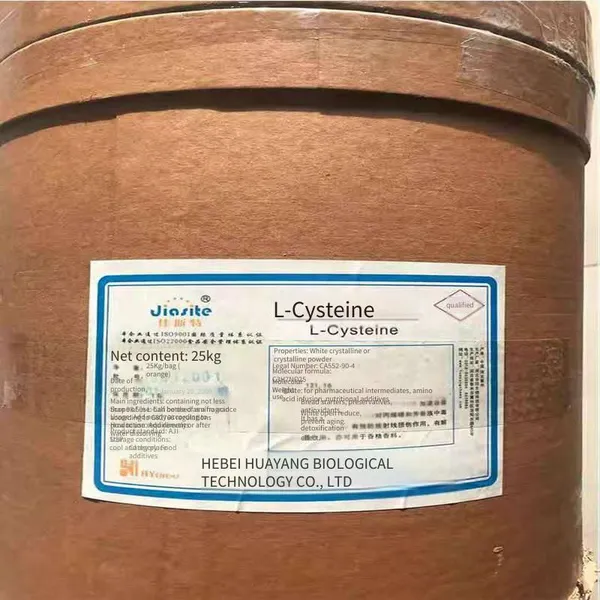
L-cysteine, Nutritional Fortifier, Food-grade Amino Acid Raw Material



Related Products
-
 Food-grade Guar Gum, Guar Bean Gum Thickener for Flour Products, Beverages and Meat ProductsUS$ 2.15MOQ: 1 Kilogram
 -
Fufeng, Meihua Xanthan Gum, Food Grade High Viscosity Thickener, Coagulant, Emulsifier, Also Known as Hansheng GumUS$ 3.38MOQ: 1 Kilogram
-
Egg White Powder, Food-grade Nutritional Supplement, Baking Ingredient, Nutritional EnhancerUS$ 9.23MOQ: 1 Kilogram
-
Sell D-xylose, Supply Food-grade D-xylose, Wholesale D-xyloseUS$ 4MOQ: 1 Kilogram
-
Food-grade Milk Calcium, Milk Mineral Salt, Whey Calcium, Nutritional FortifierUS$ 13.08MOQ: 1 Kilogram
1. Introduction to L-Cysteine:
Alias: L-а-Amino-b-mercaptopropionic acid
English Name: L-Cysteine
Molecular Formula: C3H7NO2S
Molecular Weight: 121.16
Legal Number (CAS): 52-90-4
EINECS Number: 200-158-2
2. Properties of L-Cysteine:
Properties: Cysteine is a white crystalline or crystalline powder. It is soluble in water, has a slight odor, is sparingly soluble in ethanol, and insoluble in organic solvents. Its melting point is 240, and it belongs to the monoclinic system. Cysteine is a sulfur-containing amino acid and is a non-essential amino acid. In living organisms, it is synthesized from methionine by replacing the sulfur atom with the oxygen atom of the hydroxyl group of serine via cystathionine. Glutathione can be produced from cysteine. Cysteine is stable in acidic solutions, but it is easily oxidized to form cystine in neutral and alkaline solutions.
3. Uses of L-Cysteine:
Cysteine is mainly used in food additives, medicine, cosmetics, biochemical research, etc. In bread ingredients, it promotes gluten formation, fermentation, demolding, and prevents aging. In natural fruit juices, it prevents the oxidation of vitamin C and the browning of the juice.
Feed Additive
Food: Used in dairy products, meat products, baked goods, pasta products, seasonings, etc.
Feed: Pet canned food, animal feed, aquatic feed, vitamin feed, etc.
4. Efficacy of L-Cysteine:
3. Synthesis: It can be obtained by hydrolyzing proteins (such as human hair) with hydrochloric acid, treating with copper oxide, and decomposing with hydrogen sulfide. It can also be obtained by degrading cystine.
It is mainly used in medicine, cosmetics, biochemical research, etc. In bread ingredients, it promotes gluten formation, fermentation, demolding, and prevents aging. In natural fruit juices, it prevents the oxidation of vitamin C and the browning of the juice. This product has certain effects and can be used for acrylonitrile and aromatic acids. This product also has the effect of preventing radiation damage to the human body and is also a certain kind of medicine, especially used in the form of acetyl L-cysteine methyl ester salt. In cosmetics, it is mainly used in beauty lotions, perming solutions, sunscreen creams, etc.

Send Inquiry to This Supplier


You May Also Like
-
Carophyll Yellow, Tianli Yellow, Feed Grade, Colorant, Feed Additive, Minimum Order: 1 KilogramUS$ 70.77MOQ: 1 Kilogram
-
Supply of ε-polylysine Hydrochloride, Food Additive Raw Material, Preservative and Fresh-keeping Agent for Rice Products and Rice FlourUS$ 184.62MOQ: 1 Kilogram
-
Cinnamic Acid Manufacturer, Cas 140-10-3, Food-grade Cinnamic Acid as a PreservativeUS$ 8.46 - 9.23MOQ: 1 Kilogram
-
Dl-malic Acid, Acid Regulator, Food-grade Malic Acid, Food and Beverage AdditiveUS$ 3.69MOQ: 1 Kilogram
-
Guanidinoacetic Acid, Nutritional Fortifier, Feed Additive, Improve Lean Meat Percentage, Enhance Quality, Amino AcidUS$ 3.38 - 3.85MOQ: 1 Kilogram
-
Food-grade Sodium Polyacrylate, a Thickening, Gluten-enhancing, Water-retaining and Stabilizing Food AdditiveUS$ 3.08MOQ: 1 Kilogram
-
Whelan Gum, Dingyou Gum, Suspending Agent, Water Retention, Thickener, High Viscosity, Samples AvailableUS$ 7.69MOQ: 1 Kilogram
-
Food-grade Sweetener to Replace Sucrose, Price From D-allulose ManufacturerUS$ 4.62 - 5.38MOQ: 1 Kilogram
-
Food Baking Additive D-allulose, Sugar Substitute, Freshness and Moisture Retaining Agent, Zero-calorie Sugar, Sucrose-freeUS$ 4.62 - 5.38MOQ: 1 Kilogram
-
Food-grade Biological Enzyme Preparation, Manufacturer of Superoxide DismutaseUS$ 17.69 - 19.23MOQ: 1 Kilogram


