








 Contact Platform Support
 Help Center
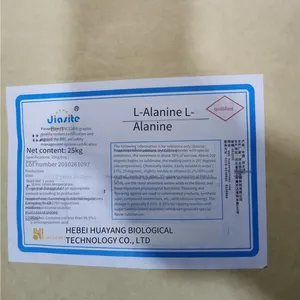
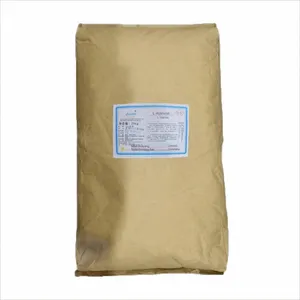
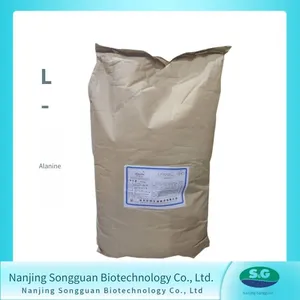
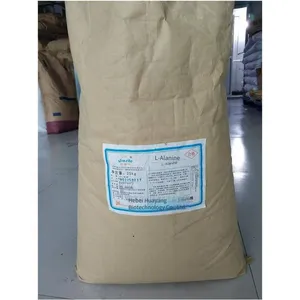
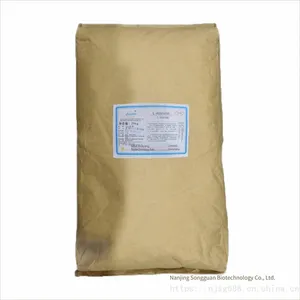
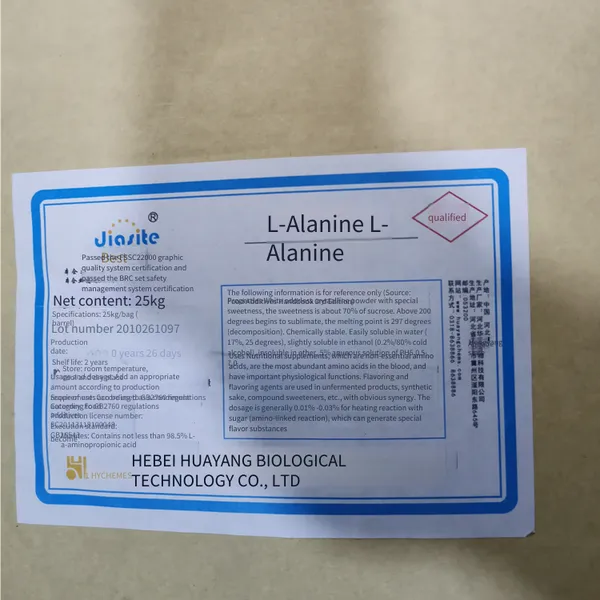
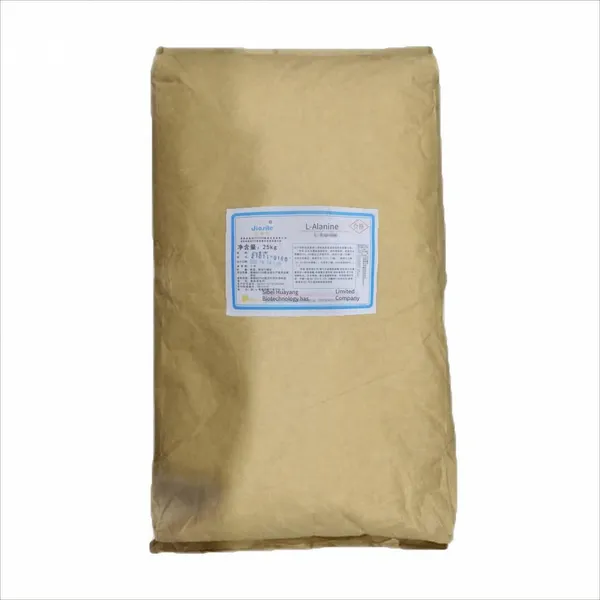
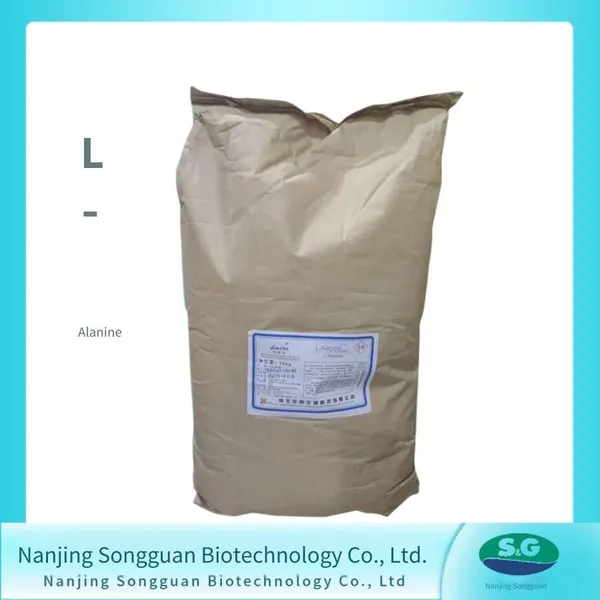
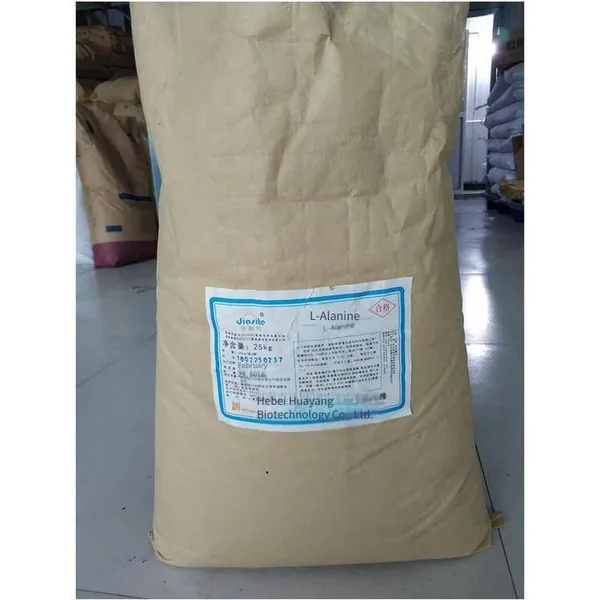
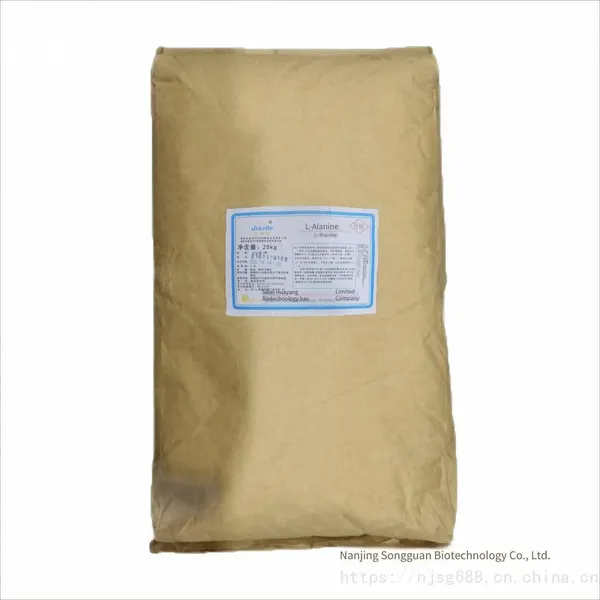
Food-grade L-alanine Supply for Nutritional Fortification and Edible Additives



Related Products
-
 Zinc Gluconate, Food-grade Nutritional Fortifier. Minimum Order: 1 Kg.US$ 4.62MOQ: 1 Kilogram
 -
Food-grade Casein, Caseinogen, Cas 9000-71-9, Nutritional Fortifier, Latex ProductsUS$ 13.08MOQ: 1 Kilogram
-
Sodium Ascorbate Manufacturer, Food Grade Vitamin c Sodium Powder, Edible Antioxidant vc Sodium PowderUS$ 6.92MOQ: 1 Kilogram
-
L-cysteine, Nutritional Fortifier, Food-grade Amino Acid Raw MaterialUS$ 15.38MOQ: 1 Kilogram
-
Food-grade Guar Gum, Guar Bean Gum Thickener for Flour Products, Beverages and Meat ProductsUS$ 2.15MOQ: 1 Kilogram
Chinese Name: L-Alanine
English Name: L-Alanine
Alias: L-2-Aminopropionic acid; L-α-Aminopropionic acid; L-α-Alanine
Colorless to white needle-like crystals or crystalline powder, odorless, sweet, soluble in water. It is mainly used as a nutritional supplement and seasoning in the food processing industry. It has a good umami taste, which can enhance the flavoring effect of chemical seasonings; it has a special sweet taste, which can improve the taste of artificial sweeteners; it can improve the sour taste of organic acids and the flavor of vinegar; ☆ It has an acidic taste, which makes salt penetrate quickly, improves the pickling effect of pickled vegetables and pickled mustard, and shortens the pickling time; it can be used as an acidity regulator and buffer in the synthesis of sake and soft drinks, preventing the aging of sparkling wine and reducing the yeast odor; it has antioxidant properties and can be used in various food processing, such as oils, mayonnaise, fermented foods, soy sauce-immersed foods, rice bran-pickled foods, etc., to prevent oxidation and improve the flavor.
In terms of physical and chemical properties,
1. According to China's GB2760 - 86 regulations, food-grade L-alanine can be used as a spice. When it undergoes a Maillard reaction with -xylose or arabinose, a caramel flavor can be obtained at 100°C.
2. It has a special sweet taste, which can improve the taste of artificial sweeteners; improve the sour taste of organic acids and the flavor of vinegar.
3. It has an acidic taste, which makes salt penetrate quickly, improves the pickling effect of pickled vegetables and pickled mustard, shortens the pickling time, and improves the flavor.
4. It can be used as an acidity regulator and buffer in the synthesis of sake and soft drinks, preventing the aging of sparkling wine and reducing the yeast odor.
5. It has antioxidant properties and can be used in various food processing, such as oils, mayonnaise, fermented foods, soy sauce-immersed foods, rice bran-pickled foods, etc., to prevent oxidation and improve the flavor.
6. It can be used as an electroplating additive in gunmetal plating.
[Recommended Usage and Precautions]
1. It accounts for 6.1% of the total protein content in food.
2. It accounts for 1% of pickling and dipping spices.
3. FEMA (mg/kg): Baked goods 75 - 375; Non-alcoholic beverages, egg products, fish products, 50 - 250; Alcoholic beverages, breakfast cereals, gels and puddings, milk substitutes, dairy products, 50 - 150; Cheese, fruit ices, other cereals, sugar substitutes, 10 - 20; Gum-based candies, jams, jellies, processed vegetables, rehydrated vegetables, 5 - 10; Condiments 20 - 100; Candies, gummies, sweet sauces, 25 - 100; Oils, processed fruits, 10 - 30; Cold drinks 60 - 200; Condiment sauces 200 - 1000; Hard candies 50 - 200; Instant coffee and tea, meat products, poultry products, soups, 100 - 500; Nuts products, 75 - 225; Flavoring spices 2000 - 4000; Snack foods 100 - 200; Gummies 25 - 100.
(1) For bread, cakes, noodles, macaroni, it can improve the utilization rate of raw materials, improve the taste and flavor. The dosage is 0.05%.
(2) Aquatic minced products, canned foods, dried laver, etc. It strengthens the tissue, maintains the fresh flavor, and enhances the taste. (3) Condiment sauces, tomato ketchup, mayonnaise, jam, whipped cream, soy sauce. It serves as a thickener and stabilizer. (4) Fruit juices, alcoholic beverages, etc. It acts as a dispersant. (5) Ice cream, caramel candies. It improves the taste and stability. (6) Frozen foods, aquatic processed products. It is used as a surface jelly agent (for preservation).
1. [Food industry]: It is used in dairy products, meat products, baked goods, flour products, various beverages, candies, seasonings, etc.
2. [Pharmaceutical manufacturing]: Health foods, base materials, fillers, biological drugs, pharmaceutical raw materials, etc.
3. [Industrial products]: Petroleum industry, manufacturing, agricultural products, scientific research and development, storage batteries, precision castings, etc.
4. [Other industries]: It can replace glycerol as a flavoring, anti - freezing and moisturizing agent for tobacco.
5. [Daily chemical products]: Facial cleansers, beauty creams, lotions, shampoos, toothpastes, body washes, facial masks, etc.
6. [Feed and veterinary drugs]: Pet canned foods, animal feeds, nutritional feeds, R & D of genetically modified feeds, aquatic feeds, vitamin feeds, veterinary drug products, etc.

Send Inquiry to This Supplier


You May Also Like
-
Fufeng, Meihua Xanthan Gum, Food Grade High Viscosity Thickener, Coagulant, Emulsifier, Also Known as Hansheng GumUS$ 3.38MOQ: 1 Kilogram
-
Egg White Powder, Food-grade Nutritional Supplement, Baking Ingredient, Nutritional EnhancerUS$ 9.23MOQ: 1 Kilogram
-
Sell D-xylose, Supply Food-grade D-xylose, Wholesale D-xyloseUS$ 4MOQ: 1 Kilogram
-
Food-grade Milk Calcium, Milk Mineral Salt, Whey Calcium, Nutritional FortifierUS$ 13.08MOQ: 1 Kilogram
-
Carophyll Yellow, Tianli Yellow, Feed Grade, Colorant, Feed Additive, Minimum Order: 1 KilogramUS$ 70.77MOQ: 1 Kilogram
-
Supply of ε-polylysine Hydrochloride, Food Additive Raw Material, Preservative and Fresh-keeping Agent for Rice Products and Rice FlourUS$ 184.62MOQ: 1 Kilogram
-
Cinnamic Acid Manufacturer, Cas 140-10-3, Food-grade Cinnamic Acid as a PreservativeUS$ 8.46 - 9.23MOQ: 1 Kilogram
-
Dl-malic Acid, Acid Regulator, Food-grade Malic Acid, Food and Beverage AdditiveUS$ 3.69MOQ: 1 Kilogram
-
Guanidinoacetic Acid, Nutritional Fortifier, Feed Additive, Improve Lean Meat Percentage, Enhance Quality, Amino AcidUS$ 3.38 - 3.85MOQ: 1 Kilogram
-
Food-grade Sodium Polyacrylate, a Thickening, Gluten-enhancing, Water-retaining and Stabilizing Food AdditiveUS$ 3.08MOQ: 1 Kilogram


