








 Contact Platform Support
 Help Center
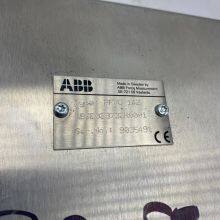
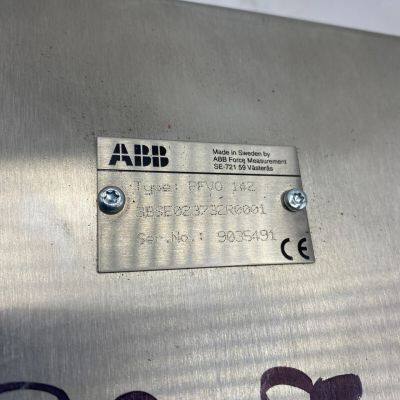
ABB PFVO142 3BSE023732R0001 Fibre Optic Interface Module


Related Products
-
 ABB NDBU-95C 64008366D Network Distribution and Bus Interface UnitNegotiableMOQ: 1 Piece
 -
ABB DSRF180A 57310255-AV 8-Channel Relay Output ModuleNegotiableMOQ: 1 Piece
-
ABB PM783F 3BDH000364R0001 CPU ModuleNegotiableMOQ: 1 Piece
-
ABB FC95-22 HESG440295R2 HESG448688R22 Control UnitNegotiableMOQ: 1 Piece
-
ABB SPCJ4D34-AA Motor Protection Relay ModuleNegotiableMOQ: 1 Piece
ABB PFVO142 3BSE023732R0001 is an industrial‑grade high‑performance optical fiber interface module. It serves as the core for optical fiber communication transmission in industrial automation systems, specially designed for high‑speed, long‑distance signal transmission in harsh industrial environments. It is widely compatible with ABB control systems such as AC 800M and Advant OCS.Its core function is to realize bidirectional conversion between electrical and optical signals, establishing a high‑speed optical fiber communication link between field equipment and the control system. With high anti‑interference and high transmission stability, it effectively solves problems such as electromagnetic interference and signal attenuation on site, making it a key communication component ensuring accurate and stable signal transmission in industrial automation systems for power, chemical, oil and gas, metallurgy, and other industries.
1 Technical Data
1.1 Electrical and Communication Parameters
Type: Industrial‑grade optical fiber interface module. Core functions: bidirectional conversion between electrical and optical signals, high‑speed data transmission, communication link status monitoring, supporting optical fiber communication in industrial automation systems.
Power supply: 24 VDC ±10%, suitable for industrial standard DC power systems, with wide voltage tolerance to ensure stable signal transmission and reliable communication links even under unstable on‑site voltage.
Power consumption: ≤ 5 W. Low‑power design reduces overall energy consumption of the automation system, lowers self‑heating, improves operational stability, and requires no additional cooling.
Transmission rate: Supports high‑speed data transmission up to 100 Mbps, meeting the demand for fast transfer of large volumes of real‑time data (e.g., equipment operating parameters, control commands) in industrial automation systems with negligible latency.
Optical interface: Equipped with standard SC/ST optical fiber interfaces (subject to factory configuration). Supports single‑mode and multi‑mode fiber (selectable based to on‑site transmission distance), compatible with commonly used industrial fiber types for convenient field wiring and connection.
Transmission distance: Up to 10–20 km for single‑mode fiber and 500 m–1 km for multi‑mode fiber. Flexible selection according to on‑site equipment layout to satisfy long‑distance communication needs.
Communication protocols: Supports ABB proprietary protocols and common industrial communication protocols, enabling seamless compatibility with AC 800M, Advant OCS, and other control systems for bidirectional data exchange with other modules and field devices.
Signal conversion: Provides bidirectional conversion between RS‑485/Ethernet electrical signals and optical signals, adapting to different field equipment interfaces and flexibly connecting various industrial sensors, actuators, and controllers.
1.2 Mechanical and Installation Parameters
Structure: Standardized modular package, dimensions approx. 120 mm × 80 mm × 40 mm (W × H × D). Compact design suitable for standard layouts in industrial control cabinets, facilitating system integration and space planning, and allowing co‑installation with other control and communication modules.
Weight: Approx. 0.5 kg. Lightweight for easy on‑site installation, removal, and maintenance, reducing labor costs while meeting cabinet load requirements.
Mounting: Standard DIN‑rail mounting, compatible with common industrial cabinet setups. Easy and secure installation, resistant to on‑site vibration, ensuring reliable connections to fiber and cables and preventing communication interruptions.
Interface layout: Clear layout with separated optical and electrical interfaces for easy wiring and troubleshooting. Anti‑mismatch design prevents damage or communication faults caused by incorrect connections.
1.3 Environmental and Reliability Parameters
Operating temperature: -25 °C to +60 °C. Wide temperature range adapts to fluctuations in power, chemical, oil and gas, and other industrial sites, enabling stable long‑term operation in extreme cold and heat without extra temperature control.
Storage temperature: -40 °C to +85 °C. Excellent storage adaptability for long‑term spare part storage without special conditions, reducing inventory management costs.
Immunity: Industrial‑grade EMC design with superior resistance to electromagnetic interference, vibration, and dust. Complies with IEC 61000 standards, effectively suppressing strong interference from high‑voltage equipment and inverters to avoid signal distortion or communication outages.
Reliability: 12‑month warranty. Uses high‑quality industrial components and hermetic packaging with excellent water and dust protection. Low long‑term failure rate; mean time between failures (MTBF) ≥ 50,000 hours, ensuring continuous stable communication links.
Protection degree: IP20, suitable for indoor industrial control cabinets, providing protection against dust and light splashing to prevent short circuits and internal faults for stable long‑term operation.
2 Key Features
2.1 High‑Speed Optical Transmission for Real‑Time Data
Supports 100 Mbps high‑speed data transmission and fast bidirectional electrical‑optical conversion, ensuring rapid transfer of real‑time data such as equipment parameters and control commands with minimal delay. Satisfies real‑time control requirements in industrial automation systems, improving control accuracy and response speed.
2.2 High Immunity for Harsh Industrial Environments
Industrial‑grade EMC design and hermetic packaging deliver exceptional electromagnetic interference resistance, effectively suppressing interference from high‑voltage equipment and inverters. Excellent vibration and dust resistance resolve issues of interference and signal distortion in traditional cable communication, guaranteeing stable links for power, chemical, metallurgy, and other demanding industries.
2.3 Long‑Distance Transmission for Flexible On‑Site Layout
Supports both single‑mode and multi‑mode fiber with ranges up to 10–20 km and 500 m–1 km respectively. Flexible selection based on site layout eliminates the need for signal amplifiers, lowering integration costs while mitigating long‑distance signal attenuation for stable data transfer.
2.4 High Compatibility for Multi‑System Integration
Fully compatible with ABB AC 800M, Advant OCS, and other control systems, supporting ABB proprietary and common industrial protocols for seamless connection to internal modules, I/O units, and field devices. Also serves as a communication upgrade spare for legacy systems, enabling link improvement without major reconstruction and enhancing reliability.
2.5 Easy Integration and Maintenance for Improved Availability
Standardized modular design and DIN‑rail mounting allow fast integration into control cabinets and cooperation with other modules, simplifying system deployment. Clear interfaces and anti‑mismatch design ease field wiring and troubleshooting. Lightweight construction simplifies installation and servicing. Built‑in link monitoring enables quick fault location, reducing downtime and improving system availability.
3 Typical Applications
Power generation: Used in power plant automation systems to establish optical fiber links between the main control room and field auxiliary equipment (ID fans, FD fans, feed water pumps, etc.), enabling high‑speed, stable transmission of commands and parameters. Resists electromagnetic interference from high‑voltage equipment to ensure stable plant operation.
Chemical industry: Applied in chemical production automation compatible with the AC 800M system, providing long‑distance communication between field equipment (reactors, compressors, pumps) and the main control system. Withstands high temperatures and dust to ensure precise and continuous production.
Oil and gas: Deployed in automation systems for oil and gas extraction and transportation, establishing long‑haul optical links for data exchange between wellhead, pipeline monitoring equipment, and the main control system. Resists complex on‑site interference to ensure safe and efficient production.
Metallurgy: Used in automation systems for steel and aluminum plants, connecting the main control room with field rolling mills, fans, and pumps for high‑speed data transmission. Avoids disruption from strong electromagnetic interference in metallurgical facilities, optimizing processes and improving productivity.

Send Inquiry to This Supplier



You May Also Like
-
ABB DSPC172H DSP Master Control CPU ModuleNegotiableMOQ: 1 Piece
-
ABB REF541KM115AAA Feeder TerminationNegotiableMOQ: 1 Piece
-
ABB RET670 1MRK002816-AC Digital Transformer Protection Intelligent Electronic DeviceNegotiableMOQ: 1 Piece
-
ABB 07DC91C Digital Input ModuleNegotiableMOQ: 1 Piece
-
ABB DSQC602 Analog Output ModuleNegotiableMOQ: 1 Piece
-
ABB 3BHB019265R0410 Analogue Input/Output (I/O) ModuleNegotiableMOQ: 1 Piece
-
ABB R474A11XE HAFAABAAABE1BCA1XENegotiableMOQ: 1 Piece
-
ABB CRBX01 2VAA008424R1 Remote Bus ExtenderNegotiableMOQ: 1 Piece
-
ABB FET3251C0P184C0H2 Power Control Board / Process Transmitter Companion UnitNegotiableMOQ: 1 Piece
-
ABB UNITROL1005-0011 ECO 3BHE043576R0011 Industrial‑grade Control ModuleNegotiableMOQ: 1 Piece


