








 Contact Platform Support
 Help Center
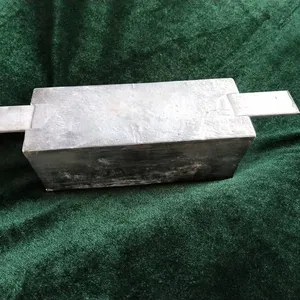
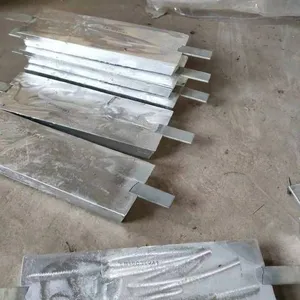
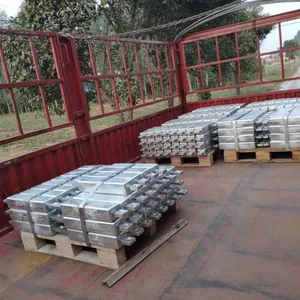
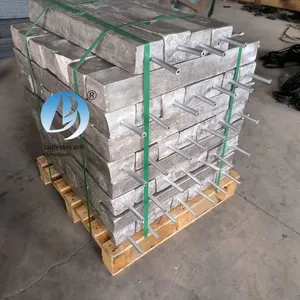
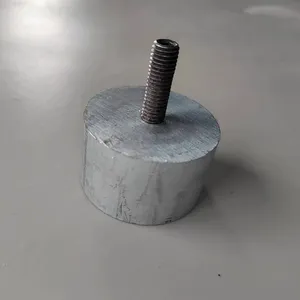
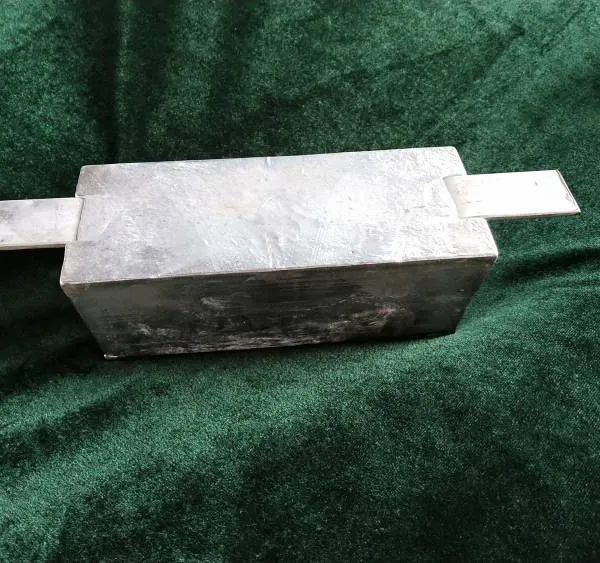
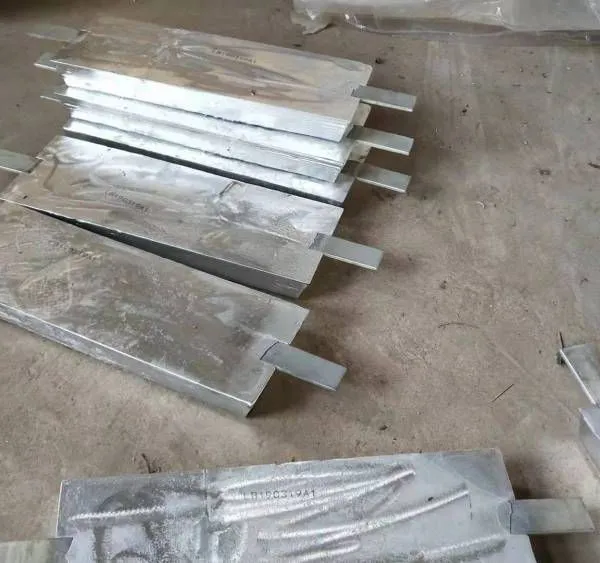
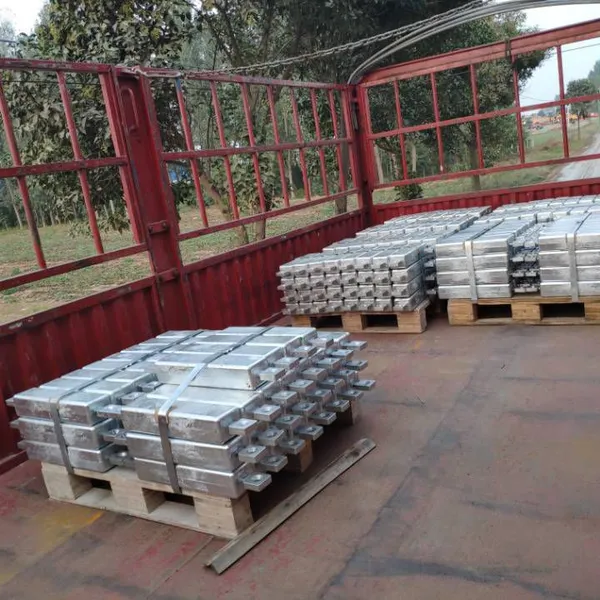
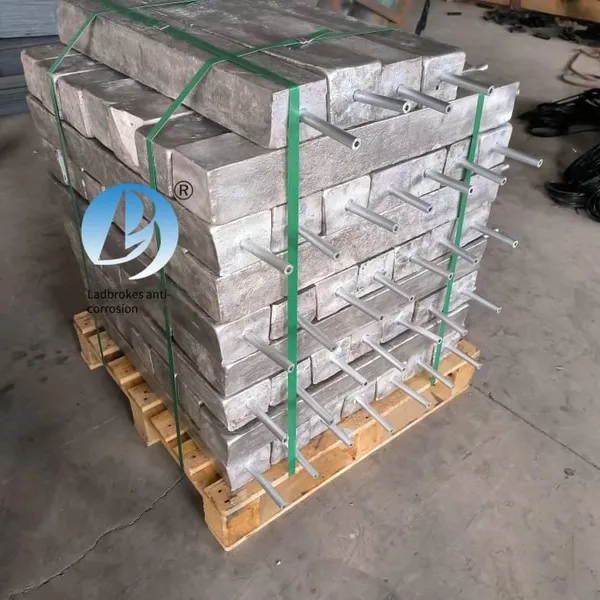
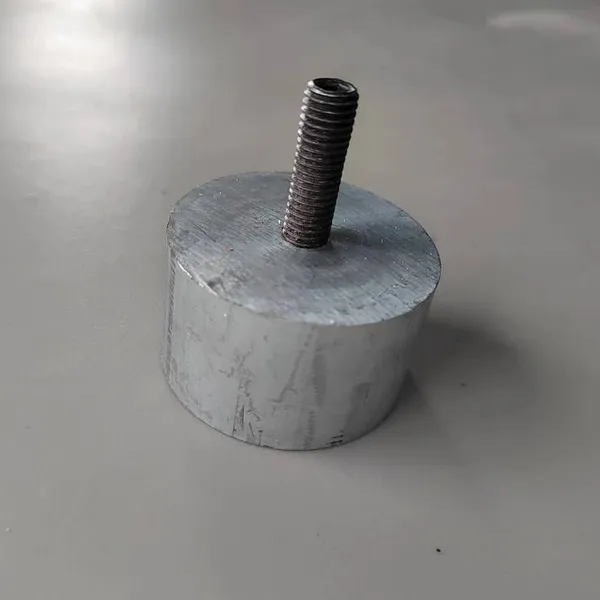
Activated High-efficiency Aluminum Alloy Anode, Aluminum Anode for Seawater Pipelines



Related Products
-
 West - to - East Gas Pipeline Magnesium Anode Set Combination, mg - 14 Magnesium Anode, Libo Anti - CorrosionUS$ 2.92 - 3.08MOQ: 2 Pieces
 -
14kg High-activation Long-lasting Anti-corrosion Magnesium Anode for Oil FieldsUS$ 3.08MOQ: 2 Pieces
-
Supply of Anti-corrosion Aluminum Anodes for Ballast Water Tanks, Manufacturer of Aluminum Alloy Sacrificial AnodesUS$ 3.23 - 3.38MOQ: 6 Kilograms
-
National Standard Magnesium Anodes for Tank Anti - Corrosion, 14kg Buried Magnesium AnodesUS$ 3.38MOQ: 1 Piece
-
Cathodic Protection Magnesium Anode Sacrificial Anode, 22kg Magnesium AnodeUS$ 0.46MOQ: 10 Pieces
Activated High-efficiency Aluminum Alloy Anode, Aluminum Anode for Seawater Pipelines
In recent years, some small magnesium plants have emerged across the country, producing magnesium using the silicothermic method. This method is also called the Pidgeon process. It uses ferrosilicon to reduce calcined dolomite under vacuum and high temperature to directly produce metallic magnesium. The magnesium produced by this method is obtained through crystallization after magnesium distillation, so it contains few impurities and is suitable for manufacturing low-cost magnesium alloy anodes.
Corrosion control measures for the inner wall include: selecting corrosion-resistant materials, lining with coatings (such as enamel), using composite materials, thermal spraying metals (such as aluminum and zinc), and applying cathodic protection.
Tanks and pipelines are mostly closed systems. Applying cathodic protection is often restricted by the closed space. For management, maintenance, and testing, they are also different from those of external systems. Therefore, more factors need to be considered in the design, mainly including:
1. There is not enough space, and sometimes the inner surface is irregular, making it difficult to distribute the anodes and achieve a uniform current distribution.
2. The condition of the coating on most inner surfaces is unclear, and some have no coating, making it difficult to determine the protective current density. Sometimes, due to inconsistent surface conditions, when the anode distribution is inappropriate, the current may also be too concentrated.
3. Cathodic protection is only effective under closed conditions. Similar to water electrolysis, oxygen and hydrogen produced during the process pose a risk of explosion. This is a safety factor that cannot be ignored.
4. Temperature has a great impact on the performance of sacrificial anodes. In the design, the consumption rate of magnesium anodes and the polarity reversal problem of zinc anodes need to be considered.
5. The layout of the testing system should be considered in advance in the design so that the measured parameters can truly reflect the protection level.
For devices made of different materials, the cathodic protection criteria under galvanic corrosion need to be considered. The most common situation is the galvanic connection between brass tubes and steel.
6. Electrical insulation is difficult to achieve for the inner wall. The loss of current needs to be considered in the design.
7. The influence of the inner wall shape is also a factor to be considered in the design. For example, in a heat exchanger, the tubes are long and thin. When anodes are installed at both ends, it is difficult for the middle part to receive the protective current.
In fact, the choice of aluminum alloy depends on your specific needs.
Many literatures have reported, and the national standard also stipulates that the presence of toxic elements such as iron and copper in the anode will reduce the anode efficiency and shift the anode potential positively.
However, in practice, the associated iron content in aluminum of any standard is relatively high. Therefore, the primary task in smelting anodes is to control the iron content. The national standard stipulates approximately 0.015%. Approximately 9975 aluminum can meet the requirements. In actual production, this is basically the requirement.
However, sometimes for research and development purposes, it is also possible to deliberately add various elements.
For example, if you want to make a low-potential anode to prevent overprotection, you may add some harmful elements.
Any treatment for the anode is inappropriate because this is a low-value-added industry. Even if the cost is 5 yuan higher per kilogram, the competitiveness will be reduced by half.
If there are breakthroughs in fields such as soil, fresh water, and oil pollution when making aluminum anodes, there will be prospects. Otherwise, it's better to focus on air batteries; otherwise, don't do it.
The self-corrosion of magnesium anodes is an important parameter for evaluating anode performance. In water, the self-corrosion amount of magnesium is not measured by weighing but by the volume equivalent of hydrogen evolution. The main factors affecting the self-corrosion of magnesium anodes are the content of chlorides in the water medium and the content of impurities in the anode material.
The amount of hydrogen evolution increases with the increase of the protection current, and it is greater when protecting bare steel than when protecting coated steel. For a 200L boiler protected by a magnesium anode, 0.1L of hydrogen is generated per day. It is unlikely to produce an explosive mixture, so there is no need to think that there is danger when hydrogen is evolved.
The distance between the magnesium anode and the inner wall of the container is 6 - 12cm, with an average distance of 10cm. After a period of time, due to the operation of the sacrificial anode, a carbonate coating (cathodic deposition film) is formed on the cathode surface, which reduces the protection current density from the high initial value of 300 - 500mA/m2 to the lower value of 70 - 100mA/m2. The change is slow and steady.
In hard water or hard water with a relatively high salt content, the cathodic deposition film can also be formed. At this time, the distance from the container can be maintained at about 30cm. The relationship between the electrical conductivity of water and the magnitude of the protection current. For soft water, carbonate precipitation will not occur. Therefore, the change of the current density relative to time at a given water temperature remains constant.

Send Inquiry to This Supplier


You May Also Like
-
Shandong Dongying Aluminum-zinc-indium-magnesium-titanium Sacrificial AnodesUS$ 3.54MOQ: 1 Piece
-
Zinc Alloy Anodes for Ballast Tanks, Flat Iron Zinc Sacrificial Anodes, 5kgUS$ 2.77MOQ: 1 Piece
-
High-efficiency Aluminum Anode, High-temperature Resistant Aluminum Alloy Sacrificial Anode, 23kg Aluminum Block ManufacturerUS$ 2.92 - 3.08MOQ: 3 Pieces
-
Zinc Anode, Zinc Anode for Anti - Corrosion of Buried PipelinesUS$ 0.46MOQ: 10 Kilograms
-
Zinc Alloy Sacrificial Anode Manufacturer, 5kg Flat Iron Zinc Anode, Wholesale of Marine Zinc BlocksUS$ 3.92 - 4MOQ: 10 Kilograms
-
Commonly Used Aluminum Sacrificial Anodes for Drilling Platforms, High-temperature Resistant Aluminum AnodesUS$ 2.31MOQ: 3 Pieces
-
250*50 Disc Zinc Anode for CondensersUS$ 0.46MOQ: 10 Pieces
-
West - to - East Gas Transmission Magnesium Anode Kit Combination, Trapezoidal Magnesium AnodeUS$ 0.31MOQ: 13 Kilograms
-
Disc-shaped Aluminum Alloy Sacrificial Anode, 200*30mmUS$ 0.46MOQ: 10 Pieces
-
Aluminum Alloy Sacrificial Anodes for Ocean Engineering, 235kg Aluminum AnodesUS$ 3.23MOQ: 1 Kilogram
