








 Contact Platform Support
 Help Center
14kg High-activation Long-lasting Anti-corrosion Magnesium Anode for Oil Fields
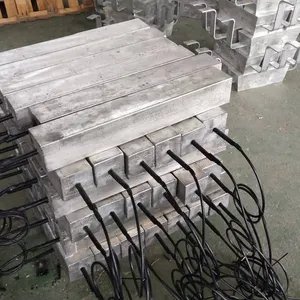
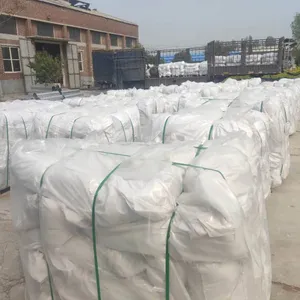
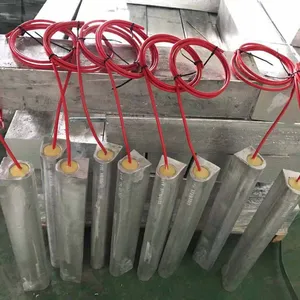
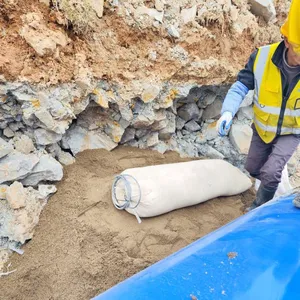



Related Products
-
 Supply of Anti-corrosion Aluminum Anodes for Ballast Water Tanks, Manufacturer of Aluminum Alloy Sacrificial AnodesUS$ 3.23 - 3.38MOQ: 6 Kilograms
 -
National Standard Magnesium Anodes for Tank Anti - Corrosion, 14kg Buried Magnesium AnodesUS$ 3.38MOQ: 1 Piece
-
Cathodic Protection Magnesium Anode Sacrificial Anode, 22kg Magnesium AnodeUS$ 0.46MOQ: 10 Pieces
-
Shandong Dongying Aluminum-zinc-indium-magnesium-titanium Sacrificial AnodesUS$ 3.54MOQ: 1 Piece
-
Zinc Alloy Anodes for Ballast Tanks, Flat Iron Zinc Sacrificial Anodes, 5kgUS$ 2.77MOQ: 1 Piece
14kg High-activation and Long-lasting Magnesium Anode for Oilfield Anti-corrosion
Product Introduction
1. Product Description:
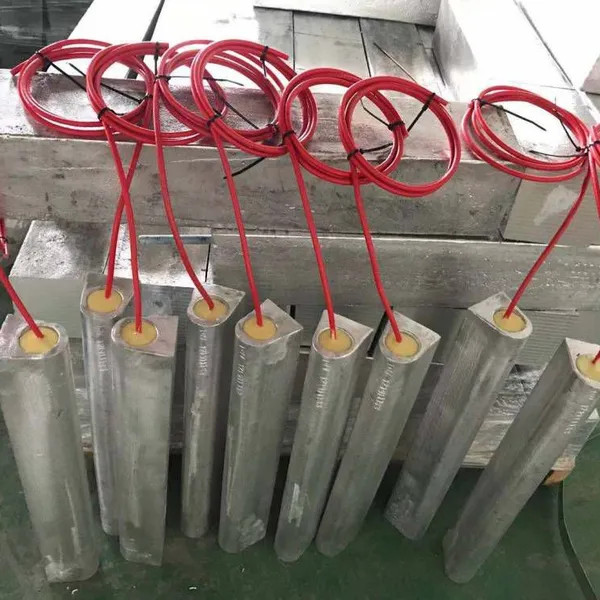
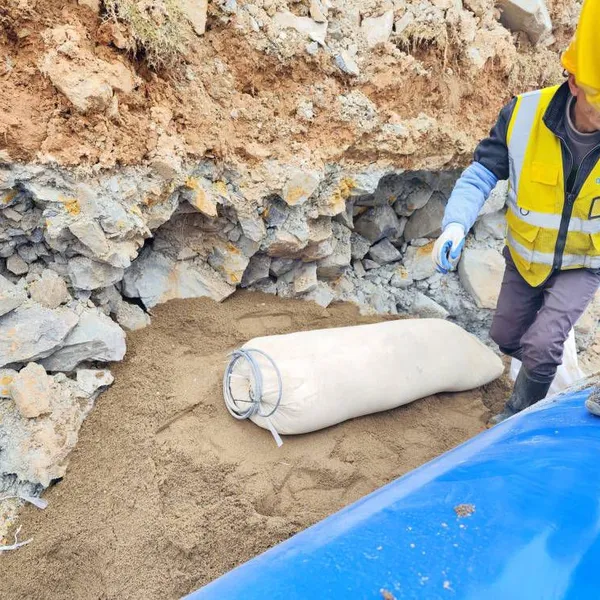
The pre-packaged magnesium alloy sacrificial anode (pre-packaged magnesium anode) is mainly composed of a magnesium anode, a special heat-shrinkable sleeve, and a cable. The anode body is filled with backfill materials of the required composition around it.
The magnesium alloy sacrificial anode is developed to ensure the construction quality of the cathodic protection project and simplify the on-site construction procedures. It is convenient and fast for construction. The operations originally carried out at the construction site are completed in the factory, effectively ensuring the construction and installation quality of the anode bed.
When placing an order, please inform us of the specifications of the magnesium anode, as well as the specifications and length of the required cable. (The conventional cable is VV-1KV/1*10mm2).
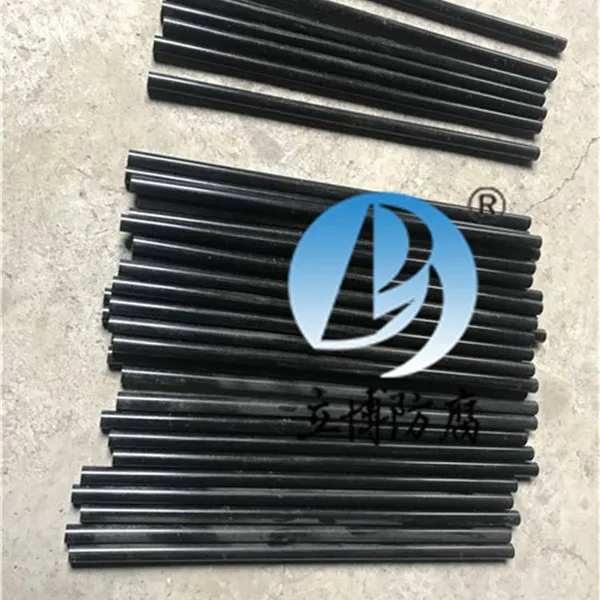
Usage of Thermite Welding for Welded Magnesium Anodes:
Thermite welding is a method of achieving bonding by heating metals with superheated molten metal produced by the exothermic reaction between metal oxides and aluminum. The commercial application of this welding process can be traced back to Germany in the late 19th century. At that time, someone used aluminum to reduce iron oxide to make castings and repair broken castings. Later, this process was gradually promoted and applied to the connection of copper busbars between railway tracks, power grounding systems, and the field of cathodic protection. This welding process is simple to operate, does not require an external power source or heat source, and the welding cost
Detailed Introduction
Usage of Thermite Welding for Welded Magnesium Anodes:
Thermite welding is a method of achieving bonding by heating metals with superheated molten metal produced by the exothermic reaction between metal oxides and aluminum. The commercial application of this welding process can be traced back to Germany in the late 19th century. At that time, someone used aluminum to reduce iron oxide to make castings and repair broken castings. Later, this process was gradually promoted and applied to the connection of copper busbars between railway tracks, power grounding systems, and the field of cathodic protection. This welding process is simple to operate, does not require an external power source or heat source, and has a low welding cost. The quality is stable and reliable, and it is very suitable for the welding operation of field cables and other metal components. The products involved in this manual are suitable for the welding of copper core cables to steel structures or the connection between copper core cables during the installation of the cathodic protection system. Thermite Welding Introduction to the Thermite Welding Process Thermite welding is a method of achieving bonding by heating metals with superheated molten metal produced by the exothermic reaction between metal oxides and aluminum.
Thermite welding was invented in the late 19th century. At that time, H. Goldschmidt discovered that aluminum powder and metal oxides could be initiated to have an exothermic reaction by an external heat source, and once the reaction started, it could continue on its own. The general formula for this reaction is Metal Oxide + Aluminum (Powder) = Aluminum Oxide + Metal + Thermal Energy Thermite welding can mainly weld pure copper, brass, bronze, red copper, copper-clad steel, pure iron, stainless steel, wrought iron, galvanized steel, cast iron, etc. Characteristics and Advantages of Thermite Welding The current carrying capacity of the welding point is the same as that of the wire; the welding point is permanent and will not cause high resistance due to loosening or corrosion; the welding point is like copper but is more tenacious than copper itself and is not affected by corrosive products; the welding point can withstand repeated large surge (fault) currents without degradation; The welding operation method is simple and easy to master; the equipment is lightweight and convenient to carry; no external power supply or heat source is required during welding; the welding quality can be verified from the appearance; it can be used to weld copper, copper alloys, copper-plated steel, various alloy steels including stainless steel and high-resistance heating source materials. Key points of thermite welding process1 Factors affecting the welding effectA good solder joint has a plump and shiny surface, no pores or slag inclusions. After cutting, its cross-section is a whole without pores and defects. The most important factor affecting the welding effect is moisture or water vapor. Since moisture may be adsorbed in the mold, welding powder and the objects to be welded, how to prevent or expel water vapor is the most important step that must be taken during welding. Another factor affecting the welding effect is the cleanliness of the mold and the objects to be welded. Dust, grease, oxides or other attachments on the surface of the objects to be welded must be removed to make them clean and shiny before welding operations can be carried out. Otherwise, the electrical conductivity and mechanical properties of the solder joints after welding will be affected. If the residues left in the mold are not completely removed, the surface of the solder joint will be uneven and dull.
In summary, the key points to note are: 1. Expel water vapor (can be baked with a blowtorch), 2. Clean the objects to be welded, 3. Clean the mold 2 Precautions when using welding powder (1) Each packet of welding powder corresponds to one solder joint. The grade of the welding powder needs to correspond to the mold. Please carefully check and confirm before use. (2) When the welding powder leaves the factory, multiple layers of protection have been taken for its moisture-proofing, but it is recommended to store it properly to avoid moisture. Preparatory work before using thermite welding connections Before starting work each time, use a heating tool (blowtorch or drying oven) to bake and dry the mold to expel water vapor. Clean the mold after each use with a soft brush or other soft items to avoid damaging the mold. Check the tightness of the contact surface of the mold to prevent the copper liquid from leaking out from the gaps during operation. The mold clamp is used to open and close the mold. The tightness of the mold clamp has an impact on the welding effect. Please carefully check the mold clamp and make appropriate adjustments before starting welding. The mold is made of graphite and is relatively fragile. It cannot withstand throwing and strong impacts. Therefore, do not force objects to be welded that exceed the size of the mold into the mold, or use hard substances and tools to remove residues. The service life of the mold generally reaches 50 to 100 times or more. Application fields of thermite welding Thermite welding is suitable for the connection of conductors in industries such as cathodic protection, electric power, grounding, and railways. The main products of Jiaozuo Libo Light Alloy Co., Ltd. for cathodic protection include: magnesium alloy anodes, aluminum alloy anodes, zinc alloy anodes, high-silicon cast iron anodes, precious metal oxide anodes, mesh anode strips, titanium conductive sheets, pre-packaged anodes, special anode joints, deep well anodes, flexible anodes, graphite anodes, potentiostats, consoles, copper sulfate reference electrodes, high-purity zinc reference electrodes, silver chloride reference electrodes, portable references, polarization probes, current test piles, potential test piles, remote potential test piles, stray current drainers, digital soil resistivity testers, insulating supports, thermite welding molds and fluxes, etc.

Send Inquiry to This Supplier


You May Also Like
-
High-efficiency Aluminum Anode, High-temperature Resistant Aluminum Alloy Sacrificial Anode, 23kg Aluminum Block ManufacturerUS$ 2.92 - 3.08MOQ: 3 Pieces
-
Zinc Anode, Zinc Anode for Anti - Corrosion of Buried PipelinesUS$ 0.46MOQ: 10 Kilograms
-
Zinc Alloy Sacrificial Anode Manufacturer, 5kg Flat Iron Zinc Anode, Wholesale of Marine Zinc BlocksUS$ 3.92 - 4MOQ: 10 Kilograms
-
Commonly Used Aluminum Sacrificial Anodes for Drilling Platforms, High-temperature Resistant Aluminum AnodesUS$ 2.31MOQ: 3 Pieces
-
250*50 Disc Zinc Anode for CondensersUS$ 0.46MOQ: 10 Pieces
-
West - to - East Gas Transmission Magnesium Anode Kit Combination, Trapezoidal Magnesium AnodeUS$ 0.31MOQ: 13 Kilograms
-
Disc-shaped Aluminum Alloy Sacrificial Anode, 200*30mmUS$ 0.46MOQ: 10 Pieces
-
Aluminum Alloy Sacrificial Anodes for Ocean Engineering, 235kg Aluminum AnodesUS$ 3.23MOQ: 1 Kilogram
-
16kg Aluminum Alloy Sacrificial Anode for Storage TanksUS$ 0.46MOQ: 10 Pieces
-
Aluminum Alloy Sacrificial Anodes for Marine Engineering Anti - Corrosion. Manufacturer of Aluminum Anodes for Steel PipesUS$ 2.92 - 4.62MOQ: 10 Pieces
