








 Contact Platform Support
 Help Center
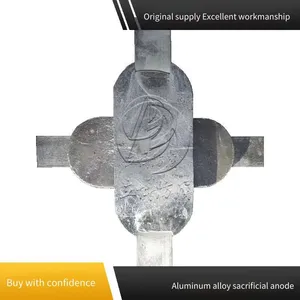
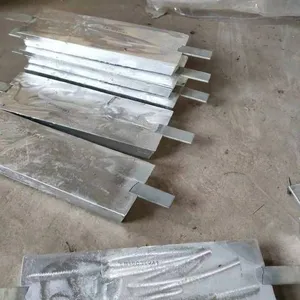
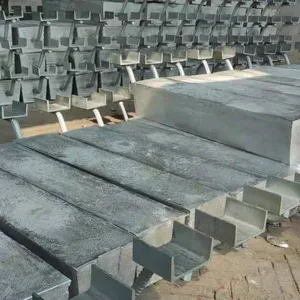
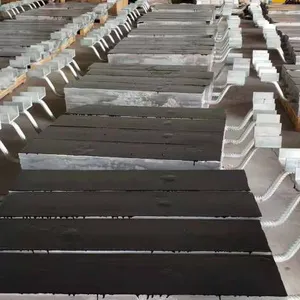
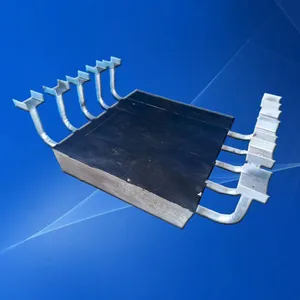
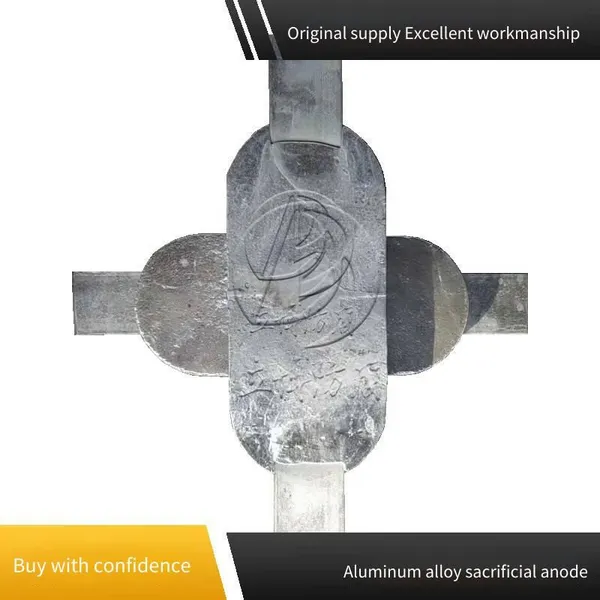
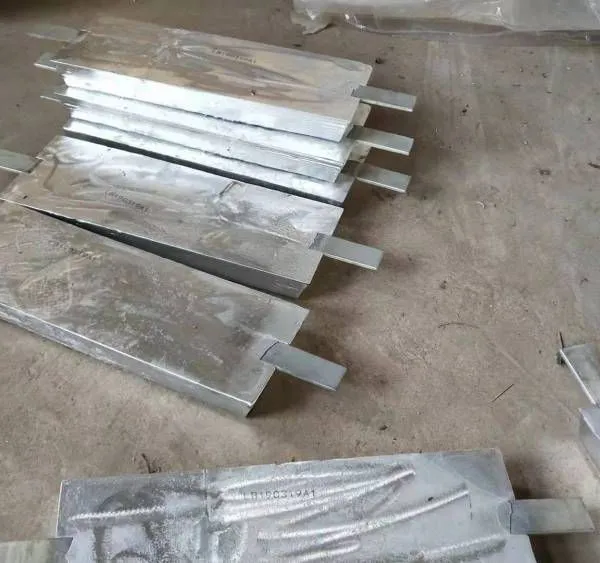
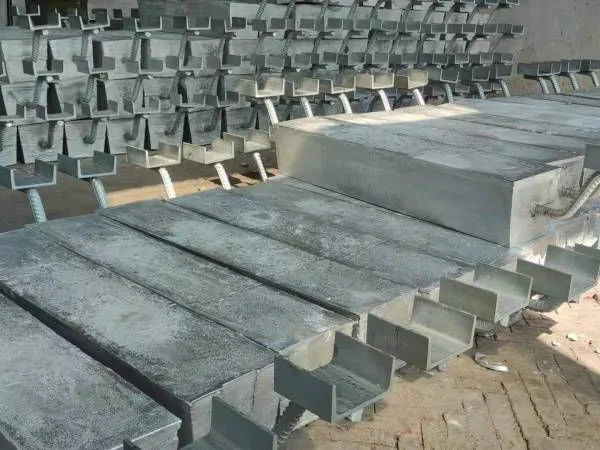
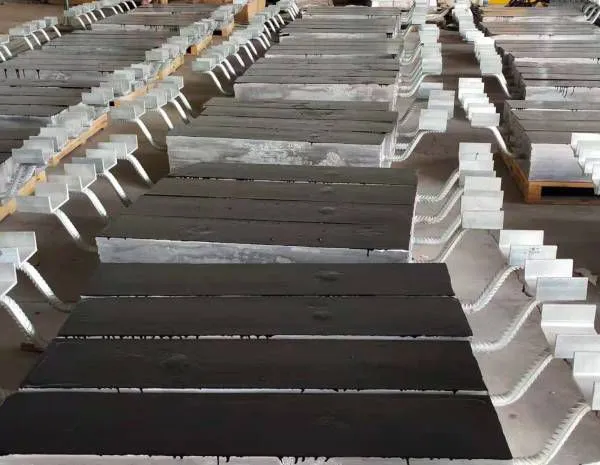
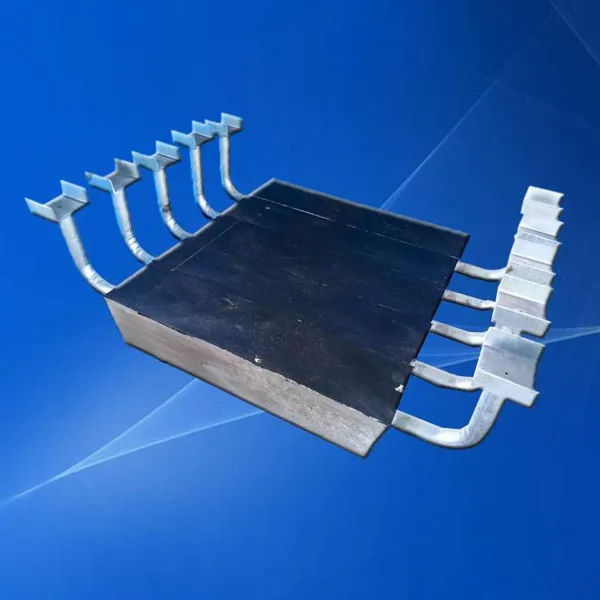
Aluminum Alloy Sacrificial Anodes for Ocean Engineering, 235kg Aluminum Anodes



Related Products
-
 16kg Aluminum Alloy Sacrificial Anode for Storage TanksUS$ 0.46MOQ: 10 Pieces
 -
Aluminum Alloy Sacrificial Anodes for Marine Engineering Anti - Corrosion. Manufacturer of Aluminum Anodes for Steel PipesUS$ 2.92 - 4.62MOQ: 10 Pieces
-
Cathodic Protection Anti-corrosion Aluminum Anodes, Supplier of High-efficiency Aluminum AnodesUS$ 0.46MOQ: 10 Kilograms
-
Magnesium Anode. Magnesium Anode for Grounding GridUS$ 3.08MOQ: 3 Kilograms
-
Anti-corrosion Aluminum-zinc-indium-magnesium-titanium Sacrificial Anodes for Steel Pile WharvesUS$ 3.08MOQ: 1 Piece
Aluminum alloy sacrificial anodes for marine engineering 235kg aluminum anode
Aluminum alloy sacrificial anode series: Ordinary aluminum alloy sacrificial anodes, steel pile anti-corrosion aluminum anodes, hull anti-corrosion aluminum anodes, storage tank anti-corrosion aluminum alloy anodes, high-efficiency anti-corrosion aluminum anodes, aluminum alloy sacrificial anodes for seawater cooling systems, aluminum anodes for port engineering facilities, aluminum anodes for marine engineering facilities, aluminum anodes for ballast water tanks, activated aluminum alloy sacrificial anodes, high-temperature resistant aluminum alloy sacrificial anodes, bracelet-type aluminum alloy sacrificial anodes, aluminum alloy pipes, etc.
The open-circuit potential of aluminum alloy sacrificial anodes is -118 - 110V (relative to a saturated calomel electrode), the working potential is -1.12 - 105V (relative to a saturated calomel electrode), the actual generated electricity is greater than 2400Ah/kg, the current efficiency in seawater is greater than 80%, and the consumption rate is about 3.8kg/Aa.
Aluminum is a non-ferrous metal with high production volume, abundant resources, and low price. The electricity generated per unit weight is large, 3.6 times that of zinc and 1.35 times that of magnesium. It has broad prospects as a sacrificial anode. Its drawback is that the current efficiency and dissolution performance vary with the anode composition and manufacturing process. In soil, the anode often fails prematurely due to the aggregation of colloidal AI(OH)3. Therefore, the application of aluminum anodes in soil remains to be explored.
The sacrificial anode cathodic protection method, also known as the sacrificial anode protection method, is a method to prevent metal corrosion. The specific method is as follows: Connect a metal with stronger reducibility as the protective electrode to the metal to be protected to form a galvanic cell. The metal with stronger reducibility will act as the negative electrode and undergo an oxidation reaction and be consumed, while the protected metal as the positive electrode can avoid corrosion. Since this method sacrifices the anode (the negative electrode of the galvanic cell) to protect the cathode, it is called the sacrificial anode (the cathode of the galvanic cell) protection method.
The corrosion of the inner wall of the bottom of crude oil storage tanks and sewage tanks is mainly due to the electrochemical corrosion and bacterial corrosion caused by the deposition of crude oil and sewage. The deposited sewage at the bottom of the tank has a relatively high salt content (mainly) and a relatively high temperature, so its corrosiveness is relatively strong. Currently, the sacrificial anode method is commonly used for the cathodic protection of the inner wall of the tank bottom. This method is safe and reliable for the storage tank, does not require special personnel for management, and has a good protection effect. Commonly used materials for sacrificial anodes include magnesium and magnesium alloys, zinc alloys, aluminum alloys, etc. The anode blocks are evenly arranged on the inner wall of the storage tank, and the steel plate is directly welded to the anode blocks.
Characteristics of the sacrificial anode protection method:
a) Quick and simple construction, without causing corrosion interference.
b) Low investment cost and high economic efficiency.
c) Safe and reliable, without the need for special personnel for management.
d) Remarkable protection effect.
Depending on the conditions of the inner wall medium, aluminum alloy anodes or magnesium alloy anodes can be selected as the anode. When using sacrificial anode protection for the inner wall, attention should be paid to the influence of temperature. In a water medium environment at 40 - 70°C, magnesium anodes are not suitable due to their high corrosion rate.
Calculate the required number of anodes based on the protected area, protection period, and medium resistivity, and select the anode specifications and shapes. The anodes are evenly distributed in a ring shape on the tank bottom plate, and the anode brackets are welded to the bottom plate. Sacrificial anodes are easy to install, and when the anode is consumed to 85% of its initial weight, it can be replaced during the tank cleaning opportunity.
Alloy sacrificial anodes are mainly used in the anti - corrosion of offshore projects. These anodes can work effectively in relatively pure seawater with high - speed flow. Therefore, as long as a suitable alloy is selected, the passivation phenomenon rarely occurs. They are light in weight and are particularly suitable for the usage requirements of 20 - 30 years.
Execution standards:
U.S.Mil - A - 18001K/W / GB4948-2002
Main properties:
Low driving voltage, light weight, and high current efficiency.
Scope of application:
Aluminum alloy sacrificial anodes are suitable for the cathodic protection of metal anti - corrosion of ships, mechanical equipment, ocean engineering, and port facilities in seawater media, as well as pipelines, cables, and other facilities in sea mud.
Product features: Commonly used aluminum alloy anodes include Al - Zn - In series and Al - Zn - Hg series anodes, which are suitable for the cathodic protection of structures such as ships in seawater, wharves, ports, and marine facilities, seawater cooling water systems, and the sediment water part of storage tanks. The aluminum - zinc - indium series (AZI series) sacrificial anodes are cast by alloying high - purity aluminum with metals such as zinc and indium. The production of aluminum alloy anodes complies with GB4948-2002 "Aluminum - Zinc - Indium Series Alloy Sacrificial Anodes".
The aluminum anodes produced by Jiaozuo Libo Light Alloy Co., Ltd. can prevent the corrosion of steel structures in seawater and are widely used in the anti - corrosion of ship hulls, ballast tanks, seawater pipelines, port and wharf facilities, ocean engineering, drilling platforms, condensers, and pipelines in soil media. Since the performance of aluminum anodes is affected by the chemical composition of the alloy, we provide different aluminum alloy combinations to meet customers' requirements. The standards currently implemented by our company include GB/T 4948 - 2002, U.S.Mil - A - 18001K, W, etc.
(1) Principle of bond parameter function Lu Guoqi, Shi Pengfei, etc. found on the basis of a large number of experiments that the atomic parameters of the elements that improve the electrochemical performance of aluminum alloys have certain regularities. They used the research method of bond parameter function, that is, using the internal connection between the microscopic structure and macroscopic properties to study aluminum alloys. The value of its electronegativity is calculated by formula (4 - 1):
x = 0.359z/r+0.744
x - Electronegativity;
z - Effective nuclear charge number of the atom;
r - Covalent radius.
They believe that elements on or near the straight line drawn by Equation (4-1) may improve the electrochemical performance of aluminum alloys. The principle method of bond parameter function can, to a certain extent, help select elements that can enhance the electrochemical performance of aluminum anodes.
Aluminum alloy sacrificial anode series: Ordinary aluminum alloy sacrificial anodes, steel pile anti-corrosion aluminum anodes, hull anti-corrosion aluminum anodes, storage tank anti-corrosion aluminum alloy anodes, high-efficiency anti-corrosion aluminum anodes, aluminum alloy sacrificial anodes for seawater cooling systems, aluminum anodes for port engineering facilities, aluminum anodes for marine engineering facilities, aluminum anodes for ballast water tanks, activated aluminum alloy sacrificial anodes, high-temperature-resistant aluminum alloy sacrificial anodes, bracelet-type aluminum alloy sacrificial anodes, aluminum alloy pipes, etc.
Aluminum is a non-ferrous metal with high production, abundant resources, and low price. The electricity generated per unit weight of aluminum is large, 36 times that of zinc and 135 times that of magnesium. It has broad prospects as a sacrificial anode. Its drawback is that the current efficiency and dissolution performance vary with the anode composition and manufacturing process. In soil, the anode often fails prematurely due to the accumulation of colloidal Al(OH)3. Therefore, the application of aluminum anodes in soil remains to be explored.
|
Alloy types |
Zn |
In |
Cd |
Sn |
Mg |
Si |
Ti |
Impurities, not more than |
Al |
||
Si |
Fe |
Cu |
|||||||||
Aluminum-zinc-indium-cadmium |
2.5 - 4.5 |
0.018 - 0.050 |
0.005 - 0.020 |
- |
- |
- |
- |
0.10 |
0.15 |
0.01 |
Balance |
Aluminum-zinc-indium-tin |
2.2 - 5.2 |
0.020 - 0.045 |
- |
0.018 - 0.035 |
- |
- |
- |
0.10 |
0.01 |
Balance |
|
Aluminum-Zinc-Indium-Silicon |
5.5-7.0 |
0.025-0.035 |
- |
- |
- |
0.10-0.15 |
- |
0.10 |
0.15 |
0.01 |
Balance |
Aluminum-Zinc-Indium-Tin-Magnesium |
2.5-4.0 |
0.020-0.050 |
- |
0.025-0.075 |
0.50-1.00 |
- |
- |
0.10 |
0.15 |
0.01 |
Balance |
Aluminum-Zinc-Indium-Magnesium-Titanium |
4.0-7.0 |
0.020-0.050 |
- |
- |
0.50-1.50 |
- |
0.01-0.08 |
0.10 |
0.15 |
0.01 |
Balance |
Since the corrosion of the inner wall at the bottom of crude oil storage tanks and sewage tanks is mainly due to the electrochemical corrosion and bacterial corrosion caused by the deposited sewage of crude oil, and the deposited sewage at the tank bottom has a relatively high salt content (mainly S2-, Cl-, HCO3-, Na+, Ca2+, etc.) and a relatively high temperature, its corrosiveness is relatively strong. Currently, the sacrificial anode method is commonly used for the cathodic protection of the inner wall of the tank bottom plate. This method is safe and reliable for the storage tank, does not require special personnel for management, and has a good protection effect. Usually, the materials used as sacrificial anodes include magnesium and magnesium alloys, zinc alloys, aluminum alloys, etc. The anode blocks are evenly arranged on the inner wall of the storage tank, and the steel plate is directly welded to the anode blocks.

Send Inquiry to This Supplier


You May Also Like
-
Cathodic Protection Anode Zinc Block, Welded Zinc Anode for Marine EngineeringUS$ 3.85MOQ: 3 Kilograms
-
Welded Aluminum Alloy Anode, 16kg Aluminum Anode for the Inner Wall of Storage TanksUS$ 0.31MOQ: 10 Rods
-
National Standard Magnesium Alloy Sacrificial Anodes, Manufacturers of Magnesium AnodesUS$ 4.62MOQ: 1 Kilogram
-
Magnesium Anodes for Natural Gas Pipelines, Magnesium Anodes for Cathodic Protection ProductsUS$ 2.31MOQ: 10 Kilograms
-
Magnesium Anode With Filling Material, Combined Magnesium Alloy Sacrificial AnodeUS$ 1.54MOQ: 2 Kilograms
-
8kg Magnesium Alloy Anode for Reservoir GatesUS$ 1.85MOQ: 1 Rod
-
High-quality Magnesium Anodes, Magnesium Alloy Sacrificial Anodes for Drainage Pipelines, Libo Anti-corrosionUS$ 3.23 - 3.54MOQ: 2 Kilograms
-
Manufacturer of Aluminum Alloy Sacrificial Anodes, Anti-corrosion Bracelet-type Aluminum Anodes, 142.2kgUS$ 3.54 - 3.85MOQ: 2 Kilograms
-
Bolt-type Zinc Anode, Bolt-connected Zinc Alloy Sacrificial Anode for Ship Hull, 400*100*40mmUS$ 3.54 - 4MOQ: 2 Kilograms
-
Zinc-aluminum-cadmium Alloy Sacrificial Anode, Zinc Anode, Hull Zh-1 Zinc Block, 800*140*60mmUS$ 3.69 - 4.31MOQ: 2 Kilograms
