Home > Electrical & Electronics > Electrical Control System > Dialogic DMV2400A-CPCI Digital Media Processing Board Card

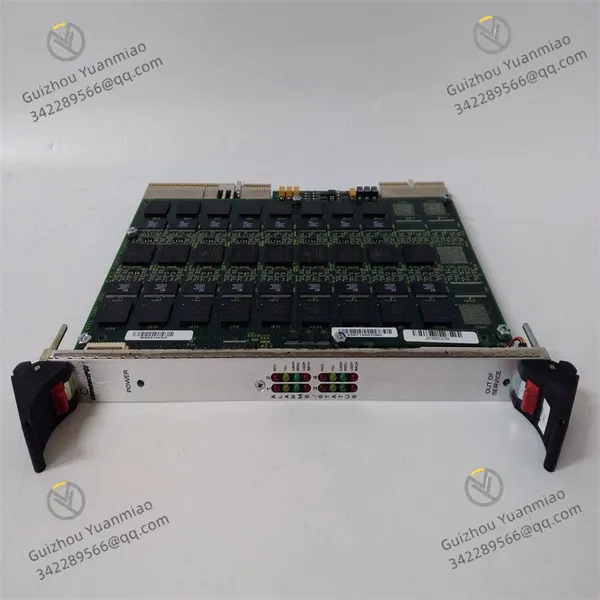
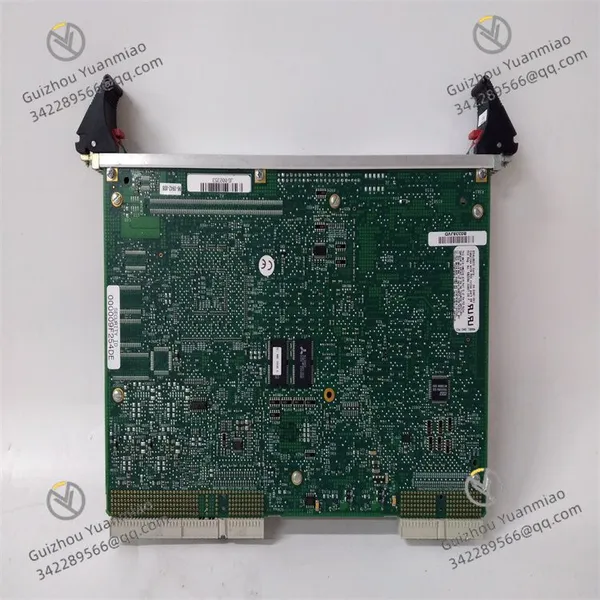
Dialogic DMV2400A-CPCI Digital Media Processing Board Card
Dialogic DMV2400A-CPCI Digital Media Processing Board Card photo-1
Dialogic DMV2400A-CPCI Digital Media Processing Board Card photo-2
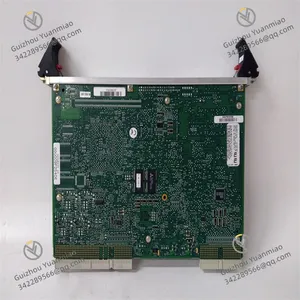
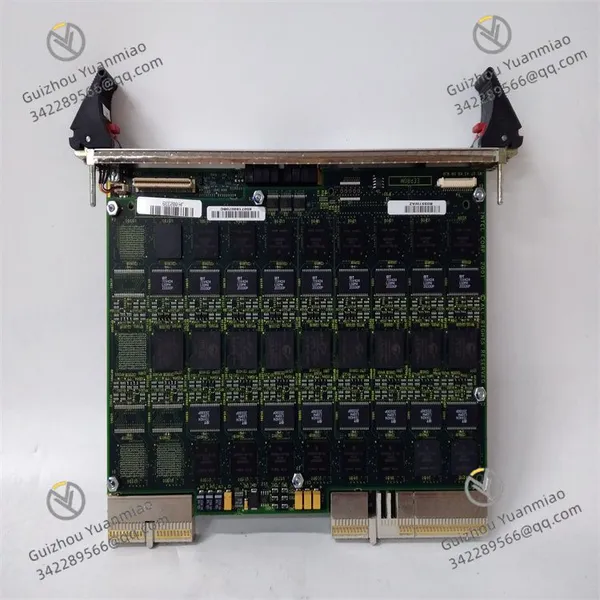
Dialogic DMV2400A-CPCI Digital Media Processing Board Card photo-3
Negotiable MOQ: 1 Piece (Price negotiable depending on order volume and customization)
Key Specifications
Get Latest Price
Material:
Other, Global universal model
Condition:
Other, Global universal model
Task:
Other, Global universal model

Payment & Shipping
Payment Methods:
Port of Shipment:
China
Delivery Detail:
Delivery time depends on order quantity.
Material Other, Global universal model
Condition Other, Global universal model
Task Other, Global universal model
Mathematical Model Other, Global universal model
Signal Other, Global universal model
Customized Non-Customized
Structure Other, Global universal model
Commercial grade 0℃~50℃
industrial grade -20℃~70℃
Dialogic DMV2400A-CPCI
Overview
The Dialogic DMV2400A-CPCI is a digital media processing board based on the CPCI (CompactPCI) architecture, primarily used in telecommunications, call centers, voice communication systems, and other scenarios. As a classic product of Dialogic, it supports multi-channel voice, data, and fax processing, enabling functions such as voice coding conversion, signal processing, and conference bridging. It serves as one of the core components for building high-performance communication systems. The board is compatible with CPCI-standard chassis, facilitating integration into complex communication devices, and is suitable for enterprise-level applications requiring high-density voice processing.
Functional Features
  • Multi-channel Voice Processing Capability: Supports concurrent processing of up to 240 voice channels, meeting the high-density communication needs of large call centers or telecom systems to simultaneously handle hundreds of phone calls, voice conferences, or fax transmissions.

  • Support for Multiple Coding Formats: Compatible with various voice coding standards such as G.711, G.729, G.723.1, etc., automatically switching coding formats based on network bandwidth and sound quality requirements to ensure clear and efficient voice transmission.

  • Flexible Signal Processing Functions: Supports technologies such as echo cancellation, noise suppression, and Voice Activity Detection (VAD) to enhance voice communication quality; also has functions like DTMF signal detection/generation and Caller ID processing.

  • Conference Bridging and Mixing Capability: Built-in conference bridging engine enables creating multi-user voice conferences, supporting dynamic adjustment of conference member quantity and permissions, suitable for multi-party calling scenarios in telephone conference systems or call centers.

  • High Availability and Fault Tolerance Design: Supports hot-swapping to replace the board without interrupting system operation; features redundant power supplies and fault detection mechanisms to reduce service interruptions caused by hardware failures.

  • Open APIs and Compatibility: Provides Dialogic standard APIs (such as HMP, EDK) for developers to integrate into custom communication systems, compatible with mainstream operating systems (e.g., Linux, Windows) and communication platforms (e.g., Asterisk, Genesys).

Dialogic DMV2400A-CPCI (4)

Technical Parameters
Parameter Category Specific Indicators
Architecture CPCI standard (3U or 6U board, depending on the model), supports PCI bus interface
Number of Channels Up to 240 voice/fax channels (depending on configuration)
Coding Formats Supports G.711μ/a, G.729a/b, G.723.1, GSM-FR, iLBC, etc.
Signal Processing Echo cancellation (up to 64ms delay), noise suppression, voice compression, DTMF detection/generation
Interface Types Supports T1/E1 digital trunk interfaces (via external interface cards); some models support IP voice (VoIP) interfaces
Power Consumption Typical power consumption is about 30-50W (depending on the number of channels and functional load)
Operating Temperature Commercial grade: 0℃~50℃; industrial grade (if available): -20℃~70℃
Compatibility Compatible with Dialogic software stack, mainstream PBX systems, and third-party communication middleware

Dialogic DMV2400A-CPCI (3)

Working Principle
The working principle of the Dialogic DMV2400A-CPCI is based on Digital Signal Processing (DSP) and communication protocol conversion, with the main processes as follows:
Signal Access and Conversion
  • Receives digital voice signals (PCM format) from the telecom network via T1/E1 interfaces, or VoIP data packets (such as RTP format) via IP interfaces.

  • The DSP chip on the board decodes the signals into processable raw voice data.

Voice Processing and Coding
  • Performs preprocessing such as noise reduction and echo cancellation on voice data to improve sound quality; selects coding formats (such as G.729 compression) based on configuration to reduce data transmission volume.

  • Supports real-time voice processing, such as interface calls for Text-to-Speech (TTS) and Automatic Speech Recognition (ASR) (requires software collaboration).

Conference Bridging and Routing
  • When processing multi-party conferences, the board's conference bridging module mixes multiple voice signals to generate conference audio streams and routes them to each participant.

  • Supports call routing control based on software instructions, such as transfer, hang up, hold, and other operations.

Signal Output and Transmission
  • Encodes the processed voice signals into target formats (such as PCM or VoIP data packets) and sends them to target devices (such as switches, IP phones) via corresponding interfaces.

Dialogic DMV2400A-CPCI (1)

Common Faults and Solutions
Fault Phenomenon Possible Causes Solutions
Board not recognized - Poor contact in CPCI slot
- Incorrect driver installation
- Board hardware failure
- Reinsert the board and clean the slot
- Reinstall or update the driver
- Test with a spare board
No sound in voice calls - Mismatched coding formats
- Faulty interface cable
- Incorrect signal processing parameter configuration
- Check if coding settings on both ends are consistent
- Replace T1/E1 cable or IP network cable
- Reset voice parameters (such as sampling rate, coding)
Inadequate or abnormal channels - Software License restrictions
- Incorrect board configuration
- Hardware damage to some channels
- Confirm the number of channels supported by the License
- Check the board configuration file (such as channel mapping table)
- Detect faulty channels with diagnostic tools and replace the board
Severe noise in conference bridging - Echo cancellation not enabled
- Signal distortion due to network packet loss
- Abnormal multi-channel mixing parameters
- Enable echo cancellation function (software configuration)
- Check network bandwidth and latency
- Adjust conference bridging mixing gain and noise reduction parameters
Board overheating alarm - Poor chassis heat dissipation
- Excessively high working environment temperature
- Board fan failure
- Clean chassis fans and cooling holes
- Reduce ambient temperature (maintain within the recommended range)
- Replace the board fan (if detachable)
Conclusion
As a professional CPCI voice processing board, the Dialogic DMV2400A-CPCI is widely used in telecom-grade communication systems, leveraging its high-density channels, multi-coding support, and flexible signal processing capabilities. During maintenance, key focuses should be on hardware compatibility, driver configuration, and real-time voice processing parameters to ensure stable system operation. For further debugging, diagnostic tools provided by Dialogic (such as Diva Server) can be used for fault location.
Product Tags: Dialogic , DMV2400A-CPCI

Send Inquiry to This Supplier

Message
0/5000

Want the best price? Post an RFQ now!
Gold Verified Supplier
1Yr
Verified Business License
Business Type
Trading Company
Year Established
2014
Factory Size
1,000-3,000 square meters
Product Certifications
SA8000