








 Contact Platform Support
 Help Center
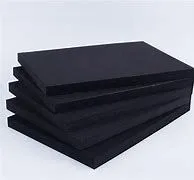
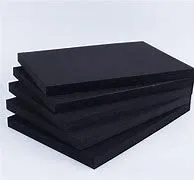
Why do we Need to Apply for EN14304CE Certification for Rubber and Plastic Foam Exports?



Related Products
-
 ASTM E 119 Fire Resistance Report is Required for Building Color Steel Plates Sold to the US MarketNegotiableMOQ: 1 Piece
 -
A Sharing Article About ASTME 1354 Product Heat Release RateNegotiableMOQ: 1 Piece
-
Fiber Cement Board Manufacturer Benefits - Share EN12467CE Certification Application ProcessNegotiableMOQ: 1 Piece
-
What Conditions Must a Roofing Color Steel Tile Company Meet to Obtain EN14782 Certification?NegotiableMOQ: 1 Piece
-
Aluminium Foil Australian Standard AS 1530.2 Flammability TestNegotiableMOQ: 1 Piece
The main reasons for applying for EN14304 CE certification for rubber and plastic foam export are as follows:
1. Meet EU market access requirements:
Ÿ Mandatory legal provisions: In the EU market, the "CE" mark is a mandatory certification mark. EU law requires that products must comply with the essential requirements of the relevant directives and be marked with the "CE" mark in order to be sold in their market. For insulation products for construction equipment and industrial installations such as rubber and plastic foam materials, EN14304 is the corresponding specific standard, and enterprises can only enter the EU market if they are certified in accordance with the standard, otherwise they will be regarded as illegal and face the risk that the product cannot be sold, seized by the customs and even fined.
2. Ensure product quality and performance:
Clear quality standards: EN14304 The standard specifies in detail the technical requirements of rubber and plastic foam products, including thermal resistance, fire performance, compressive strength, water permeability, corrosive substance release and other performance indicators. Through testing and evaluation during the certification process, it is possible to ensure that the product meets these standards, thus guaranteeing the quality and performance stability of the product.
4.2.1Thermal conductivity EN 12667
4.3.2Maximum service temperature EN 14706
4.3.3Minimum service temperature Annex B
4.3.4Water absorption EN 1609
4.3.5Water vapour diffusion resistance EN 12086
4.3.8Sound absorption EN ISO 354
4.3.8Sound absorption EN ISO 11654
3. Enhance consumer trust:
Ÿ Product reliability marking: For consumers and buyers, the "CE" mark is a strong proof that the product meets EU standards and represents the high quality and safety of the product. Rubber and plastic foam products with "CE" mark are more likely to gain the trust and recognition of consumers, thereby improving the market competitiveness of products.
Ÿ Protection of consumer rights and interests: certification requires products to meet the requirements of environmental protection, hygiene and other aspects, to ensure that consumers will not be harmed by harmful substances in the process of use, and to protect the health and safety of consumers.
4. Break down technical barriers to trade:
International Market Pass: The EU is an important international market, and obtaining EN14304 CE certification allows rubber and plastic foam products to be freely sold in the EU market. At the same time, the "CE" mark has a high degree of recognition in the world, which also helps the products to enter other international markets and provides strong support for enterprises to expand their overseas business.

Send Inquiry to This Supplier


You May Also Like
-
AS 4088 Australian Smoldering Test for Furniture and Decoration MaterialsNegotiableMOQ: 1 Piece
-
Which Level of Fire Test Does PVC Plastic Have to Comply With According to DIN 4102-1?NegotiableMOQ: 1 Piece
-
Energy Storage Cabinet UL 263 American UL Fire Resistance TestNegotiableMOQ: 1 Piece
-
What Are the Difficulties in Doing EN 13501-2 Fire Resistance Testing on Double-glass Photovoltaic Panels?NegotiableMOQ: 1 Piece
-
Which Level of Fire Test Does PVC Plastic Have to Comply With According to DIN 4102-1?NegotiableMOQ: 1 Piece
-
Learn About the Precautions for Applying for AS1530.4 Fire Resistance Test for Fire Doors in One MinuteNegotiableMOQ: 1 Piece
-
Share the Details of Applying ASTME 108 Flame Spread Class A Test for Photovoltaic PanelsNegotiableMOQ: 1 Piece
-
Is EN 13501-1 A1/A2/B/C/D/E/F the EU CE Certification Standard?NegotiableMOQ: 1 Piece
-
Benefits of Engineered Wood Flooring: Learn About the EN 14342 System 3 Certification ProcessNegotiableMOQ: 1 Piece
-
How to Prepare Samples for AS1530.1 Non-combustibility Test of Calcium Silicate Board?NegotiableMOQ: 1 Piece


