








 Contact Platform Support
 Help Center
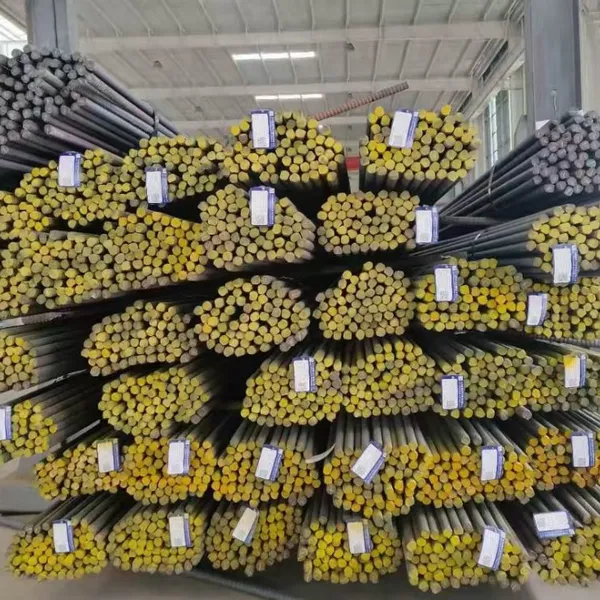
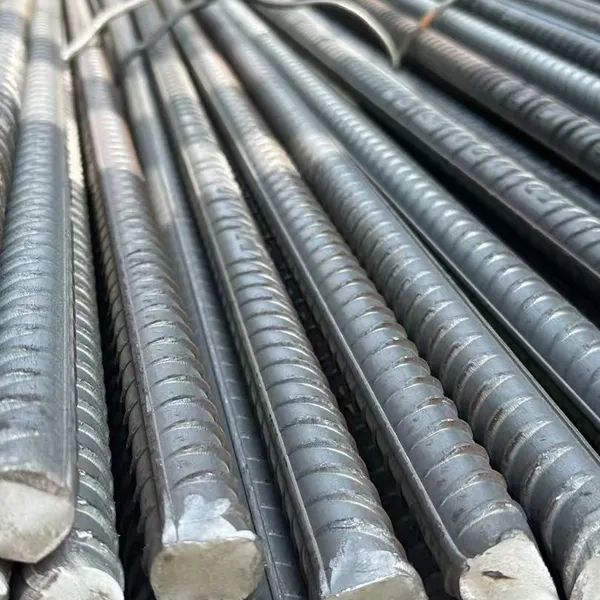
Steel Rebar & Deformed Steel Bar,Φ12mm、Φ14mm、Φ16mm、Φ18mm、Φ20mm、Φ22mm、Φ25mm、Φ28mm、Φ32mm


Related Products
-
 Steel Wire & High Carbon Steel Wire/Ordinary Steel Wire,Q195、Q235、65#、70#、82BNegotiableMOQ: 5 Metric Tons
 -
Flat Steel Bar & Flat Steel,Q195、Q235B/A36/SS400、Q355B/C/D、20#、35#、45#、65Mn、60Si2Mn、40Cr、42CrMoNegotiableMOQ: 5 Metric Tons
-
Steel Angle & Angle Steel,Q195、Q235B/A36/SS400、20#、35#、45#、65MnNegotiableMOQ: 5 Metric Tons
-
Steel H Beam & H-beam,Q235B/A36/SS400、Q235C/D、Q355B/C/D/E、Q420CNegotiableMOQ: 5 Metric Tons
-
Steel Pipe & Tube & Galvanized Steel Pipe,Q195、Q215、Q235B、Q355B、Q235A/B/A36/SS400NegotiableMOQ: 5 Metric Tons
1. Product Definition
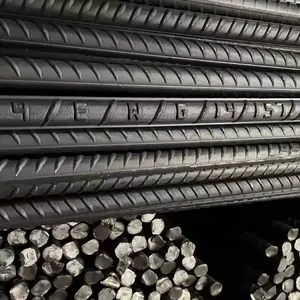
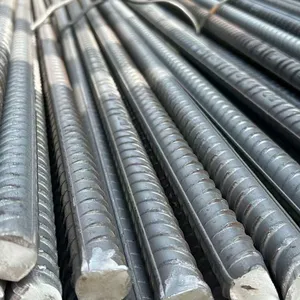
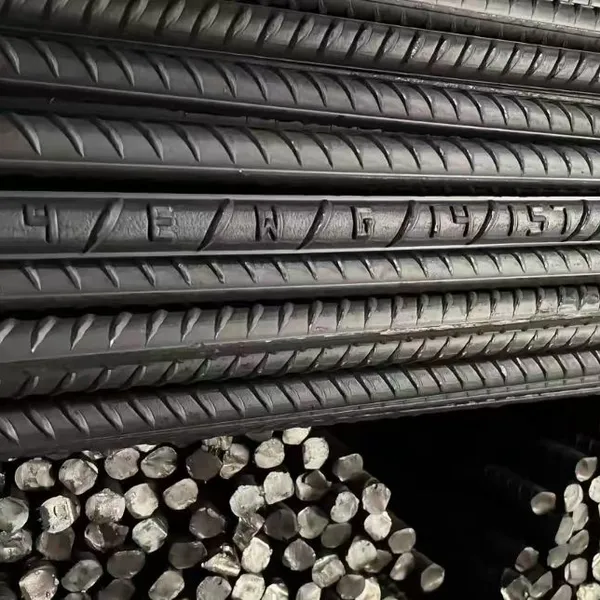
Deformed Steel Bar, also known as hot rolled ribbed steel bar, is hot rolled steel bar with raised ribs in spiral, herringbone or crescent shapes on the surface. As a core building material for construction projects, it can closely bond with concrete to greatly improve the overall structural stability, tensile strength and seismic performance of buildings. We mainly supply Hot Rolled Rebar and Seismic Rebar with complete specifications, stable material quality and regular ribs. Our products are widely used in reinforced concrete projects such as building construction, roads, bridges and infrastructure.
2. Core Product Advantages
Strong bonding and anchorage performance: The continuous surface ribs interlock tightly with concrete to prevent slippage, effectively enhancing the tensile and crack resistance of the overall structure and meeting seismic design standards.
Stable mechanical properties: Rolled from high-quality raw materials, the product features qualified yield strength, tensile strength and elongation. It has good toughness and fatigue resistance without brittle fracture, ensuring long-term safety under load.
Wide specification range and strong adaptability: A full range of standard and non-standard sizes are available. The bars can be cut, lapped and welded as required to meet reinforcement demands of various construction scenarios.
Mature technology and high cost performance: Mass production ensures consistent quality and stable supply. It helps reduce overall procurement and construction cost, and is one of the most commonly used building materials in infrastructure.
Complete qualifications and easy acceptance: Manufactured in strict accordance with national standards. Quality documents are provided for each batch to pass inspection by construction supervisors and third-party institutions smoothly.
3. Common Material Grades and Applicable Working Conditions
HRB400 (Grade 3 Rebar): The mainstream general-purpose grade with moderate strength and balanced comprehensive performance. It is suitable for residential buildings, office buildings, workshops, municipal pipe networks, ordinary roads, bridges and most civil and municipal construction projects.
HRB500 (Grade 4 Rebar): High-strength steel bar with larger bearing capacity and material saving effect. It is widely applied to high-rise landmark buildings, large stadiums, long-span bridges, heavy-load workshops and key infrastructure projects requiring high load and safety level.
HRB400E, HRB500E (Seismic Rebar): Optimized for seismic performance with qualified strength ratio and elongation, presenting excellent performance under repeated stress. It is mandatory for buildings, public facilities and lifeline projects in earthquake-prone areas.
International standard grades: ASTM Grade 40/60, BS B500B, etc. With precise dimensional tolerance and stable mechanical properties conforming to overseas standards, they are suitable for foreign trade export and international engineering projects.
4. Specification Parameters
Nominal Diameter: Regular sizes Φ12mm, Φ14mm, Φ16mm, Φ18mm, Φ20mm, Φ22mm, Φ25mm, Φ28mm, Φ32mm; customized large sizes Φ36mm, Φ40mm are available.
Standard Length: Standard lengths 9m, 12m. Custom lengths 6m, 8m are supported, as well as cutting and hook processing.
Rib Pattern: Mainly crescent rib with full and evenly arranged ribs; herringbone rib and spiral rib are also available.
Theoretical Weight: Produced strictly in accordance with national standard theoretical weight. Dimensional deviation, rib height and rib spacing all comply with relevant regulations.
Delivery Status: Hot rolled black surface with clean appearance, no scars, cracks or folding defects.
5. Production Process
High-quality continuous casting billet feeding → Continuous high-temperature heating → Reciprocating rolling by roughing mill → Intermediate and finishing rolling for forming → Rib pressing to form ribbed surface → On-line temperature controlled cooling → Natural cooling on cooling bed → Fixed-length cutting → End trimming → Visual and dimensional sampling inspection → Bundling and marking → Warehousing. The whole process is automatically controlled to stabilize metallographic structure and mechanical properties, ensuring reliable quality of every batch of Deformed Steel Bar.
6. Execution Standards
GB 1499.2-2018 Steel for the reinforcement of concrete — Part 2: Hot rolled ribbed bars (Core national standard)
GB/T 2975 Steel and steel products — Location and preparation of samples for mechanical testing
ASTM A615 Standard Specification for Deformed and Plain Carbon-Steel Bars for Concrete Reinforcement
BS 4449, EN 10080 Steel for the reinforcement of concrete
7. Main Applications
Building Construction: Main frames, beams, columns, floor slabs, foundations and shear walls of residential buildings, commercial buildings and industrial workshops, mainly using HRB400 and HRB400E.
Road & Bridge Engineering: Reinforcement for highway and railway bridges, tunnels, culverts, roadbed support and guardrails. HRB500 high-strength bars are preferred for long-span projects.
Municipal Infrastructure: Urban utility tunnels, underground garages, plazas, retaining walls, sewage treatment facilities and river regulation projects.
Large Key Projects: Airports, railway stations, stadiums, industrial parks and cross-sea projects with heavy load and high seismic requirements, matched with seismic rebar.
Renovation & Reinforcement: Reinforcement, structural strengthening, reconstruction and expansion of old buildings, featuring good material compatibility and convenient construction.
8. Delivery Cycle
Conventional In-stock Products: Sufficient stock of mainstream diameters of HRB400 and HRB400E in standard 9m/12m lengths. Delivery within 3–5 working days after payment confirmation.
Custom Cutting & Simple Processing: Products requiring cutting and hook processing will be finished within 5–7 working days.
High-strength & Special Seismic Grades: Production lead time for HRB500, HRB500E and large diameter Φ36, Φ40 bars is 5–8 working days.
International Standard & Bulk Orders: Production lead time for overseas grades, special packaging and large orders is 7–12 working days.
Urgent Orders: In-stock goods can be loaded on the same day. Processing and customized orders will be scheduled preferentially to shorten delivery time.
9. Quality Inspection
All delivered Deformed Steel Bar undergo full tests in accordance with national standards, including spectral chemical composition analysis, tensile test, bend test, reverse bend test, seismic performance test, dimensional and visual inspection. Defects such as cracks, folding and unqualified dimensions and mechanical properties are strictly prohibited. Factory certificates and material test reports are provided for each bundle and each batch with full quality traceability, meeting requirements for laboratory test and supervision acceptance.
10. Packaging Method
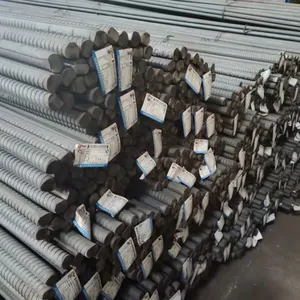
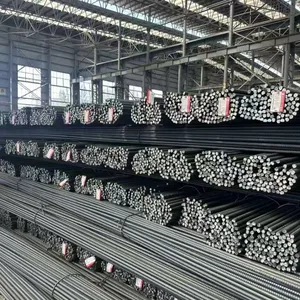
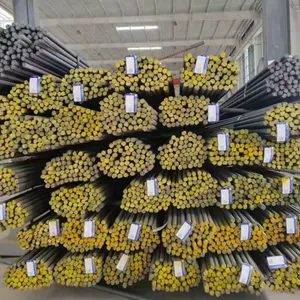
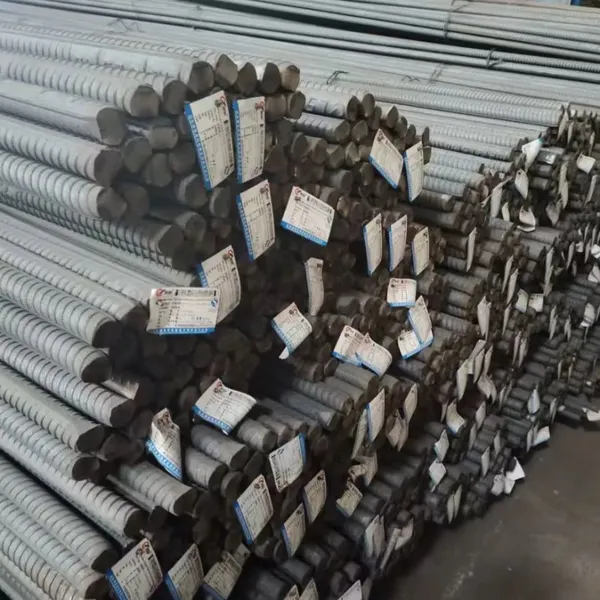
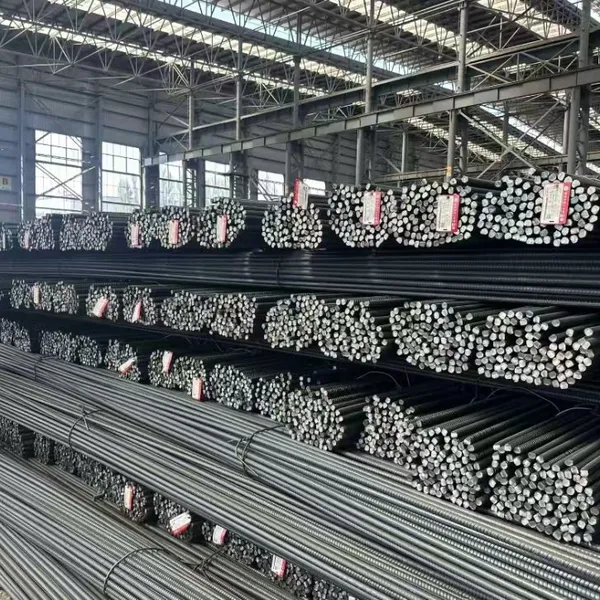
Conventional Industrial Packaging: Mechanically bundled with uniform weight per bundle. Markings including specification, grade, heat number and brand are sprayed on each bundle, suitable for domestic land transportation.
Export Packaging: Firmly bound with high-strength steel strips, wrapped with waterproof film and protected by corner guards. It is moisture-proof, collision-proof and bundling-proof for long-distance ocean transportation, complying with export commodity inspection standards.
11. Storage and Usage Precautions
Storage Environment: Store in dry, ventilated, rain-proof yards or warehouses. Avoid long-term exposure to rain and water immersion to prevent excessive surface rust.
Stacking Management: Stack products by material grade, diameter and length separately and elevate from the ground. Keep different grades apart and stay away from corrosive substances. Control stacking height properly to avoid extrusion deformation.
Processing & Construction: Avoid strong impact on ribs during cutting, bending and binding. Control current and temperature during welding to prevent local material embrittlement.
Grade Selection: Seismic designated bars marked with "E" must be used in earthquake-prone areas. Select high-strength grades for heavy-load and long-span structures. Never use low-grade bars as substitutes to ensure structural safety.

Send Inquiry to This Supplier



You May Also Like
-
Steel Pipe & Tube & Alloy Steel Pipe,15CrMo、T11/SA213 T11、T9/SA213 T9NegotiableMOQ: 5 Metric Tons
-
Steel Pipe & Tube & Oil Country Tubular Goods,API 5L Gr.B、X42、X52、X60、X65、X70、X80、E75、X95、G105、S135NegotiableMOQ: 5 Metric Tons
-
Steel Pipe & Tube & High Pressure Boiler Tube,20G/20MnG/25MnG、15CrMoG、12Cr1MoVG、10Cr9Mo1VNb(T91/P91)、T92/P92NegotiableMOQ: 5 Metric Tons
-
Steel Pipe & Tube & Precision Steel Tube,10#、20#、45#、16Mn、40Cr、42CrMo、20CrMnTi、35CrMoNegotiableMOQ: 5 Metric Tons
-
Steel Pipe & Tube & Cast Pipe,ZG230-450、ZG270-500、ZG310-570、ZG40Cr、ZG35CrMo、ZG1Cr13、ZG1Cr18Ni9TiNegotiableMOQ: 5 Metric Tons
-
Steel Pipe & Tube & Galvanized Steel Pipe,ASTM A53、ASTM A123、BS1387、EN10255、JIS G3442、ISO65NegotiableMOQ: 5 Metric Tons
-
Steel Pipe & Tube & Alloy Steel Pipe,15CrMo、12Cr1MoVG、P11、P12、P22、10Cr9Mo1VNb(T91/P91)、16Mn、40Cr、35CrMoNegotiableMOQ: 5 Metric Tons
-
Steel Pipe & Tube & Petroleum Pipe,J55、K55、N80、L80、P110、E75、X95、G105、S135NegotiableMOQ: 5 Metric Tons
-
Steel Coil & Strip & Hot Rolled Coil,Q195、Q215B、Q235B、Q355B/C/D、SPHC、SPHD、SPHENegotiableMOQ: 5 Metric Tons
-
Steel Coil & Strip & Cold Rolled Steel Coil,SPCC、SPCD、SPCE、DC01、DC03、DC05、DC06、HC260LA、HC300LA、HC340LANegotiableMOQ: 5 Metric Tons


