








 Contact Platform Support
 Help Center
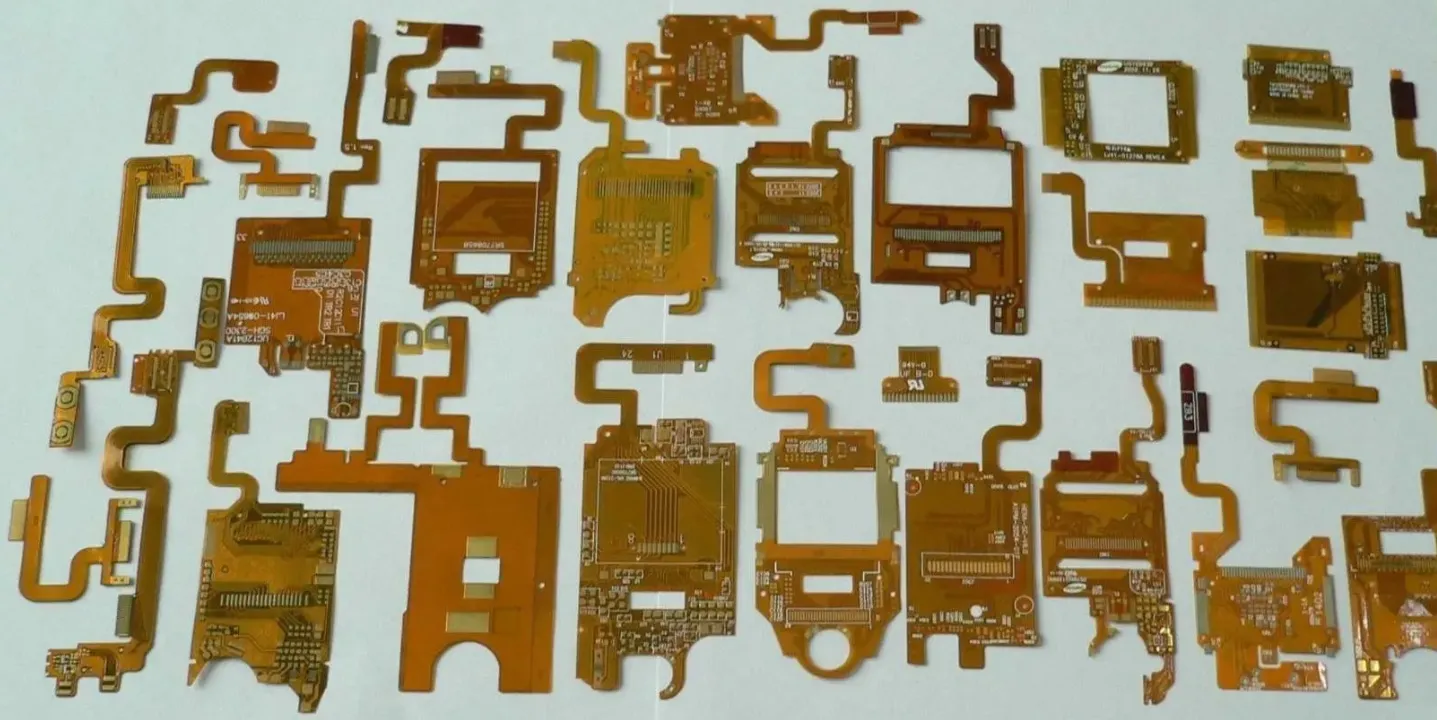
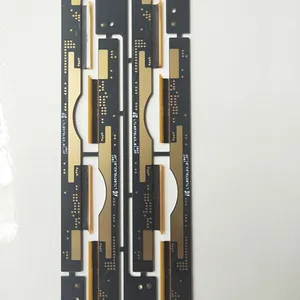
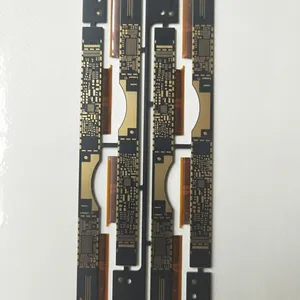
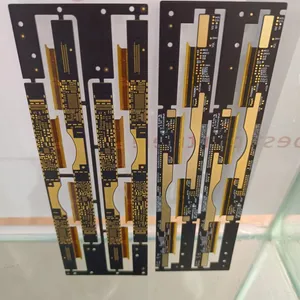
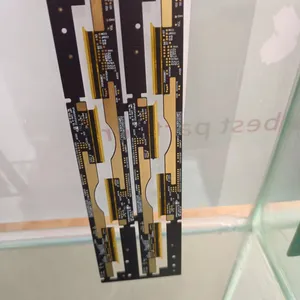
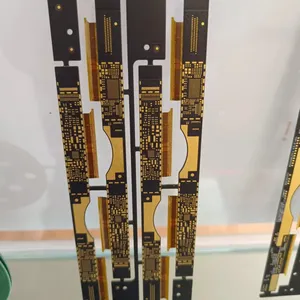
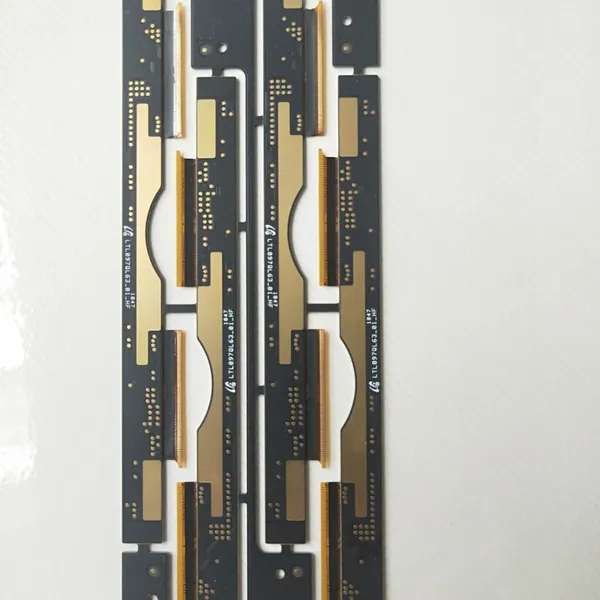
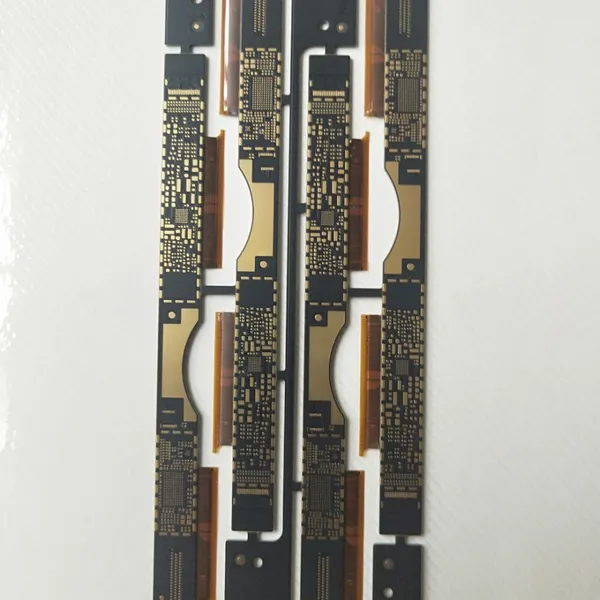
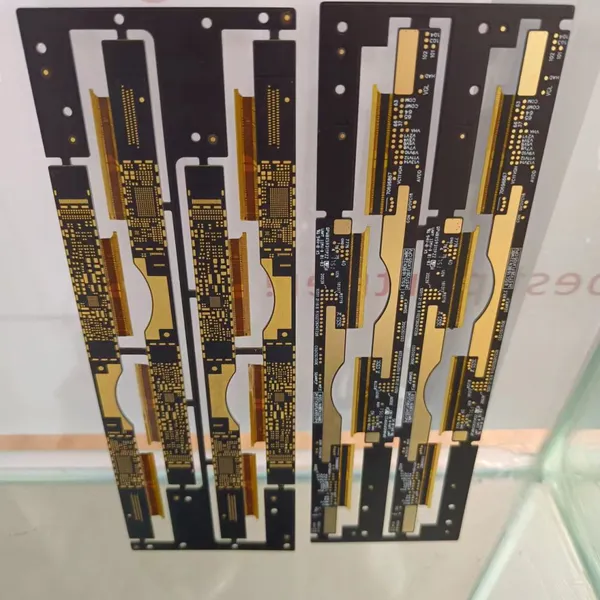
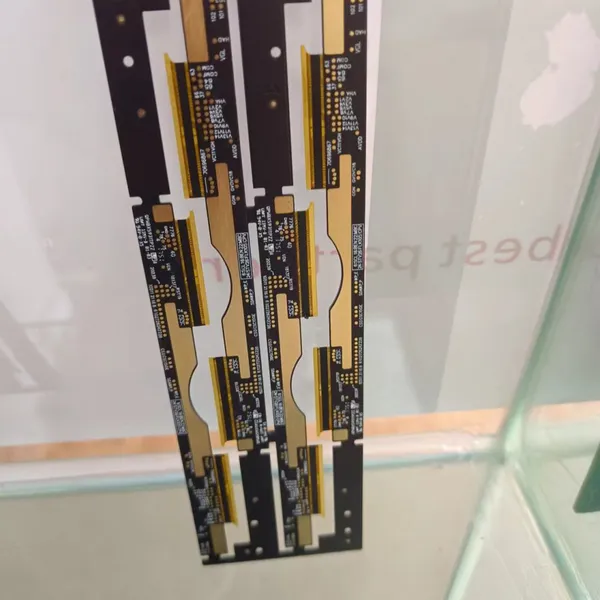
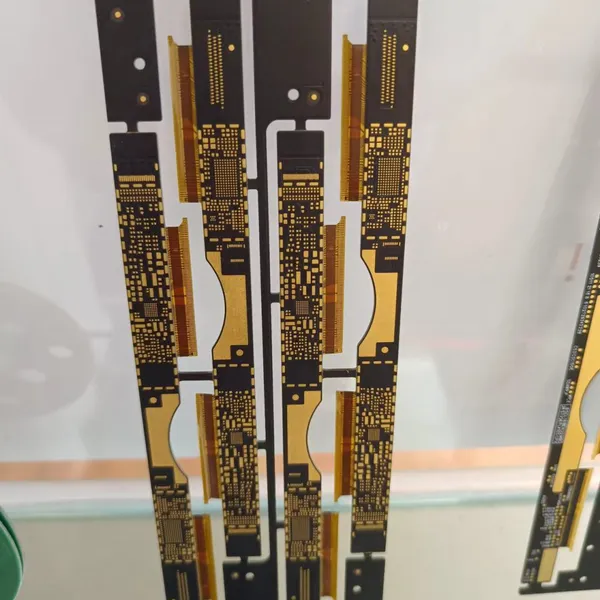
China Super Sheng 12 Layer Arbitrary Order HDI Soft Hard Combination FPC, Laptop Motherboard Circuit Board Layout Flexible Circuit Board
Product Spotlights


Related Products
-
 Chaosheng Electronics, Ultra Long Flexible FPC, TAB Products and LED, Tape and Roll to Roll Flexible Circuit Boards, Strip Ultra Long Flexible BoardsNegotiableMOQ: 10 Blades
 -
China Chaosheng Large Size Automotive Flexible PCB Special Introduction to Rigid Flex PCB (FPC) Products for Automotive StandardsNegotiableMOQ: 1 Blade
-
Double Layer Transparent FR-4PCB,Multi Layer FR-4 Transparent PCB,Is the Cost of Producing Multi-layer Transparent CircuitNegotiableMOQ: 1 Unit
-
Transparent FR-4PCB,FR-4, TG130 Material,PI Transparent Flexible Board FPC,Computer Keyboard Transparent FR-4 Transparent Material PCBNegotiableMOQ: 1 Unit
-
1.60mm Transparent FR-4PCB,Ultra Thin Transparent FR-4PCBNegotiableMOQ: 1 Unit
Laptop motherboard 12 layer arbitrary order HDI soft hard combination FPC technology (Taihong material system)
1. Product Overview Laptop 12 layer arbitrary order HDI soft hard combination board (rigid flexible combination board)=rigid motherboard core area+Taihong PI flexible interconnection area, using arbitrary layer interconnection ELIC/multi-stage sequential layering HDI structure, taking into account the high-density BGA wiring of the motherboard, high-speed PCIe signal transmission, and three-dimensional assembly and bending requirements of the shaft/module, used for ultra-thin and 2-in-1 flipping motherboards, solving the contradiction between ultra-thin body, limited space, high-frequency signal integrity and repeated bending reliability. Core pain points:
large difference in CTE/modulus between rigid high Tg FR-4 and Taihong PI soft substrate, multiple layer lamination warping/layer deviation, full layer interconnection reliability of micro blind holes, stress fracture in the rigid flexible transition zone, and thermal stability of notebook SMT multiple reflow soldering. TAIFLEX Core Material System TAIFLEX Technology Co., Ltd ..
1. Type: Adhesive/non adhesive PI soft board substrate, MPI/LCP high-frequency soft board substrate; Basic PI material copper-clad laminate, paired with high ductility rolled copper foil (RA copper), suitable for thin lines and laser blind hole processes. Universal PI FCCL: high temperature resistance, dimensional stability, halogen-free, UL certified, mainstream thickness 12.5 μ m/25 μ m PI dielectric layer, balancing flexibility and dimensional stability, used as the core dielectric layer of the soft board. High frequency MPI/LCP series: low Df low dielectric loss version, used for high-speed signal links (DDR, PCIe) on motherboards to reduce high-frequency signal attenuation. Features: anti ion migration, moisture and heat resistance, suitable for multiple pressing/260 ℃ reflow soldering, matched with notebook SMT processes; Split universal version and high-frequency low loss version 2 Taiwan Rainbow Coverlay
• PI substrate+specialized adhesive system (high Tg/low loss/anti ion migration adhesive), available in halogen-free version, yellow/black/white optional, used for flexible area circuit protection and solder mask replacement
• Model features: High Tg high Tg covering film, low ion/low loss covering film; Prevent moisture, oxidation, bending and wear of the soft board circuit; Balancing fine window opening accuracy and bending life, Taihong Technology stocks ..
3. Taihong Adhesive Film
• High Tg pure adhesive, low loss pure adhesive, and ion migration resistant pure adhesive are used for multi-layer soft board lamination and bonding in the transition zone between rigid and flexible boards. Control overflow adhesive: Low flow pure adhesive is selected to prevent the adhesive from flowing into the flexible and bendable window, causing the soft board to harden and lose flexibility. It is resistant to repeated layer lamination, heat-resistant impact, and ion migration, ensuring the long-term insulation reliability of thin lines. Taihong Technology Co., Ltd ..
4. Supporting rigid substrate
• Hard board part: High Tg FR-4 board/semi cured sheet (such as Shengyi, Lianmao, etc.), mixed and laminated with Taihong PI soft substrate, with CTE matching design to balance the overall stress of the board.
2. 12 layer arbitrary order HDI laminated design 1 Architecture form
• Structure type: Any layer interconnect ELIC multilevel HDI (non fixed 2+N+2 structure), using sequential layering process, stacked blind holes/staggered blind holes+controlled deep buried hole structure, realizing direct interconnection of all layer micro blind holes, reducing the traditional through-hole occupation of wiring space, suitable for BGA 0.3mm and below pitch packaging
• Partition layout 1 Rigid motherboard area: core chip/power/memory wiring area, high-density arbitrary order HDI micro blind hole structure, ensuring structural rigidity and impedance control Flexible Interconnection Zone: Notebook shaft/screen cable/IO connector area, pure Taiwan Rainbow PI soft board structure, reserved flexible window, avoiding blind hole dense area, using circular arc wiring and prohibiting right angle wiring to reduce bending stress Rigid flexible transition zone: gradient stepped structure/local reinforcement design, stress buffering, reducing stress concentration caused by modulus changes, is a key area for the reliability of notebook flipping and bending. Overall principle: symmetrical stacking design, balancing overall CTE stress, reducing board warping and layer deviation after multiple pressing and SMT reflow soldering; Pre DFM size compensation, optical alignment target design, soft board window anti overflow glue blocking structure
• Basic parameter reference: total board thickness 0.6~0.8mm; micro blind hole aperture 50~75 μ m; Fine line width/line spacing of 30 μ m/30 μ m; Differential impedance control ± 5%, compatible with DDR/PCIe high-speed bus
2 Taihong substrate pretreatment process 1 Baking and moisture removal: Taihong PI substrate is pre baked at a constant temperature to remove water vapor, eliminating subsequent pressure bubbles, bursting plates, and size drift Surface roughening/plasma modification: Soft board copper foil micro etching+PI dielectric plasma surface modification to improve blind hole sidewall adhesion, slag removal effect, and prevent coating peeling Dimensional solidification: After the inner layer of the circuit, stress release baking is performed to measure the shrinkage coefficient of the Tai Hong PI substrate, which is used for subsequent lamination and alignment compensation. III. Core process technology 1 Inner core board production 1 LDI laser direct imaging: high-precision LDI exposure, fine inner layer circuit production, matching the resolution requirements of the rainbow soft board substrate, reducing film errors, and ensuring fine circuit accuracy; Selection of dry film photoresist suitable for thin circuit/laser blind hole process model 2 Inner layer etching, AOI detection, impedance verification, pre solidification stress relief; Complete the production of rigid core board and Taihong soft core board basic circuit, establish full process size tracking compensation parameters 3 Inner layer conductivity/insulation test to eliminate open/short circuit defects
2 Any order HDI laser micro blind hole process 1 UV/CO ₂ Precision laser drilling:
Multiple sequential layer laser drilling to produce fully interconnected micro blind holes, fine tuning parameters to avoid erosion and carbonization of Taihong PI substrate, and the generation of residual glue/carbon slag Desmear:
a combination process of chemical and plasma desmear removal to thoroughly remove residual adhesive and carbide layer on the side/bottom of PI blind holes, ensuring subsequent electroplating adhesion Hole filling electroplating: Acidic copper hole filling electroplating process achieves complete copper filling of blind holes, without voids or depressions, ensuring reliable interconnection and conductivity of any layer. Through thermal cycling/reflow soldering testing and slice sampling of blind hole wall structure, the integrity of the coating is confirmed Multiple sequential vacuum pressing process (key process)
1 Composite material combination: Taihong high Tg/low flow pure adhesive film, specialized semi cured sheet; Set up anti overflow rubber blocking structure/anti overflow rubber fixture to prevent the rubber material from flowing into the flexible and bendable window
2 Multi segment vacuum bonding curve: ◦ Low pressure slow heating and exhaust stage: sufficient exhaust to reduce bubbles and wrinkles ◦ Main bonding and curing stage: precise temperature control+segmented pressure control, matching with the curing curve of the Taiwan Rainbow adhesive film to reduce overall internal stress and control layer alignment accuracy ◦ Slow temperature reduction+stress relief baking: reduce board warping, distortion, and interlayer offset, repeatedly correct the shrinkage coefficient of the Taiwan Rainbow PI substrate ◦ High precision optical alignment system (CCD) is used to ensure the alignment accuracy of multiple layers and meet the high-density wiring accuracy of any order HDI
3 Soft board window forming: laser controlled deep cutting/controlled deep milling, precise removal of rigid layers, exposing pure Tai Hong PI flexible areas without damaging internal soft board circuits; Perform edge rounding to prevent the propagation of microcracks at the edges Outer layer circuit, solder mask/cover film bonding&surface treatment 1 Outer HDI fine circuit fabrication, etching, impedance retesting, AOI detection 2 Flexible zone bonding with Tai Hong cover film: precise window opening and pressing to form a soft board protective layer; The rigid area adopts liquid solder mask/dry film solder mask 3 Surface treatment: OSP, nickel deposition gold, selective gold plating and other schemes; Balancing the repeated reflow soldering performance, oxidation resistance, and high-frequency signal integrity of notebook SMT Shape processing: Laser precision shaping/die-cutting to reduce stress defects at the edges of soft boards Electrical testing and reliability verification 1 Electrical testing: flying pin/fixture conductivity test, insulation withstand voltage test, impedance/signal integrity test, to verify full connectivity of blind holes in any layer Bending test: Simulate the dynamic bending test of the notebook shaft repeatedly opening and closing (hundreds of thousands of times) to verify the anti bending life of the rainbow soft board area Thermal reliability: lead-free reflow soldering with heat resistance, cold and hot cycling (-40~125 ℃), thermal shock, and wet aging tests to confirm no delamination, blistering, or open circuit Slicing metallographic examination: interlayer interface, blind hole wall structure, confirm the bonding state between Taihong PI and adhesive film, copper foil. IV. Core difficulties and countermeasures 1 Mixed pressure warping, layer alignment deviation • Problem: CTE difference between Taihong PI soft substrate and FR-4 hard board, multiple layer lamination and SMT thermal cycling resulting in warping, layer deviation, BGA virtual soldering
• Countermeasures: symmetrical lamination, full process size compensation, segmented temperature compression vacuum pressing process, stress relief baking, selection of low stress Taihong pure adhesive/modified PI substrate, fixture shaping 2 Bending and fracture in the transition zone between rigidity and flexibility
• Problem: sudden modulus change+repeated opening and closing of the notebook shaft, fatigue fracture of the copper circuit • Countermeasure: gradual transition structure, arc routing, avoiding blind hole layout, using Taihong bending resistant FCCL+rolled copper foil, local reinforcement design, optimizing pure adhesive thickness and adhesive system 3 Poor bonding of PI blind hole wall and failure of ion migration in fine lines • Problem: The high inertness of PI material leads to incomplete removal of adhesive, resulting in electroplating detachment; Ion migration, leakage/short circuit caused by long-term temperature and humidity environment in fine lines
• Countermeasures: plasma+chemical dual de gluing modification, Taihong anti ion migration pure glue/cover film system, impedance/insulation reliability verification, strengthened wet aging testing 4 Flexible window overflow hardening
• Problem: Compression glue flows into the soft area window, reducing flexibility and causing the shaft to bend and get stuck/disconnected
• Countermeasure: Rubber blocking structure design, selection of Taihong low flow pure glue, precise compression parameter control, laser precise control of deep opening window 5, key performance indicators
• Architecture: 12 layer arbitrary order ELIC multi-stage HDI micro blind hole structure
• Minimum blind hole aperture: 50-75 μ m, all copper filled hole without voids • Fine wiring: rigid area 30 μ m/30 μ m, flexible area 40 μ m/40 μ m
• Impedance tolerance: differential impedance ± 5%, meeting DDR5/PCIe high-speed signal
• Bending resistance: simulating notebook shaft opening and closing ≥ 100000 times without open circuit
• Heat resistance Sex: 260 ℃ lead-free reflow soldering multiple times without delamination and foaming
• Flame retardant: UL94 V-0, Zero halogen environmental protection specification six, mainly used for lightweight notebook motherboards, 2-in-1 flip book pivot motherboards, notebook screen cable/IO integrated motherboards, high-performance notebook BGA core motherboards, balancing the overall lightweight structure and high-speed computing signal integrity of the machine.
7、 Future technology directions
• Application of Tai Hong high-frequency MPI/LCP soft board substrate in high-speed DDR/PCIe links of laptops to further reduce signal loss
• Ultra thin arbitrary order full layer HDI+ultra-thin Tai Hong soft board substrate to further compress board thickness
• Integrated EMI shielding structure Tai Hong soft board material to solve high-frequency interference problems in laptops
• High bending resistance and adhesive free Tai Hong FCCL multi-layer soft board solution to improve the reliability of long-life flipping laptop shafts

Send Inquiry to This Supplier


You May Also Like
-
PET Transparent Single-layer Double-layer Flexible FPC,Single Layer PET Material Flexible Flexible Board FPC,pcb,fpc,pcba,SMTNegotiableMOQ: 1 Unit
-
2-layer PET Material Ultra Long Board FPCNegotiableMOQ: 1 Blade
-
2-layer Transparent FR-4 Material Ultra Long Ultra-thin PCB,Ultra Thin Transparent FR-4PCBNegotiableMOQ: 1 Blade
-
Button Transparent PET Carbon Wire FPCNegotiableMOQ: 1 Blade
-
Film Switch Transparent PET Silver Wire FPCNegotiableMOQ: 1 Blade
-
1-6 Transparent FR-4 Circuit Board PCBNegotiableMOQ: 1 Blade
-
6 Transparent FR-4 Circuit Boards PCBNegotiableMOQ: 1 Blade
-
Transparent Glass Circuit Board PCB, Copper Wiring Transparent Glass PCBNegotiableMOQ: 1 Blade
-
Transparent Tempered Glass Circuit Board PCB, Copper WiringNegotiableMOQ: 1 Blade
-
Tempered Glass PCB Glass PCBNegotiableMOQ: 1 Blade


