








 Contact Platform Support
 Help Center
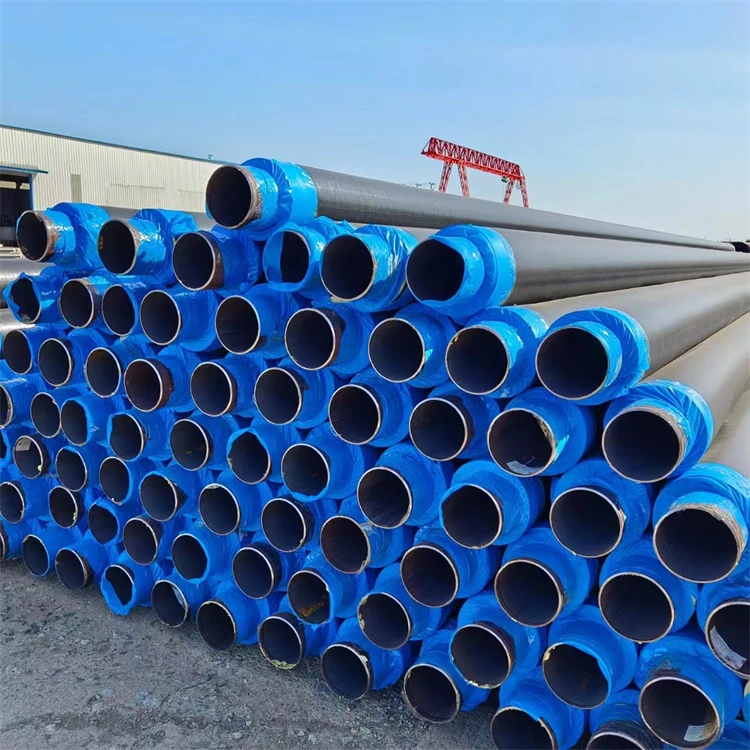
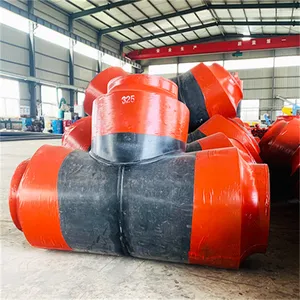
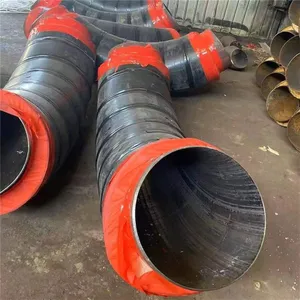
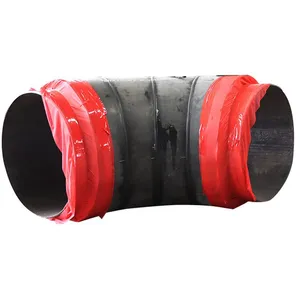
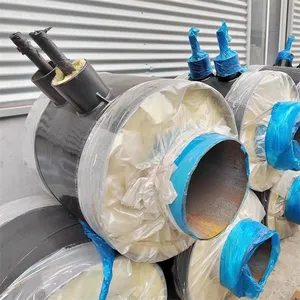
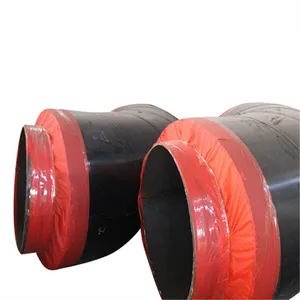
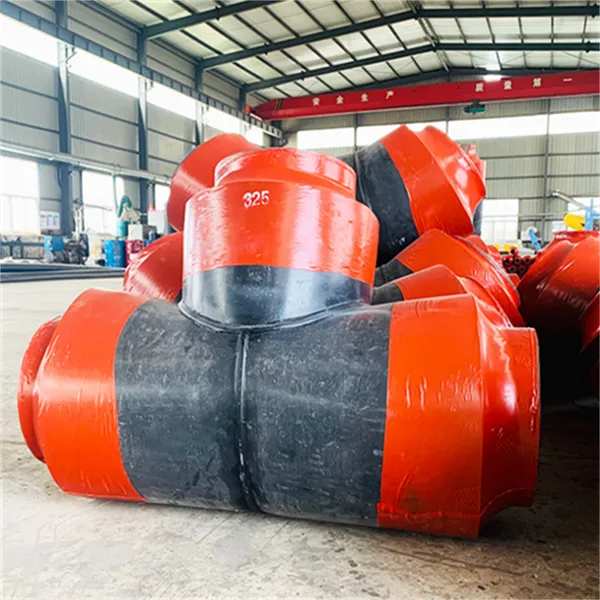
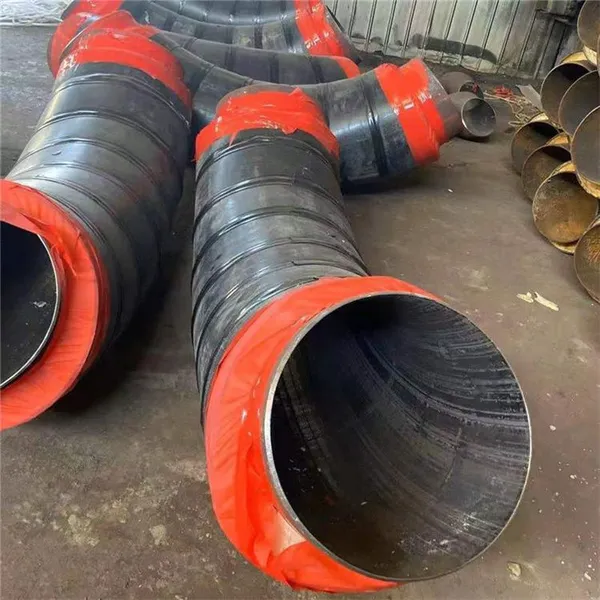
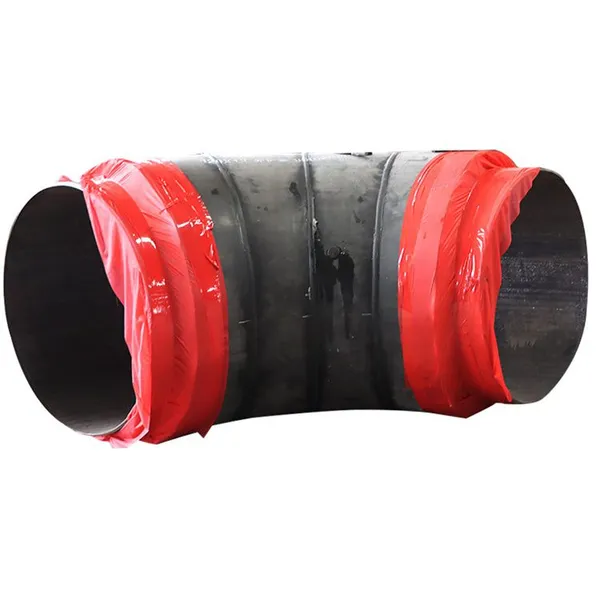
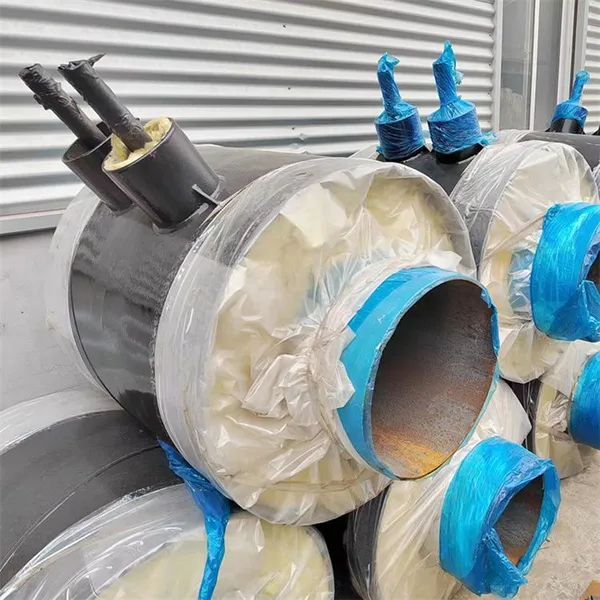
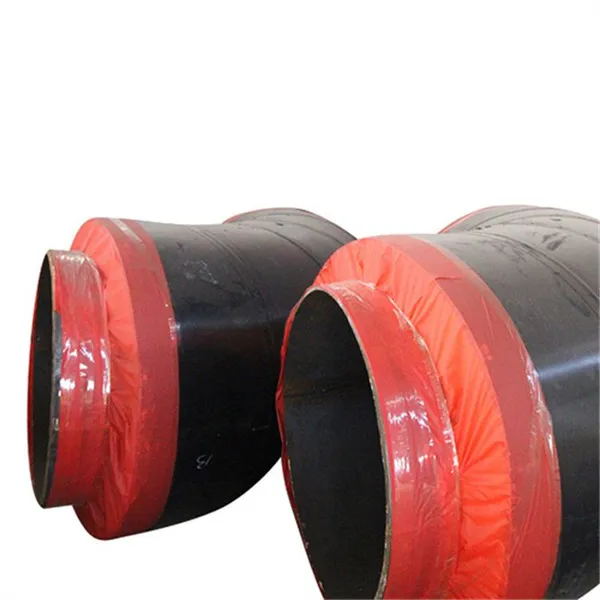
Polyurethane Direct-buried Heating Insulation Elbow
Product Spotlights



Related Products
-
 Cold and Hot Water Transport Polyurethane Steam Jacket Insulation PipeNegotiableMOQ: 1000 Meters
 -
Sliding Steel Jacket Direct Buried Steam Insulated PipeNegotiableMOQ: 100 Meters
-
Filter Mesh Winding Gasket 304 Stainless Steel Inner and Outer Ring GasketNegotiableMOQ: 100 Blades
-
Nano-aerogel Felt High-temperature Resistant Fireproof Insulation Thermal Insulation CottonNegotiableMOQ: 100 Rolls
-
Reinforced Metal Winding Gasket 304 Stainless Steel Flange Sealing GasketNegotiableMOQ: 100 Blades
How to improve the flame retardancy of polyurethane insulation pipes? Methods to improve the flame retardancy of rigid polyurethane foam generally adding various flame retardants. Most of these flame retardants are compounds containing halogens and phosphorus. Their flame retardant effect is intuitively determined by the proportion of halogens (such as bromine and chlorine and phosphorus in the compound; that is, the higher the proportion of halogens and phosphorus, the better the flame retardant effect. To enhance the flame retardant effect, antimony tri is often added as a filler to play an auxiliary role in flame retardancy and smoke suppression. When using polyurethane insulation pipes, these flame retardants are added to the polyol component These additives often affect the stability of the foaming raw material system and the normal foaming process, as well as the physical properties of the foam products. Therefore, they should be selected carefully and are generally just before use. Another method is to attach flame-retardant elements to the molecular chain segments of polyether polyols, thereby forming flame-retardant poly, which must be obtained through a reaction. Recently, for products with higher requirements, the more high-temperature-resistant polyisocyanurate (PIR) system is selected, allowing temperature resistance flame retardancy to be considered together. Additionally, combining several methods such as adding mixed flame retardants has achieved good results in practical applications. However, it should also be noted that while the flame retardancy of polyurethane insulation pipes, it often leads to other losses in physical properties and economic costs. This can result in "bait-and-switch" practices in construction, where the retardancy fails to meet standards or is non-existent, creating fire hazards for the future. Another situation that deserves attention is the migration of flame retardants. That is, over time, the retardants escape, causing the flame retardancy to decline. This phenomenon primarily occurs with added flame retardants. The type of flame retardant selected and the usage conditions can all this to happen, ranging from slight to severe.
With the expanding application fields of insulated pipelines and the continuous development of the social economy, we have also seen the continuous advancement polyurethane insulated pipelines. First, new production methods have emerged, transitioning from the previous pipe-in-pipe production to the spray-wrapping method. Such development can better adapt to the diversification of demands while reducing production costs. Next, to make transportation faster and more cost-effective, the diameters of current insulated pipelines are becoming increasingly larger, with the largest reaching 1.8 meters As the industry develops, the diameter of the pipelines will continue to increase, which requires polyurethane prefabricated insulated pipeline technology to keep pace to adapt to these large-diameter applications. When using polyurethane insulated in some special fields, there are also specific requirements. For example, mining pipelines and chemical enterprise transport pipelines need to have flame retardancy and anti-static functions. Central cooling systems in buildings need to comply with relevant industry flame retardancy standards. Meanwhile, submarine pipelines usually require the foam to be open-cell. As the application scope of polyurethane prefabricated insulated pipelines to expand, these special requirements are also becoming increasingly important. To meet current usage needs, it is also necessary to continuously improve the high-temperature and low-temperature resistance of polyurethane insulated pipelines because in high-temperature main heating pipelines, the temperature can reach over 140°C; in high-temperature pipelines in chemical areas, the high temperature can reach over190°C; in liquefied natural gas and liquefied petroleum gas transport pipelines, the temperature can reach -162°C; and in liquid nitrogen transport pipelines, the transport temperature reach -196°C. Therefore, the heat resistance of polyurethane is crucial. In addition, we need to continue adjusting the polyurethane blowing agents to meet environmental protection requirements. Currently the HCFC-141b blowing agent we use is a second-generation blowing agent, which still has a certain impact on the ozone layer and the greenhouse effect. Therefore, we must find an environmentally friendly blowing agent with zero ozone depletion potential, a lower global warming potential, and a more friendly environment to replace it. There are many new insulation materials for insulated pipelines, among which rigid polyurethane foam is commonly used. The thermal conductivity of polyurethane insulation material is very low among insulation materials, so the heat loss of the material can be reduced to very low limit. Since the closed-cell rate of polyurethane foam reaches over 90%, using polyurethane as the insulation layer of the insulated pipeline can not only provide insulation but also effectively prevent penetration of water, moisture, and other substances. It also prevents the growth and development of microorganisms.
Please translate the following Chinese text into English: What is a polyurethane pre-insulated direct-buried pipe alarm line? A direct-buried insulated pipe alarm line is a cable laid on the surface of the insulated pipe (or within the insulation layer). It is a device used to detect abnormal pipe wall temperature or. 2. What are the main functions of the alarm line? (1) Temperature abnormality alarm: When the temperature of the insulated pipe wall exceeds the set safety range, the alarm will emit an alarm sound to remind operators to take timely measures. (2) Leakage alarm: If the pipeline leaks, the alarm line will immediately detect it and issue an alarm, so necessary repair measures can be taken early, and when necessary. 3. How to use the alarm line correctly. (1) Selection of installation position: The alarm line should be installed the outer surface of the insulated pipe (or within the insulation layer), in close contact with the pipe, to ensure it can accurately sense the pipe temperature and leakage amount. (2) the power supply: The alarm line needs to be connected to a power supply to ensure normal operation. Please refer to the specific product manual or professional guidance to obtain the correct wiring. (3 Setting alarm parameters: Set the temperature threshold and leakage sensitivity of the alarm line according to actual usage needs to ensure the alarm line issues an alarm under appropriate conditions. (4) and maintenance: Regularly check the working status of the alarm line to ensure its normal operation. If a fault or abnormality is found, repair or replace it in a timely manner. . Advantages and importance of the alarm line. (1) Safety protection: The alarm line can timely detect temperature abnormalities and leakage problems in the insulated pipe, helping to avoid accidents and ensure the of the working environment. (2) Improving efficiency: By monitoring the alarm line, problems in the insulated pipe can be handled in a timely manner, reducing downtime and improving production efficiency (3) Cost saving: Even when a fault or leakage occurs, the alarm line can issue an alarm quickly, reducing losses and lowering maintenance

Send Inquiry to This Supplier


You May Also Like
-
Metal Reinforced PTFE PTFE Gasket Chemical Corrosion Resistant GasketNegotiableMOQ: 100 Blades
-
PTFE Filter Gasket With Stainless Steel Mesh; PTFE Filter Sealing Gasket With Stainless Steel MeshNegotiableMOQ: 100 Blades
-
PTFE Gasket With Holes, National Standard Flange Multi-hole PTFE Sealing GasketNegotiableMOQ: 100 Blades
-
High Temperature and High Pressure Octagonal Ring Joint Gasket Oval Flange Gasket Carbon Steel 304 316 Stainless SteelNegotiableMOQ: 1 Unit
-
304 Stainless Steel Oval Metal Ring Gasket RJ Flange Oval Gasket High Pressure and High Temperature Resistant Sealing WasherNegotiableMOQ: 10 Units
-
PTFE Gasket, Polytetrafluoroethylene Sealing Gasket, White Teflon Flat Gasket, High Temperature and Acid/alkali Resistant Industrial Flange WasherNegotiableMOQ: 25 Units
-
Flexible Graphite Packing Ring Valve Stem Sealing Ring High Temperature and High Pressure 304 Stainless Steel Reinforced Graphite Self-sealing RingNegotiableMOQ: 50 Units
-
High Alumina Ceramic Fiber Gasket; 1400℃ Refractory Gasket; Cracking Furnace High-temperature Sealing Aluminum Silicate Fiber Insulation GasketNegotiableMOQ: 50 Blades
-
Elastic Expanded PTFE Gasket Soft Teflon Gasket Pipe Flange Sealing Gasket High and Low Temperature Corrosion Resistant Ready Stock Custom MadeNegotiableMOQ: 25 Units
-
Metal Lens Gasket, No-hole and With-hole Lens Gasket, High-pressure Angle Valve Hydrogen Pipeline Flange Sealing Gasket Custom-madeNegotiableMOQ: 25 Units


