








 Contact Platform Support
 Help Center
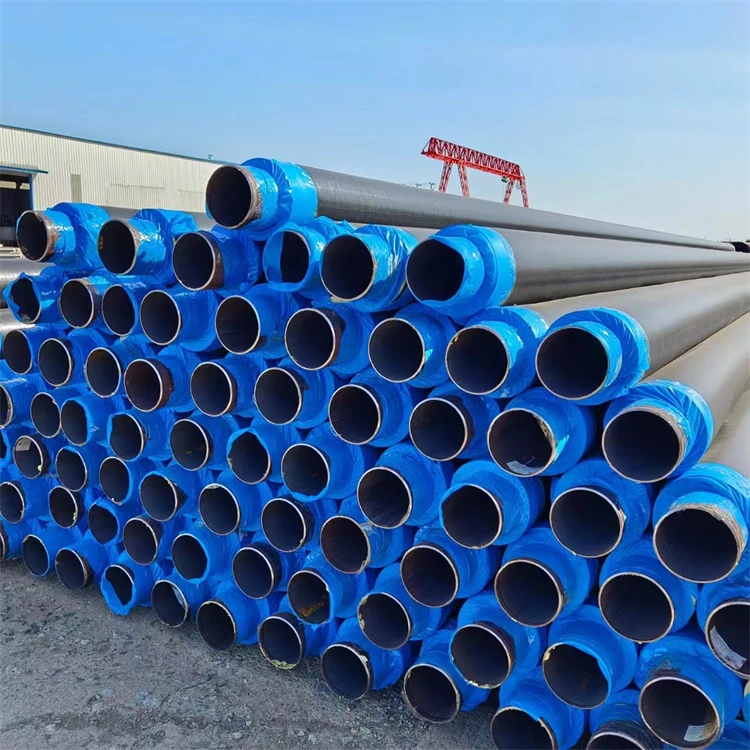
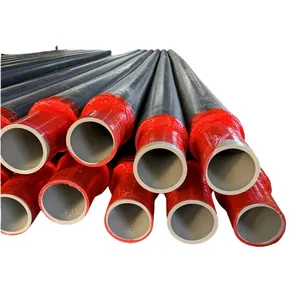
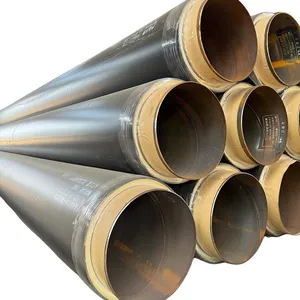
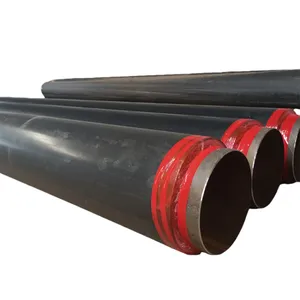
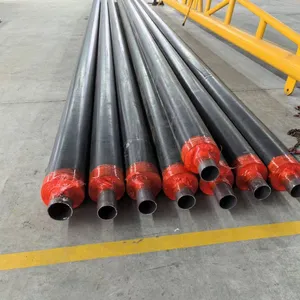
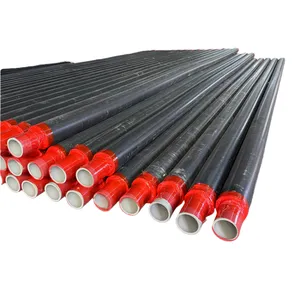
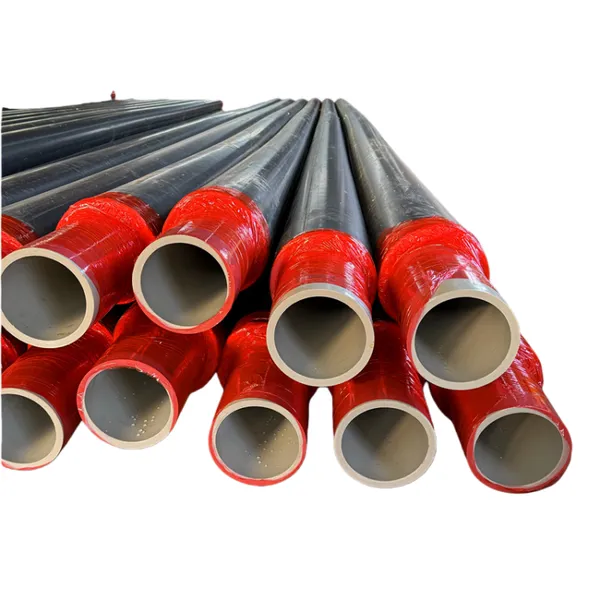
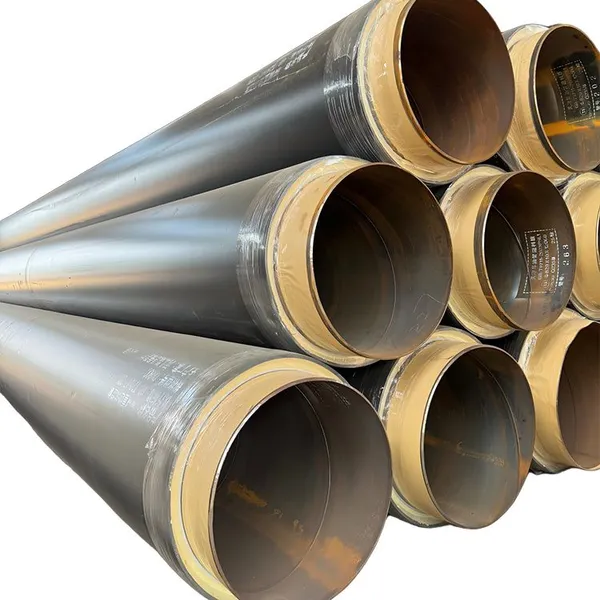
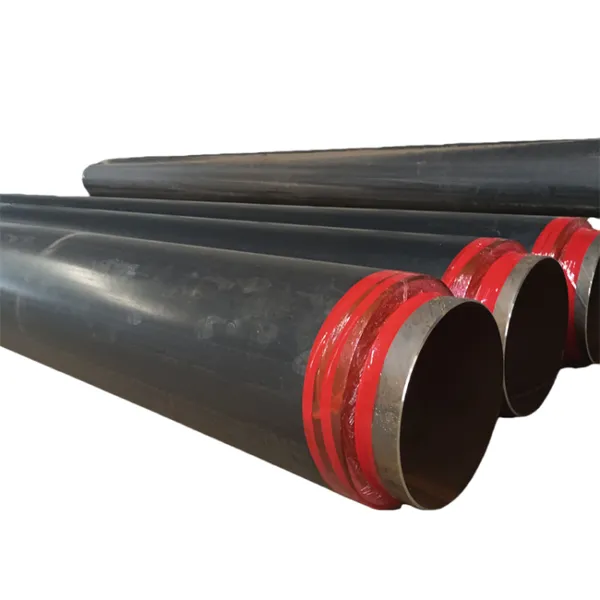
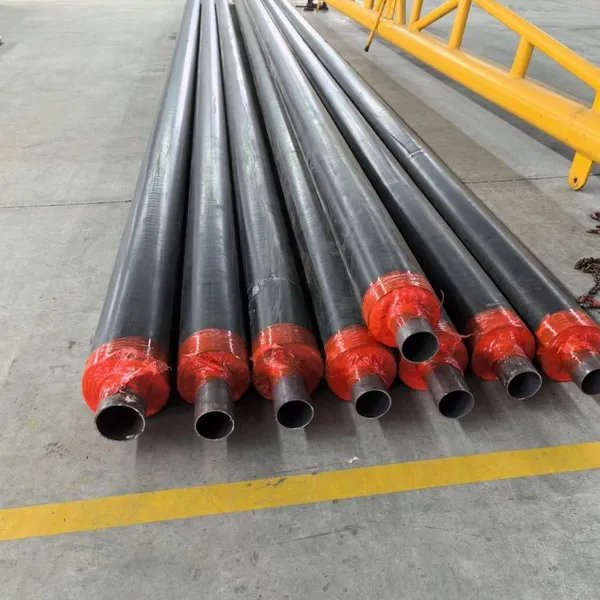
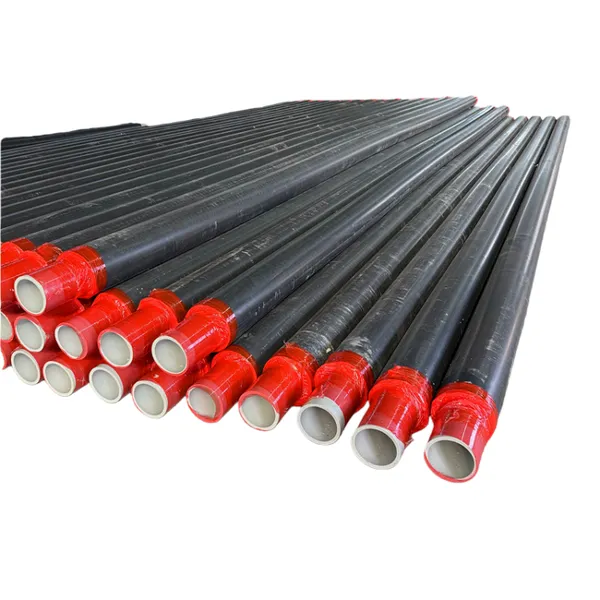
Cold and Hot Water Transport Polyurethane Steam Jacket Insulation Pipe
Product Spotlights



Related Products
-
 Sliding Steel Jacket Direct Buried Steam Insulated PipeNegotiableMOQ: 100 Meters
 -
Polyurethane Direct-buried Heating Insulation ElbowNegotiableMOQ: 100 Meters
-
Filter Mesh Winding Gasket 304 Stainless Steel Inner and Outer Ring GasketNegotiableMOQ: 100 Blades
-
Nano-aerogel Felt High-temperature Resistant Fireproof Insulation Thermal Insulation CottonNegotiableMOQ: 100 Rolls
-
Reinforced Metal Winding Gasket 304 Stainless Steel Flange Sealing GasketNegotiableMOQ: 100 Blades
Issues to note during the storage of polyurethane insulation pipes 1. The storage ground should be flat and free of hard debris such as gravel and iron; 2. The storage location must have sufficient load-bearing capacity to ensure that no accidents like collapse or overturning occur in the stacking area; 3. The storage site should be with drainage ditches, and no water accumulation is allowed within the site; 4. Pipe supports should be set up at the storage site to prevent the insulation pipes from being soaked by; 5. Appropriate measures should be taken for the stacking of insulation pipes to prevent them from sliding off and collapsing, ensuring product safety and personal safety; 6. Insulation pipes should not be to direct sunlight, rain, or soaking; they should be covered with tarpaulins when stored outdoors for a long time; 7. The stacking area should be far away from heat and fire sources; it is not advisable to store them outdoors when the ambient temperature is below -20°C.
Polyurethane insulated pipe Application range of polyurethane insulated pipe Polyurethane direct-buried insulated pipes are for insulation and cold insulation projects transporting various media within the temperature range of -50°C to 150°C. They are widely used in insulation and cold insulation in industries such as urban centralized heating, greenhouses, cold storage, coal mines, oil ports, and chemical industries. Main features of stainless steel pipes Stainless steel is a healthy material can be implanted into the human body, so choosing stainless steel pipes for water supply is most beneficial to health. In immersion water tests, all indicators meet the relevant national drinking water standard. The inner wall of stainless steel pipes is smooth, does not accumulate scale over long-term use, and is not easily contaminated by bacteria, so there is no need to about water quality being affected, and it can effectively prevent secondary water pollution. The thin and dense chromium oxide film on the surface of stainless steel gives stainless steel water pipes excellent corrosion resistance all water qualities, including soft water, and even when buried underground. Field corrosion test data show that the service life of stainless steel water pipes can reach 100 years, almost no maintenance during its life cycle, avoiding the cost and trouble of pipe replacement, and resulting in low comprehensive usage costs. The inner wall of stainless steel pipes is smooth, with small water resistance, reducing pressure loss and lowering transportation costs. Due to the low thermal expansion coefficient of stainless steel, it effectively reduces thermal energy loss in hot water pipes. Stainless steel a 100% recyclable material and will not cause environmental pollution. Application range of stainless steel pipes Stainless steel pipes can be widely used in piping systems for cold, hot water, drinking water, air, gas, medical gases, petroleum, chemical industry, water treatment, etc. Polyurethane insulated pipes with high-density polyethylene shells and shells both have good corrosion resistance, insulation, and mechanical properties. Therefore, the outer skin of the working steel pipe is difficult to be eroded by external air and water. As long as water quality inside the pipe is well-treated, according to foreign data, the service life of high-temperature prefabricated direct-buried insulated pipes can reach over 50 years, is 3 to 4 times longer than the service life of traditional trench-laid or above-ground laid pipes. Direct-buried heating pipes do not require the construction of large; they only need to be buried underground, which greatly reduces the project footprint, reduces the earthwork excavation volume by more than 50%, and reduces civil construction masonry and concrete volume 90%. At the same time, the processing of the insulated pipe and the on-site trench digging are carried out in parallel, requiring only on-site joints, which significantly shorten the construction period. Due to the reduction in the transportation of bricks, cement, sand, gravel, and excess soil, the exhaust emissions, dust, and noise emissions of during the construction process are reduced, thereby protecting the environment. Currently, prefabricated polyurethane direct-buried insulated pipes produced outside of China are all equipped with leak alarm wires. Once a occurs at any part of the pipe, through the conduction of the alarm wire, the accurate position and degree of the leak in the insulated pipe can be displayed on a dedicated testing instrument so that the inspection personnel can be notified to quickly handle the leaking pipe section, ensuring the safe operation of the heating pipe network. Domestic produced insulated pipes currently do not have leak alarm wires and this gap needs to be filled.
Common Problems and Solutions in the Construction of Polyurethane Insulated Pipes Abstract: Polyurethane insulated pipes are formed by the chemical reaction foaming of a black and white composite material. The main features of polyurethane insulated pipes are a service life of 30-50 years, excellent insulation performance with heat loss only 25% of traditional pipes, significant energy savings and cost reduction during long-term operation. Polyurethane insulated pipes are used for various indoor and outdoor pipelines, centralized heating pipelines, central air conditioning pipelines, and insulation and cold projects for industrial pipelines in chemical and pharmaceutical industries. The main features of polyurethane insulated pipes are a service life of 30-50 years, excellent insulation performance with heat loss 25% of traditional pipes, and significant energy savings and cost reduction during long-term operation. They have strong waterproof and corrosion-resistant capabilities, are easy and quick to install, and have low overall cost.
Common problems and solutions in the construction of polyurethane insulation pipes: 1. Slow foaming speed of polyurethane insulation pipes: This phenomenon generally during the autumn and winter seasons or during morning construction, caused by a sudden drop in temperature or low ambient temperature. It can be resolved by increasing the ambient temperature and the temperature of the black material, raising the black material temperature to 30-60°C and the ambient temperature to 20-30°C will suffice. 2. Fast foaming speed of insulation pipes: This phenomenon generally occurs during the spring and summer seasons or during midday construction, caused by a sudden rise in temperature or excessively high temperatures. The black material can be cooled with water or left outdoors at night to cool naturally, avoiding direct sunlight. 3. Low foam strength and soft foam of polyurethane insulation pipes: This phenomenon is caused by an imbalance in the ratio of black and materials. It can be resolved by appropriately increasing the proportion of black material (1:1 to 1.05). Note not to make the black material proportion too high, otherwise, the will become brittle and its performance will be affected. The prefabricated polyurethane insulation pipe is a triple combination that forms a tight structure and a complete whole, providing strong insulation, waterproofing, and sealing. While being energy-saving and economical, it also offers a long and safe service life. It is used for the transportation of various media such as petroleum, chemicals, thermal power and natural gas. The polyurethane direct-buried insulation pipe is tightly composed of the steel pipe for transporting the medium, a rigid polyurethane foam insulation layer, and a high-density polyethylene outer casing. Performance of prefabricated polyurethane insulation pipes: The overall performance of the direct-buried insulation pipe is excellent. It strictly implements shot blasting rust removal on the outer surface of the steel pipe and corona treatment on the inner surface the outer casing, further improving the bonding performance of the insulation pipe. The insulation layer material is rigid polyurethane foam with a density of 60kg/m³ to 80kg/m which fully fills the gap between the steel pipe and the casing, and has a certain bonding strength, forming a solid whole among the steel pipe, outer casing, and insulation layer

Send Inquiry to This Supplier


You May Also Like
-
Metal Reinforced PTFE PTFE Gasket Chemical Corrosion Resistant GasketNegotiableMOQ: 100 Blades
-
PTFE Filter Gasket With Stainless Steel Mesh; PTFE Filter Sealing Gasket With Stainless Steel MeshNegotiableMOQ: 100 Blades
-
PTFE Gasket With Holes, National Standard Flange Multi-hole PTFE Sealing GasketNegotiableMOQ: 100 Blades
-
High Temperature and High Pressure Octagonal Ring Joint Gasket Oval Flange Gasket Carbon Steel 304 316 Stainless SteelNegotiableMOQ: 1 Unit
-
304 Stainless Steel Oval Metal Ring Gasket RJ Flange Oval Gasket High Pressure and High Temperature Resistant Sealing WasherNegotiableMOQ: 10 Units
-
PTFE Gasket, Polytetrafluoroethylene Sealing Gasket, White Teflon Flat Gasket, High Temperature and Acid/alkali Resistant Industrial Flange WasherNegotiableMOQ: 25 Units
-
Flexible Graphite Packing Ring Valve Stem Sealing Ring High Temperature and High Pressure 304 Stainless Steel Reinforced Graphite Self-sealing RingNegotiableMOQ: 50 Units
-
High Alumina Ceramic Fiber Gasket; 1400℃ Refractory Gasket; Cracking Furnace High-temperature Sealing Aluminum Silicate Fiber Insulation GasketNegotiableMOQ: 50 Blades
-
Elastic Expanded PTFE Gasket Soft Teflon Gasket Pipe Flange Sealing Gasket High and Low Temperature Corrosion Resistant Ready Stock Custom MadeNegotiableMOQ: 25 Units
-
Metal Lens Gasket, No-hole and With-hole Lens Gasket, High-pressure Angle Valve Hydrogen Pipeline Flange Sealing Gasket Custom-madeNegotiableMOQ: 25 Units


