








 Contact Platform Support
 Help Center
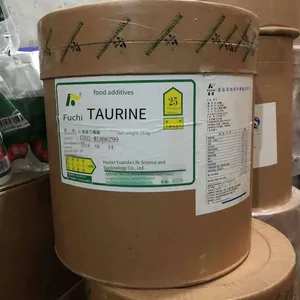
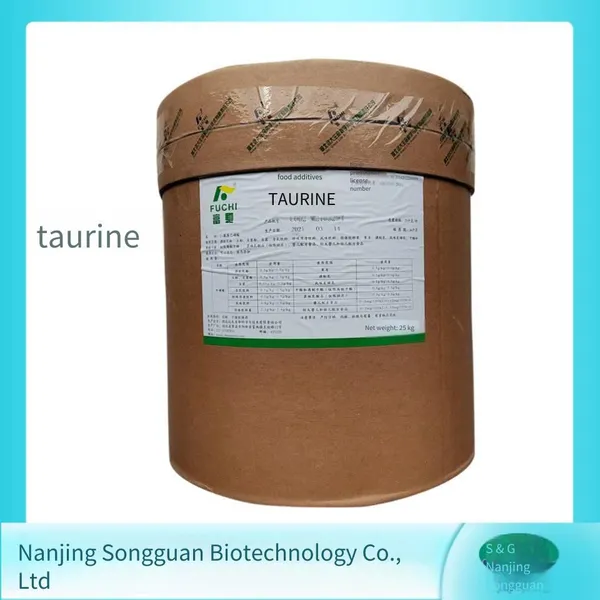
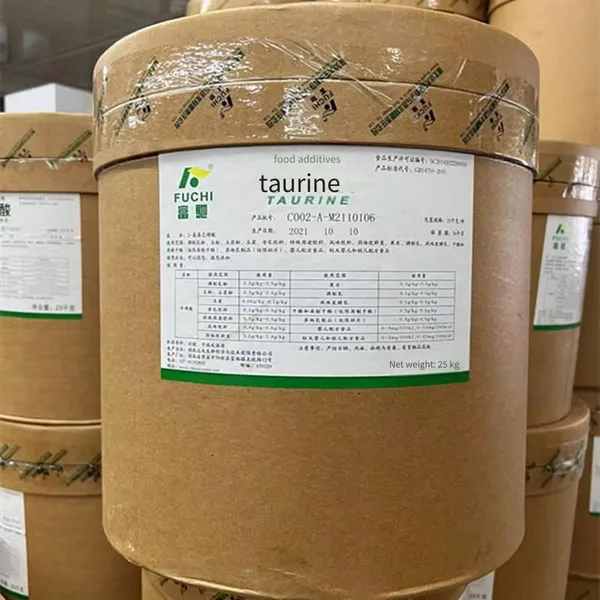
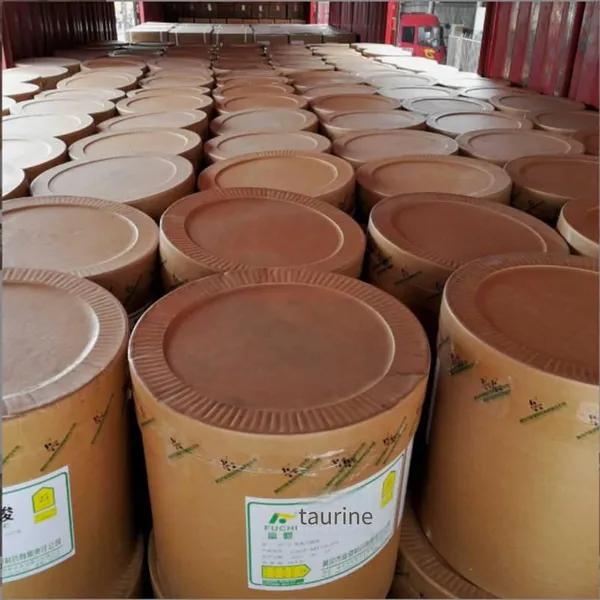
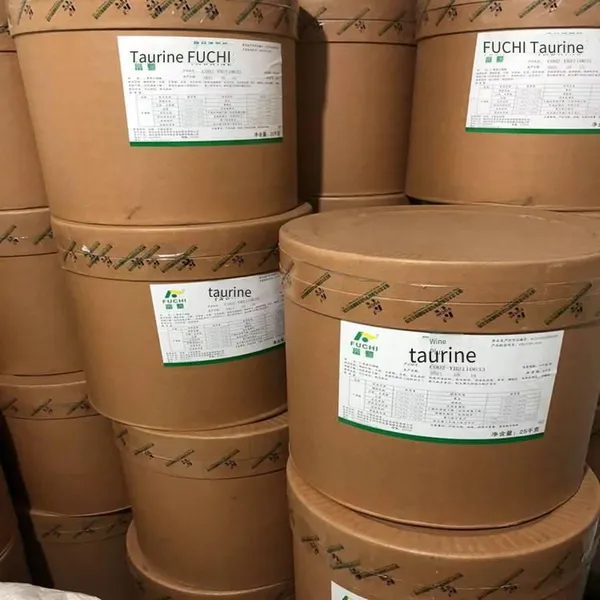
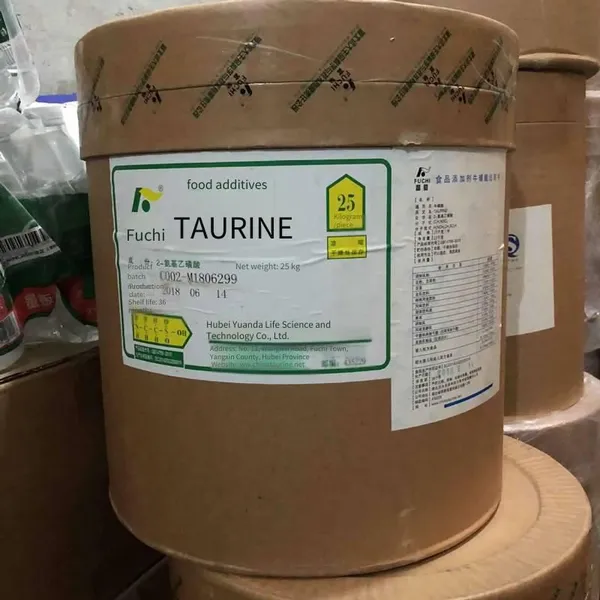
Food-grade Taurine (aminoethanesulfonic Acid), Nutritional Fortifier Amino Acid



Related Products
-
 Food-grade 18 Kinds of Compound Amino Acid Powder Solid Beverage With Plant Extracts as Nutritional SupplementsUS$ 10MOQ: 1 Kilogram
 -
Food-grade Erythritol, Zero-calorie Sugar Substitute for Baked Pastries, Filling SweetenerUS$ 2.77MOQ: 1 Kilogram
-
Food-grade Nicotinic Acid Powder, Nicotinamide, Vitamin pp Food Additive, Nutritional FortifierUS$ 10MOQ: 1 Kilogram
-
Calcium Ascorbate (l-calcium Ascorbate), Food GradeUS$ 7.69MOQ: 1 Kilogram
-
Factory Supply of L-glutamine Fitness Nutrition Fortifier, Food GradeUS$ 10MOQ: 1 Kilogram
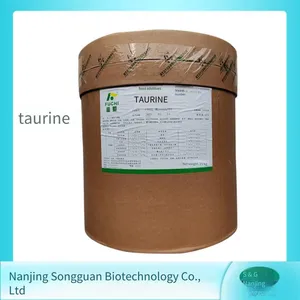
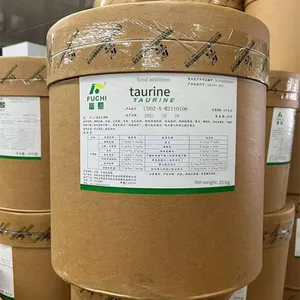
【Product Name】: Taurine
【Product Alias】: 2-Aminoethanesulfonic acid, Taurocholic acid, Taurocholin
【English Name】: Taurine
【Main Component】: Taurine (Aminoethanesulfonic acid)
【Raw Material Source】: Isolated from bezoar
【Product Specification】: 99%
【Product Appearance】: Off-white powder
【Product Taste】: Odorless, slightly acidic in taste
【Product Properties】: Off-white powder
【Detection Method】: HPLC
【Solubility】: Soluble in water, insoluble in ethanol and ether
【Molecular Formula】: C2H7NO3S
【CAS No.】: 107-35-7
【Molecular Weight】: 125.15CAS
Taurine, also known as 2-Aminoethanesulfonic acid, was first isolated from bezoar, hence its name. It is a sulfur-containing non-protein amino acid that exists in a free state in the body and does not participate in the biosynthesis of proteins in the body.
Although taurine does not participate in protein synthesis, it is closely related to the metabolism of cystine and cysteine. The activity of cysteine sulfinic acid decarboxylase (CSAD) for synthesizing taurine in the human body is relatively low, and the body mainly relies on ingesting taurine from food to meet its needs.
Taurine
Taurine, also known as β-Aminoethanesulfonic acid, was first isolated from bezoar, hence its name. The pure product is a colorless or white oblique crystal, odorless. Taurine has stable chemical properties and is insoluble in organic solvents such as ether. It is a sulfur-containing non-protein amino acid that exists in a free state in the body and does not participate in the biosynthesis of proteins in the body. Although taurine does not participate in protein synthesis, it is closely related to the metabolism of cystine and cysteine. The activity of cysteine sulfinic acid decarboxylase (CSAD) for synthesizing taurine in the human body is relatively low, and the body mainly relies on ingesting taurine from food to meet its needs
【Use】: Nutritional fortifier. It plays an important role in promoting the growth and development of children, especially infants' brains, height, and vision. Although in the human body, it can be formed by the decarboxylation of cysteic acid, an intermediate product of methionine or cysteine metabolism, the activity of this decarboxylase in infants is very low, and its synthesis is limited, so it should be supplemented. Especially for infants fed with cow's milk, since cow's milk contains almost no taurine, appropriate nutritional fortification and supplementation are necessary. It can be used in dairy products, infant foods, cereal products, beverages, milk drinks, children's oral liquids, prepared wines, soybean milk powder, soybean powder, soy milk, jelly, fruit juice (fruit-flavored) drinks, cocoa powder, and other flavored nutritional solid drinks.

Send Inquiry to This Supplier


You May Also Like
-
Dibutyl Hydroxytoluene, Food-grade Oil Antioxidant, Food Additive Bht, Samples AvailableUS$ 5.38MOQ: 1 Kilogram
-
Food Additive Gamma-aminobutyric Acid. Manufacturer of Food-grade γ-aminobutyric AcidUS$ 10MOQ: 1 Kilogram
-
Food-grade Potassium Cinnamate Preservative for Preventing Mildew and Keeping Freshness, High Purity, Long-term Supply for Pickled VegetablesUS$ 8.46MOQ: 1 Kilogram
-
Food Additive L-calcium Aspartate, Food Grade, Nutritional FortifierUS$ 7.69MOQ: 1 Kilogram
-
Erythritol Sweetener, Food Grade, Manufacturer, Cas 149-32-6US$ 3.08MOQ: 1 Kilogram
-
Edible Nutritional Fortifier - Ferrous Glycinate, Food-grade Additive, Iron Fortifier for BeveragesUS$ 20MOQ: 1 Kilogram
-
Food Additive Potassium Metabisulfite Supplied by Manufacturer, Food Grade Bleaching Agent for Candied Fruits, Biscuits and CandiesUS$ 4.31MOQ: 1 Kilogram
-
Food-grade L-alanine Supply for Nutritional Fortification and Edible AdditivesUS$ 3.69MOQ: 1 Kilogram
-
Zinc Gluconate, Food-grade Nutritional Fortifier. Minimum Order: 1 Kg.US$ 4.62MOQ: 1 Kilogram
-
Food-grade Casein, Caseinogen, Cas 9000-71-9, Nutritional Fortifier, Latex ProductsUS$ 13.08MOQ: 1 Kilogram


