








 Contact Platform Support
 Help Center
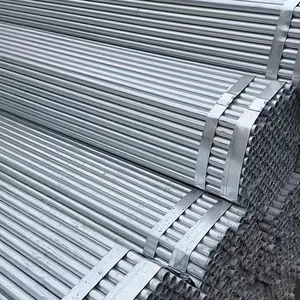
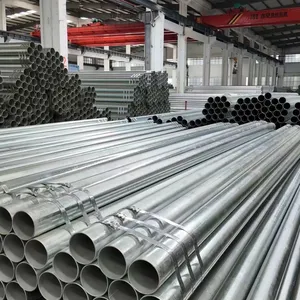
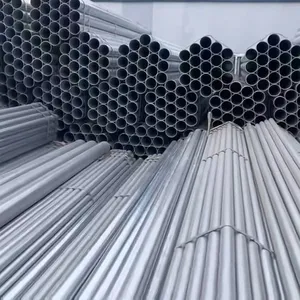
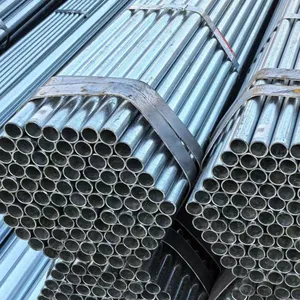
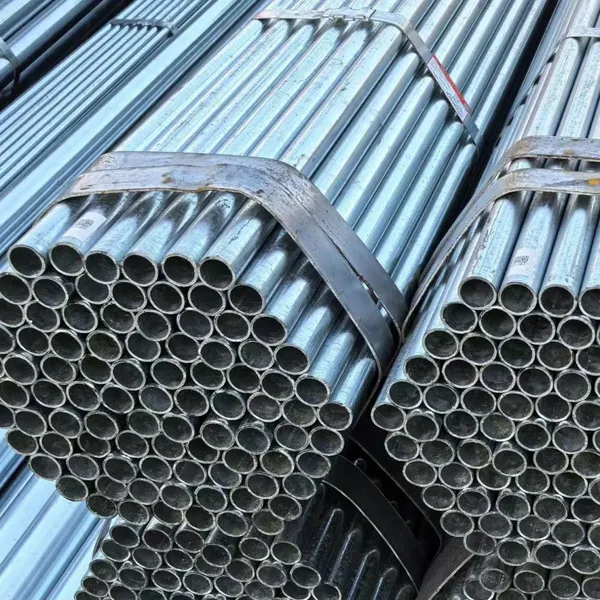
Hot-dip Galvanized Steel Pipe&Steel Pipe & Tube,Q195, Q215, Q235B, Q355B, API 5L Gr.B



Related Products
-
 Steel Pipe & Tube&Seamless Steel Pipe Fittings for Export,Q195, Q215, Q235B, Q355B, 20#, API 5L Gr.BNegotiableMOQ: 10 Pieces
 -
Steel Rebar&Deformed Steel Bar,HRB400、HRB400E、HRB500、HRB500E、Grade 40、Grade 60NegotiableMOQ: 5 Metric Tons
-
Steel Wire&Carbon Steel Wire,GB/T 342, GB/T 4358, ASTM A228, ASTM A421, JIS G3505NegotiableMOQ: 5 Kilograms
-
Insulated Pipe&Pre-insulated Pipe,RoHS, REACH, UL 94, VDE, IEC, GB/T 7113NegotiableMOQ: 5 Metric Tons
-
Steel Angle&Angle Bar,Q235B, Q355B, S235JR, S355JR, A36, SS400NegotiableMOQ: 5 Metric Tons
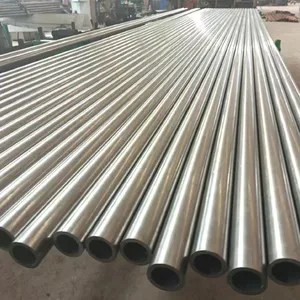
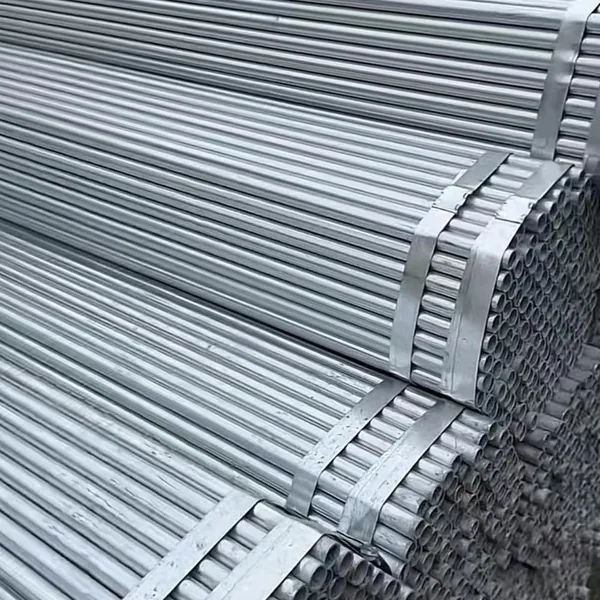
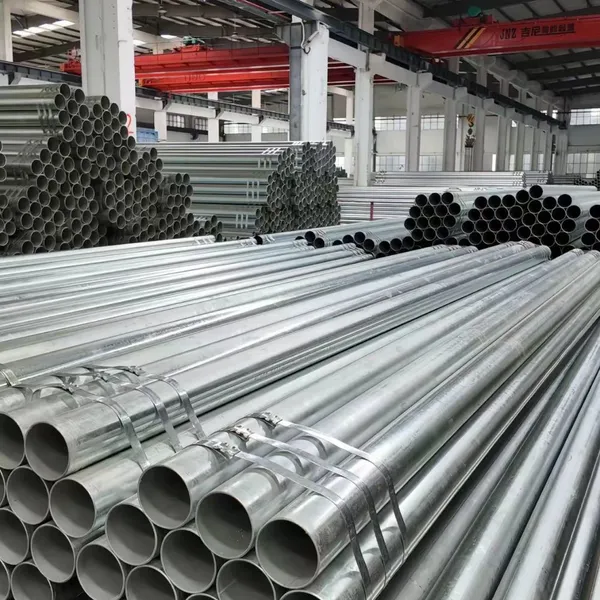
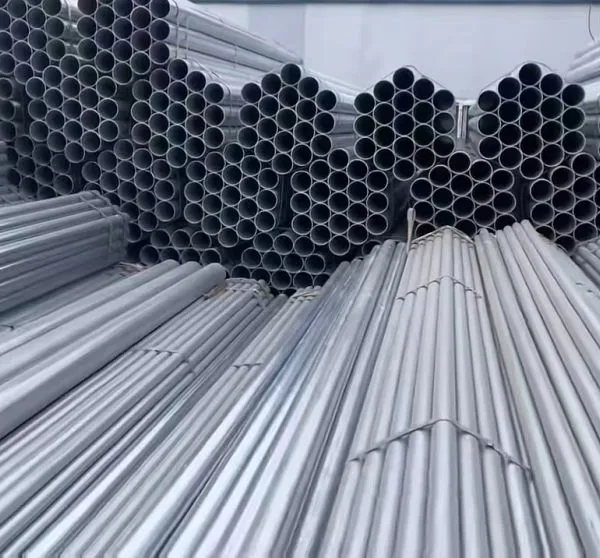
1. Product name: Hot dipped galvanized round steel pipe
2. English alias: Galvanized steel pipe, Gi pipe, Pre-galvanized steel pipe
3. Standard: GB/T 3091, ASTM A53, BS 1387, EN 10255
4. Grade: Q195, Q215, Q235B, Q355B, API 5L Gr.B
5. Production process: Hot rolled base pipe + hot dipped galvanized
6. Outer diameter: 21.3mm - 219mm
7. Wall thickness: 1.2mm - 8mm
8. Length: 6m, 9m, 12m or customized length
9. Zinc coating: 200g/m² - 600g/m²
10. Tolerance: Conforms to international standard tolerance
11. Surface treatment: Hot dipped galvanized, smooth and even zinc layer
12. Yield strength: 195MPa - 355MPa according to different grades
13. Tensile strength: 315MPa - 525MPa according to different grades
14. Application: Water supply system, gas pipeline, fire fighting system, greenhouse structure, fence post, scaffolding, construction engineering
15. Features: Excellent corrosion resistance, smooth surface, good welding performance, high compressive strength, long service life, rust prevention

Send Inquiry to This Supplier



You May Also Like
-
Insulated Steel Pipe&Insulated Seamless Steel Pipe,RoHS, REACH, UL 94, VDE, IEC, GB/T 7113NegotiableMOQ: 5 Metric Tons
-
Insulated Steel Pipe&Insulated Seamless Steel Pipe,RoHS, REACH, UL 94, VDE, IEC, GB/T 7113NegotiableMOQ: 5 Metric Tons
-
Iron Wire&Galvanized Iron Wire,GB/T 343, ASTM A853, JIS G 3532, EN 10264,Q195, Q235NegotiableMOQ: 5 Metric Tons
-
Galvanized Iron Wire&Steel Wire,NegotiableMOQ: 5 Kilograms
-
Steel Pipe & Tub Material 10#, 20#, 45#, Q355B, 16Mn, 20G, 12Cr1MoV, Etc.NegotiableMOQ: 5 Metric Tons
-
Steel Pipe & Tube, Material 10#, 20#, 45#, Q355B, 16Mn, 20G, 12Cr1MoVNegotiableMOQ: 5 Metric Tons
-
Steel Sheet & Plate- AH36 - DH36 - EH36NegotiableMOQ: 5 Metric Tons
-
Steel Sheet & Plate,Q235B, Q355B, S235JR, S355JR, A36, SS400, SM400ANegotiableMOQ: 5 Metric Tons
-
Steel Pipe & Tube,Q195, Q215, Q235B, Q355B, 20#, API 5L Gr.BNegotiableMOQ: 5 Metric Tons
-
Steel Coil & Strip,Q195, Q215, Q235B, Q355B, SPCC, SPHC, DC01, DC04NegotiableMOQ: 5 Metric Tons


