








 Contact Platform Support
 Help Center
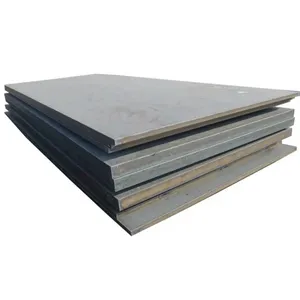
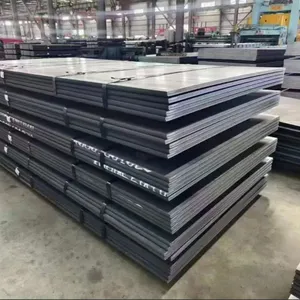
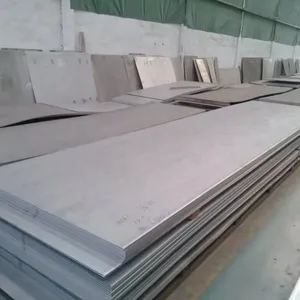
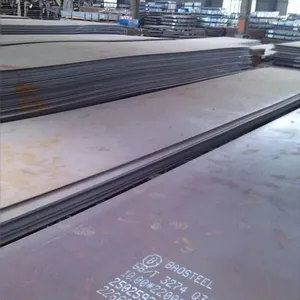
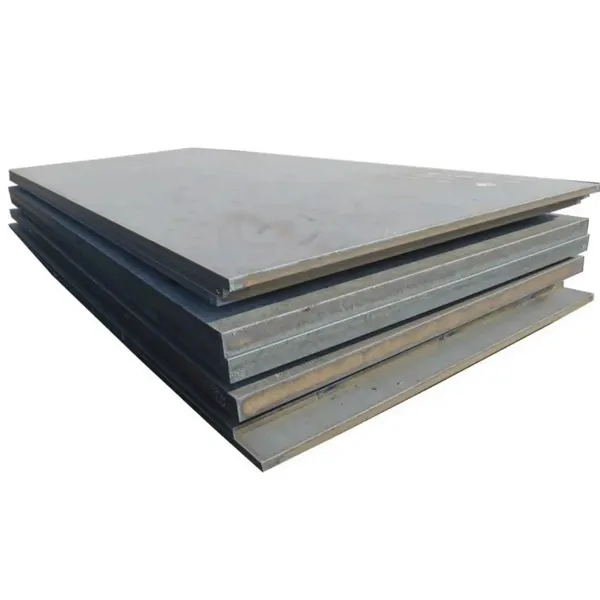
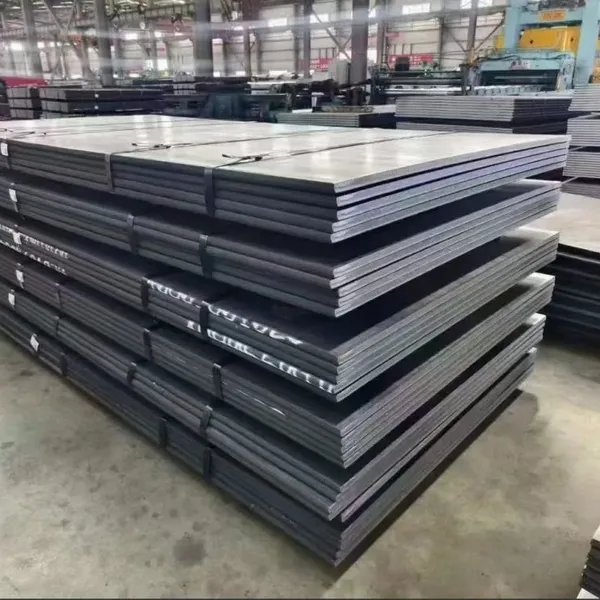
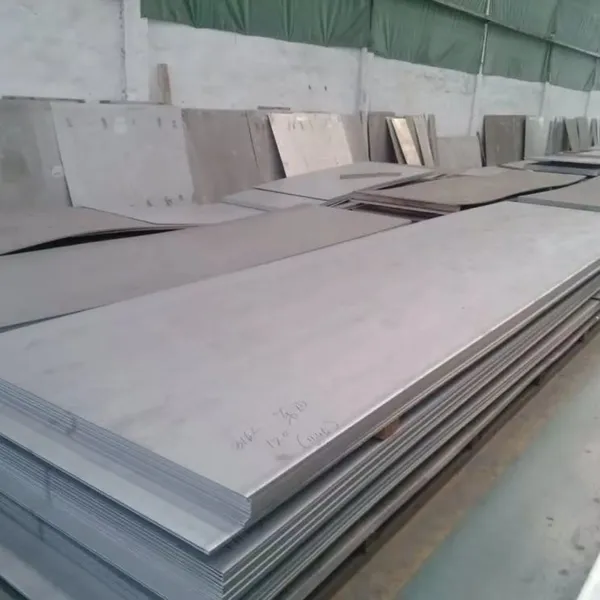
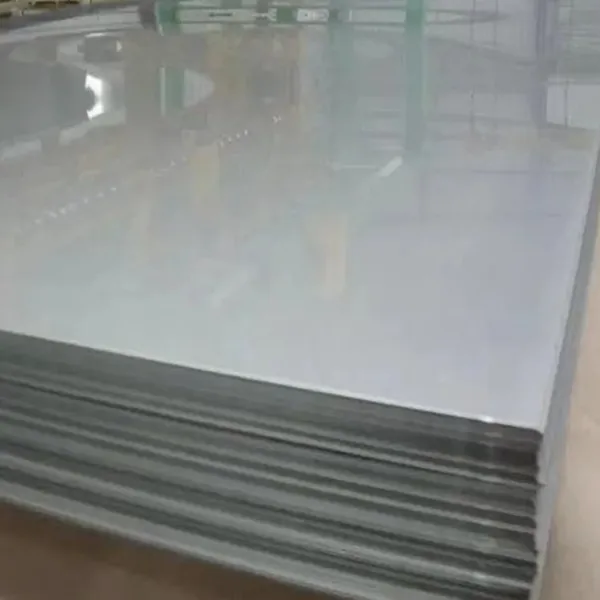
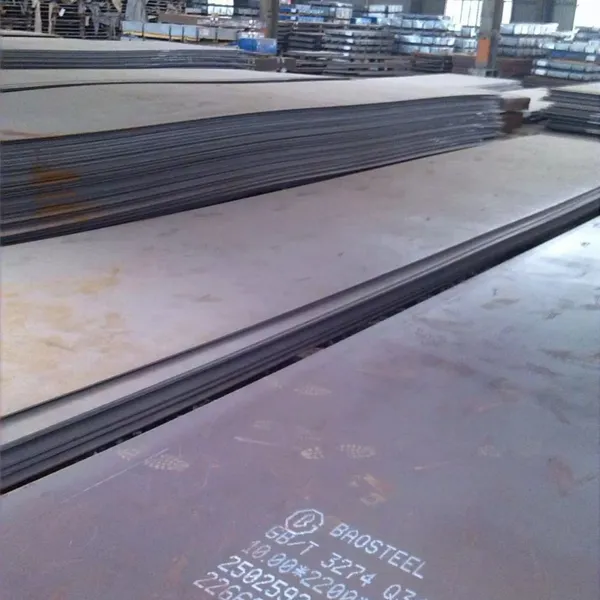
Alloy Steel Plate& Steel Sheet & Plate,GB/T 3077, ASTM A204, ASTM A387, EN 10028, JIS G4105



Related Products
-
 Mild Steel Plate&Steel Sheet & Plate,GB/T 700, GB/T 912, ASTM A36, ASTM A283, JIS G3101, EN 10025NegotiableMOQ: 5 Metric Tons
 -
Steel Rebar&Deformed Steel Bar,HRB400、HRB400E、HRB500、HRB500E、Grade 40、Grade 60NegotiableMOQ: 5 Metric Tons
-
Hot-dip Galvanized Steel Pipe&Steel Pipe & Tube,Q195, Q215, Q235B, Q355B, API 5L Gr.BNegotiableMOQ: 5 Metric Tons
-
Steel Pipe & Tube&Seamless Steel Pipe Fittings for Export,Q195, Q215, Q235B, Q355B, 20#, API 5L Gr.BNegotiableMOQ: 10 Pieces
-
Steel Rebar&Deformed Steel Bar,HRB400、HRB400E、HRB500、HRB500E、Grade 40、Grade 60NegotiableMOQ: 5 Metric Tons
1. Product name: Alloy steel plate
2. English alias: Alloy structural steel plate, High strength alloy steel plate
3. Standard: GB/T 3077, ASTM A204, ASTM A387, EN 10028, JIS G4105
4. Grade: 15CrMo, 12Cr1MoV, 16MnCr5, 42CrMo, A387 Gr.11, A387 Gr.22, S355JR
5. Production process: Hot rolled, controlled rolling, quenched and tempered
6. Thickness: 6mm – 200mm
7. Width: 1000mm – 3200mm
8. Length: 6000mm – 12000mm, customized length available
9. Tolerance: Conforms to international standard tolerances
10. Surface condition: Black rolling surface, anti-rust oil coating
11. Yield strength: 300MPa – 690MPa according to different grades
12. Tensile strength: 450MPa – 850MPa according to different grades
13. Application: Pressure vessels, boilers, engineering machinery, petroleum equipment, power generation equipment, structural parts requiring high strength and heat resistance
14. Features: High strength, good toughness, excellent heat resistance, wear resistance, corrosion resistance, stable mechanical properties, good weldability and processability

Send Inquiry to This Supplier



You May Also Like
-
Steel Wire&Carbon Steel Wire,GB/T 342, GB/T 4358, ASTM A228, ASTM A421, JIS G3505NegotiableMOQ: 5 Kilograms
-
Insulated Pipe&Pre-insulated Pipe,RoHS, REACH, UL 94, VDE, IEC, GB/T 7113NegotiableMOQ: 5 Metric Tons
-
Steel Angle&Angle Bar,Q235B, Q355B, S235JR, S355JR, A36, SS400NegotiableMOQ: 5 Metric Tons
-
Insulated Steel Pipe&Insulated Seamless Steel Pipe,RoHS, REACH, UL 94, VDE, IEC, GB/T 7113NegotiableMOQ: 5 Metric Tons
-
Insulated Steel Pipe&Insulated Seamless Steel Pipe,RoHS, REACH, UL 94, VDE, IEC, GB/T 7113NegotiableMOQ: 5 Metric Tons
-
Iron Wire&Galvanized Iron Wire,GB/T 343, ASTM A853, JIS G 3532, EN 10264,Q195, Q235NegotiableMOQ: 5 Metric Tons
-
Galvanized Iron Wire&Steel Wire,NegotiableMOQ: 5 Kilograms
-
Steel Pipe & Tub Material 10#, 20#, 45#, Q355B, 16Mn, 20G, 12Cr1MoV, Etc.NegotiableMOQ: 5 Metric Tons
-
Steel Pipe & Tube, Material 10#, 20#, 45#, Q355B, 16Mn, 20G, 12Cr1MoVNegotiableMOQ: 5 Metric Tons
-
Steel Sheet & Plate- AH36 - DH36 - EH36NegotiableMOQ: 5 Metric Tons


