








 Contact Platform Support
 Help Center
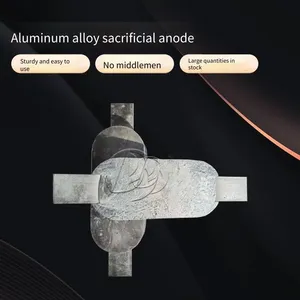
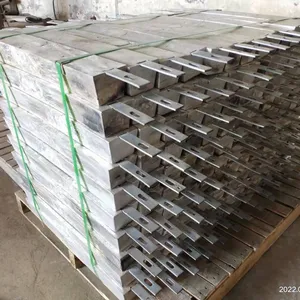
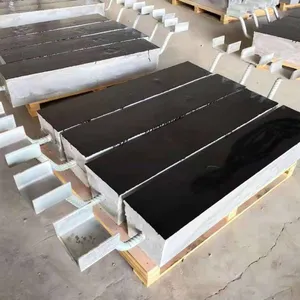
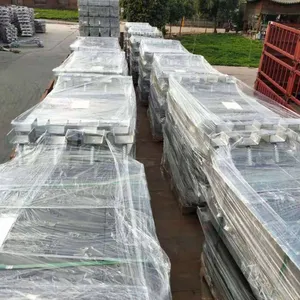
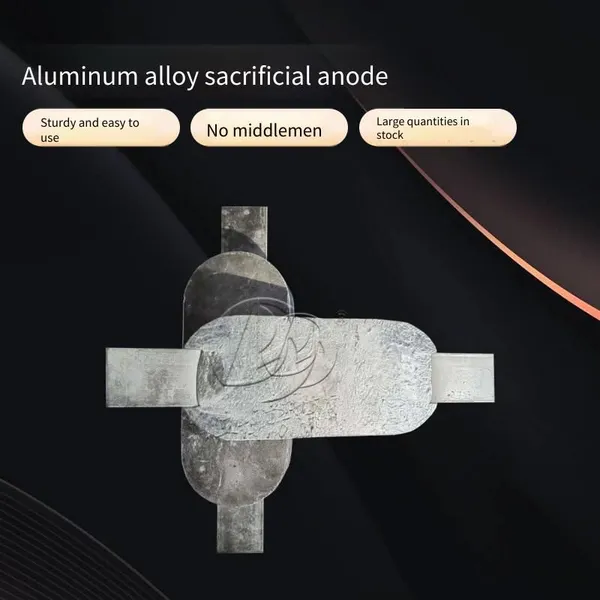
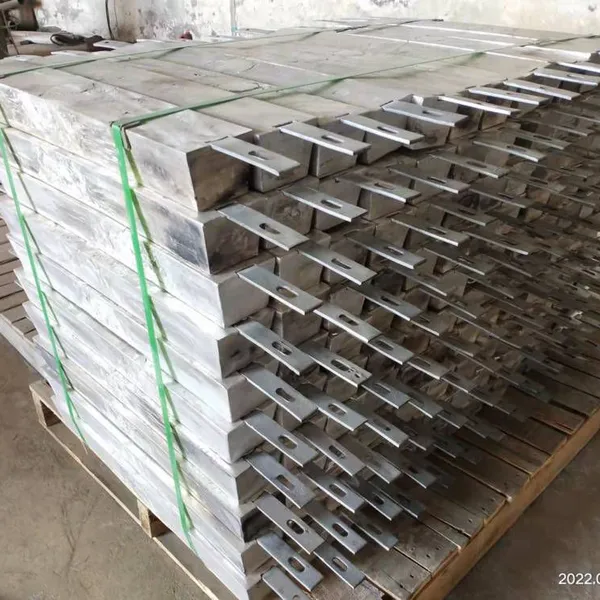
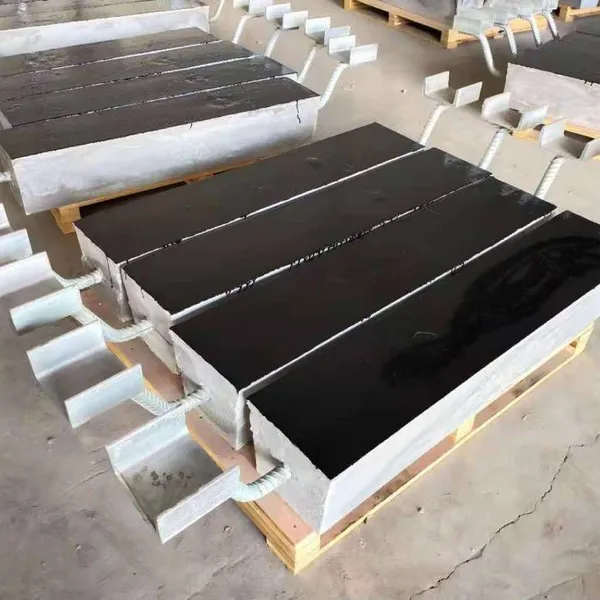
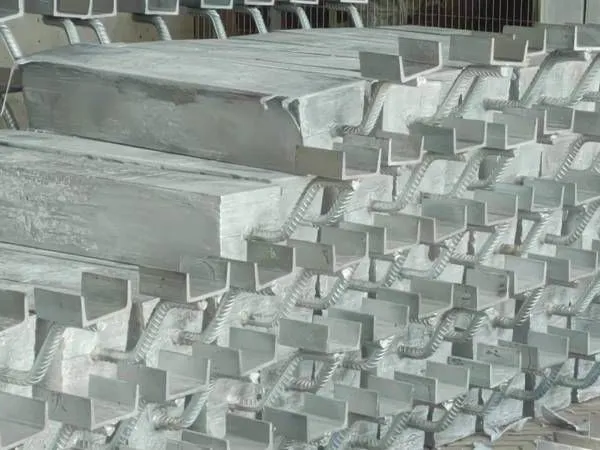
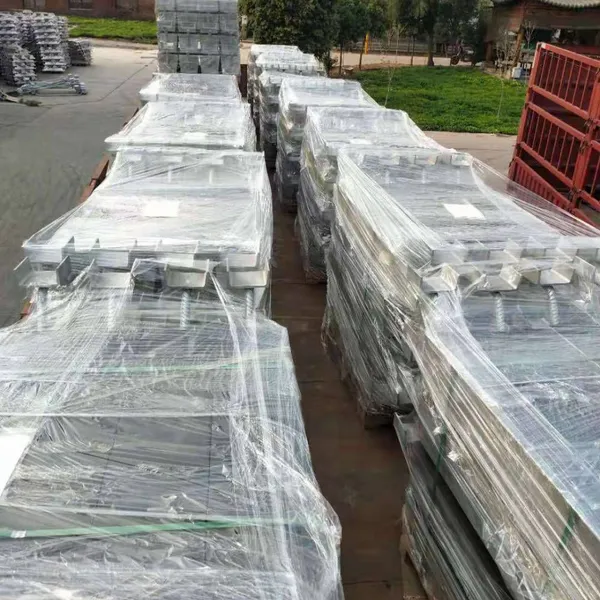
16kg Aluminum Alloy Sacrificial Anode for Storage Tanks



Related Products
-
 Aluminum Alloy Sacrificial Anodes for Marine Engineering Anti - Corrosion. Manufacturer of Aluminum Anodes for Steel PipesUS$ 2.92 - 4.62MOQ: 10 Pieces
 -
Cathodic Protection Anti-corrosion Aluminum Anodes, Supplier of High-efficiency Aluminum AnodesUS$ 0.46MOQ: 10 Kilograms
-
Magnesium Anode. Magnesium Anode for Grounding GridUS$ 3.08MOQ: 3 Kilograms
-
Anti-corrosion Aluminum-zinc-indium-magnesium-titanium Sacrificial Anodes for Steel Pile WharvesUS$ 3.08MOQ: 1 Piece
-
Cathodic Protection Anode Zinc Block, Welded Zinc Anode for Marine EngineeringUS$ 3.85MOQ: 3 Kilograms
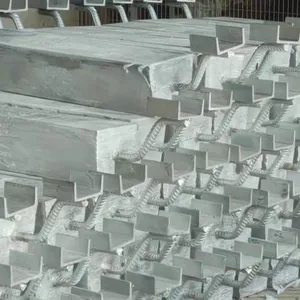
16kg Aluminum Anode for Storage Tanks, Aluminum Alloy Sacrificial Anode
Aluminum Alloy Sacrificial Anode Series: Ordinary Aluminum Alloy Sacrificial Anodes, Aluminum Anodes for Steel Pile Anti-corrosion, Aluminum Anodes for Hull Anti-corrosion, Aluminum Alloy Anodes for Storage Tank Anti-corrosion, High-efficiency Anti-corrosion Aluminum Anodes, Aluminum Alloy Anodes for Seawater Cooling Systems, Aluminum Anodes for Port Engineering Facilities, Aluminum Anodes for Offshore Engineering Facilities, Aluminum Anodes for Ballast Water Tanks, Activated Aluminum Alloy Sacrificial Anodes, High-temperature Resistant Aluminum Alloy Sacrificial Anodes, Bracelet-type Aluminum Alloy Sacrificial Anodes, Aluminum Alloy Tubes, etc.
The open-circuit potential of the aluminum alloy sacrificial anode is -118 - 110V (relative to the saturated calomel electrode), and the working potential is -1.12 - 105V (relative to the saturated calomel electrode). The actual generated electricity is greater than 2400Ah/kg, the current efficiency in seawater is greater than 80%, and the consumption rate is about 3.8kg/Aa.
Aluminum is a non-ferrous metal with a large output, abundant resources, and low price. The electricity generated per unit weight is large, 3.6 times that of zinc and 1.35 times that of magnesium. It has broad prospects as a sacrificial anode. Its disadvantage is that the current efficiency and dissolution performance vary with the anode composition and manufacturing process. In the soil, the anode often fails prematurely due to the accumulation of colloidal AI(OH)3. Therefore, the application of aluminum anodes in the soil remains to be explored.
The cathodic protection method of sacrificial anodes, also known as the sacrificial anode protection method, is a method to prevent metal corrosion. The specific method is as follows: Use a metal with stronger reducibility as the protection electrode and connect it with the metal to be protected to form a primary battery. The metal with stronger reducibility will act as the negative electrode and undergo an oxidation reaction and be consumed. The protected metal, as the positive electrode, can avoid corrosion. Since this method sacrifices the anode (the negative electrode of the primary battery) to protect the cathode, it is called the sacrificial anode (the cathode of the primary battery) protection method.
The corrosion of the inner wall of the bottom of crude oil storage tanks and sewage tanks is mainly due to the electrochemical corrosion and bacterial corrosion caused by the sedimentation of crude oil and sewage, and the sedimented sewage at the bottom of the tank has a relatively high salt content (mainly due to a relatively high temperature, so its corrosiveness is relatively strong. At present, the sacrificial anode method is commonly used for the cathodic protection of the inner wall of the storage tank bottom. This method is safe and reliable for the storage tank, does not require special management, and has a good protection effect. Commonly used materials for sacrificial anodes include magnesium and magnesium alloys, zinc alloys, aluminum alloys, etc. The anode blocks are evenly arranged on the inner wall of the storage tank, and the steel plate is directly welded to the anode blocks.
Characteristics of the Sacrificial Anode Protection Method:
a) Fast and simple construction, without causing corrosion interference.
b) Low input cost and strong economic efficiency.
c) Safe and reliable, without requiring special management.
d) Remarkable protection effect.

Send Inquiry to This Supplier


You May Also Like
-
Welded Aluminum Alloy Anode, 16kg Aluminum Anode for the Inner Wall of Storage TanksUS$ 0.31MOQ: 10 Rods
-
National Standard Magnesium Alloy Sacrificial Anodes, Manufacturers of Magnesium AnodesUS$ 4.62MOQ: 1 Kilogram
-
Magnesium Anodes for Natural Gas Pipelines, Magnesium Anodes for Cathodic Protection ProductsUS$ 2.31MOQ: 10 Kilograms
-
Magnesium Anode With Filling Material, Combined Magnesium Alloy Sacrificial AnodeUS$ 1.54MOQ: 2 Kilograms
-
8kg Magnesium Alloy Anode for Reservoir GatesUS$ 1.85MOQ: 1 Rod
-
High-quality Magnesium Anodes, Magnesium Alloy Sacrificial Anodes for Drainage Pipelines, Libo Anti-corrosionUS$ 3.23 - 3.54MOQ: 2 Kilograms
-
Manufacturer of Aluminum Alloy Sacrificial Anodes, Anti-corrosion Bracelet-type Aluminum Anodes, 142.2kgUS$ 3.54 - 3.85MOQ: 2 Kilograms
-
Bolt-type Zinc Anode, Bolt-connected Zinc Alloy Sacrificial Anode for Ship Hull, 400*100*40mmUS$ 3.54 - 4MOQ: 2 Kilograms
-
Zinc-aluminum-cadmium Alloy Sacrificial Anode, Zinc Anode, Hull Zh-1 Zinc Block, 800*140*60mmUS$ 3.69 - 4.31MOQ: 2 Kilograms
-
21.5kg High-temperature-resistant Aluminum Sacrificial Anode, Single Iron Leg Welded Aluminum Alloy Sacrificial Anode for Liquid TanksUS$ 3.54 - 3.85MOQ: 2 Kilograms
