Home > Electrical & Electronics > Electrical Control System > TRICONEX CM2201 7400206-100 Communication Module Baseplate

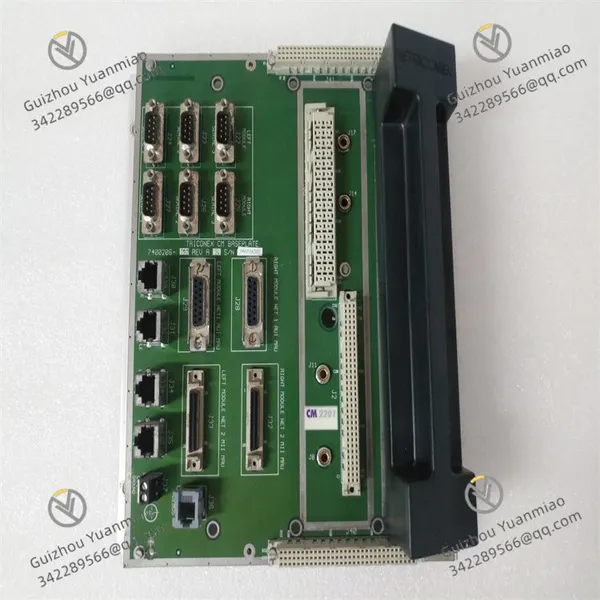
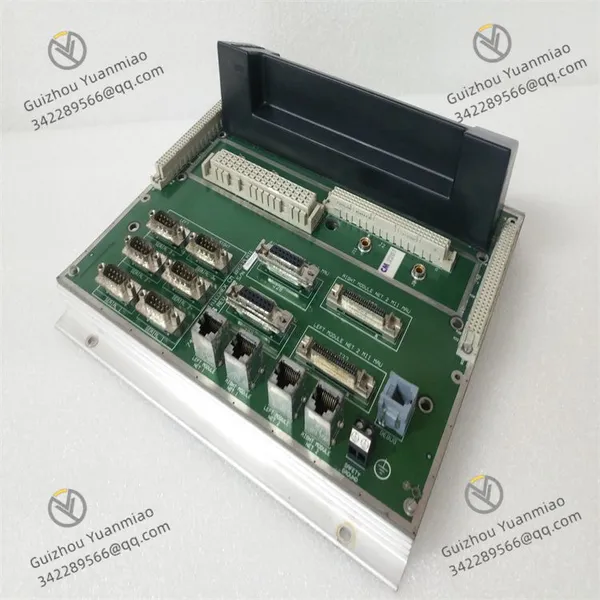
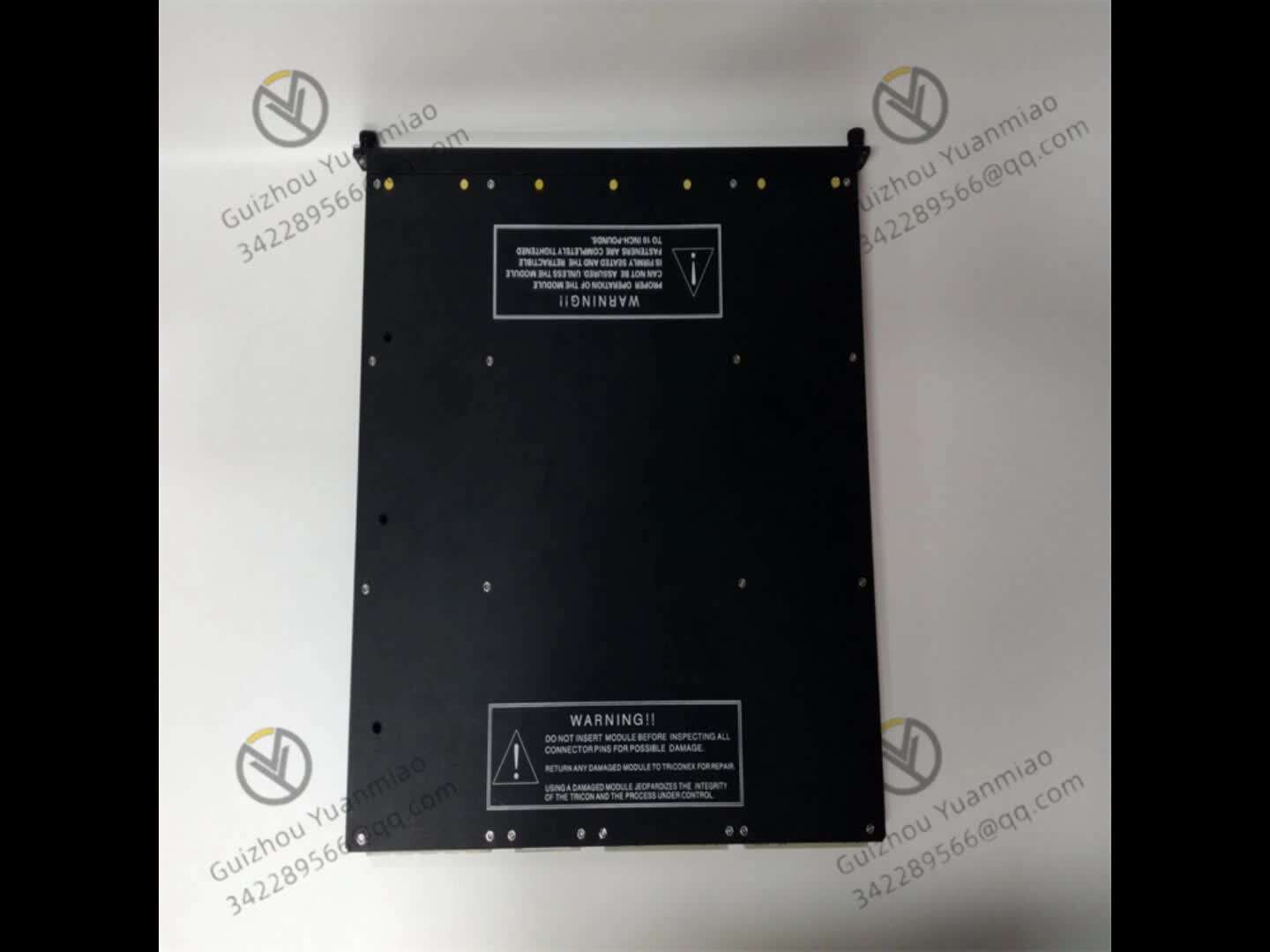
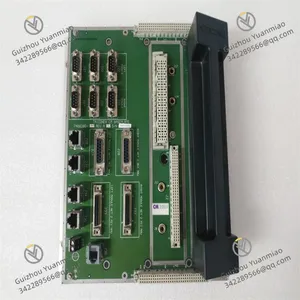
TRICONEX CM2201 7400206-100 Communication Module Baseplate
TRICONEX CM2201 7400206-100 Communication Module Baseplate photo-1
TRICONEX CM2201 7400206-100 Communication Module Baseplate photo-2
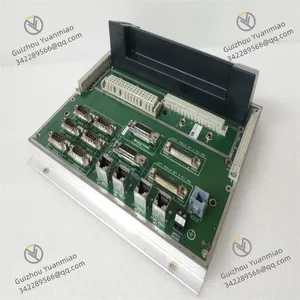
Negotiable MOQ: 1 Piece (Price negotiable depending on order volume and customization)
Key Specifications
Get Latest Price
Material:
Other, Global universal model
Condition:
Other, Global universal model
Task:
Other, Global universal model

Payment & Shipping
Payment Methods:
Port of Shipment:
guizhou
Delivery Detail:
Delivery time depends on order quantity.
Material Other, Global universal model
Condition Other, Global universal model
Task Other, Global universal model
Mathematical Model Other, Global universal model
Signal Other, Global universal model
Customized Non-Customized
Structure Other, Global universal model
Operating Temperature -40℃~70℃
Relative Humidity 5% - 95% (non-condensing)
Storage Temperature -40℃~85℃
Dimensions 160mm×120mm×80mm

I. Product Overview


The TRICONEX CM2201 7400206-100 is a core communication module designed for Triple Modular Redundancy (TMR) control systems. Its primary function is to establish a high-speed data interaction bridge between the TMR controller and external devices (such as upper-level monitoring systems, third-party PLCs, intelligent instruments, and remote I/Os). It enables the accurate issuance of control commands, real-time upload of on-site data, and remote monitoring of system status, serving as a key component to ensure the seamless integration of TMR systems with industrial networks and enhance the overall level of automation.


The CM2201 7400206-100 plays a particularly critical role in fields with extremely high requirements for system safety and reliability, such as petrochemicals, oil and gas extraction, and nuclear power plants. For example, in the Emergency Shutdown System (ESD) of a large refinery, the TMR controller needs to transmit equipment fault status and emergency shutdown commands to the plant-level Monitoring Information System (MIS) in real time. The CM2201 7400206-100 can stably transmit data in harsh environments with strong electromagnetic interference and high dust levels, ensuring that managers grasp the operating status of the ESD system in real time and avoiding accident delays caused by communication interruptions. In the reactor protection system of a nuclear power plant, this module can realize redundant communication between the TMR controller and the safety-level monitoring system, preventing information loss caused by a single communication link failure and ensuring the safe operation of nuclear facilities.


2201 (3)


II. Core Features


(1) Triple Modular Redundant Communication Design

As a supporting module for TMR systems, the CM2201 7400206-100 adopts a triple modular redundant communication link design consistent with the system architecture. It has three independent communication channels, each equipped with independent hardware circuits, protocol stacks, and data buffers, which can establish three communication links with external devices simultaneously. The redundant logic inside the module performs consistency verification on the data transmitted through the three links. If a single link experiences packet loss, delay, or failure, the system can automatically switch to the other two normal links to ensure uninterrupted data transmission, with a communication reliability of 99.999%.


In the SCADA system of a long-distance natural gas pipeline, the TMR controller communicates with the RTU (Remote Terminal Unit) of the remote pressure station through the CM2201 7400206-100. Even if one communication link fails due to optical cable interruption, the other two links can still maintain data transmission, avoiding safety risks caused by interrupted pipeline pressure monitoring.


(2) Multi-Protocol Compatibility and Flexible Adaptation

The module supports a variety of mainstream industrial communication protocols, including Modbus RTU/TCP, EtherNet/IP, PROFIBUS DP, OPC UA, etc. The protocol type can be switched through software configuration, and it can adapt to external devices of different brands and types without replacing hardware. For instance, for intelligent pressure transmitters using the Modbus RTU protocol or Rockwell PLCs using the EtherNet/IP protocol, the CM2201 7400206-100 can establish direct communication with them without additional configuration of a protocol conversion gateway, reducing system integration costs and potential fault points.


In the flexible production line of an auto parts factory, the TMR system needs to connect to Siemens S7 series PLCs (PROFIBUS DP protocol), Schneider inverters (Modbus TCP protocol), and GE intelligent instruments (Modbus RTU protocol) at the same time. The CM2201 7400206-100 can realize centralized data collection of all devices and issuance of control commands through its multi-protocol compatibility, simplifying the network architecture of the production line.


(3) High-Speed Data Transmission and Low Latency

The CM2201 7400206-100 has an Ethernet communication rate of up to 100Mbps and a serial communication rate of up to 115200bps, with a data transmission latency of ≤10ms (Ethernet) and ≤50ms (serial port), which can meet the high real-time communication requirements in industrial scenarios. The module adopts data fragmentation transmission and priority scheduling algorithms, assigning the highest transmission priority to critical control commands (such as emergency shutdown commands) to ensure priority transmission of commands and avoid response delays caused by data congestion.


In the continuous caster control system of a steel plant, the TMR controller needs to issue real-time adjustment commands to the mold level control actuator through the module. The 10ms-level transmission latency ensures timely response of the level adjustment, avoiding slab quality defects caused by command delays.


(4) Enhanced Anti-Interference and Electrical Isolation

Targeting the complex electromagnetic environment of industrial sites, the module adopts channel-level photoelectric isolation (isolation voltage ≥2500Vrms) and all-metal shielded housing design: each communication channel is completely isolated from the module's internal power supply and control circuits, which can effectively suppress ground loop interference and common-mode interference (with a rejection ratio ≥80dB); the shielding effectiveness of the metal housing is ≥40dB, which can resist radiated interference generated by equipment such as inverters and high-voltage motors, ensuring that the communication bit error rate is ≤10⁻⁹ in strong electromagnetic environments, far lower than the 10⁻⁶ bit error threshold of traditional communication modules.


In the electrolysis workshop of a non-ferrous metal smelter, the strong electromagnetic radiation generated by high-frequency rectification equipment is likely to interfere with communication signals. However, the CM2201 7400206-100 can stably transmit data between the TMR controller and the electrolytic cell monitoring instruments, ensuring real-time collection and regulation of electrolysis current and voltage parameters.


(5) Real-Time Diagnosis and Fault Early Warning

The module integrates full-link online diagnosis function, which can real-time monitor the communication channel status (such as link connection, data transmission rate, bit error rate), protocol operation status (such as protocol frame parsing errors, timeout retransmission times), and hardware status (such as power supply voltage, chip temperature). When an abnormality is detected, it immediately reports fault information (including fault channel, fault type, and fault timestamp) to the controller and upper-level computer through the TMR system bus, and triggers the local alarm indicator (red light flashing) at the same time.


In the centralized monitoring system of a chemical industrial park, if the bit error rate of a communication link of the CM2201 7400206-100 increases, the module can report the fault in real time. Maintenance personnel can quickly locate the fault point (such as switch port failure, excessive optical cable loss) without checking each link one by one, reducing the Mean Time To Repair (MTTR) to less than 30 minutes.


2201 (2)


III. Technical Specifications


(1) Electrical Parameters

Parameter Category Specific Specifications
Communication Interfaces 2×Ethernet ports (RJ45, 10/100Mbps auto-negotiation); 2×RS485 serial ports (half-duplex)
Supported Protocols Modbus RTU/TCP, EtherNet/IP, PROFIBUS DP, OPC UA (configurable via software)
Transmission Rate Ethernet: 10/100Mbps (auto-negotiation); RS485: 1200bps~115200bps (configurable)
Transmission Latency Ethernet ≤10ms; RS485 ≤50ms (without retransmission)
Electrical Isolation Photoelectric isolation between channels and between channels and power supply, isolation voltage ≥2500Vrms (for 1 minute)
Anti-Interference Performance Common-mode interference rejection ≥80dB (250Vpp, 50Hz~60Hz); Differential-mode interference rejection ≥60dB (20Vpp, 50Hz)
Power Input DC 24V (allowable fluctuation range 18V~32V), power consumption ≤8W

(2) Mechanical and Environmental Parameters

  • Overall Dimensions: 160mm×120mm×80mm (Length×Width×Height), compatible with TRICONEX standard TMR racks, 2U height installation

  • Weight: Approximately 0.85kg, lightweight design facilitates module insertion/extraction and cabinet layout

  • Operating Temperature Range: -40℃~+70℃, meeting the usage requirements of extremely cold areas (such as Northeast Oilfields) and high-temperature workshops (such as glass kilns)

  • Storage Temperature Range: -40℃~+85℃, adapting to long-distance transportation and storage environments

  • Protection Level: IP20 (front panel), suitable for installation in industrial control cabinets

  • Vibration Resistance: 5g acceleration (10Hz~2000Hz), complying with IEC 60068-2-6 standard


(3) Performance Parameters

  • Communication Reliability: ≥99.999% (under triple modular redundancy configuration)

  • Data Packet Loss Rate: ≤10⁻⁹ (under normal network load)

  • Fault Diagnosis Coverage: ≥99.9% (including link, protocol, and hardware faults)

  • MTBF (Mean Time Between Failures): ≥1,500,000 hours (complying with MIL-HDBK-217 standard, at 25℃)

  • Maximum Number of Connections: Ethernet port supports 32 TCP connections; RS485 port supports 32 slave devices


2201 (1).jpg


IV. Functions and Working Principles


(1) Data Communication Process

  • Data Reception and Parsing: Data frames (such as Modbus TCP messages, EtherNet/IP CIP messages) sent by external devices (e.g., upper-level computers, third-party PLCs) are transmitted to the CM2201 7400206-100 through Ethernet or RS485 interfaces. The three independent communication channels of the module receive data simultaneously, perform protocol parsing on the data frames (such as checksum verification, message format identification), and extract valid data (such as control commands, parameter setpoints).


  • Triple Modular Data Verification: The three communication channels transmit the parsed valid data to the redundant logic unit inside the module. The redundant logic performs consistency comparison on the three sets of data (allowable deviation range ≤0.1%). If the three sets of data are consistent, the data is packaged and transmitted to the controller through the TMR system bus; if one set of data is abnormal (such as verification error, data loss), that set of data is shielded, and a valid data packet is generated based on the other two sets of normal data to ensure the accuracy of the data transmitted to the controller.


  • Data Transmission and Feedback: After the data issued by the controller (such as equipment status, fault information) is transmitted to the module, the redundant logic unit distributes the data to the three communication channels synchronously. Each channel encapsulates the data frame according to the preset protocol format and sends it to the external device through the corresponding physical interface; at the same time, the module monitors the data transmission status. If a channel fails to send (such as link interruption), it automatically switches to other normal channels for retransmission to ensure data delivery.


(2) Cooperative Working Mechanism with TMR System

As the communication core of the TMR system, the CM2201 7400206-100 achieves in-depth collaboration with the system's triple modular controllers (such as TRICON 5730) and I/O modules through a dedicated TMR bus:


  • Data Synchronization: The module synchronizes communication status data (such as link status, fault information) with the controller every 1ms. The controller dynamically adjusts the data transmission strategy (such as prioritizing the use of fault-free links) according to the communication status.


  • Fault Tolerance: If a single communication channel of the module fails, the controller can automatically identify the fault channel through the TMR bus and issue an instruction to the module to "shield the fault channel and activate the backup channel" to avoid communication interruption.

  • Online Maintenance: Without shutting down the TMR system, online parameter configuration (such as modifying the communication protocol, adjusting the transmission rate) or module hot-swapping can be performed on the CM2201 7400206-100. The system will automatically identify the new module and load the preset parameters, and communication will not be interrupted during the replacement process, meeting the "non-stop maintenance" requirement of industrial production.

Product Tags: TRICONEX , CM2201 , 7400206-100

Send Inquiry to This Supplier

* Message
0/5000

Want the best price? Post an RFQ now!
Verified Business License
Business Type
Trading Company
Year Established
2014
Factory Size
1,000-3,000 square meters
Product Certifications
SA8000