Material
Other, Global universal model
Condition
Other, Global universal model
Task
Other, Global universal model
Mathematical Model
Other, Global universal model
Signal
Other, Global universal model
Customized
Non-Customized
Structure
Other, Global universal model
Operating Temperature
-40℃ to 70℃ (-40°F to 158°F)
Dimensions
170mm x 105mm x 32mm
Relative Humidity
5% to 95% (non-condensing)
I. Overview
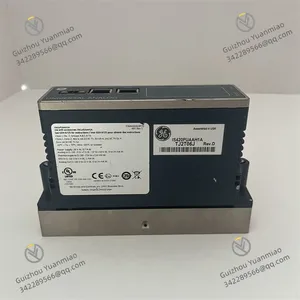
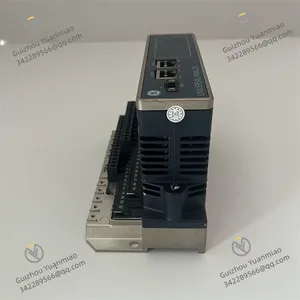
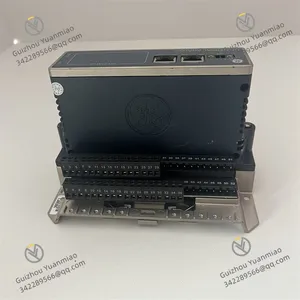
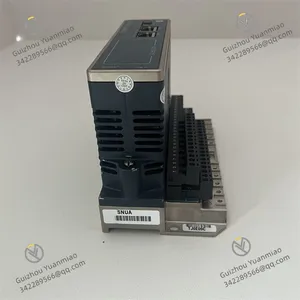
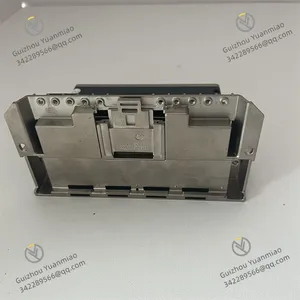
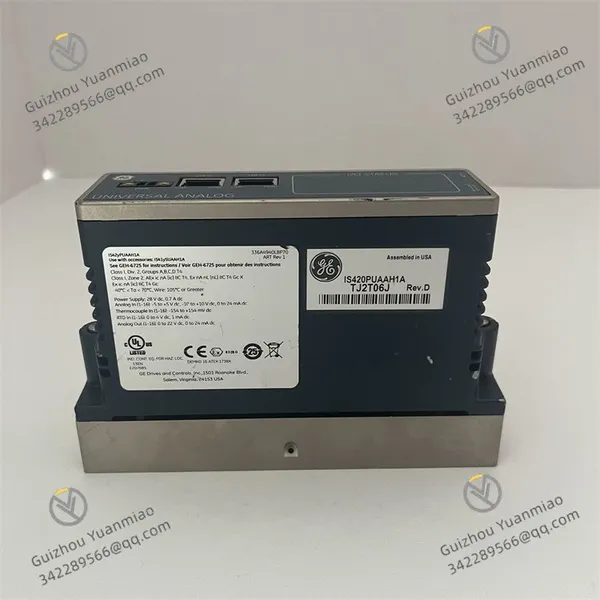
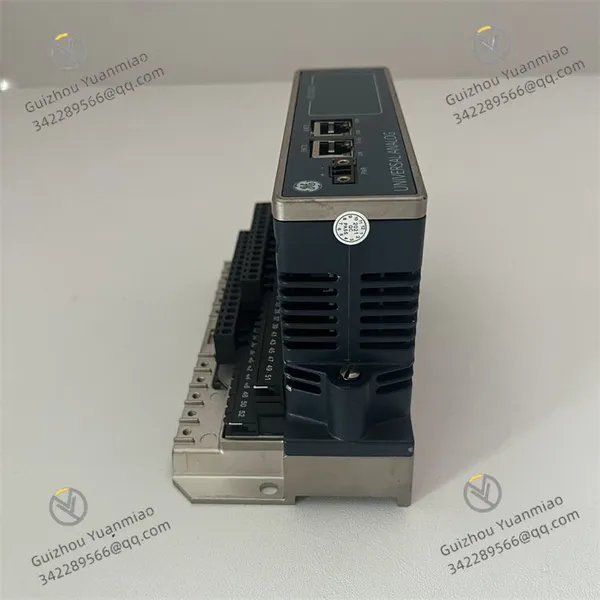
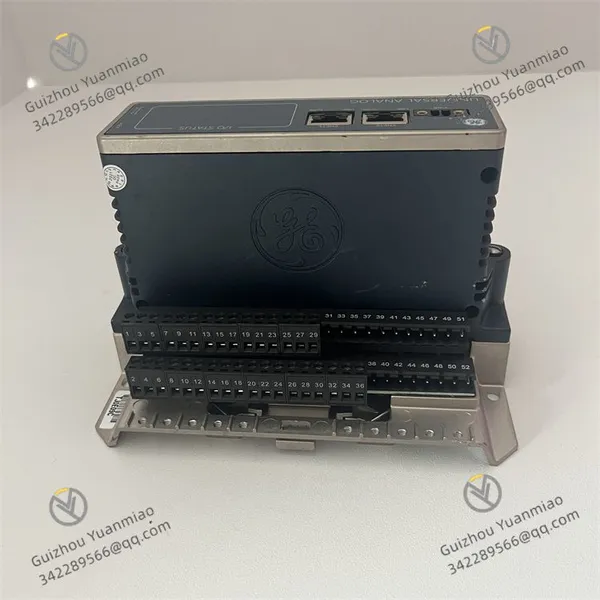
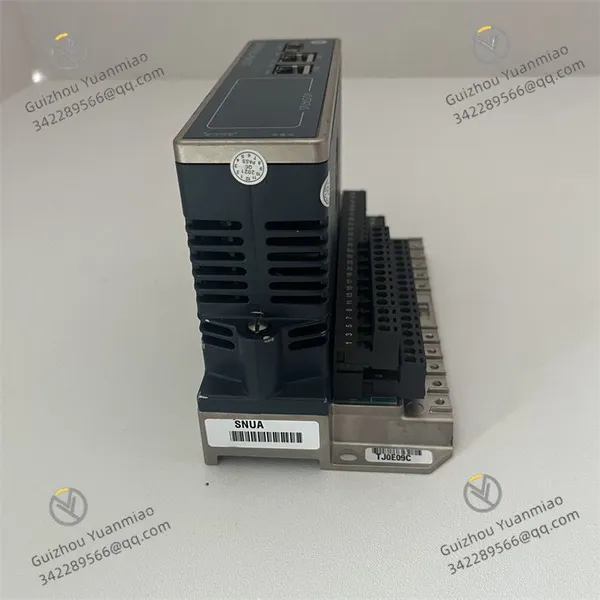
The GE IS420PUAAH1A is a universal input/output module tailor-made for industrial automation scenarios, and it belongs to GE’s highly acclaimed Mark VIe series of control systems. Renowned for high performance and reliability, this series is widely used in core industrial fields such as power generation, petrochemicals, and manufacturing, providing solid support for the stable operation of complex industrial processes. As a key "neural endpoint" in the Mark VIe system, the IS420PUAAH1A module undertakes the critical task of data interaction between the system and on-site equipment. It accurately collects various types of signals and quickly outputs control commands, ensuring the coordinated operation of the entire automation system.

II. Core Functions
(I) Multi-Functional Channel ConfigurationSupport for Diverse Signal Types
The module is equipped with 16 simplex analog channels, offering excellent flexibility. It can be conveniently configured into multiple signal input and output modes according to actual application requirements:
Thermocouple Input/Output: It can accurately sense and feed back temperature changes in industrial sites, making it suitable for scenarios with strict temperature precision requirements, such as high-temperature furnaces and heat treatment equipment.
RTD (Resistance Temperature Detector) Input/Output: It excels in occasions that require precise measurement of medium temperature ranges, such as chemical pipelines and cold storage facilities.
Voltage Input & 4-20mA Current Input/Output: These can be adapted to various common industrial sensing devices like pressure sensors and flow sensors, enabling real-time collection of key process parameters such as pressure and flow.
Pulse Accumulator: It can count pulse signals, and is often used in scenarios such as motor speed monitoring and product counting.
Digital Input: It can quickly respond to on-site switch states, such as feedback from equipment start/stop buttons and limit switches.
Advantages of Independent Wiring and Debugging
The channel part adopts a black design that allows independent wiring. This ingenious layout greatly reduces the panel space used, enabling technicians to debug each channel individually during system construction and maintenance. When a fault occurs in a specific channel, there is no need for large-scale inspection of the entire system—technicians can directly locate the faulty channel. This significantly improves the efficiency of fault diagnosis and repair, and reduces system downtime.

(II) High Integration and High PerformanceHigh-Integration Design
The IS420PUAAH1A integrates rich functions within a compact form factor, effectively reducing the overall space occupied by the system. This high-integration feature is particularly advantageous in large-scale distributed control systems: it can greatly reduce the space requirement for control cabinets, lower the complexity of cable connections, enhance the overall compactness and aesthetics of the system, and at the same time reduce the risk of faults caused by excessive cable connections.
Outstanding Performance Indicators
Ultra-High Frame Rate: With an ultra-high frame rate of 10ms, the module can quickly respond to changes in on-site signals, achieving near-real-time data collection and processing to meet the requirements of precise control over fast-changing processes.
Automatic Reconfiguration: It supports automatic reconfiguration. When new equipment is connected to the system or equipment parameters are adjusted, the module can automatically recognize and adapt to the changes without manual intervention, greatly improving the system’s adaptability and usability.
Hot-Swappable Replacement: The hot-swappable function allows safe replacement of the module while the system is in operation, avoiding system downtime caused by module replacement and further ensuring the continuity of industrial production.
Measurement Precision: Within the specified temperature range, the measurement precision is better than 0.1%, ensuring that the collected data truly reflects the operating status of on-site equipment and provides a reliable basis for subsequent control decisions.
(III) Compatibility and StabilitySoftware Compatibility
This module is specifically designed for application programs of ControlST V 7.02.00C or higher versions, and is fully compatible with GE’s Mark VIe series control systems. This means that when upgrading or expanding the existing Mark VIe system, the IS420PUAAH1A can be seamlessly integrated, fully protecting users’ previous investments in hardware and software systems. There is no need for large-scale system transformation, which reduces the cost and technical risks of system upgrading.
Environmental Adaptability and Stability
The industrial on-site environment is complex and changeable, but the IS420PUAAH1A has excellent environmental adaptability:
Wide Operating Temperature Range: It can operate stably in a temperature range of -40℃ to 158°F (i.e., -40℃ to 70℃), whether in outdoor factories in cold northern regions or high-temperature tropical industrial workshops.
Humidity Adaptability: It can adapt to a relative humidity range of 5% to 95% (non-condensing), and can cope with humid coastal areas or high-humidity chemical production environments.
Anti-Interference Capability: The module adopts an anti-interference design internally, with strong resistance to electromagnetic interference. It can work normally in places with strong electromagnetic radiation, such as substations and motor rooms, ensuring the accuracy of data transmission and processing, and providing solid support for the stable operation of industrial automation systems in various harsh environments.

III. Technical Parameters

IV. Installation Steps
1. Preparation for DIN Rail Installation
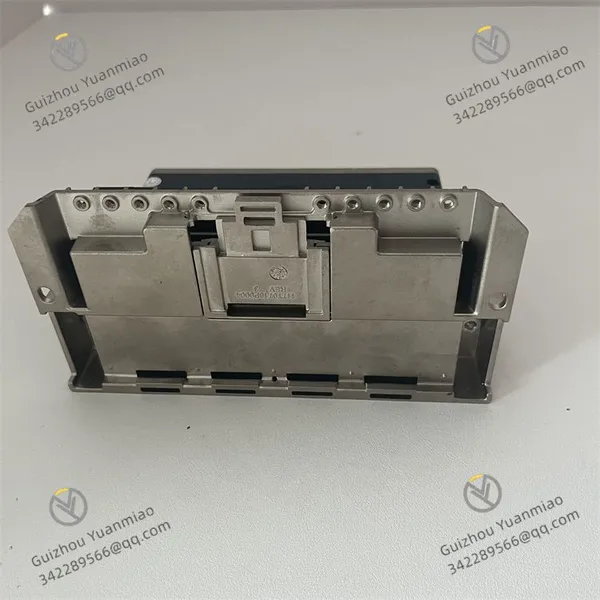
The IS420PUAAH1A adopts DIN rail mounting. Before installation, ensure that the DIN rail is firmly installed at a suitable position inside the control cabinet. The rail should be horizontal and stable, and able to bear the weight of the module and related cables.
2. Module Installation and Fixing
Align the rail slot on the back of the module with the DIN rail, and push the module smoothly along the rail until it is properly clamped in place. Ensure that the module is closely attached to the rail without wobbling. Then, use the accompanying fixing screws (if provided) to secure the module to the rail, further enhancing installation stability and preventing the module from loosening due to vibration or other factors.
3. Cable Connection
Connect the corresponding cables to the module’s channel interfaces according to the actual signal input requirements:
When connecting cables for sensors such as thermocouples and RTDs, pay attention to the correct connection of positive and negative polarities to ensure accurate signal transmission.
When connecting analog input/output cables, it is recommended to use shielded cables to reduce interference, and reliably ground one end of the shielding layer.
After connection, carefully check whether the cable connections are firm to avoid loosening or poor contact.
4. Electrical Connection
Connect the module’s working power supply, ensuring that the power supply voltage meets the input requirement of 12-48VDC, and pay attention to distinguishing between positive and negative polarities. After completing the power connection, check the status of the power indicator light. Under normal circumstances, the power indicator light should stay on after the module is powered on, indicating that the module is normally powered.