








 Contact Platform Support
 Help Center
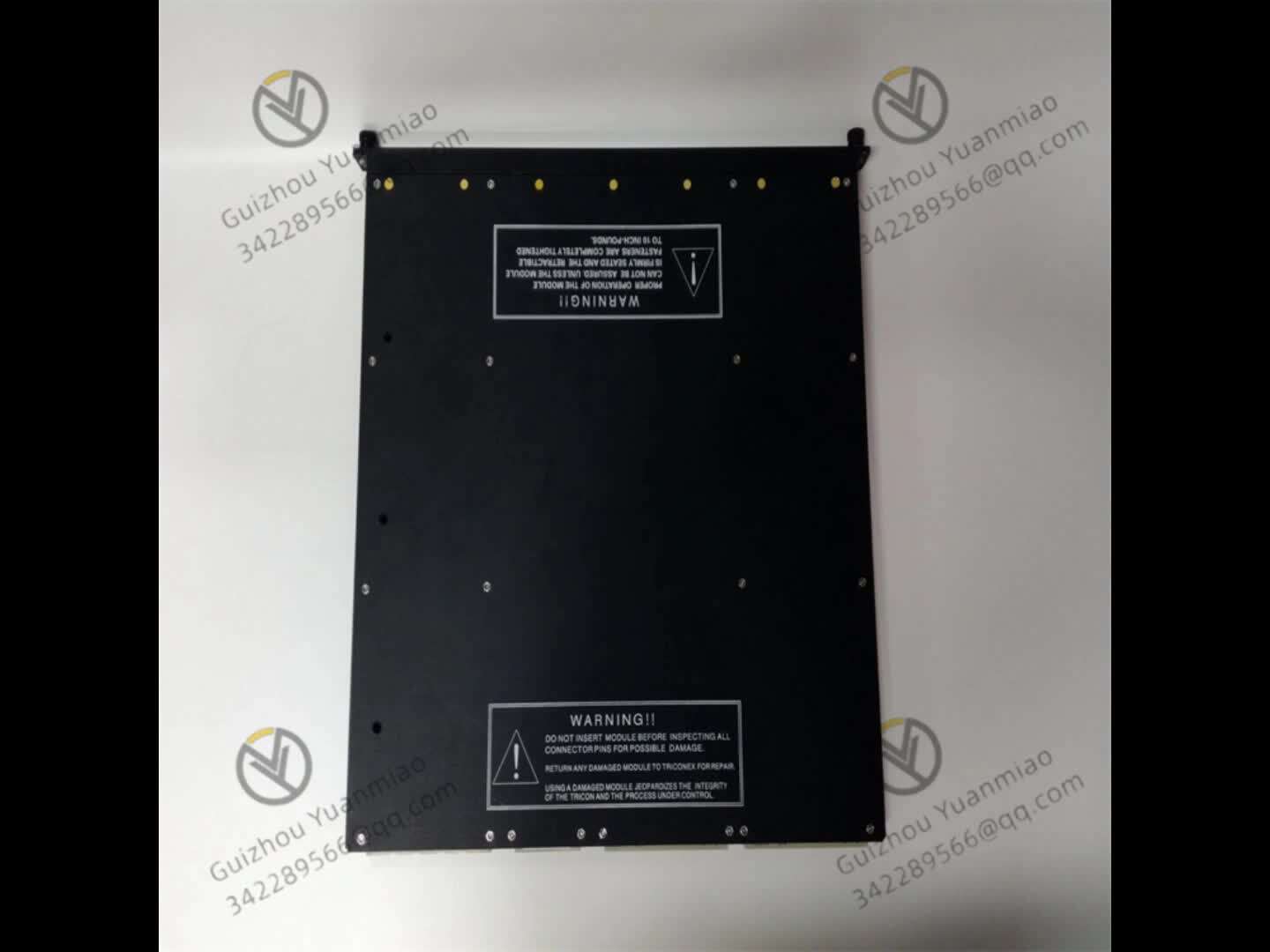
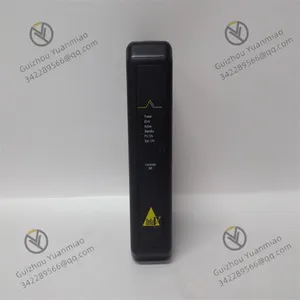
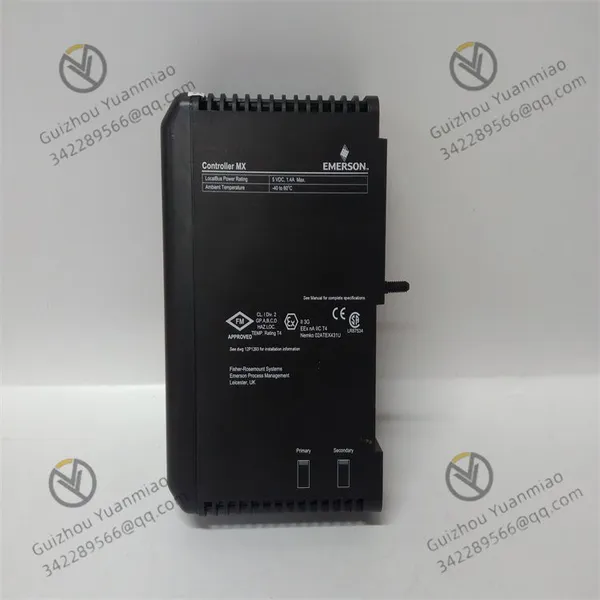
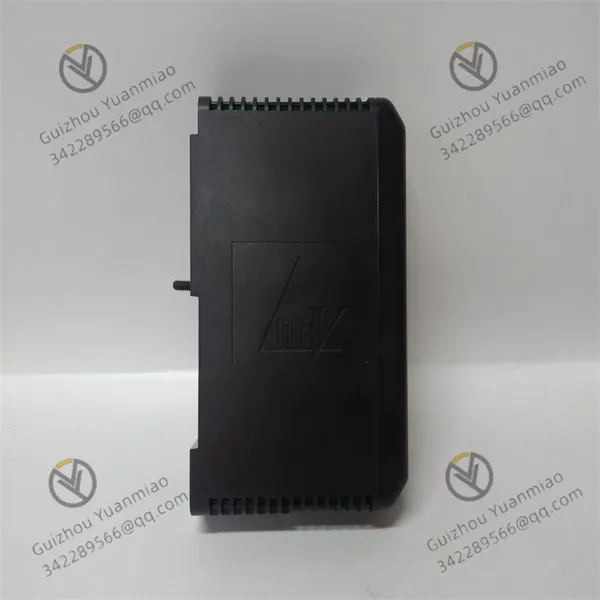
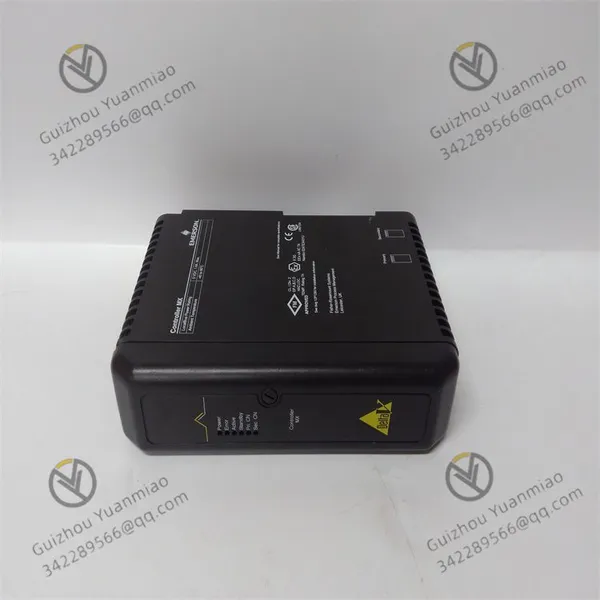
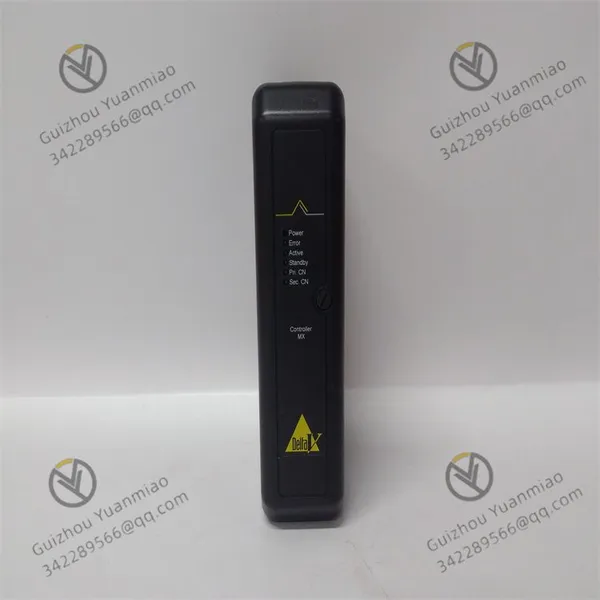
Emerson VE3007 Controller Module



Related Products
-
 Emerson VE3008 A/D Converter ModuleNegotiableMOQ: 1 Piece
 -
Emerson VE4006P2 Redundant Interface ModuleNegotiableMOQ: 1 Piece
-
Emerson 5X00226G04 Controller ModuleNegotiableMOQ: 1 Piece
-
Emerson 5X00228G01 Distributed Control System IO ModuleNegotiableMOQ: 1 Piece
-
Emerson 5X00230G01 DCS CardNegotiableMOQ: 1 Piece
Emerson VE3007 controller module
Product Features:
High reliability: Utilizing high-quality materials and manufacturing processes, it can operate stably for a long time in harsh industrial environments.
Modular design: Convenient for installation, replacement and maintenance, which can reduce the difficulty of use and maintenance costs.
Multiple output types: Supports relay output, transistor output and other output types, which can meet different application requirements.
Rich protection functions: It features overcurrent, overvoltage, undervoltage and other protection functions, which can protect the module and the connected devices, extending their service life.
Strong scalability: Supports multiple communication interfaces and expansion modules, facilitating system integration and functional expansion.
Easy to monitor and maintain: It provides a friendly user interface and monitoring tools, facilitating remote monitoring and fault diagnosis.
Technical parameters:
Circuit voltage: Voc is 26.4VDC.
Working voltage: Generally 250V.
Operating temperature: -40℃ to 70℃.
Relative humidity: 5% to 95%, no condensation.
Protection grade: Some models are IP67, dustproof and waterproof.
Size and weight: The net weight of the product is approximately 0.82kg. It is small in size and easy to integrate and install.
Application scenarios:
Industrial automation: It is used to connect and integrate various sensors, actuators, PLCS and other devices to achieve automatic control and monitoring.
Process control: It can be used in fields such as chemical engineering, petroleum, and energy to connect and manage control valves, pumps, pressure sensors and other equipment, achieving precise process control.
Building automation: It can control and monitor building equipment, such as lighting, air conditioning, security systems, etc.
Energy management: In the energy monitoring and management system, connect electricity meters, energy metering devices, etc., to collect energy usage data in real time and conduct analysis.
Remote monitoring: It can be used in remote monitoring and management systems, facilitating users' remote access and monitoring of equipment status, as well as remote diagnosis and operation.
Other fields: It can also be applied in transportation, medical equipment, agricultural automation, environmental monitoring and other fields to achieve corresponding control and data transmission functions.
Working principle
Instruction storage and reading: The instruction register is used to store the instructions that are being executed. An instruction consists of an operation code and an address code. The opcode indicates the operational nature of the instruction, such as addition, subtraction, etc. The address code provides the address of the operand or the relevant information that constitutes the operand address. The instruction counter is responsible for forming the address of the next instruction to be executed. Usually, instructions are executed in sequence and the address is formed by adding 1 to the current address. If a transfer instruction is executed, the address of the next instruction is directly provided by the address code field of the transfer instruction.
Instruction decoding: The opcode decoder decodes the opcode of an instruction, generates the corresponding control layer, and thereby completes the analysis of the instruction to determine what operation the instruction should perform.
Timing control: The timing circuit generates time marking signals, such as instruction cycles, bus cycles, clock cycles, etc. The micro-operation command generation circuit generates various micro-operation commands based on the time stamps and the operational nature of the instructions, completing the operations specified by the instructions to coordinate the work of each component within the module.
Input signal processing: The VE3007 module receives signals from industrial sites by connecting various input devices, such as sensors, etc. After being processed by the internal circuits of the module, these signals are converted into digital signals recognizable by the processor for use during program execution.
Program execution: The module scans and executes programs written by the user and downloaded internally in a specific order. Programs are usually composed of a series of logical instructions. The processor performs logical operations, mathematical operations and other operations based on the state of the input signal and the logical relationship in the program to obtain the corresponding results.
Output signal control: The VE3007 module sends control signals to the output device based on the execution result of the program. These signals drive actuators such as motors and valves to act, achieving control over industrial processes and ensuring that production processes proceed in accordance with the predetermined requirements.
Communication function: The VE3007 module supports multiple communication protocols, such as RS-485 Modbus RTU, Ethernet TCP/IP, etc. Through these communication interfaces, it can exchange data with other devices or control systems, achieving remote monitoring and centralized management. This enables operators to view the real-time operating status of the equipment and modify control parameters on remote terminals.

Send Inquiry to This Supplier


You May Also Like
-
Emerson A6500-UM Mechanical Protection System Universal Measurement CardNegotiableMOQ: 1 Piece
-
Emerson MVME61006E-0163 High-performance Embedded ModuleNegotiableMOQ: 1 Piece
-
Emerson KJ3241X1-BK1 Serial Interface CardNegotiableMOQ: 1 Piece
-
Emerson SE3007 DeltaV Series SX ControllerNegotiableMOQ: 1 Piece
-
Emerson SE3008 SQ Controller ModuleNegotiableMOQ: 1 Piece
-
Emerson 5X00241G01 Processor ModuleNegotiableMOQ: 1 Piece
-
5X00270G01 Emerson Redundant Digital Output ModuleNegotiableMOQ: 1 Piece
-
Emerson 5X00273G01 Input ModuleNegotiableMOQ: 1 Piece
-
Emerson 5X00281G01 Power ModuleNegotiableMOQ: 1 Piece
-
Emerson 5X00300G01 Analog Input CardNegotiableMOQ: 1 Piece


