








 Contact Platform Support
 Help Center
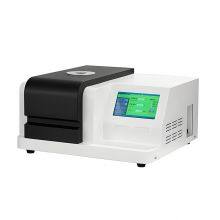
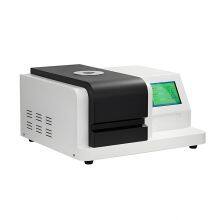
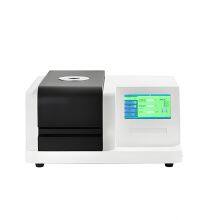
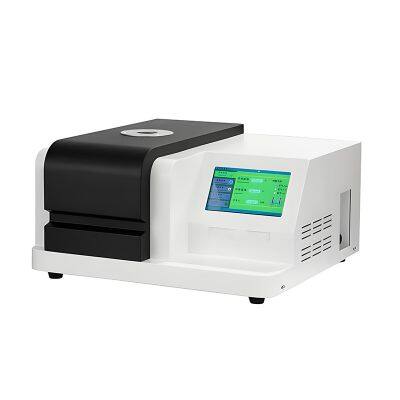
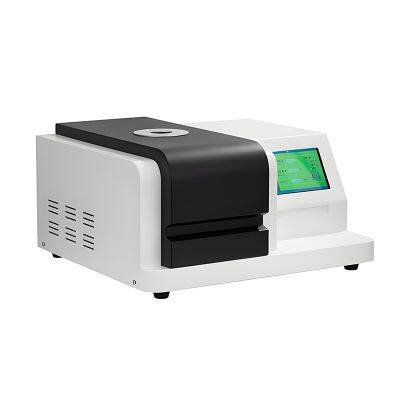
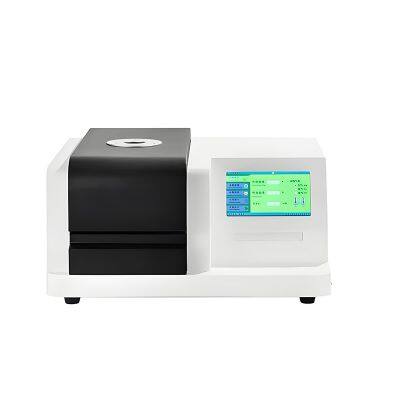
Differential Scanning Calorimeter (DSC) With Liquid Nitrogen Cooling


Related Products
-
 Differential Scanning Calorimeter (DSC) With Liquid Nitrogen CoolingUS$ 6000 - 8000MOQ: 1 Set
 -
Type Differential Scanning Calorimeter for Polymer MaterialUS$ 6000 - 8000MOQ: 1 Set
-
Thermal Gravimetric Analyzer Dsc Differential Scanning CalorimeterUS$ 6000 - 8000MOQ: 1 Set
-
Diamond Dsc Differential Scanning CalorimeterUS$ 6000 - 8000MOQ: 1 Set
-
ISO Laboratory 500C TGA DSC STA Thermal Analyzer DSC Differential Scanning Calorimeter PriceUS$ 6000 - 8000MOQ: 1 Set
Laboratory Digital Touch Screen Differential Scanning Calorimeter (DSC) Selection and Operation Guide
I. Core requirements and equipment features
Core requirements
Touch screen operation: graphical interface, simplify parameter setting and data analysis.
High sensitivity: detect weak thermal effects (e.g. glass transition, drug polycrystalline).
Wide temperature range: support low temperature (-180℃) to high temperature (725℃) testing.
Automation function: automatic sampling, programmed temperature control, data export.
Typical application scenarios
Polymer materials: Tg (glass transition), melting, crystallization analysis.
Pharmaceutical industry: identification of drug polycrystalline type, protein thermal stability test.
Nanomaterials: Specific heat capacity determination, adsorption-desorption thermal effect analysis.
Energy materials: phase change material (PCM) energy storage performance evaluation.
Third, the core advantages of touch screen DSC
Convenience of operation
Graphical interface presets test templates (e.g. ISO 11357, ASTM E967), reducing manual setup errors.
Real-time display of heat flow curve, support multi-touch zoom, drag and drop analysis.
Intelligent data management
Automatically generate reports (PDF/Excel), support USB, Wi-Fi or cloud transmission.
Historical data is categorized and stored for easy comparison and analysis (e.g. differences in material performance between batches).
Fault self-diagnosis
Intelligent prompts for problems such as lid not closed, thermocouple abnormality, insufficient gas pressure, etc. to reduce the risk of downtime.
Selection of key parameters
Parameter Description
Sensitivity 0.1μW (scientific research level) >0.5μW (industrial level) >1μW (teaching level), determining the ability to detect weak thermal effects.
Temperature range Liquid nitrogen refrigeration (-180°C) > Mechanical refrigeration (-90°C) > Basic (-50°C).
Rate of temperature rise and fall Ultra-fast scanning (500°C/min) for kinetic studies; slow (1°C/min) for high-resolution testing.
Atmosphere control Multi-way gas mixing (N₂/O₂/Ar), vacuum module (10-³ Pa) suitable for different reaction environments.
Compliance GMP/GLP certification (pharmaceutical industry), ISO 17025 calibration certificate (research laboratory).
V. Example of operation process
Case: Determination of glass transition temperature (Tg) of polylactic acid (PLA)
Sample Preparation: Take 5mg PLA particles, press the tablet and seal it in an aluminum crucible.
Touch screen setup:
Select “glass transition” template, set the temperature range from 0℃ to 100℃, temperature increase rate 10℃/min, nitrogen flow rate 50mL/min.
Test execution:
The instrument automatically records the heat flow curve, and the baseline step (about 60℃) is displayed at Tg.
Data analysis:
The touch screen labels the midpoint temperature, exports the report and saves the data.
Maintenance and calibration points
Daily maintenance
Clean the touch screen: use a microfiber cloth to wipe and avoid scratches (prohibit direct spraying with alcohol).
Furnace chamber cleaning: remove residual samples immediately after testing to prevent contamination of subsequent experiments.
Calibration Steps
Temperature calibration: Calibrate monthly with standard substances (indium, zinc) to ensure that the error is ≤ ± 0.1 ℃.
Energy calibration: Measure the specific heat capacity with sapphire specimen to verify the accuracy of enthalpy integration (error ≤±1%).
Cooling system maintenance
Liquid nitrogen refrigeration: Regularly check the sealing of Dewar's tank to prevent liquid nitrogen leakage.
Mechanical refrigeration: replace refrigerant every year and check the operating status of the compressor.

Send Inquiry to This Supplier


You May Also Like
-
Differential Scanning Calorimeter Calorimetry Price Industrial Instrument CalorimeterUS$ 6000 - 8000MOQ: 1 Set
-
Computerized Double Column Tensile Testing MachineUS$ 3999 - 9999MOQ: 1 Set
-
Computer Control Tensile Test Equipment Universal Tensile Strength Testing MachineUS$ 1000 - 3500MOQ: 1 Set
-
Computer Control Peel Force Universal Tensile Strength Test EquipmentUS$ 1000 - 2500MOQ: 1 Set
-
100kn Computer Electronic Laboratory Universal Testing Machine And Pressure Material Strength Tension Test MachineUS$ 3000 - 9000MOQ: 1 Set
-
Universal Tensile Testing Machine for Metal Material Strength MeasurementUS$ 1800 - 3500MOQ: 1 Set
-
Fully Automatic Universal Tensile Testing Machine for Plastics IndustryUS$ 2000 - 3000MOQ: 1 Set
-
Universal Tensile Testing Machine With Data Acquisition SystemUS$ 1000 - 2500MOQ: 1 Set
-
Universal Tensile Testing Machine for Textile Fiber Strength AssessmentUS$ 1800 - 2800MOQ: 1 Set
-
Large Double Column Tensile Testing MachineUS$ 1000 - 3500MOQ: 1 Set


