








 Contact Platform Support
 Help Center
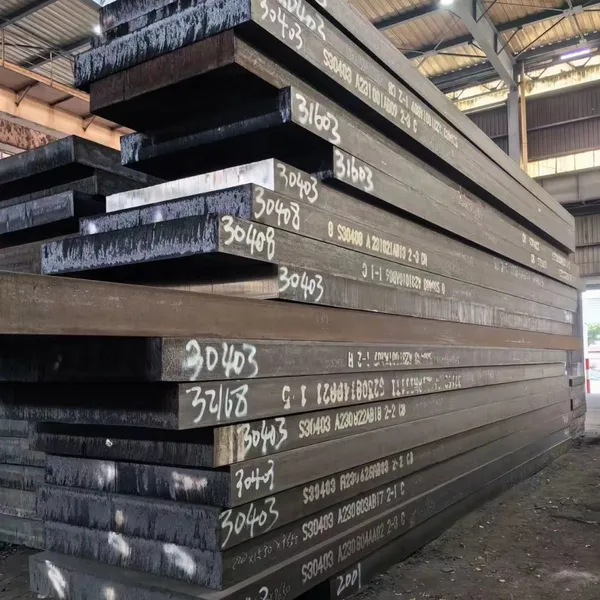
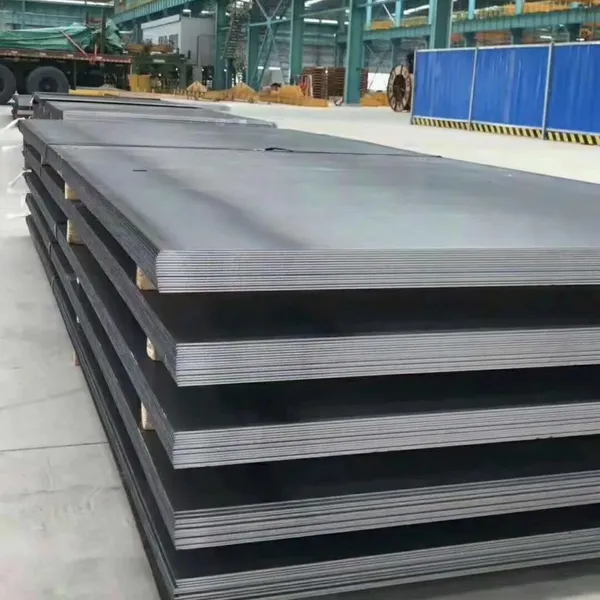
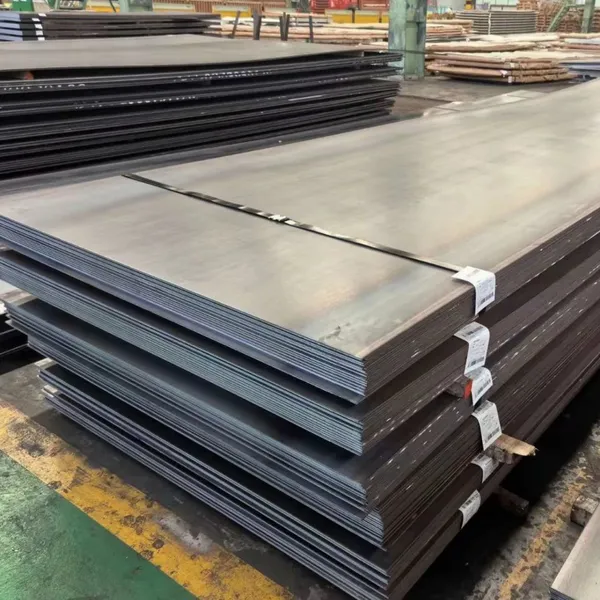
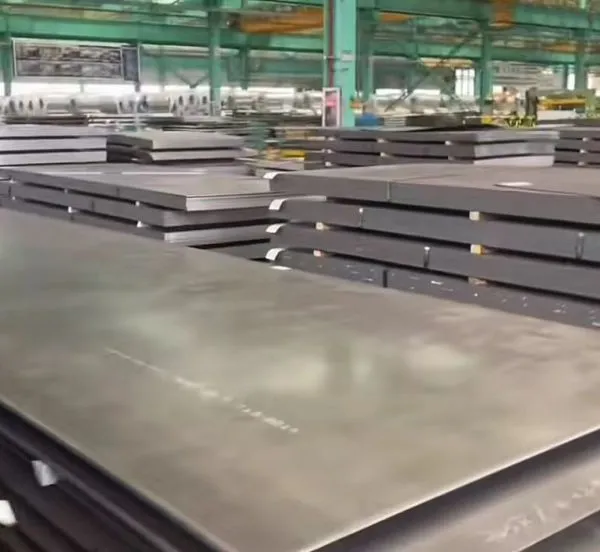
Steel Sheet & Plate & Pressure Vessel Plate,Q245R、Q345R、Q370R、Q420R、Q460R、15CrMoR、14Cr1MoR、12Cr1MoVR、12Cr2Mo1R





Related Products
-
 Steel Sheet & Plate & Shipbuilding Steel Plate,CCSA、CCSB、CCSD、CCSE、AH32、DH32、EH32、FH32、AH40、DH40、EH40、FH40NegotiableMOQ: 5 Metric Tons
 -
Steel Sheet & Plate & Checkered Steel Plate,Q235B、Q235、CCSA、CCSB、AH36、DH36、1060、3003、5052NegotiableMOQ: 5 Metric Tons
-
Steel Sheet & Plate & Boiler Steel Plate,Q245R、Q345R、Q370R、13MnNiMoR、15CrMoR、14Cr1MoR、12Cr2Mo1R、12Cr1MoVR、16MnDR、09MnNiDR、06Ni9DRNegotiableMOQ: 5 Metric Tons
-
Steel Sheet & Plate & Steel Sheet Pile,Q295P、Q355P、Q390P、Q420P、Q460P、Q295WP、Q355WPNegotiableMOQ: 5 Metric Tons
-
Deformed Steel Rebar & Steel Rebar,HRB400、HRB400E、HRB500、HRB500E、HRBF400E、HRBF500ENegotiableMOQ: 5 Metric Tons
1. Product Definition
Pressure vessel steel plate, fully named steel plate for boilers and pressure vessels, is a special wide and heavy steel plate specially used for manufacturing closed equipment bearing pressure media. Its service conditions include normal temperature, high temperature, low temperature, hydrogen service, hydrogen sulfide corrosion and other high-risk environments. Compared with ordinary carbon steel plates, it imposes extremely strict mandatory standards on purity, toughness, weldability, internal defects and through-thickness anti-tearing performance, which fundamentally eliminates risks such as brittle fracture, lamellar tearing, leakage and explosion of pressure-bearing equipment.
Grade Naming Rules (Chinese National Standard)
Take Q345R as an example:
Q = Yield strength; 345 = Minimum yield strength of 345 MPa; R = Symbol for pressure vessel use
DR: Low-temperature pressure vessel steel plate; CR: Chromium-molybdenum heat-resistant pressure vessel steel plate; Z15/Z35: Through-thickness lamellar tearing resistance grade; HIC: Hydrogen-induced cracking resistant special steel plate
2. Main Applicable Standards
2.1 Domestic Chinese National Standards (Mandatory for Domestic Pressure Vessels)
GB/T 713-2023 Steel Plates for Boilers and Pressure Vessels (Carbon & Low-alloy steel plates for normal and medium-temperature service)
GB/T 3531-2019 Low Alloy Steel Plates for Low-temperature Pressure Vessels (16MnDR, 09MnNiDR series)
GB 150 General Design and Material Selection Code for Pressure Vessels
JB/T 4730 Grading Standard for Ultrasonic Testing of Pressure Vessel Steel Plates (Grade Ⅰ / Ⅱ / Ⅲ flaw detection)
2.2 International General Standards (For Export & Foreign-funded Projects)
ASME (American Standard): SA516 Gr60/65/70 (Normal temperature service), SA387 Gr11/22 (Heat-resistant Cr-Mo steel), SA203 (Low-temperature nickel steel)
European Standard EN 10028: P265GH, P355GH, 16Mo3, 13CrMo45
Japanese Standard JIS G3115: SPV355, SPV450
3. Complete Product Classification (Classified by Service Condition, Material & Process)
3.1 Classified by Operating Temperature (Most Common Selection Standard)
(1) Normal & Medium-Low Temperature Pressure Vessel Plates (-20℃ ~ 475℃)
Representative grades: Q245R, Q345R, Q370R, Q420R, Q460R
Composition: Low-carbon manganese-based low alloy with strictly controlled impurity S & P ≤ 0.025%
Performance: Moderate strength, excellent weldability and cost-effective
Application: Ordinary storage tanks, heat exchangers, boiler drums, fermentation tanks, common liquefied petroleum gas spherical tanks
Q345R is the mainstream grade in the market, customizable with Z15/Z25/Z35 through-thickness performance and HIC hydrogen sulfide cracking resistant version
(2) High-temperature Heat-resistant Pressure Vessel Plates (350℃ ~ 600℃, Creep & Hydrogen Corrosion Resistant)
Representative grades: 15CrMoR, 14Cr1MoR, 12Cr1MoVR, 12Cr2Mo1R
Alloy system: Cr-Mo heat-resistant steel, maintaining stable strength and resisting high-temperature hydrogen embrittlement under high temperature
Delivery condition: Normalizing + Tempering (NT)
Application: Refining hydrogenation reactors, high-temperature synthetic ammonia reformers, power station high-temperature headers, coal chemical gasifiers
(3) Low & Ultra-low Temperature Pressure Vessel Plates (-40℃ ~ -196℃)
Representative grades: 16MnDR (-40℃), 09MnNiDR (-70℃), 9% Nickel Steel (-196℃, LNG storage tanks)
Features: Nickel element added to retain high impact toughness under extremely low temperature and avoid brittle fracture
Delivery condition: Normalizing (N) / Normalizing + Tempering
Application: Liquid nitrogen, liquid oxygen, LNG cryogenic storage tanks, low-temperature separation equipment, refrigeration pressure vessels
(4) High-strength Quenched & Tempered Pressure Vessel Plates (Heavy-duty High-pressure Equipment)
Representative grades: 07MnCrMoVR, Q690DR, SA537 Cl2
Process: Quenching + High-temperature Tempering (Q+T), featuring ultra-high strength and high toughness
Application: Large high-pressure spherical tanks, hydrogen storage vessels, heavy nuclear power pressure-bearing components
(5) Corrosion-resistant Clad Pressure Vessel Plates
Carbon steel substrate clad with stainless steel (Q345R + 304 / 316L), balancing structural strength and acid & alkali corrosion resistance. It greatly reduces cost compared with solid stainless steel, and is applied to chemical reactors with strong acid & seawater media, desulfurization equipment.
3.2 Classified by Heat Treatment Delivery Condition
Hot Rolling / Thermo-Mechanical Controlled Processing (TMCP): Q245R, ordinary Q345R, lowest cost, suitable for thin-gauge normal-temperature equipment
Normalizing (N): 16MnDR, 09MnNiDR, grain refinement to significantly improve low-temperature impact toughness
Normalizing + Tempering (NT): 15CrMoR, 12Cr1MoVR, relieving internal stress and stabilizing high-temperature microstructure
Quenching + Tempering (Q+T): High-strength steel 07MnCrMoVR, SA537 Cl2, matching high strength and high toughness
3.3 Custom Special-function Plates
Z-direction Performance Plates Z15/Z25/Z35: Qualified through-thickness reduction of area to eliminate lamellar tearing during welding of thick plates, mandatory for thick-wall high-pressure equipment
HIC Hydrogen-induced Cracking Resistant Plates: Ultra-low sulfur high-purity steel, applied to oil & gas hydrogen service equipment containing H₂S acidic media
100% Flaw-detected Plates: 100% piece-by-piece ultrasonic testing (UT) with Grade Ⅰ / Ⅱ, free of excessive internal defects such as interlayers, pores and cracks
4. Specification Parameters
4.1 Dimension Range
Thickness: 6 mm ~ 250 mm (Ultra-thick plate up to 300 mm available upon special order)
Width: 1500 mm ~ 3200 mm wide format
Length: 6000 mm ~ 12000 mm, custom fixed-length cutting & partial cutting available
4.2 Surface Condition
Hot-rolled black oxide finish; shot blasting rust removal, flaw detection film coating and pre-processing of cutting bevel available on request.
5. Core Technical Performance Requirements (Key Indicators Distinguishing from Ordinary Steel Plates)
5.1 Strictly Controlled Chemical Composition (Fundamental Safety Bottom Line)
Harmful impurities: S ≤ 0.012%~0.025%, P ≤ 0.025%, reducing cold brittleness and hot brittleness tendency
Low-carbon design: Strictly limited maximum carbon content to avoid hardening cracks during welding
Microalloying: Mn, Ni, Cr, Mo, Nb, Ti added as required to balance strength and toughness
5.2 Mandatory Mechanical Property Indicators
Yield & Tensile Strength: Stable minimum values corresponding to each grade; high-temperature tensile strength guarantee available for high-temperature service conditions
Elongation: ≥ 20%, sufficient plasticity to avoid instantaneous fracture under pressure deformation
V-notch Low-temperature Impact Energy Akv: ≥ 34 J at normal temperature, ≥ 47 J at -40℃ for low-temperature grades, preventing low-temperature brittle fracture
Z-direction Reduction of Area: ≥ 35% for Z35 grade, resisting lamellar tearing
Weldability: Low carbon equivalent, only low-temperature preheating required for thick plates, few cracks generated after welding
5.3 Mandatory Non-destructive Flaw Detection
Plates thicker than 30 mm: 100% piece-by-piece Ultrasonic Testing (UT)
Grade Ⅱ flaw detection for general equipment; Grade Ⅰ flaw detection required for key high-pressure, low-temperature and hydrogen-service equipment, prohibiting any excessive internal defects
6. Comparison Table of Main Grades, Performance & Application Scenarios
| Grade | Standard | Applicable Temperature | Core Application |
|---|---|---|---|
| Q245R | GB/T713 | -20 ~ 475℃ | Low-pressure storage tanks, small heat exchangers, ordinary boilers |
| Q345R | GB/T713 | -20 ~ 475℃ | General mainstream product: spherical tanks, boiler drums, reactors, oil & gas equipment |
| Q370R | GB/T713 | -20 ~ 450℃ | Lightweight high-pressure tanks, hydrogen storage equipment |
| 16MnDR | GB/T3531 | -40℃ ~ Ambient temperature | Low-temperature liquid ammonia & propylene storage tanks |
| 09MnNiDR | GB/T3531 | -70℃ ~ Ambient temperature | Low-temperature separation, low-temperature liquefied gas storage tanks |
| 15CrMoR | GB/T713 | ≤ 550℃ | Hydrogenation units, high-temperature boiler headers |
| SA516 Gr70 | ASME | -29 ~ 343℃ | Overseas normal-temperature pressure vessels, equivalent to Q345R |
7. Production Process Flow
Refining Smelting: Converter / Electric furnace + LF Ladle Refining Furnace + VD Vacuum Degassing to remove inclusions and hydrogen and improve molten steel purity
Continuous Casting Thick Slab: Low-segregation thick steel slab
Wide & Heavy Plate Rolling: Controlled temperature & rolling to refine grain microstructure
Heat Treatment (As Required): Normalizing / Tempering / Quenching & Tempering Production Line
Finishing Treatment: Leveling, edge cutting, shot blasting, logo spraying & marking
Full-item Inspection: Tensile test, low-temperature impact test, chemical composition analysis, 100% ultrasonic flaw detection
Warehousing & Material Test Certificate Issuance: Each plate attached with corresponding heat number, batch number, flaw detection report and mechanical property sheet
8. Full Coverage of Application Industries
Petroleum & Chemical Industry: Reactors, hydrogenation reactors, oil & gas spherical tanks, hydrogen sulfide containing storage tanks, heat exchangers
Energy & Power Industry: Power station boiler drums, waste heat recovery equipment, non-nuclear grade nuclear power pressure-bearing shells
New Energy Low-temperature Field: LNG storage tanks, liquid nitrogen / liquid oxygen cryogenic vessels, vehicle-mounted hydrogen storage bottle shells
General Industry: Pharmaceutical fermentation tanks, urban heating boilers, compressed air storage tanks
Coal Chemical Industry: Gasifiers, synthetic ammonia equipment, methanol storage tanks
Export Equipment: Overseas pressure-bearing equipment complying with ASME, EN European standards
9. Delivery & Quality Assurance Description
Accompanying Documents: Material Test Certificate (one-to-one correspondence with heat & batch numbers), ultrasonic flaw detection report, heat treatment certificate, mechanical property inspection sheet
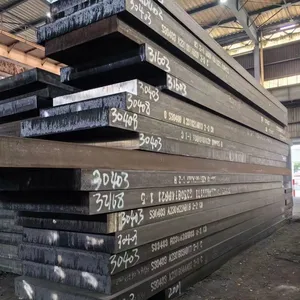
Marking: Grade, thickness, heat number, batch number, standard and flaw detection grade sprayed on plate surface
Packaging: Steel strip bundling, rainproof film coating, large-size products fixed with frame
Machining Adaptability: Support flame cutting, plasma cutting, bending, plate rolling, submerged arc welding and TIG welding forming; preheating at 100~200℃ is recommended for welding plates thicker than 36 mm, with post-weld stress relief heat treatment
10. Core Product Advantages
High Safety Margin: Triple protection including strict impurity control, low-temperature impact test and flaw detection, eliminating risks of pressure vessel explosion
Wide Operating Temperature Adaptability: Covering full working conditions from -196℃ ultra-low temperature to 600℃ high temperature
Favorable Welding & Machinability: Low carbon equivalent, low forming difficulty and few post-weld defects
Full Customization: Z-direction performance, HIC hydrogen cracking resistance, different flaw detection grades, clad plates and quenched & tempered high-strength plates available on request
Dual Domestic & International Certification: Dual compliance with Chinese national standard and ASME/EN standards to meet domestic and export project requirements

Send Inquiry to This Supplier



You May Also Like
-
Steel Wire & Galvanized Steel Wire,Q195、Q235、72A、82B、65Mn、40Cr、42CrMo、GCr15、20CrMnTiNegotiableMOQ: 5 Metric Tons
-
Flat Steel & Flat Steel Bar,Q235、Q355、S235JR、S355JR、A36、SS400NegotiableMOQ: 5 Metric Tons
-
Steel Angle & Angle Steel Bar,Q235B、Q355B、CCSA、AH36、Q355NHNegotiableMOQ: 5 Metric Tons
-
H Section Steel & Steel H Beam,Q235B、Q355B、Q390、Q460、Q235NH、Q355NH、AH36、DH36NegotiableMOQ: 5 Metric Tons
-
Steel Pipe & Tube & Galvanized Steel Pipe,Q195、Q235B、SPHC、Q275B、Q355BNegotiableMOQ: 5 Metric Tons
-
Steel Pipe & Tube & Petroleum Steel Pipe,Gr.B、X42、X52、X60、X65、X70、X80、3Cr、9Cr、13CrNegotiableMOQ: 5 Metric Tons
-
Steel Pipe & Tube & Alloy Steel Pipe,15CrMo、15CrMoG、12Cr1MoVG、12Cr2Mo1G、1Cr5Mo、1Cr9Mo、P91、P92NegotiableMOQ: 5 Metric Tons
-
Steel Pipe & Tube & Precision Steel Tube,10#、20#、35#、45#、Q355B、27SiMn、40Cr、42CrMo、15CrMo、12Cr1MoVGNegotiableMOQ: 5 Metric Tons
-
Steel Pipe & Tube & High Pressure Boiler Tube,20G、20MnG、25MnG、15CrMoG、12Cr1MoVG、12Cr2Mo1G、12Cr1MoVR、P91、P92、16MnDG、09MnNiDGNegotiableMOQ: 5 Metric Tons
-
Steel Pipe & Tube & Cast Pipe,QT400-15、QT450-10、QT500-7、HT200、HT250、ZG230-450、ZG270-500、WCB、WCCNegotiableMOQ: 5 Metric Tons


