








 Contact Platform Support
 Help Center
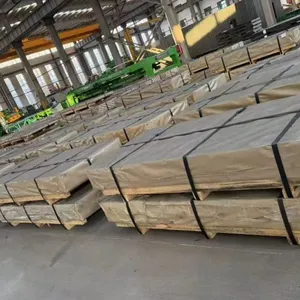
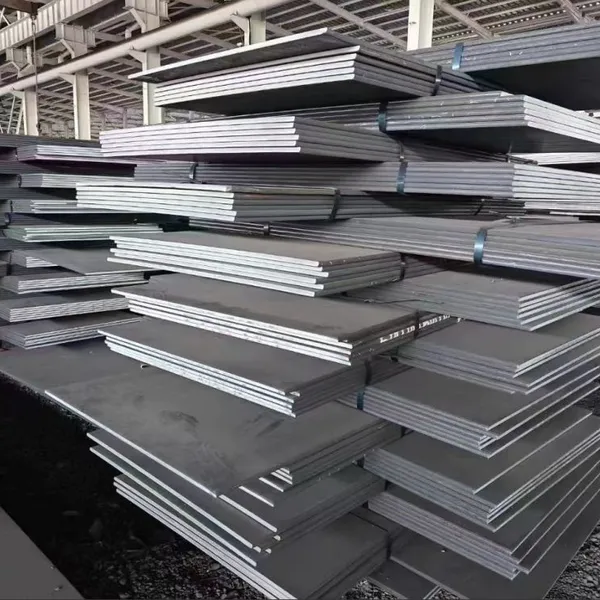
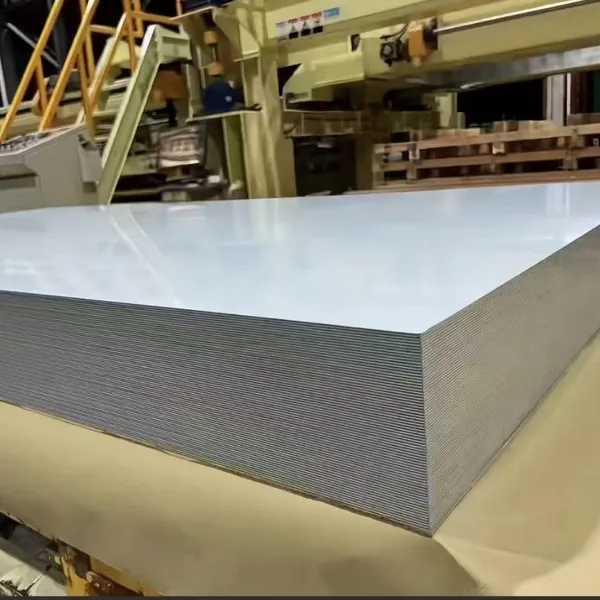
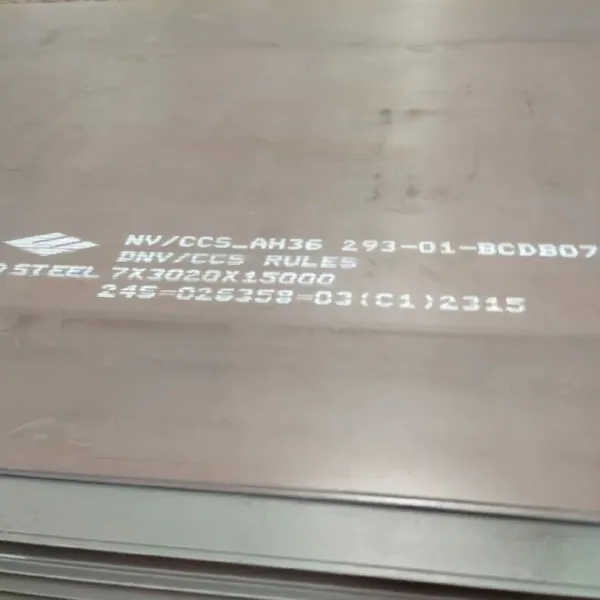
Steel Sheet & Plate & Shipbuilding Steel Plate,ASTM A131、EN 10025、JIS G3106

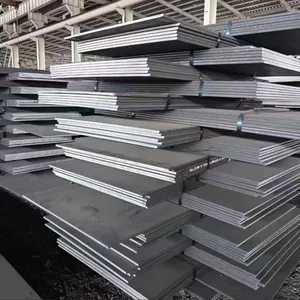
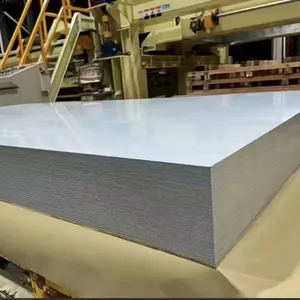
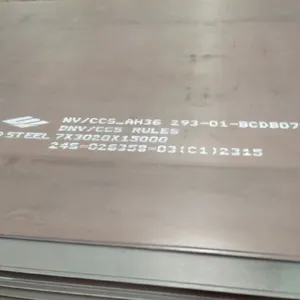
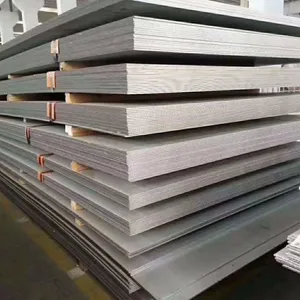
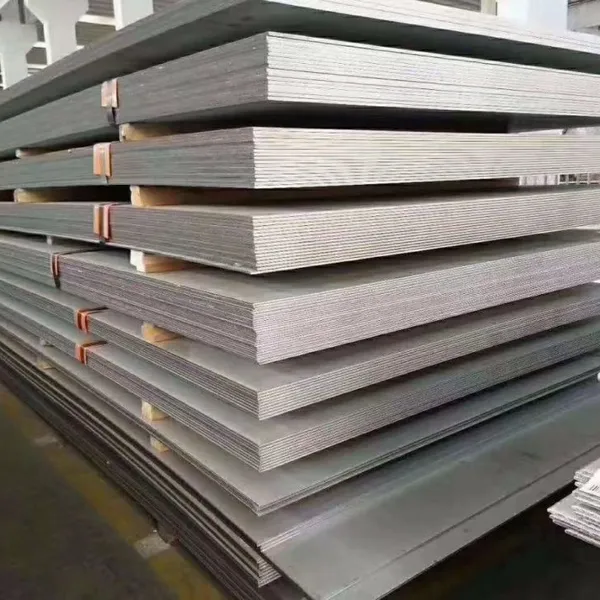


Related Products
-
 Steel Sheet & Plate & Boiler Steel Plate,Q245R、Q345R、Q370R、Q420R、Q460R、15CrMoR、14Cr1MoR、12Cr1MoVRNegotiableMOQ: 5 Metric Tons
 -
Steel Sheet & Plate & Steel Sheet Pile,Q235B、SS400、Q355B、Q355C、Q390B、S355GP、Q355NQR、ASTM A690、SMA500NegotiableMOQ: 5 Metric Tons
-
Steel Sheet & Plate & Checkered Steel Plate,Q235B、Q355B、Q355C、CCSA、CCSB、AH36、Q355NH、Q355NQRNegotiableMOQ: 5 Metric Tons
-
Steel Rebar & Hot Rolled Ribbed Bars,HRB400、HRB500、HRB600、HRB400E、HRB500E、HRB600E、HRBF400E、HRBF500ENegotiableMOQ: 5 Metric Tons
-
Steel Wire & High Tensile Strength Steel Wire,Q195、Q235、SWRCH6A、SWRCH8A、SWRCH10A、SWRCH22A、SWRCH35K、45#、SWRH62B、SWRH72B、SWRH77B、SWRH82BNegotiableMOQ: 5 Hectares
1. Product Overview
Shipbuilding Steel Plate, also called marine structural plate, complies with national standard GB 712-2011. It is a special hot rolled structural steel plate exclusively manufactured for ocean-going, coastal, inland vessels and offshore engineering platforms.
Produced with low-sulfur low-phosphorus clean steel smelting, combined with TMCP thermo-mechanical controlled rolling or normalized heat treatment, it features outstanding low-temperature impact toughness, seawater fatigue resistance, excellent weldability and lamellar tearing resistance. It can withstand long-term alternating wave load, salt fog corrosion and temperature shock. All products are certified by major international classification societies, serving as core safety structural materials for hull shell, deck, bulkhead and offshore platform load-bearing components, and must be supplied with official mill certificates for ship construction.
Marine Service Principle
Ships are continuously subjected to cyclic wave impact, long-term seawater erosion and low-temperature brittle failure risk in polar waters. Microalloy grain refinement ensures sufficient impact energy at subzero temperatures to prevent brittle hull fracture. Strict control of sulfur and phosphorus minimizes welding cold crack risks. Uniform metallographic structure resists seawater fatigue corrosion. Z-grade plates can be customized for heavy thick sections to eliminate lamellar tearing during welding, ensuring full-cycle structural safety of vessels.
2. Main Steel Grades, Impact Temperature & Application Scenarios
2.1 Normal Strength Ship Plate (Yield Strength 235MPa, CCSA/CCSB/CCSD/CCSE)
Grade A (CCSA): Room temperature impact, inland & coastal small vessels, superstructure
Grade B (CCSB): Impact at 0℃, general bulk carriers, barges, simple decks
Grade D (CCSD): Impact at -10℃, conventional offshore & ocean-going hull and bulkheads
Grade E (CCSE): Impact at -40℃, key structural parts of ocean-going vessels sailing in cold sea areas
2.2 High Strength Ship Plate (Mainstream, 3 strength levels)
Grade 32 (Yield Strength 315MPa)AH32 (0℃), DH32 (-20℃), EH32 (-40℃)Application: Medium & small cargo ships, fishing vessels, decks & ribs of heavy inland watercraft
Grade 36 (Yield Strength 355MPa, highest market demand)AH36 (0℃), DH36 (-20℃), EH36 (-40℃)Application: Container ships, oil tankers, bulk carriers, main structures of offshore platforms
Grade 40 (Ultra High Strength, Yield Strength 390MPa)AH40, DH40, EH40, FH40 (-60℃ for ice-breaking vessels)Application: Large ocean-going vessels, polar icebreakers, FPSO floating production storage and offloading units
2.3 Z-Direction Anti-Lamellar Tearing Ship Plate
Z15, Z25, Z35, specially for heavy plate heavy welding structures, offshore platform columns and high-stress bulkheads to avoid layered cracking during welding.
2.4 Equivalent International Classification Society Grades
ASTM A131 A/B/D/E, AH36/DH36/EH36;Certified classification societies: CCS (China), ABS (USA), BV (France), DNV (Norway), LR (UK), NK (Japan), KR (Korea).
Standard Delivery Heat Treatment Status
Hot Rolled (AR), TMCP Controlled Rolling, Normalized (N); Grade D/E/F low-temperature plates, heavy plates and export orders are mostly delivered in normalized state to improve low-temperature toughness.
3. Applicable Standard System
Mandatory Domestic Chinese Standards
GB 712-2011 Structural steel for ship and offshore engineering constructionGB/T 2970 Ultrasonic testing of heavy steel platesGB/T 709 Dimensions, shape, mass and tolerances of hot rolled steel plates and strips
International Export Standards
ASTM A131, EN 10025, JIS G3106;Rules of classification societies: CCS, ABS, DNV, BV, LR, NK.
4. Complete Specification Parameters
Thickness Range: 6mm–100mm; thin plate 6–16mm, medium plate 16–50mm, heavy plate 50–100mm, customized extra-heavy plate 100–150mm available
Standard Width: 1500mm, 1800mm, 2000mm, 2200mm, 2500mm, 3000mm, 3500mm; extra-wide 4000mm customizable
Standard Fixed Length: 6000mm, 8000mm, 10000mm, 12000mm; flame/plasma cutting for irregular shapes & small cut pieces on demand
Plate Surface Processing Types
Mill Edge Plate: Hot rolled delivery, cost-effective for inner cabin structures
Sheared Edge Plate: Four sides precision cut with accurate dimensions for hull outer shell & main deck structures
Shot Blasted Pre-treated Plate: Descaled surface ready for direct marine anti-rust painting
Z-Direction Grades: Z15, Z25, Z35 for high-stress heavy plate welding positions
Dimensional Tolerance Control
Strict negative thickness tolerance control; width tolerance 0~+10mm; length tolerance 0~+50mm; straightness ≤3mm per meter, free of severe camber and warpage.
5. Complete Production Process
Hot metal pretreatment → Converter refining + LF furnace desulfurization & deoxidation → VD vacuum degassing for hydrogen removal → Continuous casting wide slab → Slab cleaning & inspection → Uniform high-temperature heating in walking beam furnace → 4-high mill TMCP controlled rolling / conventional hot rolling → Laminar accelerated cooling → Heat treatment (normalized on request) → Heavy-duty straightening → 100% plate-by-plate Ultrasonic Testing (UT) → Shot blasting surface cleaning → Full dimensional & appearance re-inspection → Marking & coding of classification society logo, heat number and steel grade → Stacking with wooden spacers, strapping & warehousing
6. Mandatory Full-Range Inspection Standards (Supervised by Classification Societies, 100% UT per plate)
6.1 Physical & Mechanical Tests (Sampling per heat batch)
Tensile test: Yield strength, tensile strength, elongation after fracture to meet classification society strength indicators
Charpy V-notch low-temperature impact test: Grades A/B/D/E/F tested at corresponding subzero temperatures with qualified impact energy to prevent low-temperature brittle fracture
180° cold bend test: No cracks or lamination to satisfy hull rolling & bending forming
Z-direction tensile test (Z-grade plate): Measure reduction of area to evaluate lamellar tearing resistance
Spectrochemical analysis: Strict control over harmful impurities C, S, P; low sulfur for on-site shipyard welding
Hardness test: Matched with shipyard welding process to avoid hardening brittleness
6.2 100% Mandatory Ultrasonic Non-Destructive Testing (UT) (Compulsory for Shipbuilding)
Class Ⅱ ultrasonic inspection per GB/T 2970 to fully detect internal lamination, white spots, shrinkage cavities and inclusions; plates without UT reports cannot be used for ship construction.
6.3 Appearance & Dimensional Inspection
Smooth surface free of cracks, scabs, folds, pits and lamination; residual thickness after defect grinding shall not be lower than minimum tolerance limit; thickness, width, length and straightness measured and recorded plate by plate for filing.
7. Core Product Advantages
Full classification society certification, fully compliant for ship surveyComplete original mill certificates from CCS/ABS/DNV etc., one-time pass for ship inspection without rework or certificate replacement.
Excellent low-temperature toughness applicable to all global sea areasGrades E/F pass impact test at -40℃~-60℃, stable for ocean-going vessels, northern cold sea areas and polar icebreakers, eliminating risk of brittle damage at low temperature.
Superior weldability to improve shipyard construction efficiencyLow carbon & low sulfur design minimizes cold cracks and blowholes during SMAW, SAW and GMAW, stable forming for hull sectional welding.
Good seawater fatigue corrosion resistance to extend vessel service lifeClean steel substrate and uniform rolled microstructure resist fatigue cracking under long-term alternating wave load, greatly reducing hull maintenance frequency.
Customizable Z-direction performance for safe heavy plate weldingZ15/Z25/Z35 marine plates solve lamellar tearing risk during T-joint welding of thick plates, ideal for high-stress structures of offshore platforms and large oil tankers.
Extra-wide large plates reduce hull splicing weldsMax width up to 3500–4000mm, drastically decrease sectional splicing seams to improve hull tightness and structural strength.
8. Main Application Fields
Ocean-Going Shipbuilding (Core Application)Container ships, bulk carriers, crude oil & product tankers, ro-ro ships, ocean-going fishing vessels, polar icebreakers: hull shell, deck, side shell, bulkhead, bottom shell, frames, deck longitudinal girders.
Offshore Marine Engineering EquipmentOffshore drilling platforms, FPSO floating oil storage vessels, offshore wind turbine base structures, floating bodies, trestle structural parts.
Inland & Coastal Small VesselsInland cargo ships, ferries, yachts, barges, port floating docks, salvage boat hull structures.
Auxiliary Ship EquipmentShip storage tanks, ballast water tanks, steel support frames, engine room protective plates.
Special Marine EquipmentMarine breeding platforms, floating cofferdams, offshore construction workboats, subsea pipeline supporting structures.
9. Packaging, Loading Port & Lead Time
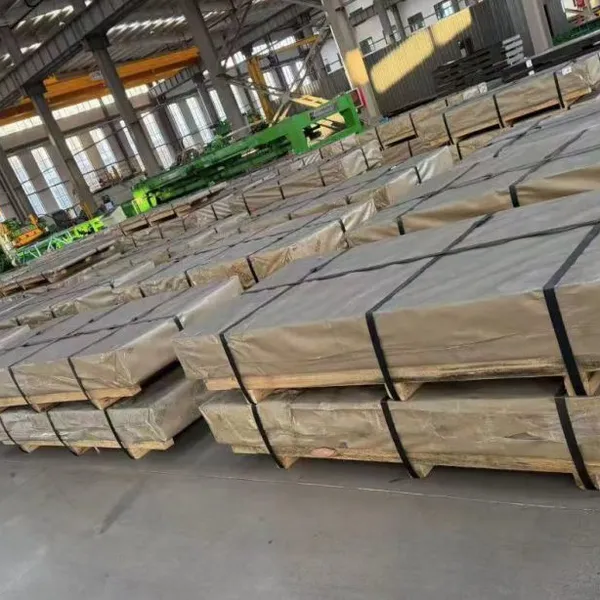
Standard Export Seaworthy PackagingWood strips laid between plates to avoid collision damage, wooden pallets for load bearing; cross steel strapping for reinforcement, metal corner guards fitted on plate edges; full stacks wrapped with waterproof plastic film and covered with blue waterproof woven cloth for moisture & rust prevention during sea transportation.
Loading Port: Tianjin Port, shipment available via Qingdao Port and Shanghai Port.
Lead Time
Regular stock CCSA/CCSB & AH36 ship plates: 5–7 days
CCSD/CCSE, DH36/EH36 low-temperature high-strength ship plates: 10–16 days
FH40 ice-breaking steel, Z35 Z-direction heavy plate, custom extra-wide & extra-heavy plates: 18–28 days
MOQ & SamplesMinimum order quantity 5 tons; 300×300mm test plates provided free for impact, tensile and ultrasonic testing.
10. Supporting Classification Society Quality Assurance Documents
Complete set of original Chinese & English mill certificates approved by classification societies:
Slab melting chemical composition analysis report
Mechanical test report (tensile, low-temperature impact, cold bend)
100% plate-by-plate ultrasonic UT inspection report
Special Z-direction performance test report (for Z-grade plates)
Dimensional tolerance & surface appearance inspection data sheet
Original approval certificates of major classification societies, marine steel material certificate, packing list, certificate of origin

Send Inquiry to This Supplier



You May Also Like
-
Flat Steel Bar & Flat Steel,Q235B、SS400、Q355B/Q355C/Q355D、S355JR、20#、35#、45#、65Mn、60Si2MnNegotiableMOQ: 5 Metric Tons
-
Steel H Beam & H Beam,Q235B、SS400、Q355B/Q355C/Q355D、Q355NH、Q355NQR、Q420B、Q460CNegotiableMOQ: 5 Metric Tons
-
Steel Angle & Angle Steel,Q235B、SS400、A36、Q355B/Q355C/Q355D、S355JR、A572 Gr50、CCSA、CCSB、AH36、Q355NQRNegotiableMOQ: 5 Metric Tons
-
Steel Pipe & Tube & High Pressure Boiler Tube,ASME SA210、SA213、ASTM A335 P、DIN17175、EN10216-2NegotiableMOQ: 5 Metric Tons
-
Galvanized Flat Bar&Flat Steel,GB/T 704, GB/T 13912, ASTM A123, JIS G3302NegotiableMOQ: 5 Metric Tons
-
Steel Rebar&Deformed Steel Bar,HRB400、HRB400E、HRB500、HRB500E、Grade 40、Grade 60NegotiableMOQ: 5 Metric Tons
-
Steel Angle&Galvanized Angle Steel,Q235B, Q355B, S235JR, S355JR, A36, A572 Gr50NegotiableMOQ: 10 Metric Tons
-
Steel H Beam&H Beam ,Q235B, Q355B, S235JR, S235J0, S235J2, S355JR, S355J0, S355J2, A36, A572 Grade 50, A992NegotiableMOQ: 10 Metric Tons
-
Steel Pipe & Tube&Seamless Steel Pipe,Q235B, Q355B, 10#, 20#, 16Mn, L245, L360, SS330, SS400, A53 Gr.BNegotiableMOQ: 5 Metric Tons
-
Steel Wire&Galvanized Steel Wire,Q195, Q235, 45#, 55#, 60#, 65#, 70#, 72A, 82BNegotiableMOQ: 5 Metric Tons


